

Central Asian Wool Carpet
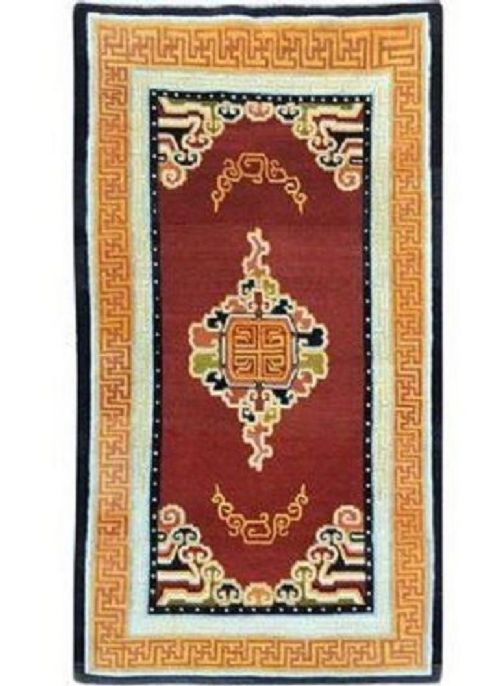
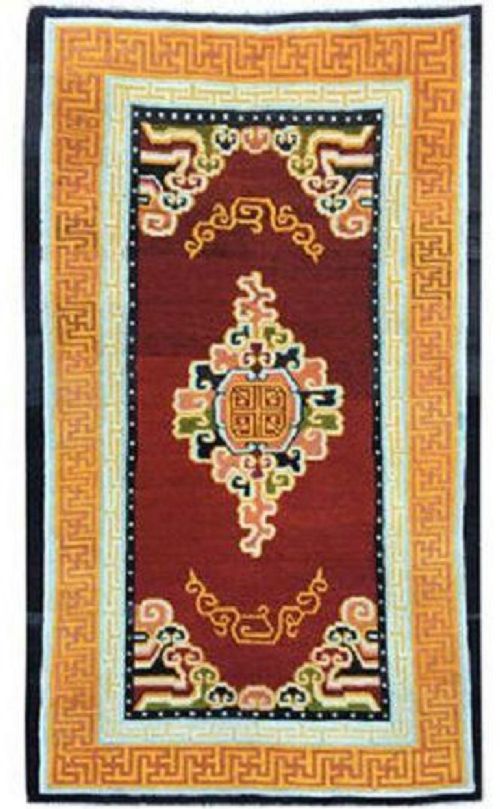
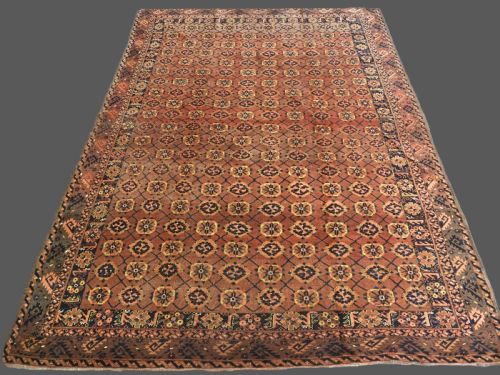
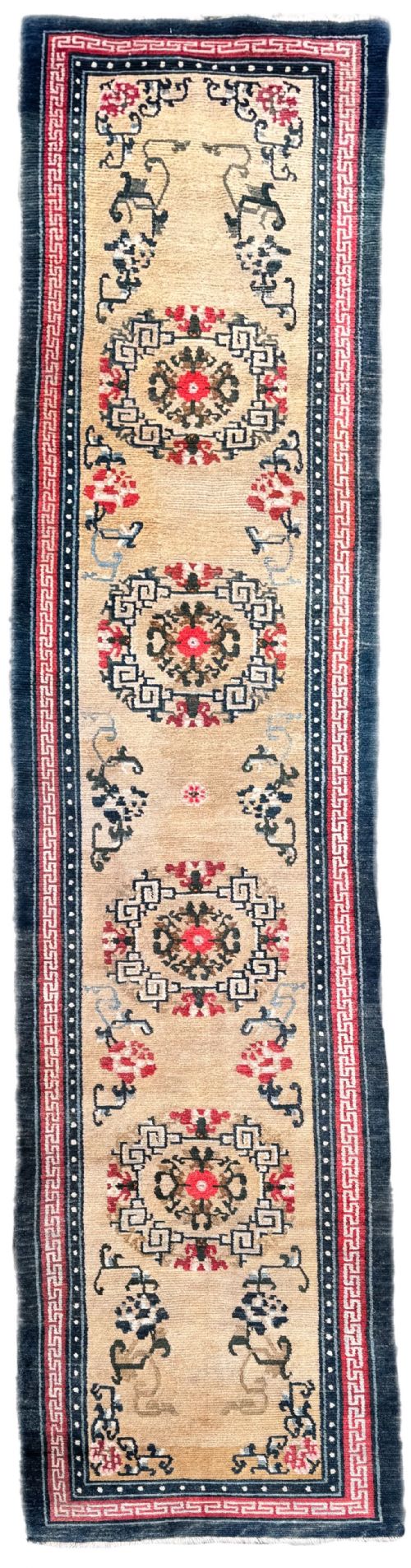
When choosing a central asian wool carpet, you encounter tribal weavings shaped by nomadic traditions from the nineteenth and early twentieth centuries.
Central Asian Wool Carpet
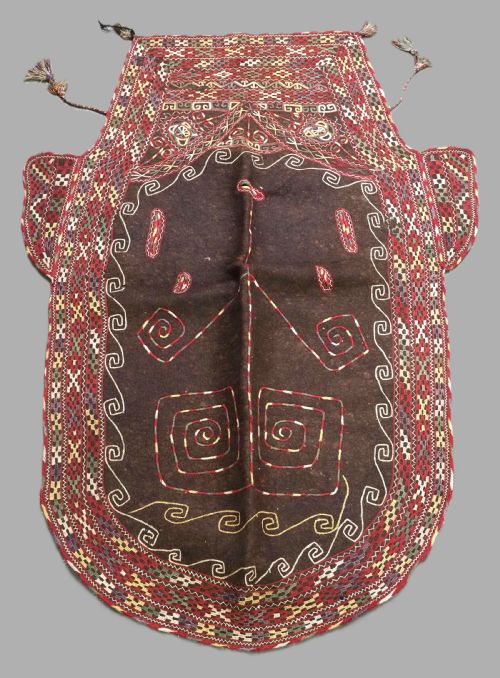
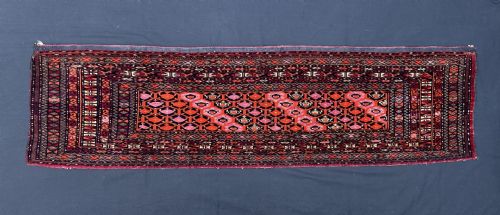
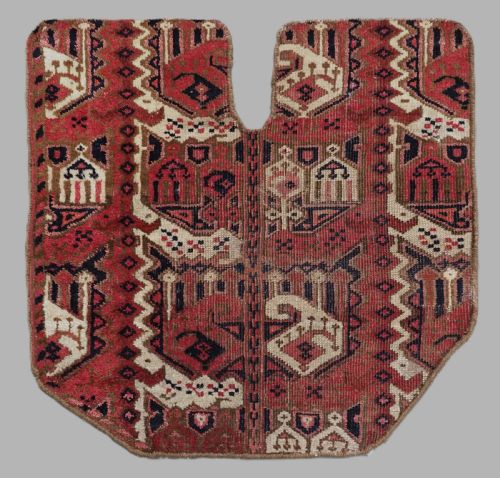
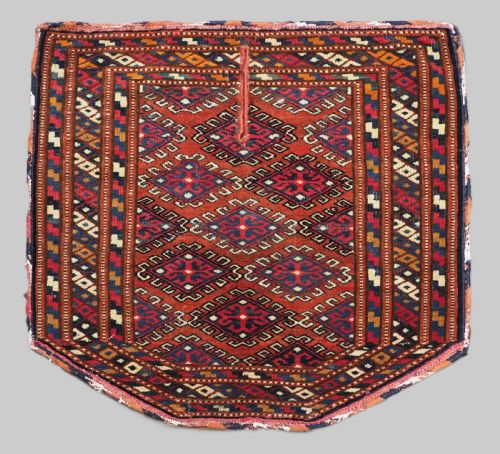
Most examples date from the Victorian era up to the interwar period, spanning years from eighteen-fifty through nineteen-thirty. Forms range from large floor coverings to specific functional items including torba faces, chuvals, saddle covers, and horse blankets.
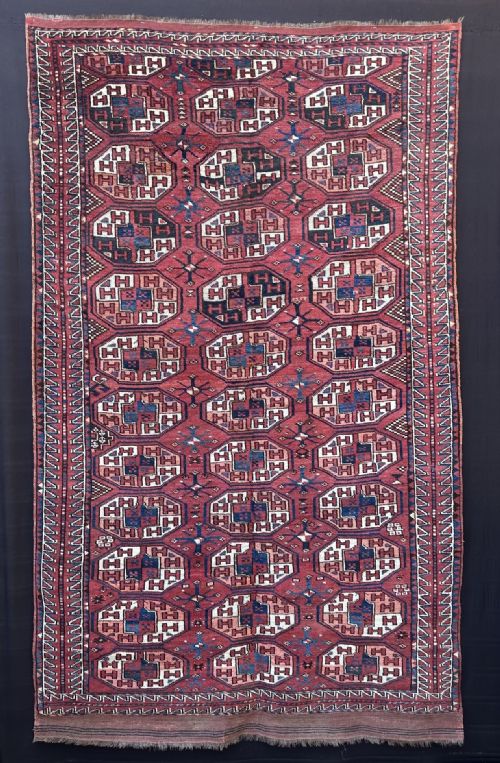
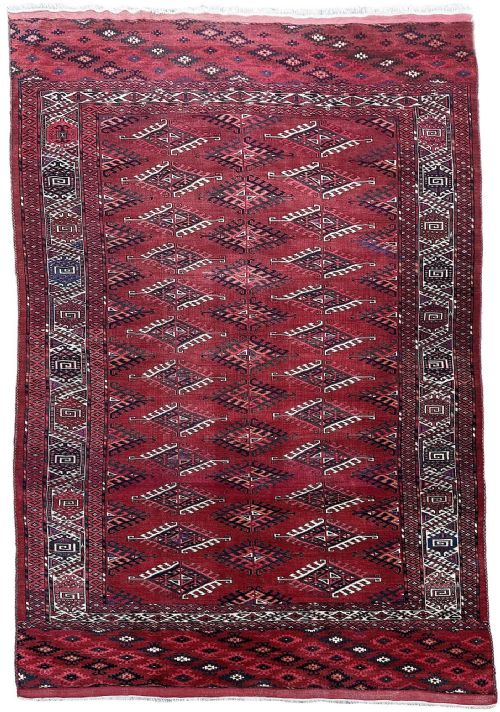
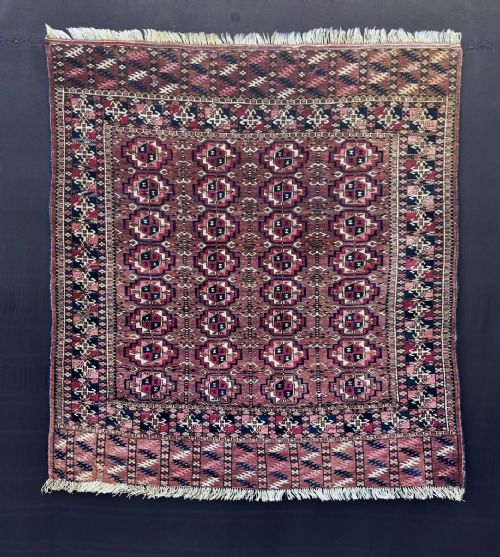
Buyers encounter traditional formats designed for nomadic living spaces, often defined by repeated tribal guls and characteristic border motifs. These textiles serve both decorative purposes and historical illustration of Central Asian weaving heritage.
How they were made
Weavers utilised hand-spun wool, often combined with cotton foundations and natural dyes to achieve deep, enduring colour palettes. Certain ceremonial pieces incorporate felted wool or detailed silk thread embroidery.
Construction techniques involve knotting pile wool onto warp and weft threads, alongside flatweave methods used for utilitarian bags and tent bands. Natural dye sources provide the foundation for characteristic reds, ivories, and dark tones seen across the tribal groups.
Nomadic weavers occasionally included deliberate minor irregularities in their guls to ward off the evil eye.
What varies in quality
Quality rests on the fineness of the weave, the clarity of the tribal motifs, and the preservation of original structures such as side cords and tassels. Tighter knotting and precise geometric execution distinguish finer workshop or tribal pieces.
The integrity of the natural dyes and the survival of secondary materials like plain weave backs or original fringes heavily influence the standing of an individual weaving. Complete structural survival on bags and tent hangings elevates the textile's integrity.
The Central Asian Wool Carpet Glossary
- Gul
- A primary octagonal medallion motif repeated across Turkmen and Central Asian carpets. Each tribe utilised distinct variations to signify lineage and origin.
- Torba
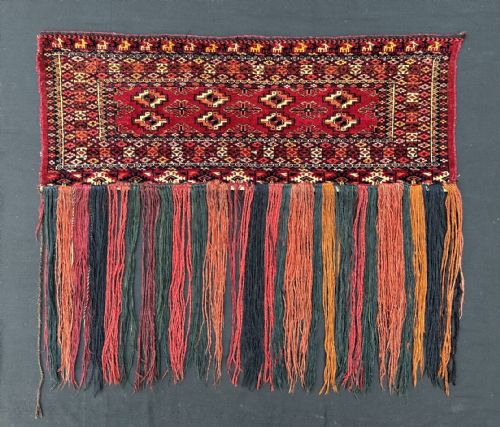
- A small hanging bag used for domestic storage inside a nomad tent. These pieces frequently display complex subsidiary guls.
- Chuval
- A large storage bag face produced by Turkmen tribes. They often feature multiple rows of guls and fine wool pile.
- Asmalyk
- A ceremonial pentagonal trapping hung on wedding camel flanks. These decorative textiles display exceptional tribal artistry.
- Kapadok
- Also known as a kapunuk, this is a tent door surround woven in three connected panels. They framed the entrance of nomadic dwellings.
Central Asian Wool Carpet: Frequently Asked Questions
How were central asian wool carpets used originally?
Nomadic families utilised these textiles primarily for interior tent decoration, floor insulation, and practical storage solutions. Large main carpets covered the felt flooring, while smaller bags and trappings stored household goods.
Specific items like horse blankets and camel trappings served ceremonial roles during tribal celebrations and wedding processions. Every functional piece doubled as an expression of tribal identity and artistic skill.
How do I identify a Tekke rug?
Tekke weavings typically display densely arranged guls in neat rows on deep madder-red grounds. Their structures often include detailed minor motifs and finely executed elem panels at the ends.
Examining the reverse reveals a precise, even knotting style characteristic of Tekke weavers from the Akhal Oasis. The handle tends to be supple yet heavy due to the quality of the wool.
What is an Ersari main carpet?
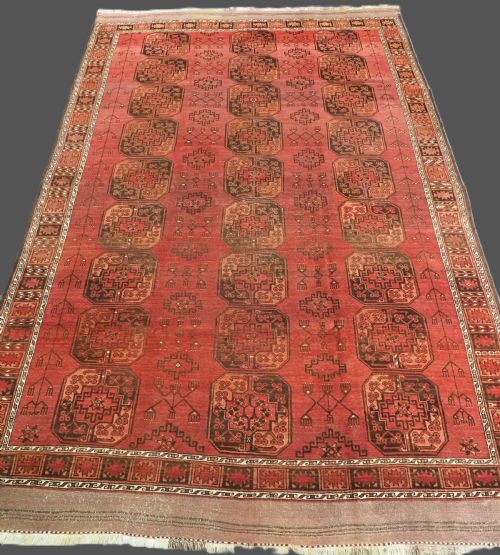
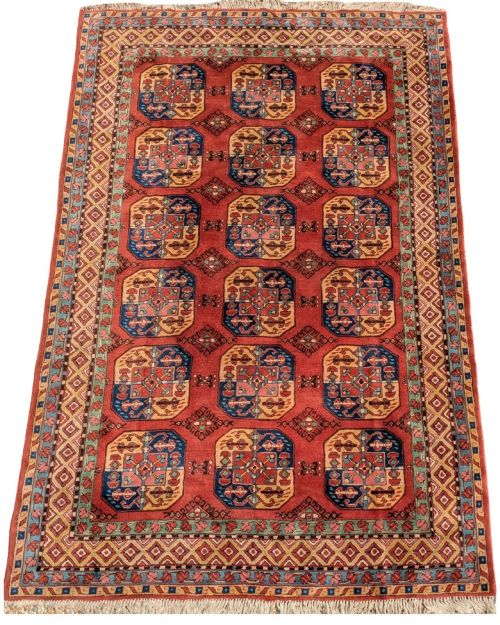
Ersari carpets originate from regions along the Amu Darya river and frequently measure larger than standard tent rugs. Their designs incorporate spacious layouts with large guls and varied border arrangements.
These pieces often show wider colour palettes, including saffron yellows and rich browns alongside traditional reds. Their looser weave differentiates them from compact Tekke structures.
How should I care for a tribal wool rug?
Protect antique textiles by placing them in low-traffic areas away from direct sunlight to preserve natural dyes. Gentle vacuuming without a rotating brush prevents fibre damage.
Professional textile cleaning specialists should handle washing when necessary. Using a breathable underlay helps maintain the carpet's structural stability on hard floors.