





Central Anatolian Rug
Central anatolian rug examples bring regional village weaving traditions into modern spaces through enduring wool and silk materials.
Central Anatolian Rug
A central anatolian rug represents centuries of village and regional weaving traditions from the heartland of Turkey. These textiles encompass specific production centres such as Konya, Kirsehir, Kayseri, Sivas, and Oushak.
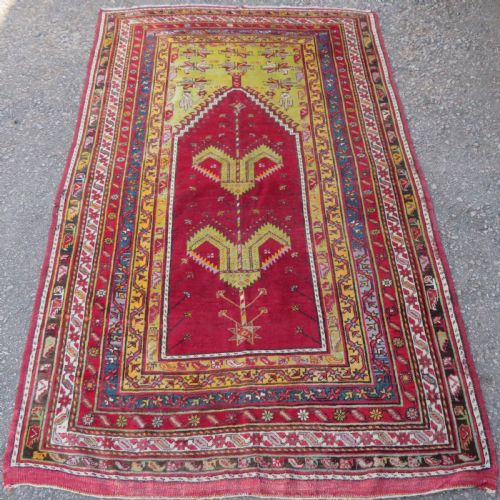
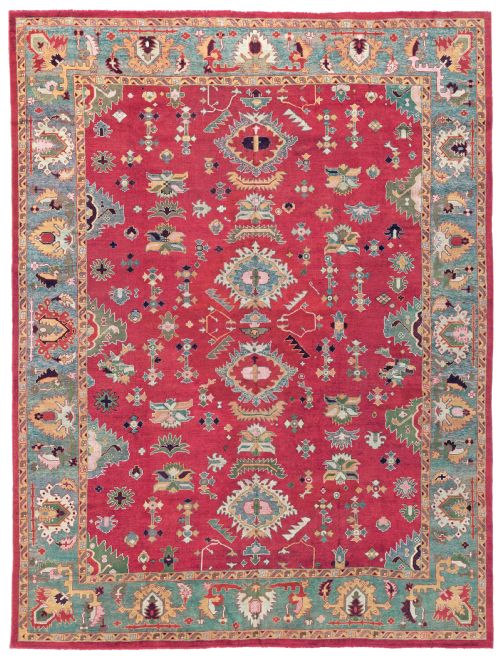
Buyers will encounter diverse formats including small village prayer rugs, runner dimensions, and larger room-size carpets. Many pieces display traditional prayer mihrabs, single medallions, or repeat floral patterns originating from the nineteenth and early twentieth centuries.
Materials and Construction
Weavers relied primarily on natural wool and cotton foundations, while certain urban workshops incorporated silk, art silk, floss silk, and mercerised cotton. Natural dyes provided the foundational palette for village pieces across the region.
Specific variations include angora wool in specialised Ushak carpets and fine knotting techniques found in Sivas and Kayseri productions. These traditional methods created durable pile floor coverings designed for practical daily use.
Central Anatolian Rug Retail Price Guide 2026
Typical asking prices for central anatolian rug among the pieces listed under this phrase on Sellingantiques today, from the lower quarter to the upper quarter. They describe what is for sale here now, not the wider market.
Listings span from the mid-nineteenth century through the 1930s, featuring wool, cotton, silk, and natural dyes.
Evaluating the Weaving
The density of the knotting and the fineness of the weave distinguish standard village outputs from master workshops in centres like Sivas and Kayseri. Finer foundations allow for sharper delineation of intricate geometric and floral motifs.
The vibrancy and depth of the dyes, particularly in natural colorways and pastel grounds, heavily influence the visual impact of an older rug. Surviving condition and the crispness of the original design outline also determine the standing of individual pieces.
The Central Anatolian Rug Glossary
- Prayer rug
- A small format rug featuring a mihrab or arch design intended to indicate the direction of prayer. These pieces often incorporate specific regional motifs unique to towns like Kirsehir or Konya.
- Yatak
- A term used to describe a specific type of sleeping or bedding rug from Central Anatolia. These pieces generally feature longer pile and heavier construction than standard floor carpets.
- Mihrab
- The architectural arch motif depicted on prayer rugs that points toward Mecca. Central anatolian examples render this niche in various geometric and stepped configurations.
- Art silk
- A term applied to regenerated cellulose fibres such as rayon or mercerised cotton used in place of true silk. Listings from the early twentieth century occasionally employ this material for enhanced sheen.
Central Anatolian Rug: Frequently Asked Questions
How do I identify a prayer rug?
Prayer rugs are distinguished by a prominent pointed arch or mihrab design at one end of the field. This architectural motif traditionally directed the user during daily devotions.
Central anatolian examples from towns like Kirsehir and Konya use this layout alongside specific pillar or hanging lamp motifs within the niche.
What is an art silk rug?
An art silk rug utilises manufactured substitutes like mercerised cotton or rayon instead of natural mulberry silk. These materials provided a similar glossy sheen and soft handle at a different production tier.
Such pieces appear in twentieth-century Kayseri inventories featuring detailed floral patterns.
Where were these rugs made?
These textiles originated in the central plateau of Turkey, encompassing historical towns, cities, and surrounding rural villages. Important regional centres include Konya, Kirsehir, Sivas, Kayseri, and Oushak.
Each location developed distinct colour palettes, medallion structures, and weaving characteristics over generations.
How do I care for an old rug?
Protect antique wool and silk floor coverings by placing them in low-traffic areas away from direct sunlight. Regular gentle vacuuming without a rotating brush bar helps prevent dust accumulation in the pile.
Professional cleaning tailored for antique textiles ensures the natural dyes and fibres remain stable over time.