





Celadon Jade Carving
A celadon jade carving brings centuries of meticulous lapidary tradition into the hand, offering subtle green tones and tactile animal or scholarly forms.
Celadon Jade Carving
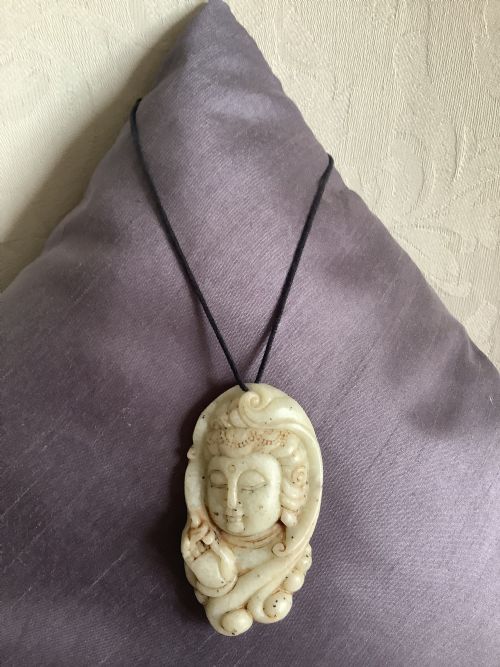
A celadon jade carving encompasses a diverse range of objects from pendants and amulets to water birds, brush washers, and landscape sculptures. These pieces span historical periods including the 18th century, Qing dynasty, and later Republic era, alongside Edwardian and Victorian entries.
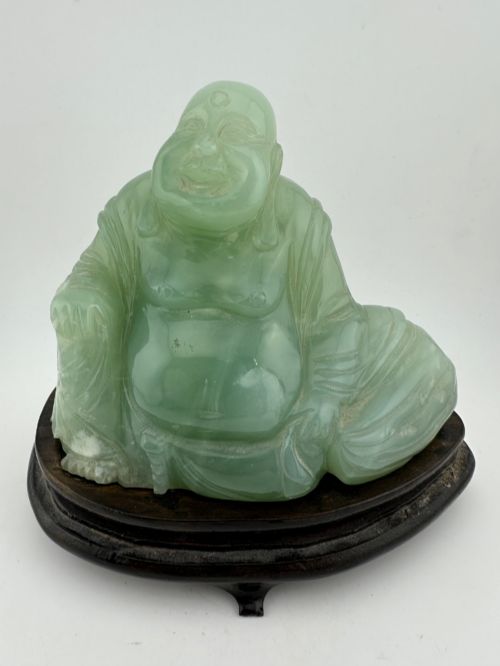
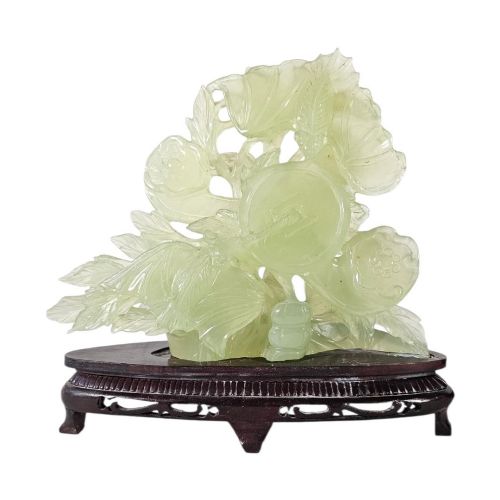
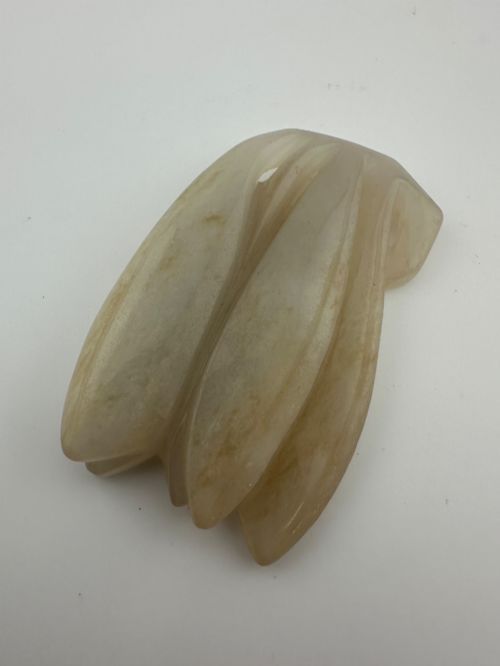
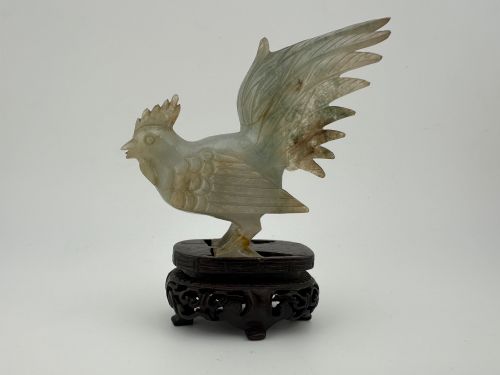
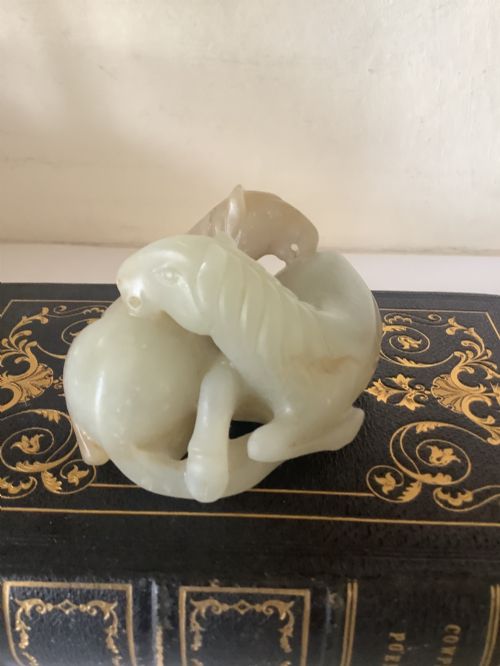
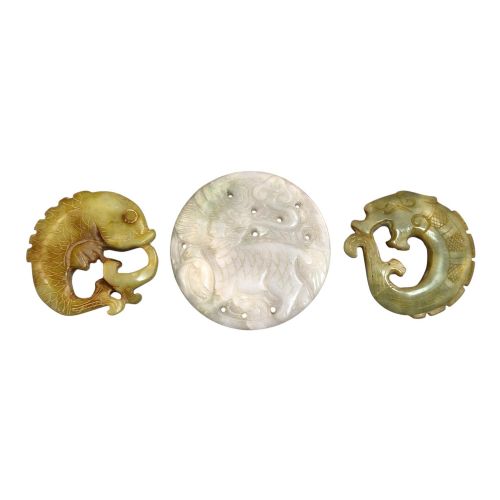
Most examples you encounter on this page reflect traditional Chinese subject matter, such as cicadas, dragons, lotus forms, and mythical beasts like the qilin or pixiu. They frequently appear paired with fitted hardwood stands designed to complement the polished stone.
The material presentation shifts across eras, moving from imperial-style scholarly objects down to smaller decorative sculptures and miniature animal carvings. Each form retains the pale or deep green coloration characteristic of the mineral family.
Materials and carving techniques
The primary medium relies on nephrite, jadeite, and Bowenite serpentine, often grouped broadly as hardstone or specifically identified as celadon jade. These dense minerals require abrasive cutting, grinding, and polishing techniques developed over generations of lapidary work.
Celadon Jade Carving Retail Price Guide 2026
Typical asking prices for celadon jade carving among the pieces listed under this phrase on Sellingantiques today, from the lower quarter to the upper quarter. They describe what is for sale here now, not the wider market.
A small stone boy holds a bird's nest complete with an egg, preserved in jade for over a century.
Assessing quality in carved jade
Quality rests in the harmony between the natural stone's translucency and the ambition of the sculptor's design. Finer examples display deep, intricate undercut relief work where every scale, feather, or fold of drapery remains crisp and purposeful.
The selection of the raw material heavily dictates the upper tier of the range, where unblemished pale celadon or deliberate use of russet inclusions elevates a functional object like a brush washer into an imperial-style sculpture.
The Celadon Jade Carving Glossary
- Celadon jade
- A pale green mineral variety highly prized in Asian sculpture. Its muted tone provides a calm background for detailed carving.
- Nephrite
- A tough, dense amphibole mineral used extensively in traditional Chinese objects. It resists fracturing, allowing for exceptionally thin walls in vessels and cups.
- Bi disc
- A flat circular jade artefact with a circular hole in the centre. Historically significant, these ceremonial objects frequently incorporate mythical animal motifs.
- Qing dynasty
- The final imperial dynasty of China, spanning several centuries. Many decorative carvings and scholarly items originate from this period.
- Hardwood stand
- A separate wooden base carved specifically to support a jade sculpture or vase. These stands are integral to the display of traditional pieces.
Celadon Jade Carving: Frequently Asked Questions
What is a celadon jade carving?
It is a decorative or scholarly object shaped from green-toned mineral stone using traditional lapidary methods. These pieces range from small pendants and amulets to larger mountain landscape sculptures.
Many reflect historical Chinese subjects, depicting creatures like dragons, fish, and cicadas alongside functional vessels and scholarly brush washers.
How do I care for my jade carving?
Keep the stone away from sudden temperature extremes and harsh chemical solvents to protect its polished surface and natural coloration. Soft dusting and occasional gentle cleaning maintain the tactile quality of the material.
If the piece includes a fitted hardwood stand, clean the wood separately using appropriate furniture care without touching the stone with polish.
What period do these carvings come from?
The listings span multiple eras, most notably the 18th and 19th centuries during the Qing dynasty, as well as the Republic period around the 1920s. Some earlier Ming transitional pieces and later Edwardian or Victorian acquisitions also appear.
Stylistic cues and specific motifs often help connect an individual sculpture to its general historical window.
Why are some carvings mounted on wooden stands?
Custom-carved hardwood stands provide stable placement for sculptural pieces and water birds that lack a flat bottom. These stands are designed to cradle the specific contours of the stone.
In traditional settings, the wood elevates the artwork, framing the jade sculpture and protecting both the surface beneath and the mineral itself.