

Cast Bronze Statue
When you examine a cast bronze statue, you hold centuries of foundry skill and sculptural tradition in your hands.
Cast Bronze Statue
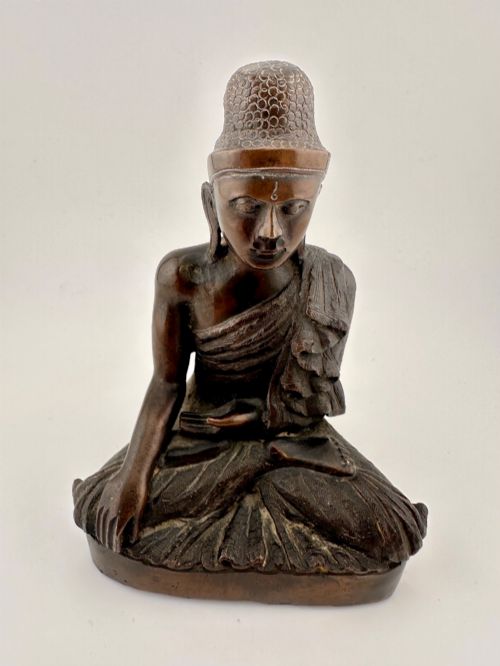
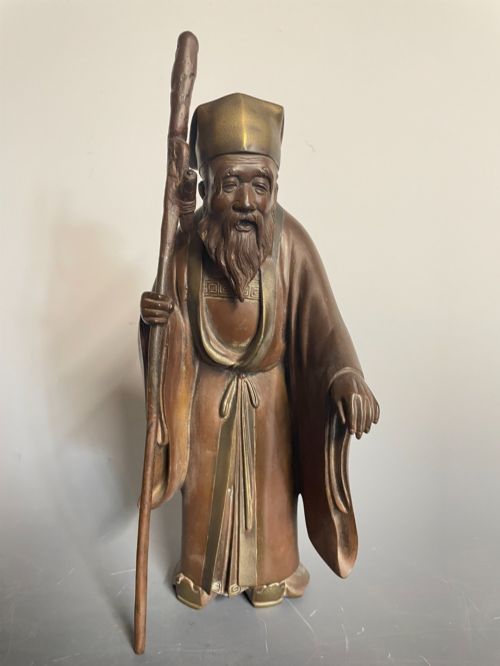
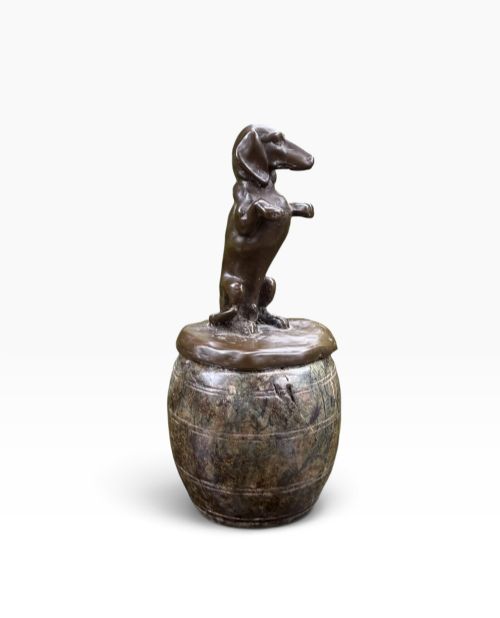
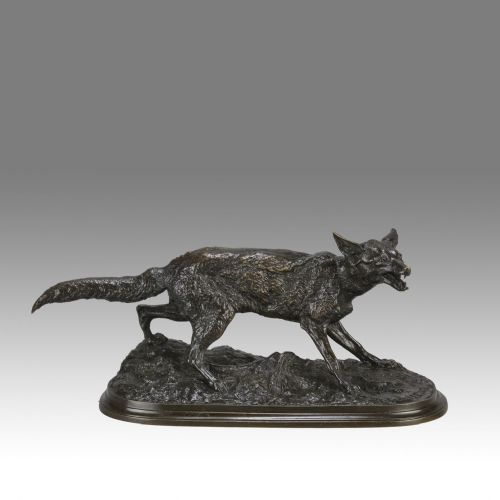
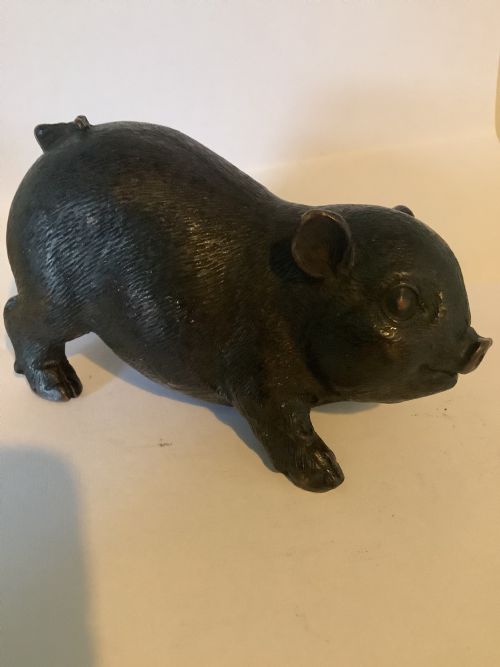
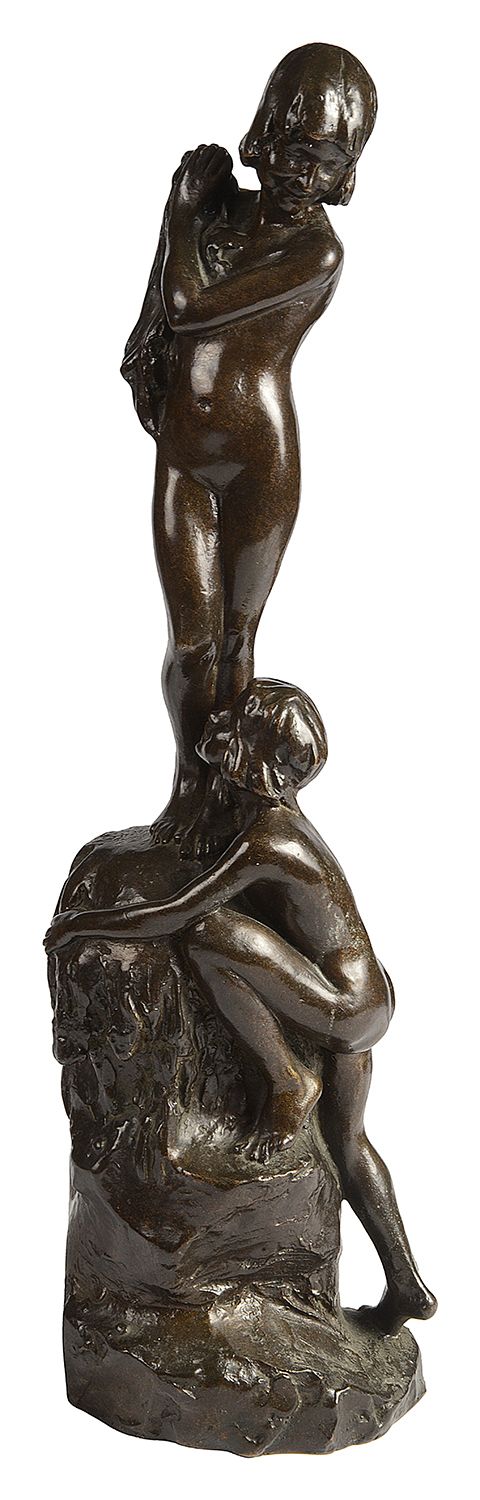
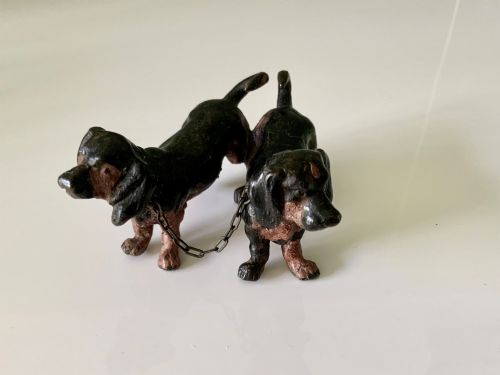
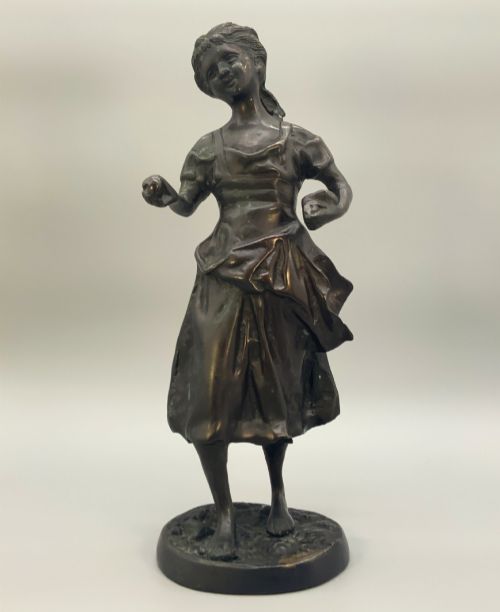
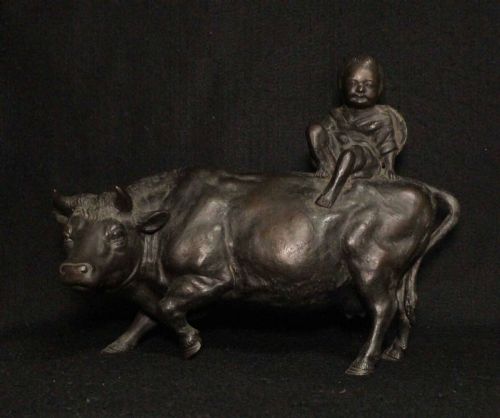
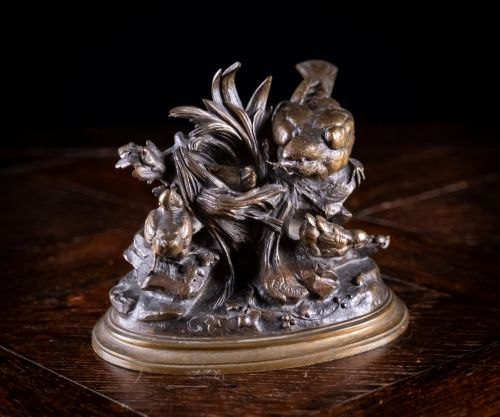
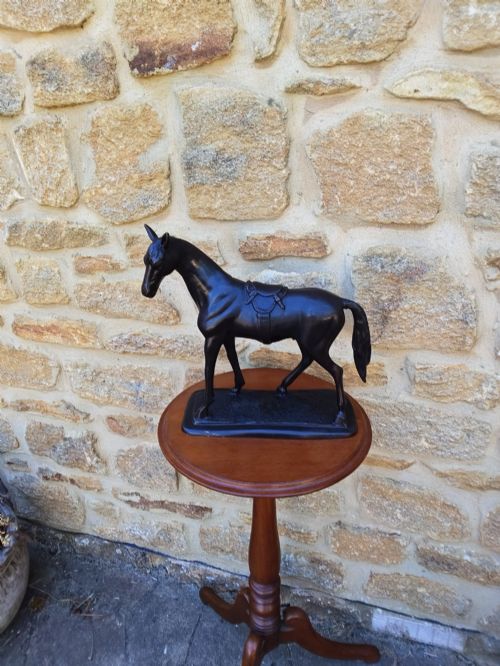
A cast bronze statue represents figures, animals and classical subjects produced across the nineteenth and early twentieth centuries. These works range from small animal studies and Grand Tour souvenirs to substantial portrait busts and figurative groups.
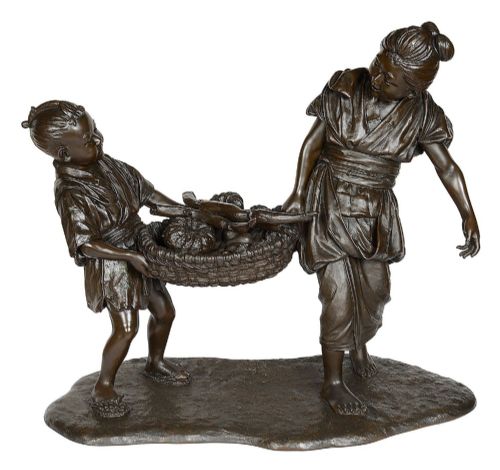
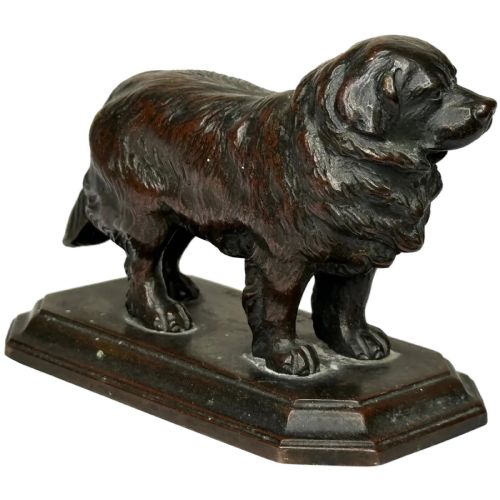
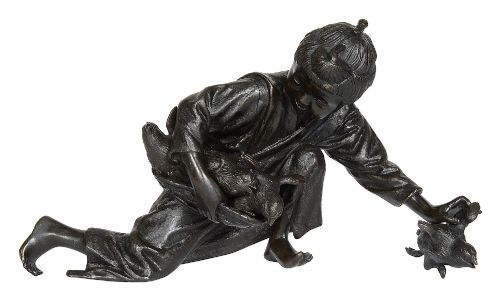
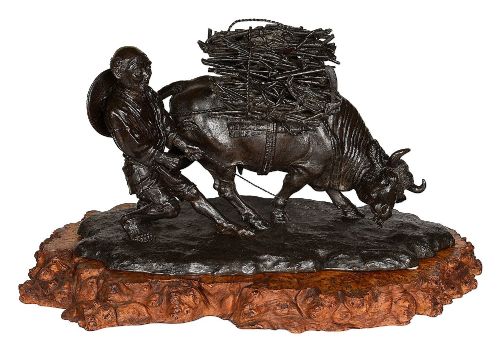
Makers shaped these sculptures in diverse regional traditions, including European Animalier works, Japanese Meiji period castings and Austrian cold-painted novelties. Buyers frequently encounter nineteenth-century French animal bronzes alongside Japanese subject figures on this page.
The variety encompasses depictions of domestic animals, wildlife, mythological figures and historical persons mounted upon marble plinths or naturalistic bases. Each piece preserves the specific aesthetic priorities of its period of origin.

How they were made
Foundries typically utilised the lost-wax method or sand casting to create these metal sculptures from liquid alloy. Artisans then finished the raw metal through chiselling, filing and surface patination.
Many works incorporate secondary materials such as marble for bases, while specific Austrian and Japanese examples feature cold-painted pigments, ivory elements or inset details. The patination ranges from deep brown tones to bright polychrome finishes applied directly over the metal surface.
Cast Bronze Statue Retail Price Guide 2026
Typical asking prices for cast bronze statue among the pieces listed under this phrase on Sellingantiques today, from the lower quarter to the upper quarter. They describe what is for sale here now, not the wider market.
Materials appearing across these sculptures range from patinated bronze and marble plinths to ivory tusks and cold-painted enamel pigments.
What varies in quality
The crispness of detail in the chasing and the subtlety of the chemical patina distinguish superior castings from routine commercial output. A skilled founder preserves the texture of fur, muscle and drapery without softening the underlying forms during clean-up.
Proportion, balance and the quality of the founding metal determine the overall presence of the sculpture. Pieces cast from original models under the direct supervision of the sculptor carry an immediacy that later secondary casts often lack.
P J Mêne·Emmanuel Villanis·Franz Bergman·Alfred Barye·Christophe Fratin·Alfred Dubucand·Antoine L Barye·Louis Emile Cana
The Cast Bronze Statue Glossary
- Animalier
- A nineteenth-century artistic style and movement dedicated to the realistic depiction of animals, particularly in motion. Prominent sculptors worked extensively within this genre to capture anatomical precision.
- Patina
- The surface coloration and sheen developed naturally through age or applied artificially by the founder using chemical treatments. This layer protects the metal and defines the visual tone of the sculpture.
- Grand Tour
- Souvenir sculptures purchased by nineteenth-century travellers visiting classical sites in Italy and Europe. These reductions of famous monuments and antiquities served as educated mementoes.
- Lost-wax casting
- A historic metalworking process where a wax model is melted from a clay mould to leave a cavity for molten bronze. This technique allows for intricate undercut details and thin, even walls.
- Cold-painted
- A decorative technique where enamel or oil paint is applied to an unheated bronze casting. This method was particularly popular in Austrian workshops for small animal figures and Orientalist subjects.
Cast Bronze Statue: Frequently Asked Questions
How do I clean a bronze statue?
Dust the surface regularly with a soft, dry brush to prevent particulate accumulation. Avoid using chemical cleaners, polishes or water, which can strip the original patination.
Apply a very thin coat of microcrystalline wax occasionally if the metal appears dry, buffing it gently with a clean cloth. This protects the bronze from atmospheric moisture without altering its finish.
What is cold-painted bronze?
Cold-painted bronze refers to metal sculptures finished with oil or enamel paint applied directly onto the unheated casting. This technique gained widespread popularity in late nineteenth-century Vienna workshops.
Because the paint is not fired onto the metal like enamel, these surfaces require careful handling to prevent chipping. Collectors look for examples retaining the original polychrome details intact.
How do I identify a Grand Tour bronze?
Grand Tour bronzes were produced as portable souvenirs for nineteenth-century travellers visiting major European antiquities and museums. They typically reproduce famous classical statues, architectural elements or Renaissance masterpieces.
These pieces usually exhibit a warm, dark brown or greenish patination and fine reduction work. They serve as tangible records of nineteenth-century collecting habits and classical education.
What distinguishes Animalier bronzes?
Animalier bronzes focus specifically on the realistic behaviour, anatomy and movement of animals. Sculptors in this tradition observed their subjects directly in menageries and the wild.
Works by leading nineteenth-century practitioners display acute attention to muscular tension and textural accuracy. They represent a significant shift toward naturalism in academic sculpture.