


Cast Bronze Sculpture
When you search for cast bronze sculpture, you encounter enduring metal figures shaped by fire and hand, prized for weight, detail and historical presence.
Cast Bronze Sculpture
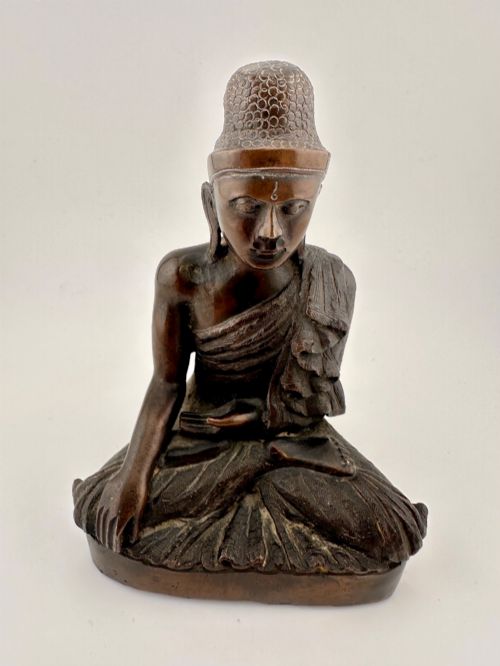
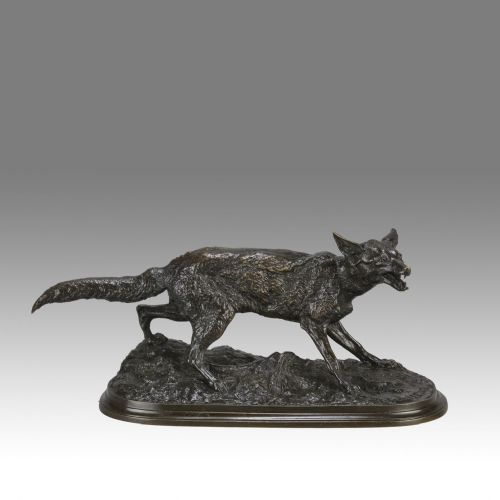
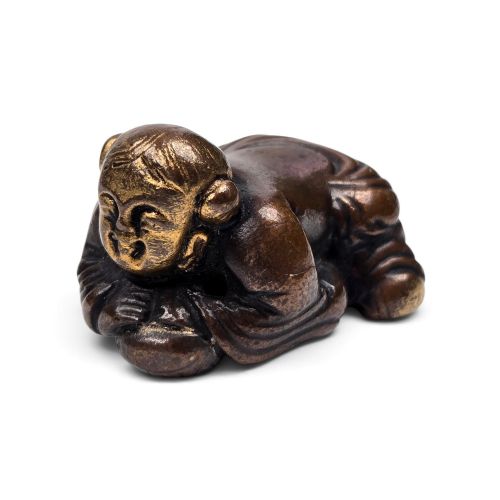
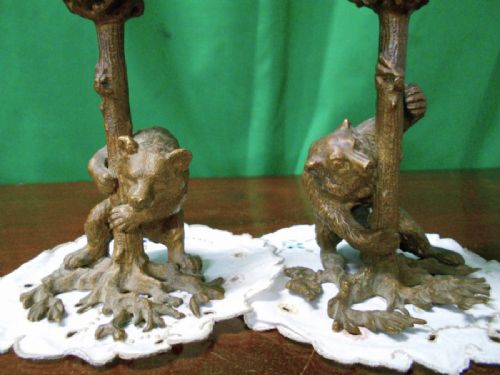
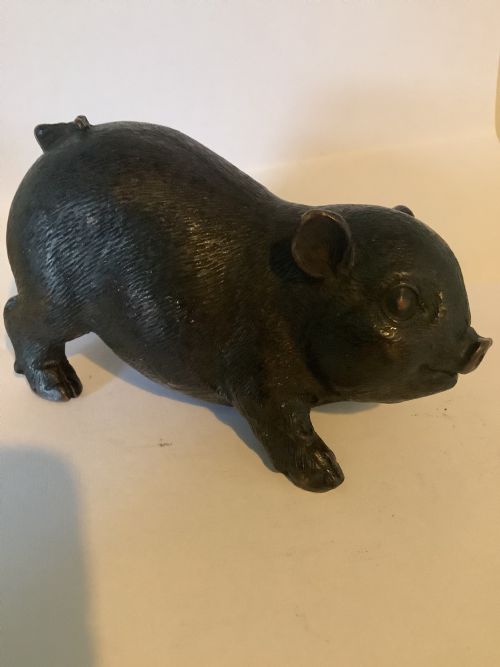
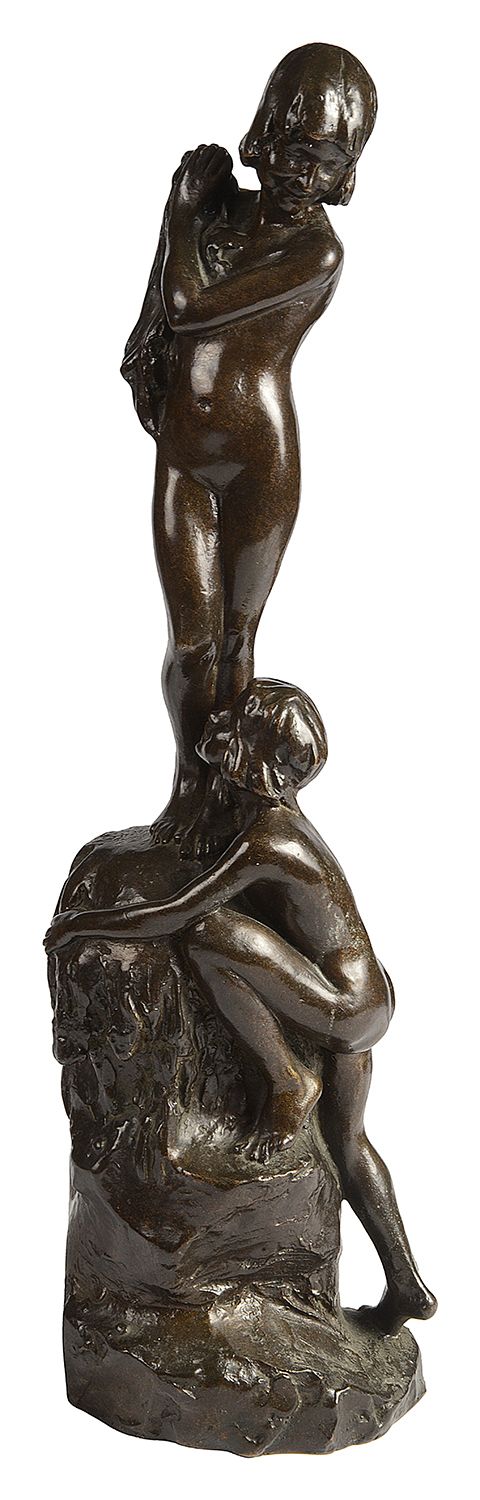
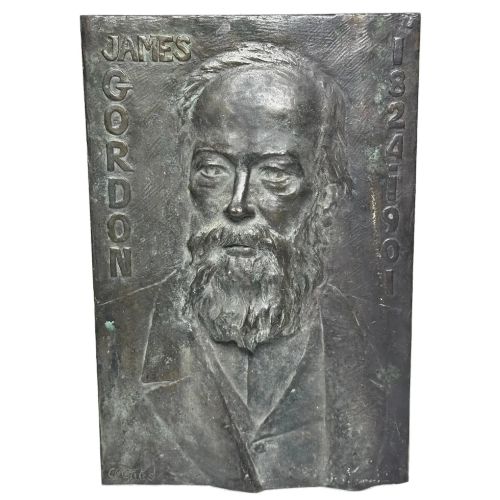
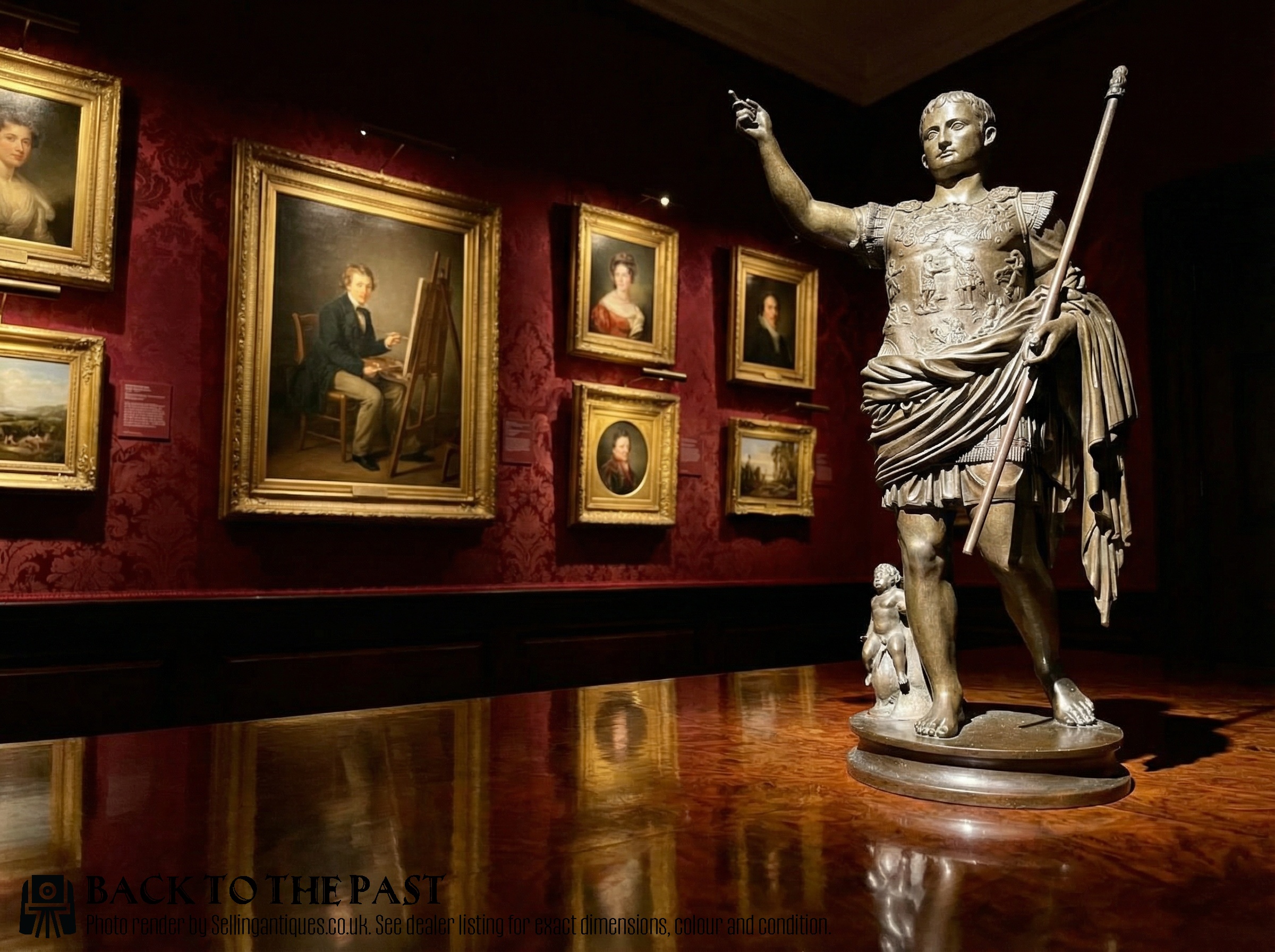
A cast bronze sculpture captures subjects ranging from classical figures and human portraits to animal studies and decorative mounts. These pieces span centuries of artistic output, originating from European foundries, Asian workshops and Grand Tour travels.
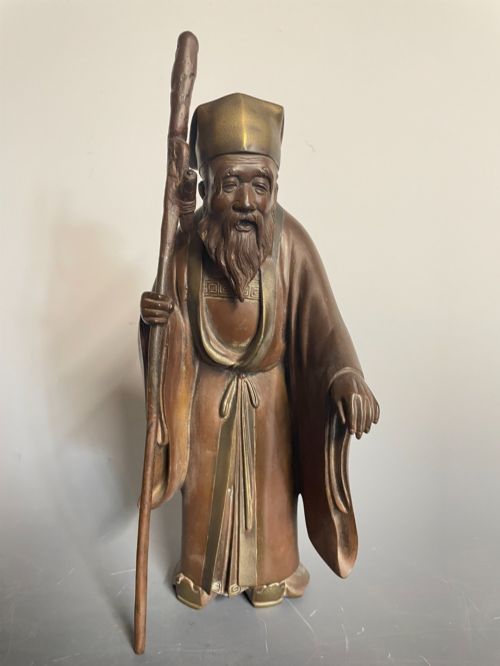
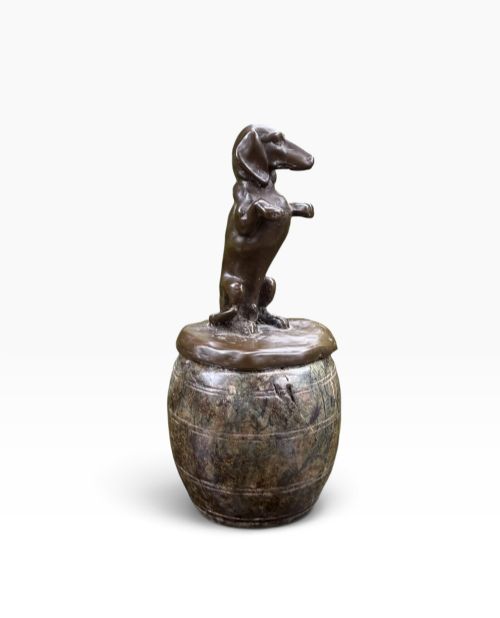
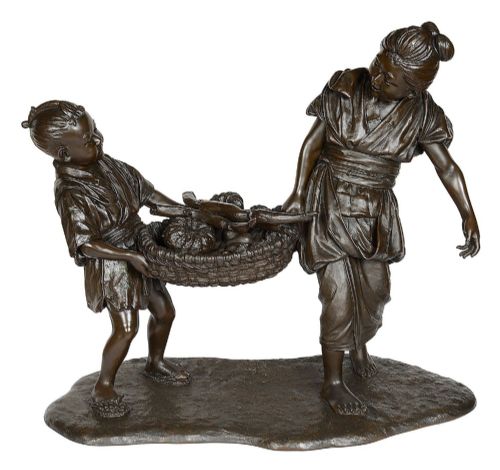
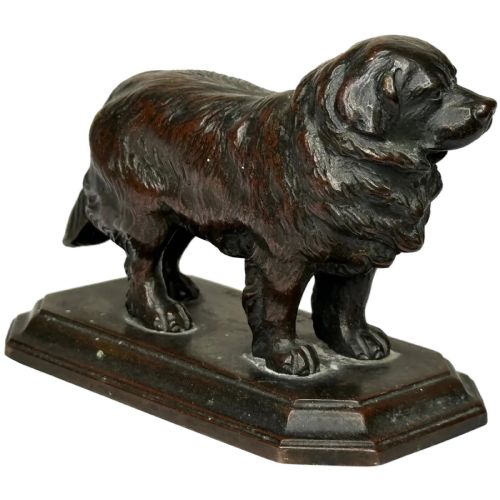
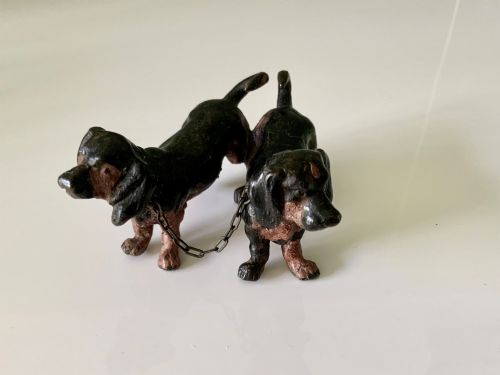
The selections encountered most frequently on this page belong to the nineteenth and early twentieth centuries. Animalier subjects, Japanese Meiji works and patinated architectural or domestic figures appear regularly among the listed items.
Buyers select these objects for their lasting presence in a room, their tactile weight and the distinct character developed by aged metal surfaces. Each piece reflects the sculptural conventions of its period and region.
Materials and construction methods
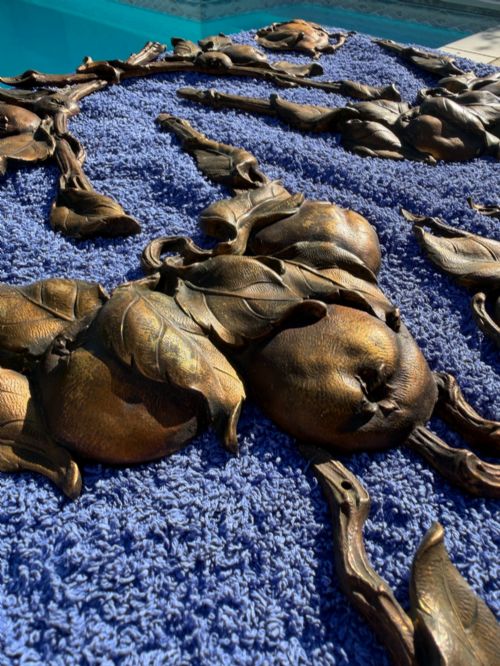
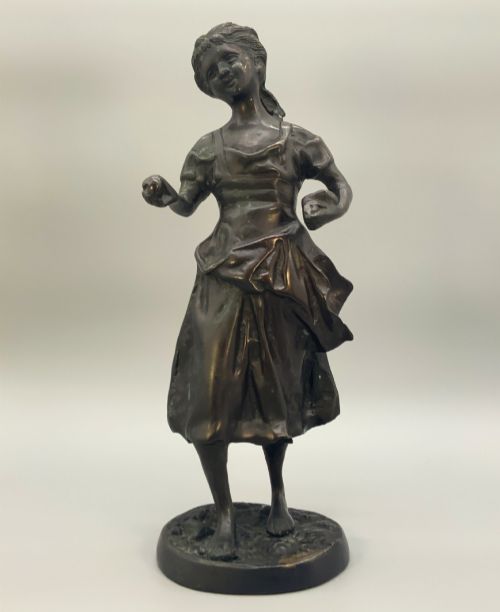
Finishing treatments defined the visual character of the metal through applied patinas, fire-gilding or cold-painting in polychrome pigments. Bases of marble, wood or integrated metal rockwork frequently anchored the heavier sculptural compositions.
Cast Bronze Sculpture Retail Price Guide 2026
Typical asking prices for cast bronze sculpture among the pieces listed under this phrase on Sellingantiques today, from the lower quarter to the upper quarter. They describe what is for sale here now, not the wider market.
Listings feature nineteen-century Animalier studies alongside Meiji period Japanese bronzes and Italian Grand Tour models.
Distinctions in craftsmanship
Quality rests upon the crispness of the chasing work after casting, where skilled hands recovered fine textures in hair, feathers and fabric. Lesser examples exhibit softened details and smoothed junctions resulting from worn moulds or hurried finishing.
The depth and subtlety of the patination layer further differentiate standard works from superior productions. A thoughtfully applied patina interacts with light across the contours, whereas inferior surfaces often appear flat or uniformly opaque.
Poix Blin·P J Mêne·E A Clapp·Alice Gates·Moreau Family·Tsunemitsu·Louis Emile Cana·Eugene Canneel·E Villanis·Frederic Remington·Michelangelo·Christophe Fratin·Antoine L Barye·Franz Bergman·Alfred Boucher·Susse Frères
The Cast Bronze Sculpture Glossary
- Animalier
- A term describing nineteenth-century sculptures focusing on animals, particularly wild beasts and domestic hounds in dynamic or resting poses. These works relied on close anatomical observation.
- Patinated Bronze
- Metal treated with chemical solutions to produce a controlled surface coloration ranging from deep brown to green. This layer protects the alloy and enhances sculptural depth.
- Grand Tour
- Souvenir pieces acquired by travellers visiting classical sites in Italy during the eighteenth and nineteenth centuries. They typically miniaturised famous antiquities or Renaissance monuments.
- Cold-painted
- Pigment applied to a metal surface without subsequent high-temperature firing. Austrian foundries utilised this technique extensively on small decorative animal figures.
- Chasing
- The process of hand-finishing a cast metal object using hammers and punches to clear away flaws and sharpen surface details. Superior chasing distinguishes master foundry work.
Cast Bronze Sculpture: Frequently Asked Questions
How do I clean a bronze sculpture?
Dust the surface gently with a soft, dry brush to remove settled particles without disturbing the underlying patina. Avoid chemical cleaners, water or abrasive cloths that can strip away historic surface treatments.
Apply a very thin coat of microcrystalline wax occasionally if the metal requires protection against atmospheric moisture. Buff the wax off thoroughly with a clean cloth to maintain a soft sheen rather than a glossy finish.
What is an Animalier bronze?
An Animalier bronze depicts animals in realistic poses, capturing creatures such as lions, stags, dogs and birds with anatomical precision. This genre gained immense popularity in nineteenth-century France through the work of specialised sculptors.
These pieces range from small desk ornaments to large dramatic groups depicting predators and prey. Collectors value them for their vitality and the technical skill required to render musculature in rigid metal.
How can I date an old bronze?
Examine the character of the casting, the style of the base and the composition of the patina for clues regarding age. Early pieces often show hand-chasing marks left by artisans refining the raw metal after it left the mould.
Signatures, foundry stamps and registration marks cast into the metal provide further historical markers. Comparing the style of dress, subject matter or mounting materials against documented periods helps narrow down the decade of creation.
Why do bronzes have different colours?
The colour variations on a bronze sculpture result from chemical patination applied by the artisan or foundry. Different acid formulas react with the copper alloy to create shades of deep brown, black, green or golden ochre.
Over decades, handling and exposure to air also alter the surface tone naturally, creating highlights on high points. This gradual evolution gives older metal objects a depth that modern replicas cannot replicate.