


Cased Victorian Silver Cutlery
These cased victorian silver cutlery sets provide complete matched dining implements safely nestled in custom velvet and silk fitted boxes.
Cased Victorian Silver Cutlery
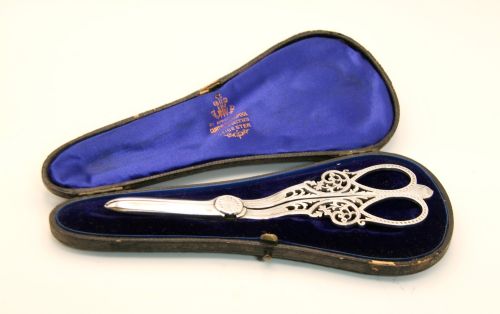
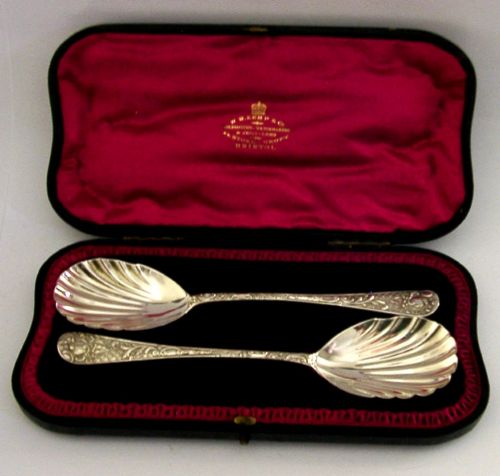
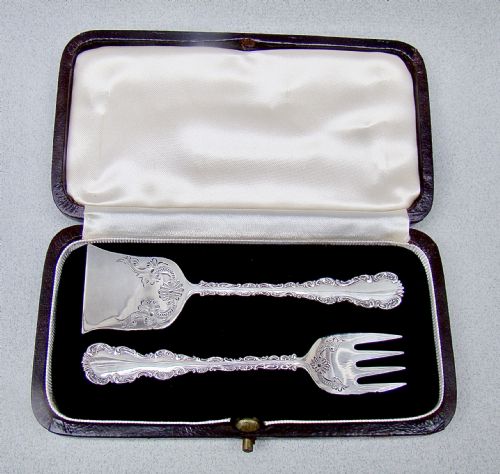
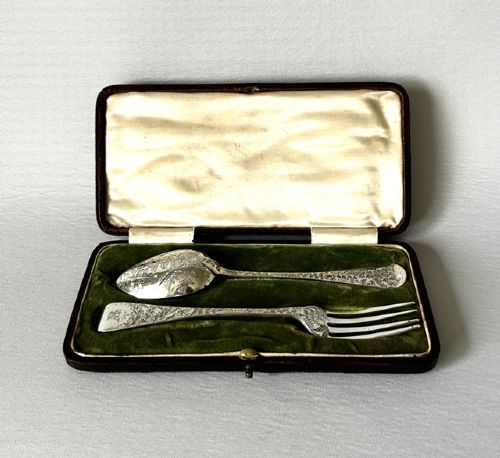
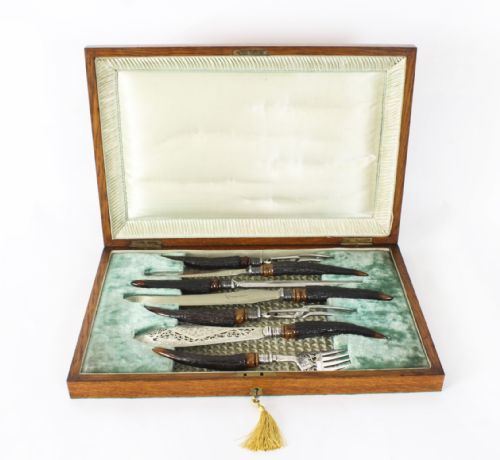
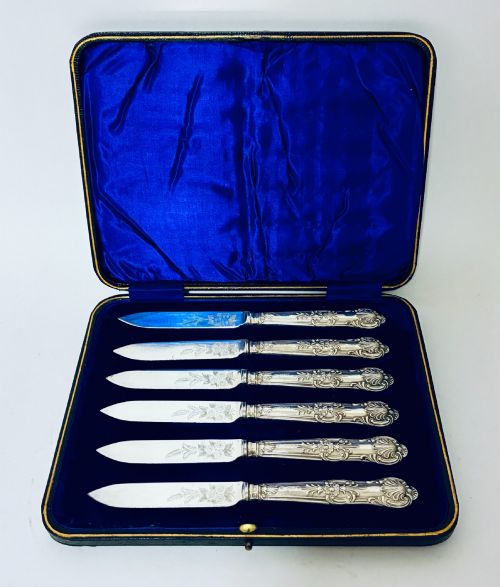
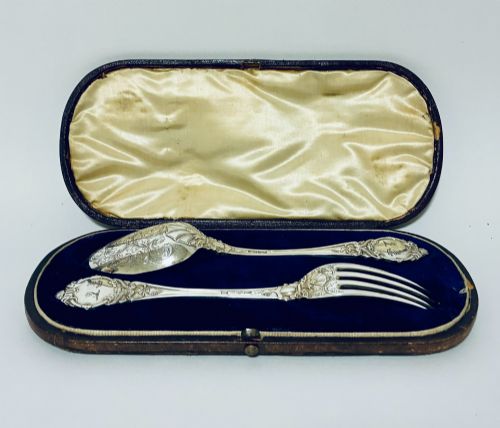
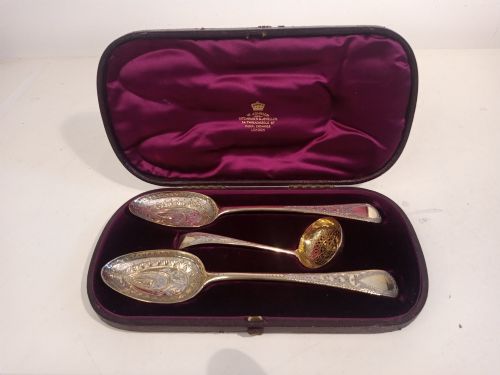
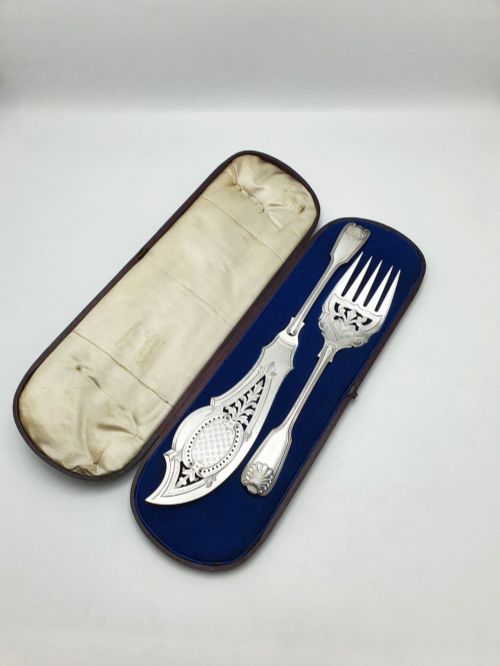
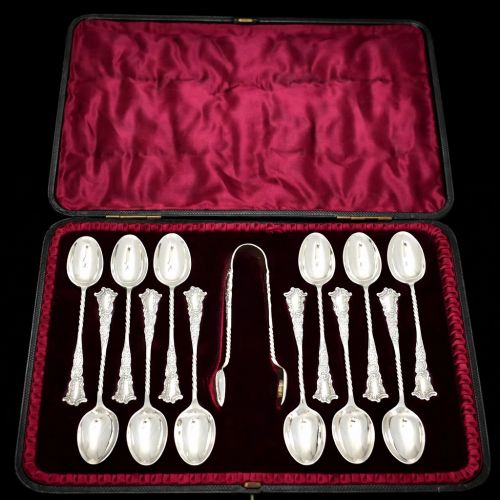
When searching for cased victorian silver cutlery, buyers encounter formal presentation sets housed in dedicated boxes lined with velvet, satin, or silk. These encompass specialised serving pieces such as fish servers, grape shears, sardine servers, and fruit sets alongside christening sets and flatware.
The selections span the nineteenth century into the Edwardian era, featuring styles from late Victorian to art nouveau and campaign forms. Most pieces originate from English workshops and provincial centres like Sheffield and Birmingham.
Sets range from single pairs of butter knives to extensive multi-piece canteens and fruit sets complete with nutcrackers. They reflect the formal dining habits of the period, preserved inside leatherette or wooden cases.
Materials and construction methods
Implements are forged from sterling silver or silver plate, frequently paired with handles carved from mother-of-pearl, antler horn, or porcelain. Metal components often display chased or engraved ornamentation, sometimes highlighted with parcel gilding.
Cases are constructed from wood or rigid card covered in leatherette, lined internally with moulded velvet, silk, or satin to snugly secure each individual utensil.
Listings feature sterling silver and silver plate items accompanied by velvet, silk, and leatherette presentation cases spanning the Victorian and Edwardian eras.
Distinctions in craftsmanship and preservation
Quality rests upon the crispness of the engraved or cast detailing on the silver blades and handles, alongside the structural integrity of the fitted case. Complete sets retaining their original interior lining and matching utensils command greater appreciation.
The choice of handle material, such as finely polished mother-of-pearl or natural antler horn, alongside substantial gauge silver rather than thin plating, determines the grade of the piece.
Henry Wilkinson·Carrington·Hukin & Heath
The Cased Victorian Silver Cutlery Glossary
- Sterling silver
- A silver alloy containing 92.5 percent pure silver by mass, standard for quality British tableware.
- Silver plate
- A base metal substrate coated with a thin layer of silver, providing the visual appeal of solid silver at a different scale.
- Berry spoon
- A large serving spoon with a bowl heavily embossed and engraved with fruit and foliage, popular for serving soft fruits.
- Grape shears
- Specialised scissors designed specifically for severing clusters of grapes at the table without damaging the fruit.
- Christening set
- A matched grouping typically comprising a knife, fork, and spoon presented as a traditional gift for an infant.
Cased Victorian Silver Cutlery: Frequently Asked Questions
What pieces are in a christening set?
A christening set generally comprises a small knife, fork, and spoon tailored for an infant's initial use. These are frequently presented together inside a fitted velvet-lined box.
Such sets often feature engraved decoration on the handles and matching hallmarks indicating the year of production.
How do I identify a Victorian fish server?
Fish servers consist of a broad flat knife and a matching large fork, both shaped to handle delicate fish portions cleanly. The blades frequently display pierced scrollwork and detailed engravings of aquatic themes.
Handles on these pieces are often made from carved mother-of-pearl, bone, or silvered metal to match the fitted presentation case.
Are these sets meant for daily use?
While originally designed for formal dining occasions, these utensils can be utilised carefully for special meals. Hand washing is essential to preserve the delicate materials like silk linings and mother-of-pearl handles.
Storing the items back in their original fitted cases protects the silver from tarnish and safeguards the handles from impact.
What is the difference between sterling and plate?
Sterling silver is solid metal bearing standard British hallmarks indicating its high purity standard. Silver plate consists of a base metal coated with a thin layer of silver.
Both materials appear frequently in period cased sets, offering distinct tactile weights and cleaning requirements.