
Cased Silver Spoons
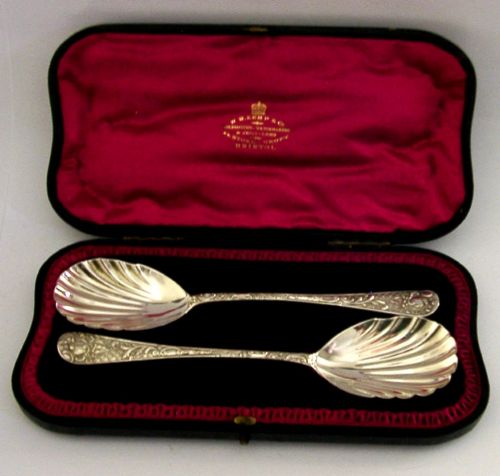
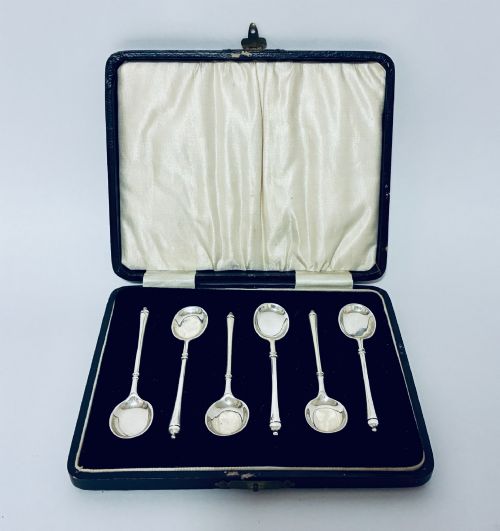
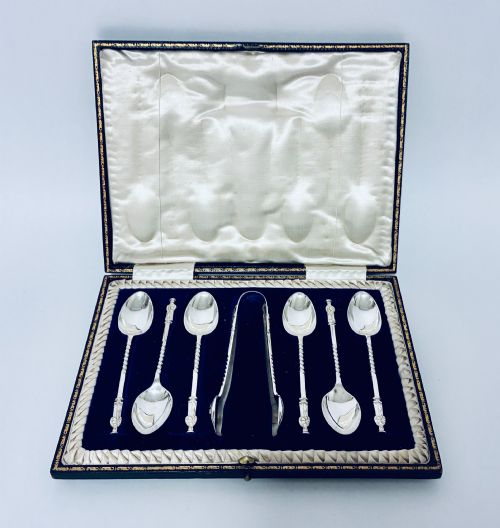
These cased silver spoons bring together matched dining implements and their original fitted presentation boxes from past centuries.
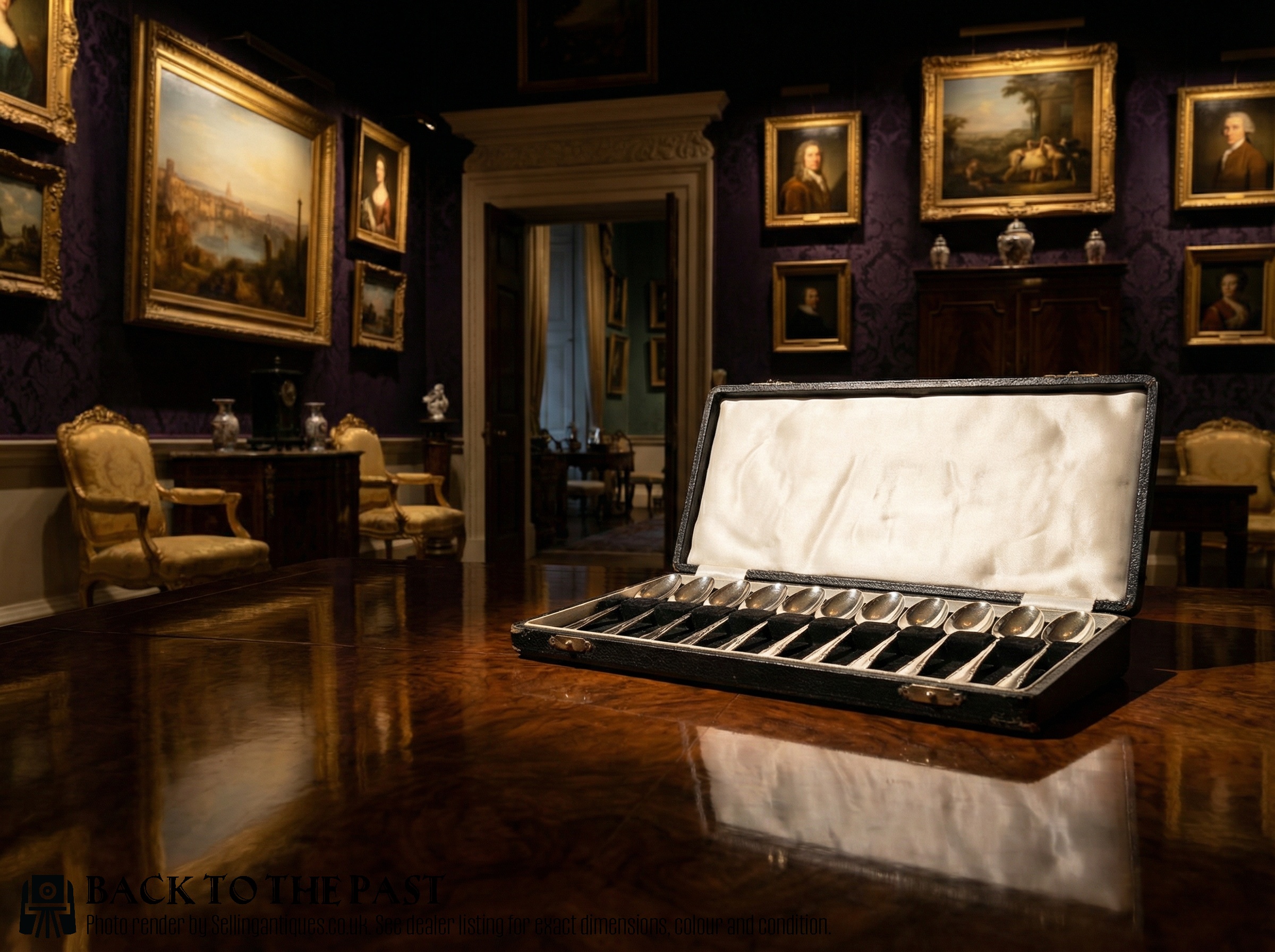
Cased Silver Spoons
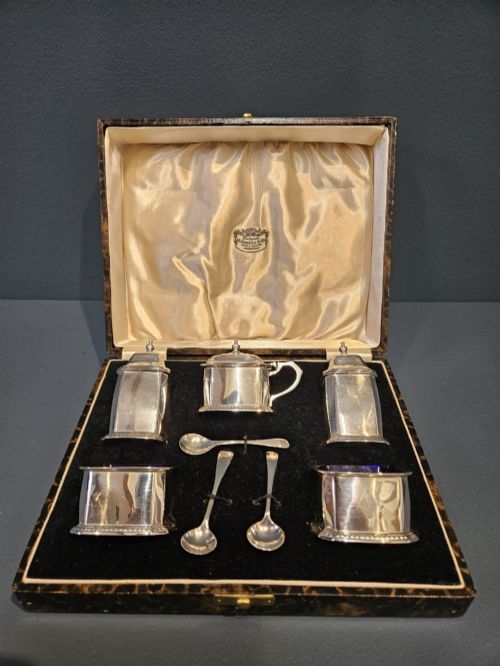
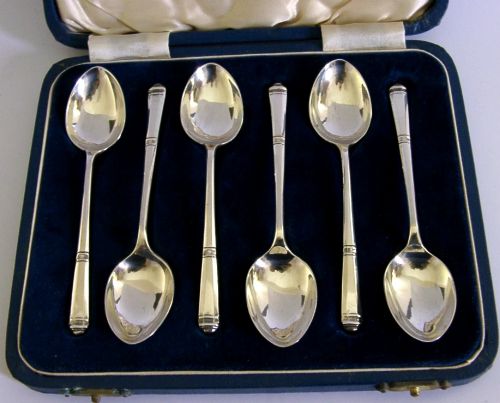
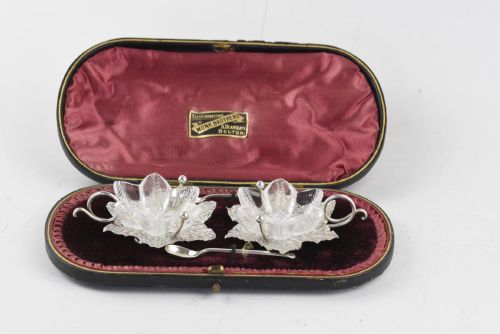
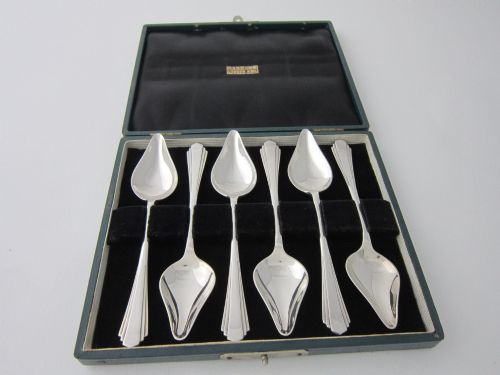
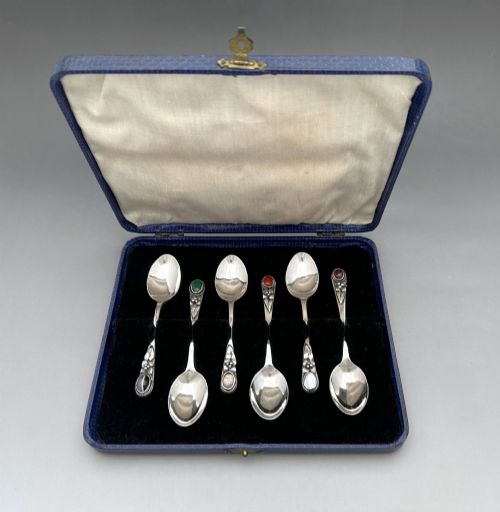
When you search for cased silver spoons, you encounter matched sets of cutlery housed in protective boxes lined for presentation. These objects span from Georgian and Victorian periods through the Edwardian era and into Art Deco designs.
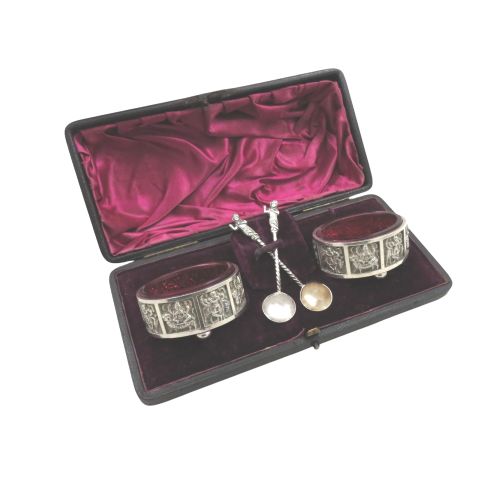
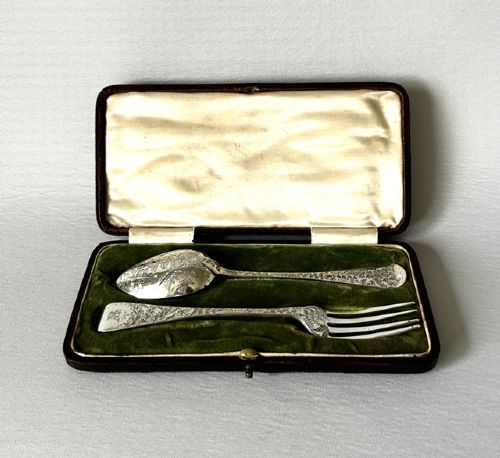
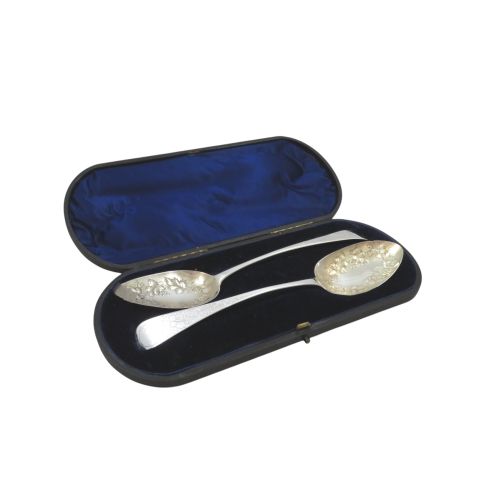
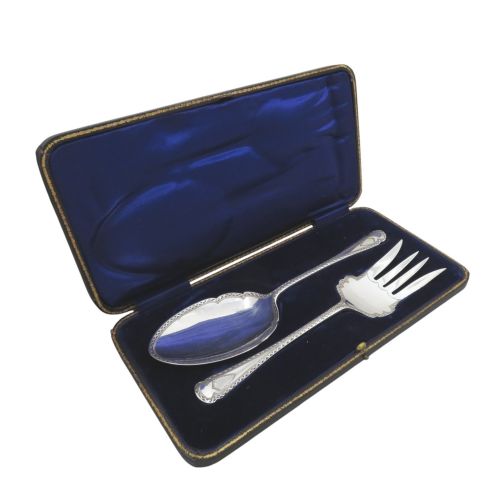
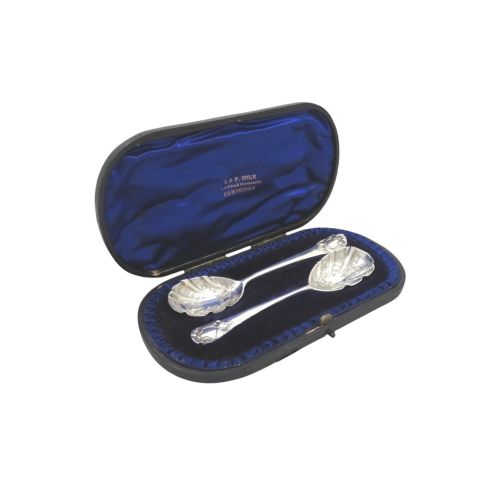
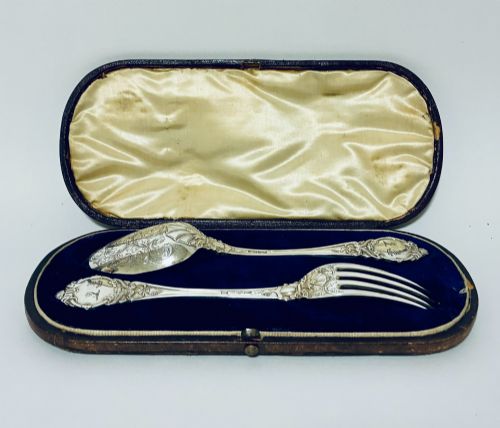
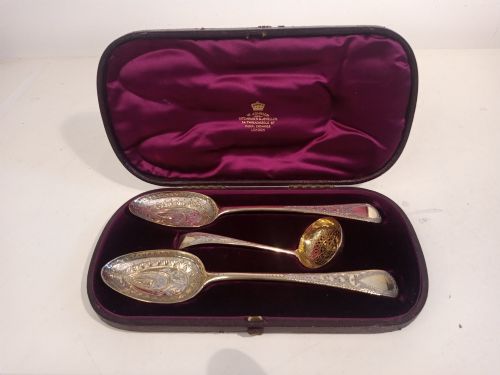
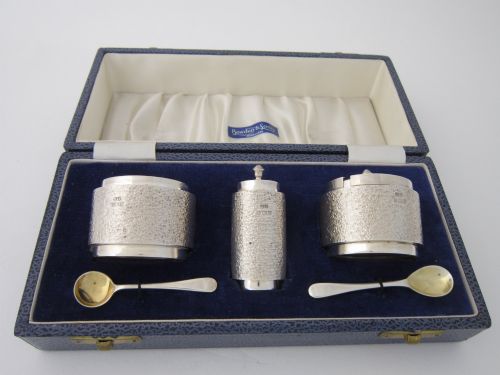
The selections on this page include individual christening sets, berry spoons, coffee spoons, and larger cruet or condiment collections. Many retain fitted interiors designed specifically to hold the utensils securely in place during storage.
How they were made
Silversmiths shaped the utensils from sterling silver, frequently applying parcel gilt finishes or enamel work to the bowls and handles. Artisans utilised techniques such as piercing, engraving, and casting to decorate the stems with motifs ranging from floral patterns to animal figures.
The protective outer cases combine rigid wooden or cardboard frames covered in materials like leather, leatherette, or velvet. Interiors feature soft linings of silk, satin, or velvet moulded to fit the exact contours of the spoons and associated tongs.
Cased Silver Spoons Retail Price Guide 2026
Typical asking prices for cased silver spoons among the pieces listed under this phrase on Sellingantiques today, from the lower quarter to the upper quarter. They describe what is for sale here now, not the wider market.
The inventory includes teaspoons, coffee spoons, berry spoons, salt cellars, and complete condiment cruet sets.
What varies in quality
The standard of these pieces depends upon the weight of the silver and the crispness of the handle ornamentation. Heavier gauge metal resists bending during use, while sharply defined chasing and engraving indicate skilled handwork rather than simple stamping.
The preservation of the presentation case also influences the overall desirability of the set. Original hinges, intact internal silk linings, and working clasps maintain the integrity of the ensemble.
Goldsmiths & Silversmiths·Josiah Williams & Co·Henry Clifford Davis·Walker & Hall·John Locker·Bateman
The Cased Silver Spoons Glossary
- Berry spoon
- A large serving spoon with an embossed and engraved bowl decorated with fruit and foliage, typically dating from the Georgian or Victorian periods.
- Apostle spoon
- A spoon featuring the figure of an apostle cast or chased on the terminal of the handle, often produced in sets.
- Gilding
- The application of a thin layer of gold to the surface of the silver, creating a contrasting two-tone effect known as silver gilt.
- Guilloche enamel
- Decorative metalwork covered with translucent enamel over an engine-turned or intricately engraved background pattern.
- Cruet set
- A matched group of small containers and spoons used for holding condiments at the dining table.
Cased Silver Spoons: Frequently Asked Questions
What were cased silver spoons used for?
These sets served primarily for formal dining, special tea services, and gift-giving on occasions such as christenings and weddings.
Families kept them stored in their original presentation boxes for safe preservation between ceremonial meals.
How do I identify the date of a set?
Makers rely on hallmarks stamped directly onto the silver, which include symbols for the assay office, date letters, and maker's marks.
Comparing these punches against official registry records reveals the exact year and location of manufacture.
How should I store boxed silver?
Keep the presentation box in a stable environment away from direct sunlight and excessive humidity to protect both the metal and the internal linings.
Avoid using abrasive cleaning compounds that might wear away delicate engraving or gilding on the spoons.
Are enamel spoons fragile?
Enamel surfaces require careful handling because sharp impacts can cause the glass paste to chip or fracture from the silver base.
Storage inside fitted presentation slots helps prevent the utensils from rubbing against each other.