

Cased Tableware
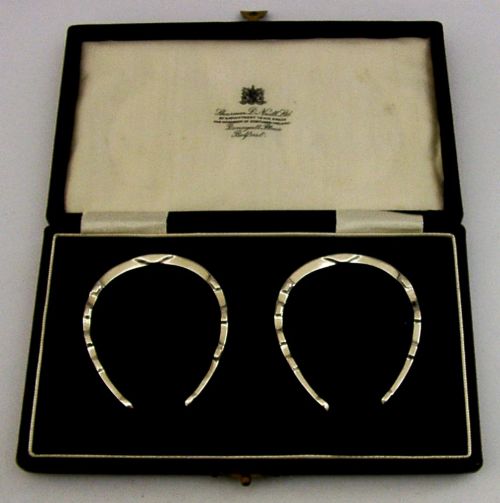
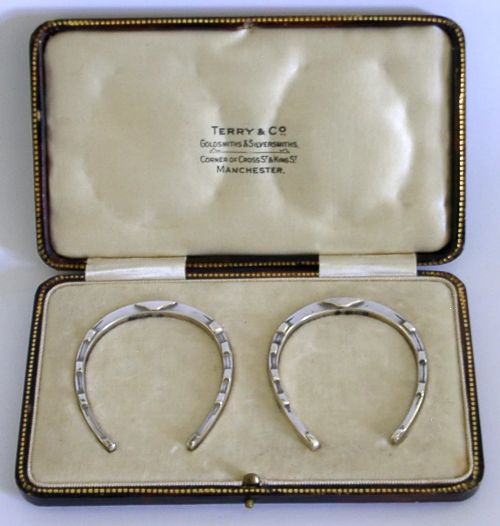
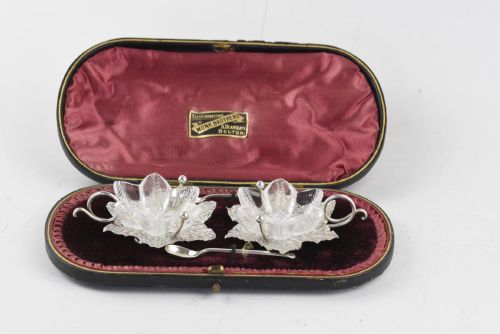
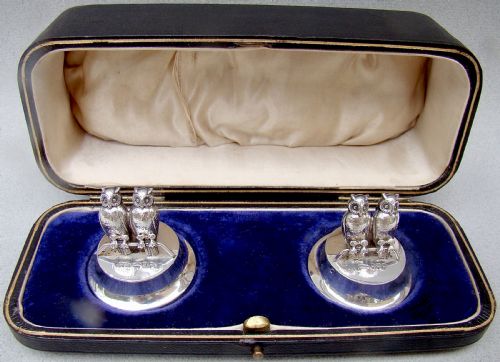
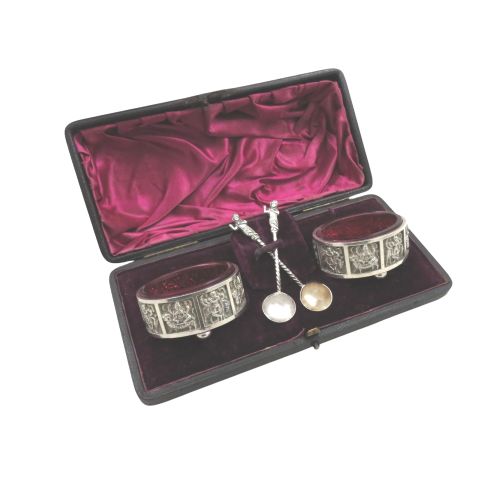
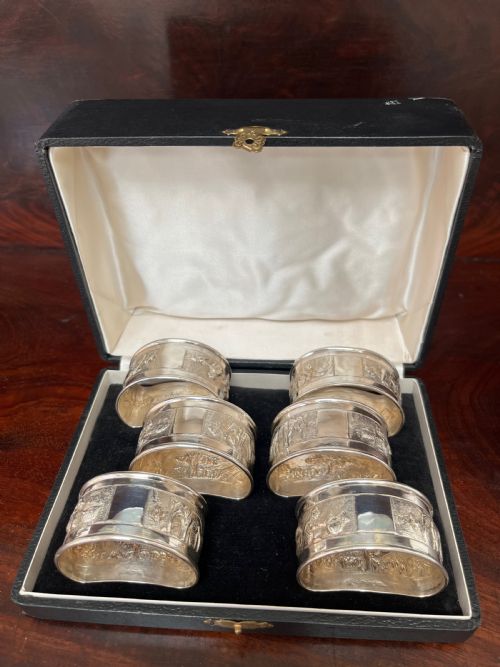
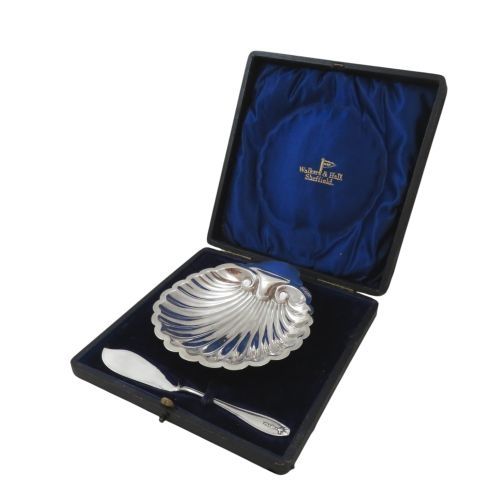
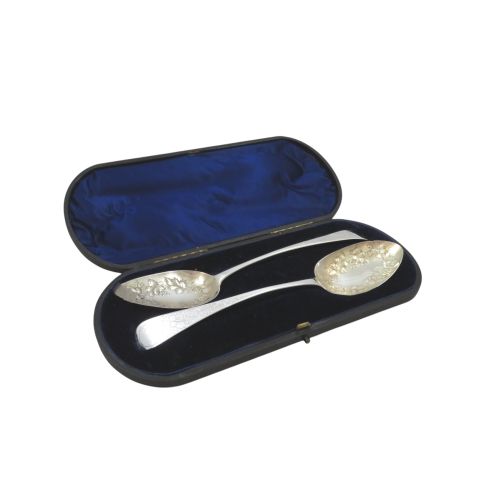
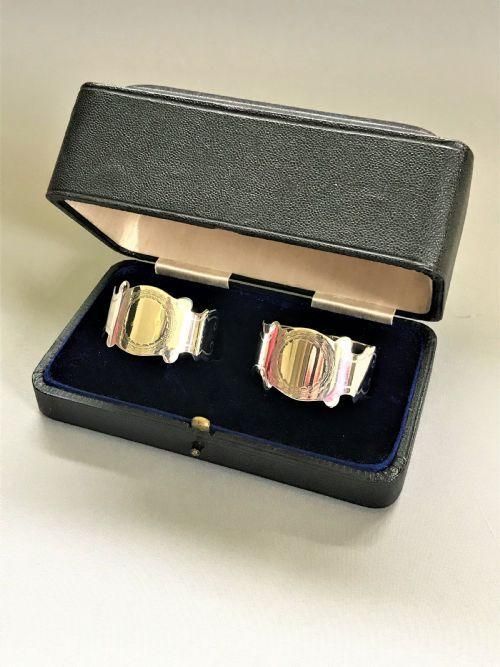
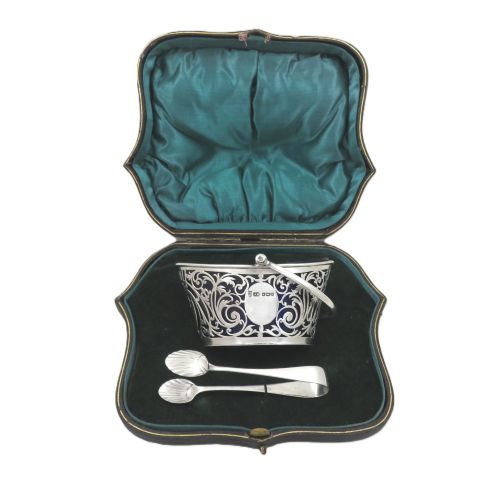
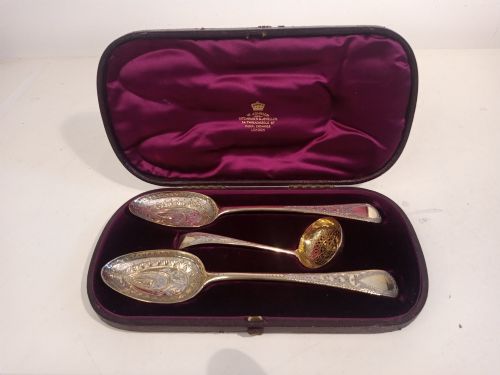
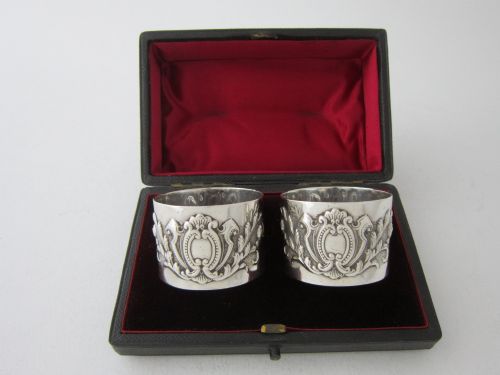
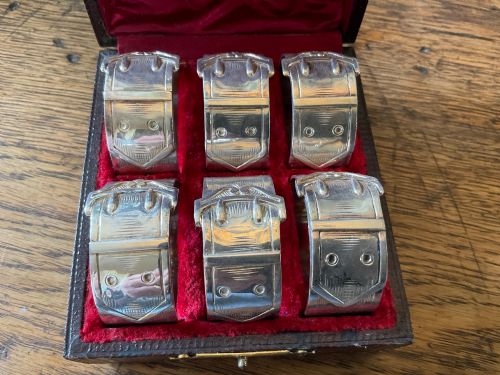
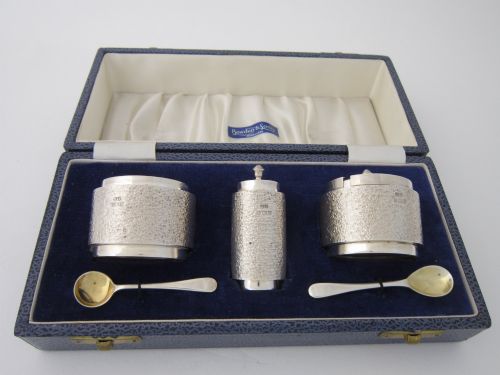
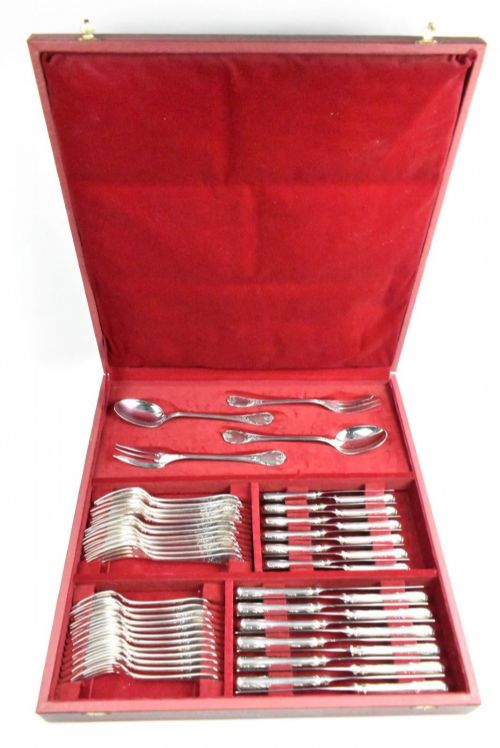
Cased antique tableware consists of fitted boxes holding silver and plated dining pieces like napkin rings, salts, and berry spoons.
Cased Tableware
Cased antique tableware comprises fitted presentation sets designed to protect fine dining implements when not in active use on the dining table. These boxed assemblages span the Victorian, Edwardian, and Art Deco eras, preserving items in original enclosures lined with silk and velvet.
Napkin rings, salt cellars, berry spoons, and grape scissors form the most frequent items encountered within these fitted containers. Such sets were typically given as wedding gifts or presentation pieces, which accounts for their survival in remarkably preserved condition.
The materials enclosing these utensils range from simple leatherette to fitted wooden boxes lined with silk or velvet to cradle the silver contents. Exterior shells often display modest embossing or plain finishes suited to the domestic interior of the period.
How They Were Made
The dining utensils within these sets utilise solid sterling silver or silver plate, shaped through casting, stamping, and hand-engraving by silversmiths. Glass liners accompany salt cellars, while knife rests combine cut glass with silver terminals.
Presentation cases rely on sturdy wooden carcasses covered in leather, leatherette, or cloth, then fitted internally with moulded velvet and silk linings. Hinges and clasps in brass secure the fitted enclosures to protect the metalwork from tarnishing and impact.
Victorian silversmiths designed specific grape scissors with articulated snake handles to gracefully sever fruit stems at the dinner table.
What Varies in Quality
The distinction between ordinary sets and superior examples rests upon the weight of the silver and the intricacy of the decorative motifs. Hand-engraved handles, figural elements like owls or Hindu deities, and matched original components elevate a set above plain production items.
The preservation of the original fitted box significantly influences the desirability of the piece. Cases retaining intact silk linings, functional clasps, and undamaged leather exteriors provide the complete context intended by the original maker.
Levi & Salaman·William Neale·Christofle Marly·The Goldsmiths & Silversmiths·C.T. Burrows & Sons·Harrods·Mappin & Webb
The Cased Tableware Glossary
- Sterling silver
- A silver alloy containing 92.5 percent pure silver and 7.5 percent other metals, usually copper, ensuring durability for tableware. This standard was widely utilised by British silversmiths.
- Silver plate
- A base metal substrate coated with a thin layer of pure silver. This method offered an accessible alternative to solid silver for larger dining services.
- Salt cellar
- A small open vessel used to hold table salt before the invention of free-flowing salt. They often feature blue glass liners to protect the metal from corrosive salt.
- Berry spoon
- A large spoon with an embossed and engraved bowl, designed for serving soft fruits. These pieces frequently date from the Georgian and Victorian periods.
- Knife rest
- A small support used to keep carving or dining knives elevated above the tablecloth between courses. They often incorporate cut glass bars with silver ends.
Cased Tableware: Frequently Asked Questions
What items are found in these sets?
These fitted boxes commonly contain matching napkin rings, salt cellars with spoons, berry spoons, and grape scissors. Specialised sets for butter, sugar, and condiment service also appear.
Most items are fashioned from sterling silver or silver plate, accompanied by glass liners where appropriate for condiments or salts.
How should I store cased tableware?
Keep the fitted box in a stable environment away from direct sunlight and excessive humidity to protect the delicate silk and velvet linings. Proper air circulation prevents moisture buildup that causes the silver to tarnish.
Leave the utensils inside their designated slots within the case to avoid scratches and friction between individual pieces.
How do I identify the date of a set?
Examine the individual silver pieces for British hallmarks, which include assay office marks, date letters, and maker's marks stamped directly into the metal. These stamps provide precise indicators for the year of manufacture.
Stylistic cues such as Aesthetic Movement engraving or Art Deco geometric lines further narrow down the era when hallmarks are absent or worn.
Were these sets intended for everyday use?
Presentation sets were primarily acquired as wedding presents, christening gifts, or commemorative items reserved for formal dining occasions. Their protective cases ensured they remained pristine for special gatherings.
Consequently, many survive with minimal wear, retaining the crisp detail of their original hand-engraving and structural integrity.