


Edwardian Silver Serviette Rings
Edwardian silver serviette rings are neat table accessories designed for personal dining, combining practical utility with the fine craftsmanship of the early twentieth century.
Edwardian Silver Serviette Rings
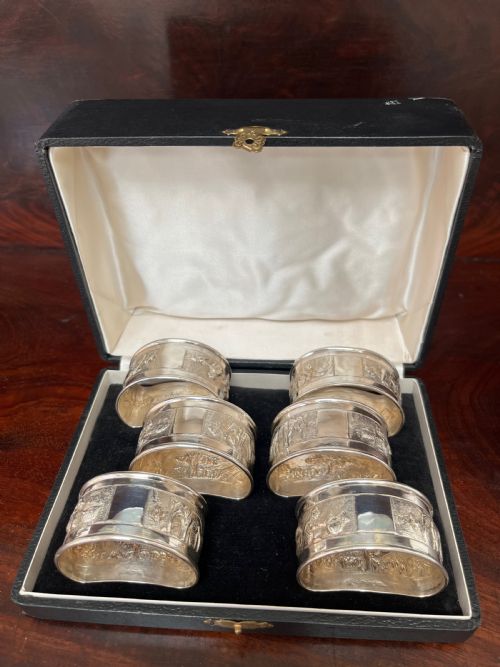
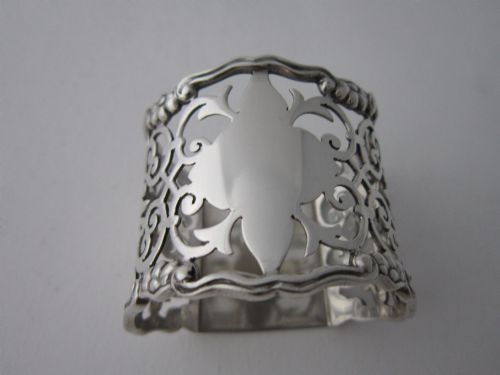
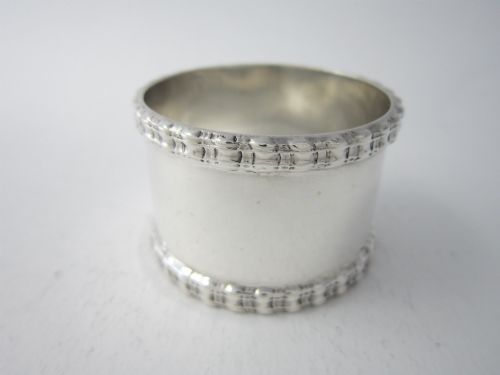
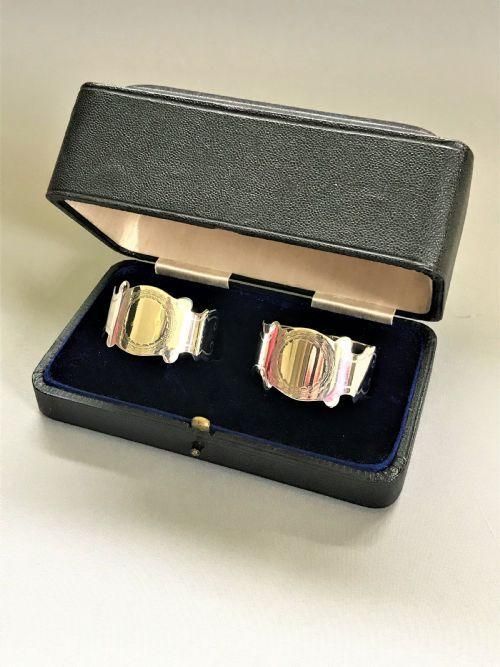
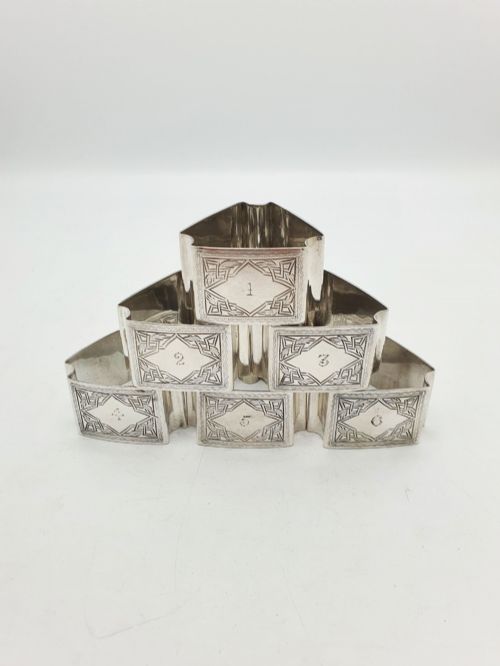
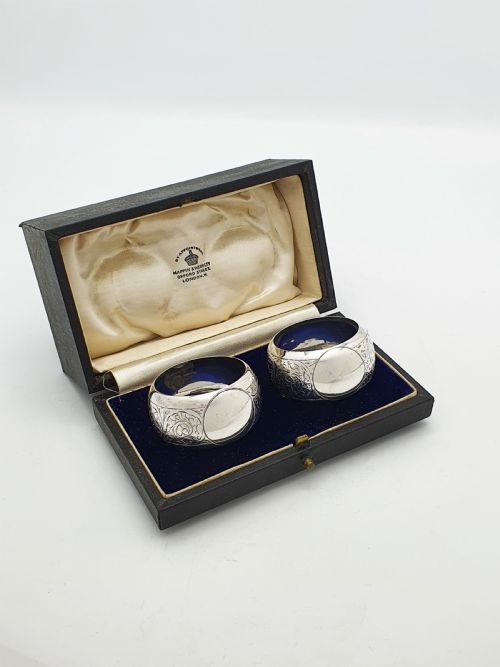
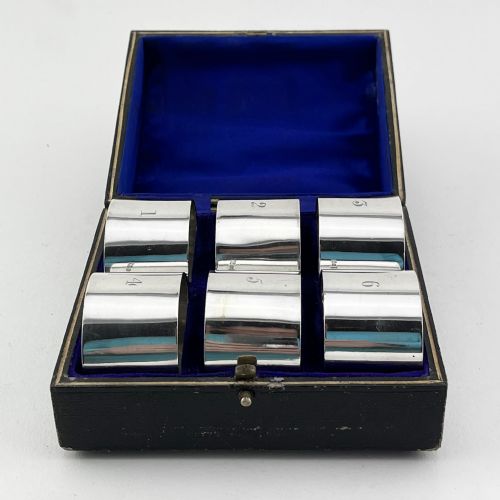
When you examine Edwardian silver serviette rings, you are looking at small personal table rings designed to hold individual table linen at dinner. The pieces seen here encompass single examples, matched pairs, and full cased sets often resting in silk-lined or velvet-fitted boxes.
The form stretches beyond the Edwardian period itself, pulling in George V years, Victorian designs, and later mid-century items. Alongside sterling silver and silver plate, you encounter pewter and striking enamel work executed in distinctive Arts and Crafts styles.
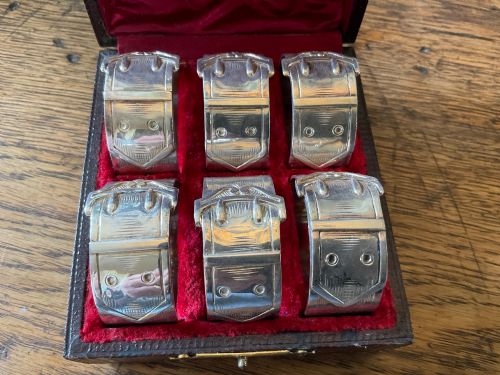
Sets frequently arrive complete with original fitted leatherette or silk-lined cases, preserving the items just as they were presented decades ago. Numbered sets and specialised forms modelled as belt buckles show the creative range makers applied to these everyday domestic objects.
How they were made
The primary metal employed across these pieces is sterling silver, supplemented by silver plate and pewter. Workshops shaped these metals into cylindrical or shaped bands, frequently incorporating intricate enamel detailing or applied decorative elements.
Presentation sets required tailored enclosures utilising velvet, silk, and leatherette materials to cradle each piece securely. Metalworking techniques combined standard silversmithing with specialist enamelling and casting to produce both plain bands and elaborate novelty forms.
The documented periods span Victorian, Edwardian, George V, and mid-century production years.
What varies in quality
The distinction between standard production and exceptional work rests on the maker's hand and the presence of specialist materials like coloured enamel. Plain solid silver rings rely entirely on gauge, weight, and crispness of form, whereas pieces bearing designer signatures exhibit advanced decorative ambition.
The inclusion of an original fitted box lined in silk or velvet elevates the standing of a set significantly. Complete matched sets or numbered series require higher initial craftsmanship and careful preservation to remain intact through generations of use.
Liberty & Co·Archibald Knox·Mappin & Webb·Guild of Handicraft·C.T. Burrows & Sons
The Edwardian Silver Serviette Rings Glossary
- Sterling silver
- A silver alloy containing 92.5 percent pure silver and 7.5 percent other metals, usually copper, ensuring durability for functional items. This standard underpins the majority of better-quality tableware from the period.
- Silver plate
- A base metal substrate coated with a thin layer of pure silver through electroplating or older techniques. It provided an accessible option for larger matching sets without the cost of solid silver.
- Cased set
- A collection of items housed in a dedicated fitted box, often lined with silk or velvet. These containers protected the pieces from tarnish and damage when not in use.
- Arts and Crafts
- A design movement championing traditional craftsmanship, simple forms, and visible hand-working over mass production. This style produced distinctive items with hammered surfaces and enamel accents.
- Enamel
- A vitreous substance fused to the surface of metal through high-temperature firing to add vibrant colour and pattern. It transforms simple silver bands into decorative statement pieces.
Edwardian Silver Serviette Rings: Frequently Asked Questions
How were cased sets used?
Cased sets were stored in velvet or silk-lined boxes and brought out for formal family dinners or given as wedding presents. The fitted interior kept the matching rings secure and bright.
Many of these protective boxes survive intact, preserving the complete sets alongside their original presentation packaging.
How do I care for silver rings?
Regular gentle cleaning with a soft cloth maintains the shine of sterling silver without wearing away thin details or hallmarks. Avoid harsh abrasive dips, particularly on enamelled or plated surfaces.
Storing the items in their original lined boxes or dry environments prevents rapid tarnishing between uses.
How do I identify Arts and Crafts examples?
Arts and Crafts pieces often feature hand-hammered textures, pewter construction, or vibrant enamel work rather than standard machine engraving. Makers associated with this aesthetic prioritised visible craftsmanship.
Associated workshops and designers produced work that breaks away from traditional Victorian formality.