


Carved Wooden Urn Stand
A carved wooden urn stand brings sculptural form and rich timber texture to a room, holding plants and lamps with quiet dignity.
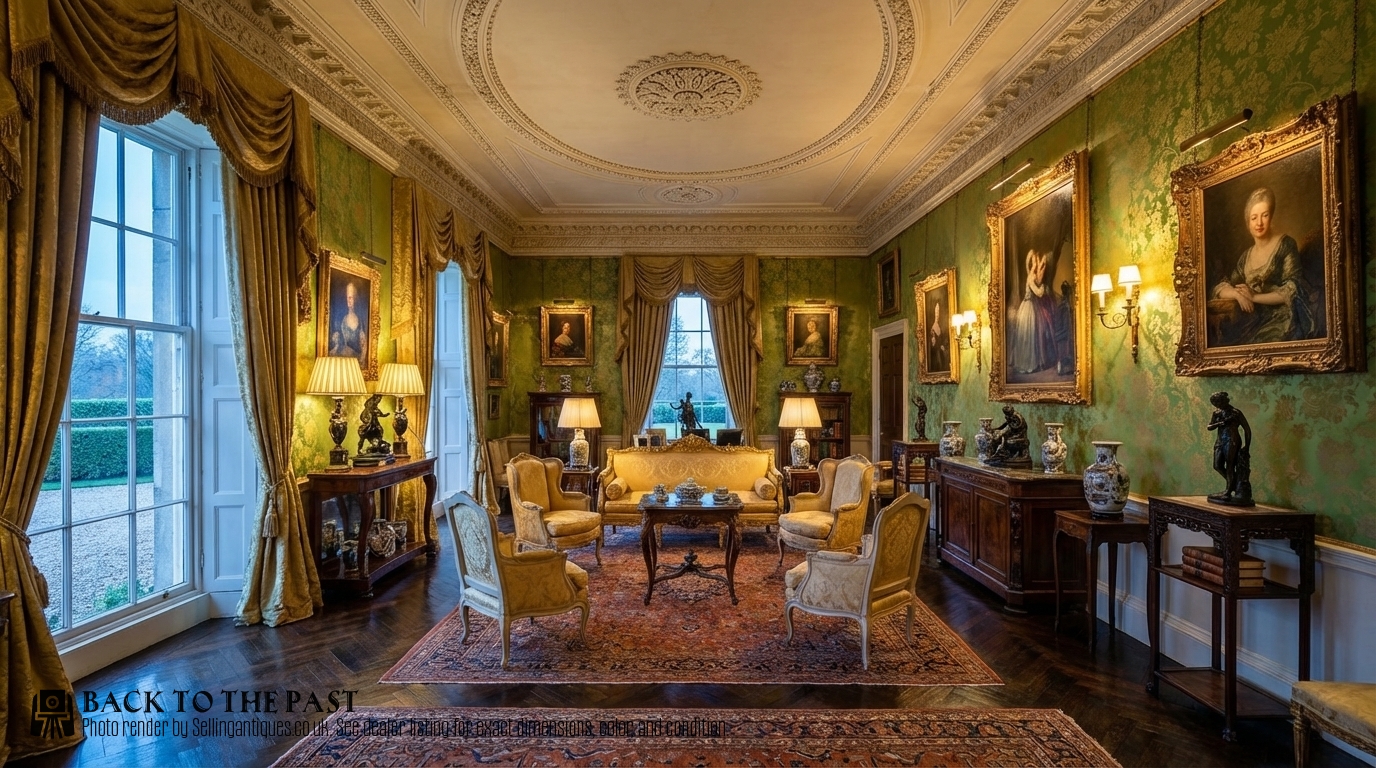
What these pieces are
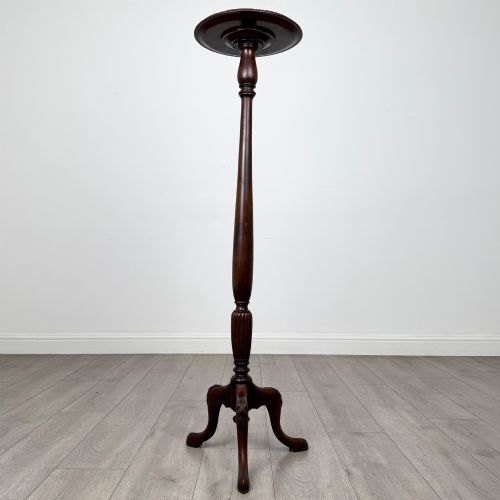
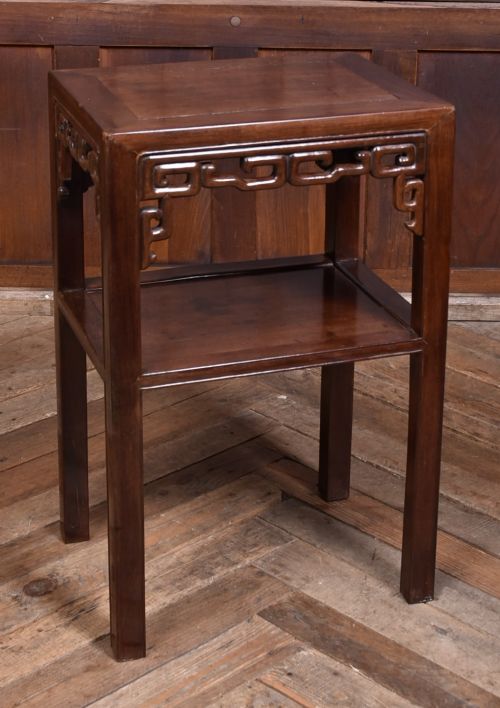
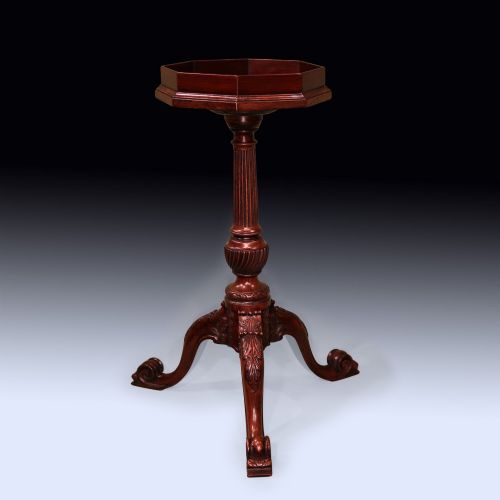
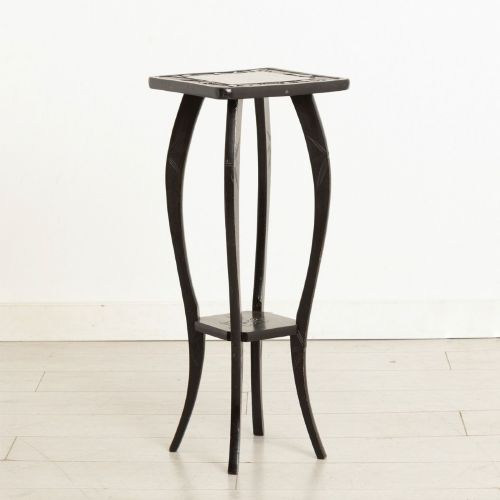
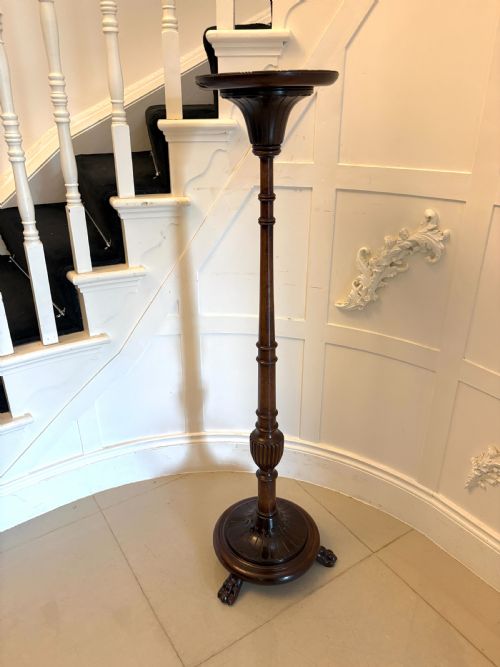
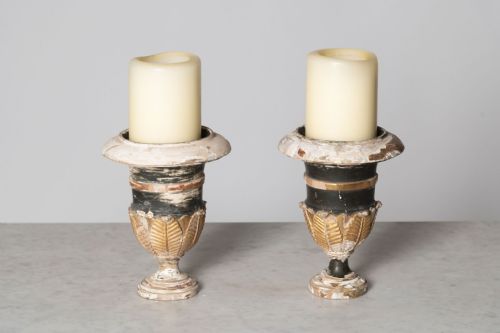
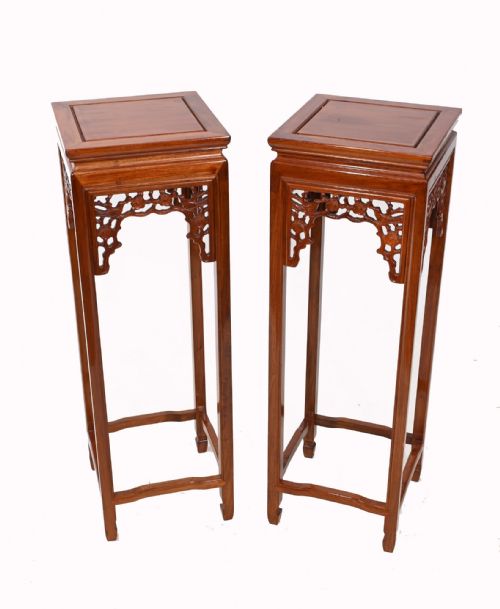
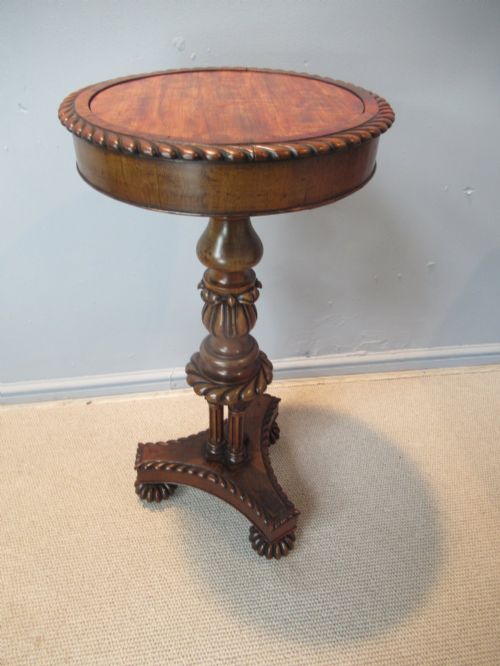
A carved wooden urn stand appears in forms such as plant stands, jardiniere stands, lamp tables, and bedside side tables. These pieces serve as elevated platforms designed to display decorative vessels or lighting within a room.
The selection on this page centres on items originating from the nineteenth century, nineteen hundred, and nineteen twenty. Makers working in Anglo-Indian, Arts and Crafts, Oriental, Chinese Export, and Qing Dynasty traditions produced these designs.
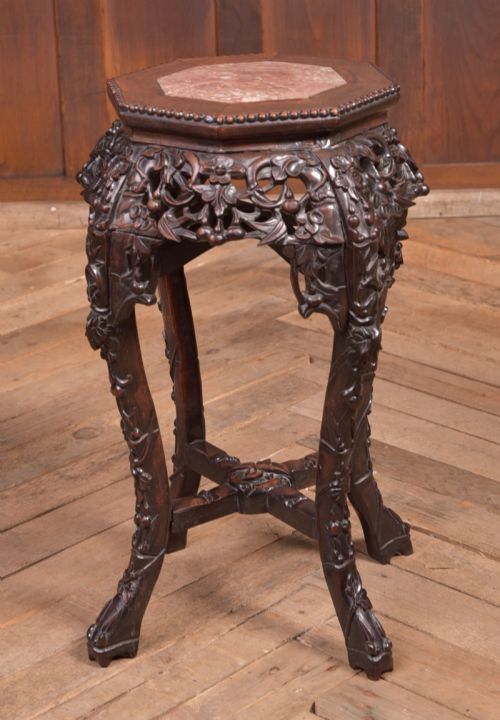
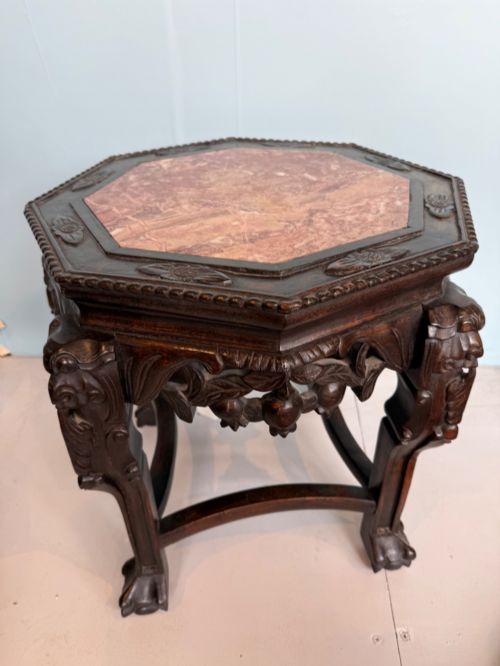
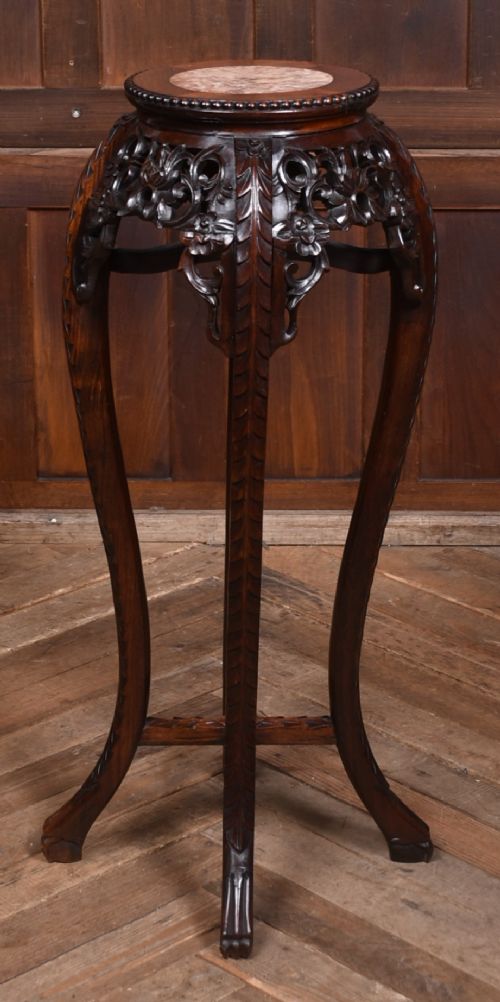
Buyers most frequently meet solid rosewood, ebony, ebonised wood, and general hardwood constructions. Several examples incorporate inset marble tops and hexagonal surfaces supported by tripod bases.
How they were made
Craftsmen built these stands from dense timbers including solid rosewood, ebony, and assorted hardwoods, sometimes applying an ebonised finish. The material choice provided the structural integrity required for heavy marble inserts and carved details.
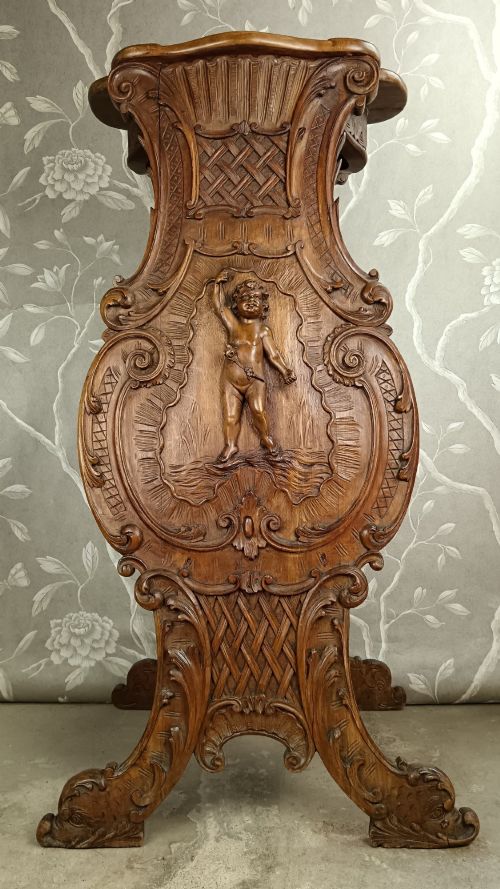
Surfaces feature hand carving executed in Oriental and Anglo-Indian styles, reflecting regional woodworking traditions of the nineteenth and early twentieth centuries. Brass components occasionally appear in the construction and detailing of the stands.
Retail Price Guide 2026
Typical UK retail prices for carved wooden urn stand, calculated from the Sellingantiques database of over a million retail prices indexed since 2003. This retail price guide relies exclusively on Sellingantiques data; no external sources or auction records are used, so the figures do not describe the wider market.
Some stands feature secret hexagonal geometry that makes a plant pot look like it is floating on a carved wooden throne.
What varies in quality
Quality separates ordinary joinery from exceptional craftsmanship through the depth and precision of the hand carving. Pieces featuring intricate floral and geometric motifs show a higher level of artisan involvement than simpler versions.
The choice of materials dictates the standing of a piece, with solid rosewood and ebony commanding attention over standard hardwoods. Additionally, the integration of heavy marble tops denotes a more ambitious and costly original commission.
Liberty of London
The Carved Wooden Urn Stand Glossary
- Jardiniere stand
- A decorative pedestal or table specifically designed to hold a large ornamental flower pot or jardiniere. These items elevate plants to bring greenery into the living space.
- Tripod base
- A three-legged support structure commonly found on nineteenth-century tables and stands. This configuration ensures stability on uneven floors.
- Hexagonal top
- A geometric surface with six distinct sides seen on specific regional tables. This shape alters the visual silhouette compared to standard round or square tops.
- Ebonised wood
- Timber treated with a chemical stain or finish to imitate expensive ebony. This technique was popular in nineteenth-century cabinet making for dramatic contrast.
Frequently Asked Questions
What is a carved wooden urn stand used for?
These pieces serve as decorative pedestals to display urns, large plants, or lamps in a room. Their elevated design draws the eye upward and highlights specific decorative objects.
They function equally well as compact side tables or bedside tables depending on the surface shape and height. The sturdy hardwood and marble construction safely supports heavy vessels.
How do I identify a nineteenth century stand?
Nineteenth century pieces often feature dense timbers like solid rosewood or ebony alongside traditional hand carving. Examining the construction methods and joinery helps determine the age of the woodwork.
Design motifs such as Anglo-Indian or Qing Dynasty styles also point directly to this historical period. The presence of materials like heavy inset marble is typical of high-end production from this era.
Are these stands suitable for heavy plants?
Solid rosewood, ebony, and general hardwood structures provide robust support for substantial planters and jardiniere pots. Tripod bases and sturdy legs distribute weight effectively across the floor.
Stands with inset marble tops offer a particularly stable and moisture-resistant surface for living greenery. This combination of heavy timber and stone prevents tipping under load.
What does Oriental style mean on these pieces?
Oriental style in these listings refers to design traditions originating from East Asia, including Chinese Export and Qing Dynasty influences. These aesthetics emphasise intricate hand carving and specific structural silhouettes.
Pieces often incorporate traditional motifs and fine timber work executed by skilled regional artisans. Such designs were frequently exported to Western markets during the nineteenth and early twentieth centuries.