
Carved Wooden Side Stool
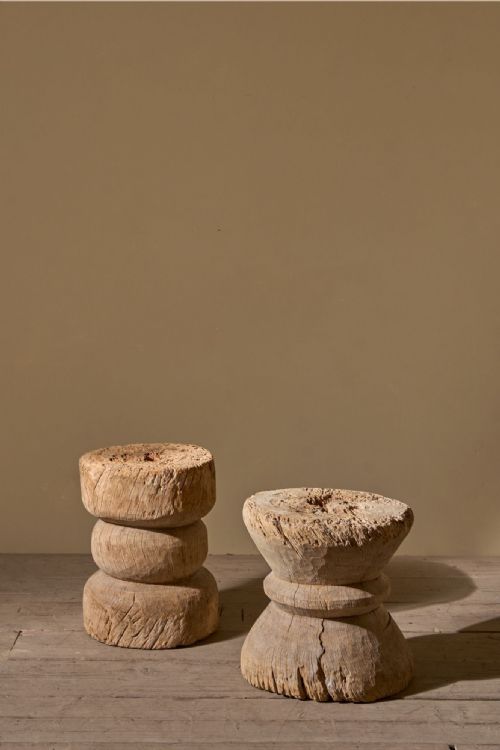
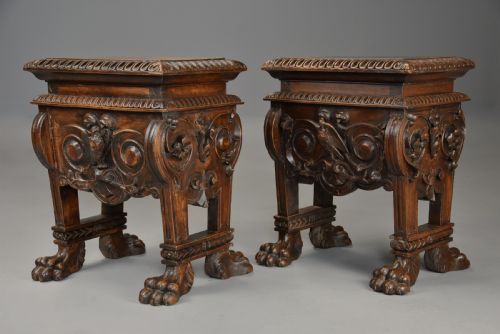
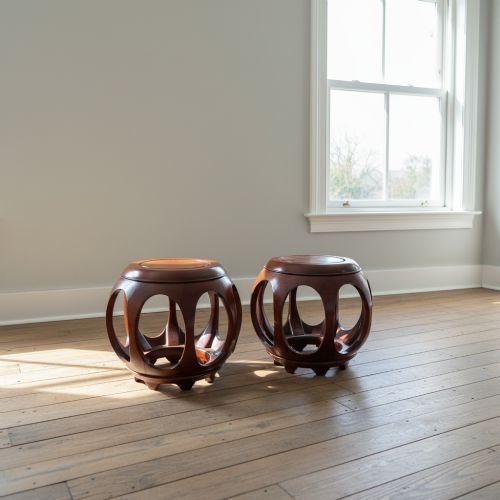
Carved wooden side stool pieces combine utility with historic craftsmanship, offering versatile seating and display surfaces rooted in centuries of woodworking tradition.
Carved Wooden Side Stool
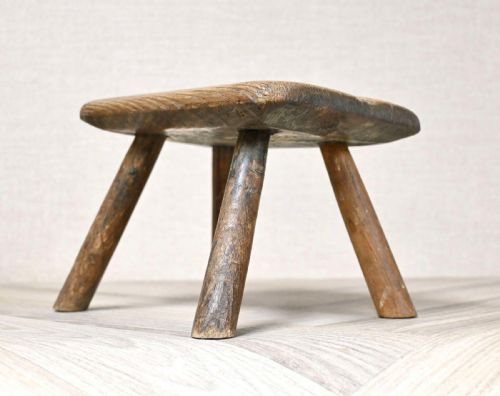
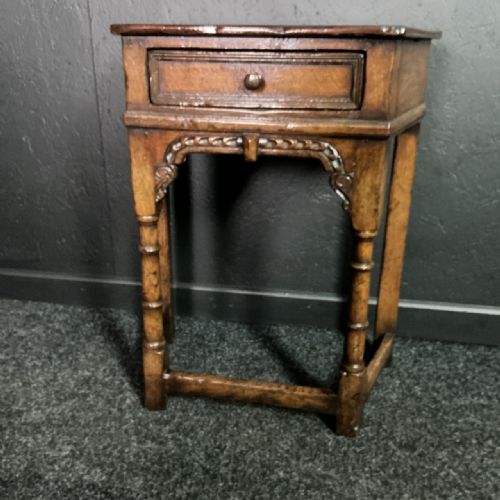
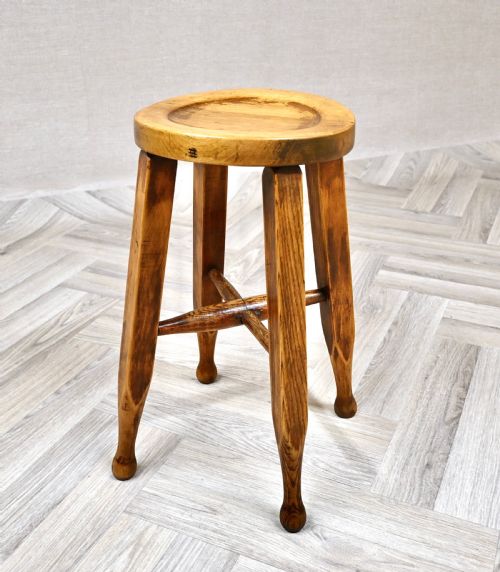
The inventory includes specialised variations such as close stools, heavy plank stools, and low occasional tables that double as seating. These items function equally well as compact side tables, plant stands, or occasional seats in traditional and eclectic interiors.
Factors that differentiate examples
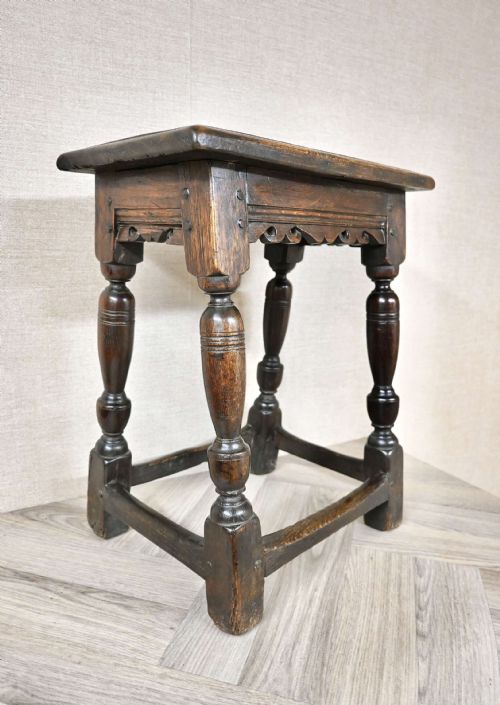
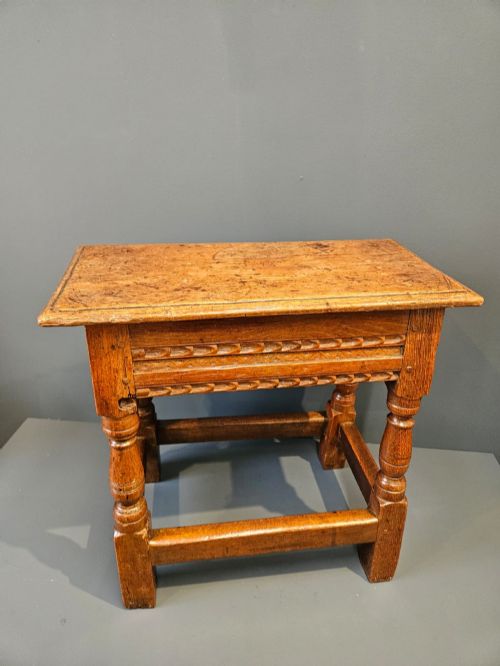
Quality rests upon the crispness of the hand-carved ornamentation and the integrity of the original joints. Pieces retaining their primary timber surfaces and period construction display superior craftsmanship.
The depth of historical character, demonstrated by surface patination and honest wear over time, separates standard utility items from finer decorative pieces.
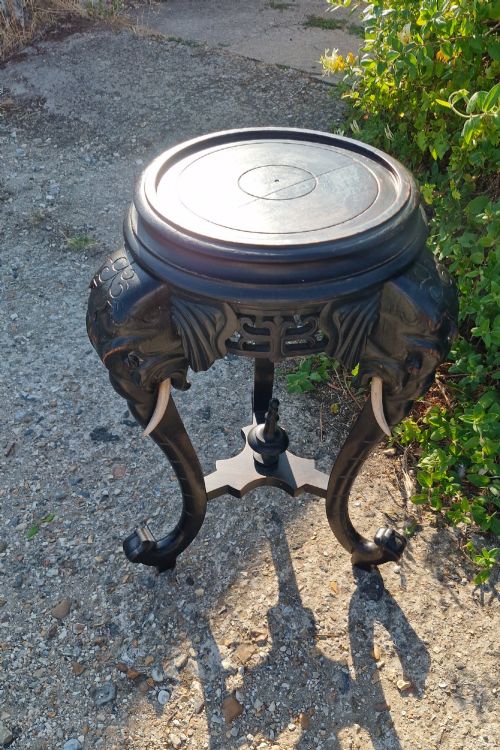
Several items include carved wooden tusks and sculpted bodies, bringing surprisingly friendly pachyderms directly into the parlour.
Jack Grimble
The Carved Wooden Side Stool Glossary
- Joint stool
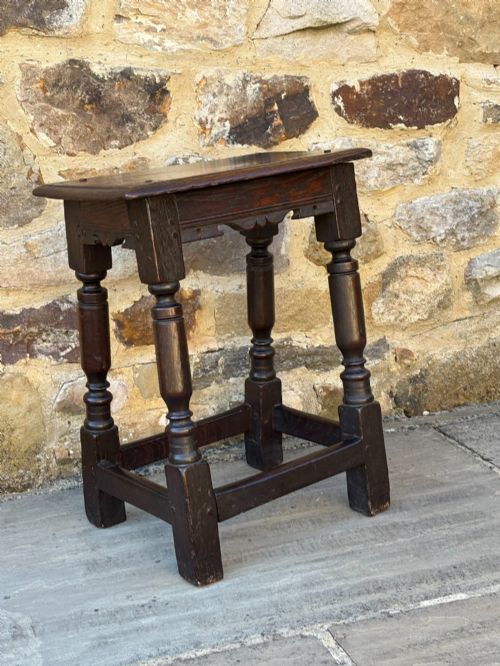
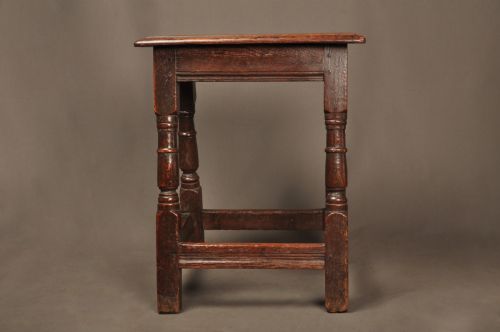
- A sturdy wooden stool constructed with pegged mortise and tenon joints rather than turned legs alone. These seventeenth-century forms served multiple domestic purposes.
- Box stool
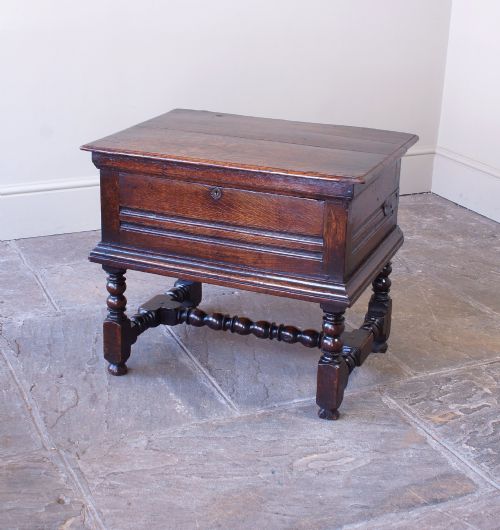
- A seat featuring a compartment beneath the hinged lid, occasionally utilised historically as a close stool. They provide concealed storage within a compact footprint.
- Chip carving
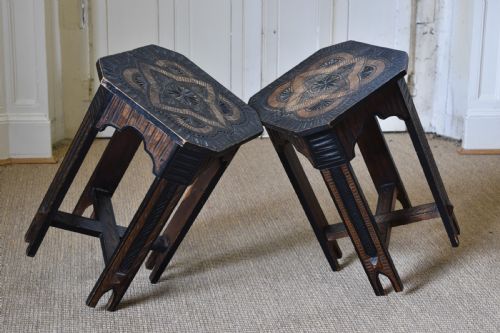
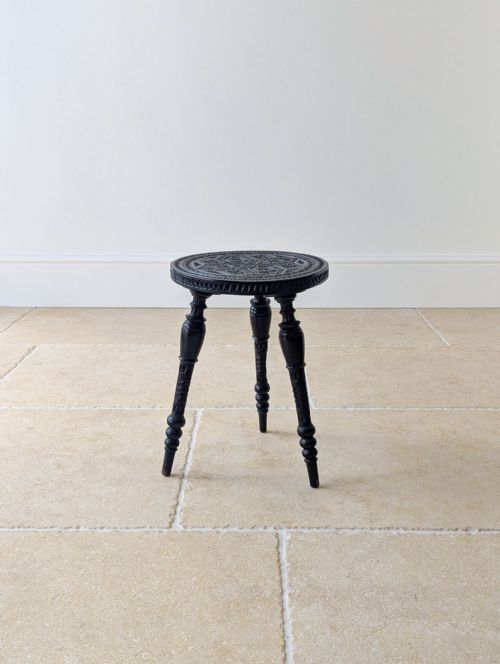
- A decorative technique where small chips are removed from a flat wooden surface to create geometric or floral patterns. It appears frequently on nineteenth-century tables and stools.
- Bobbin turned
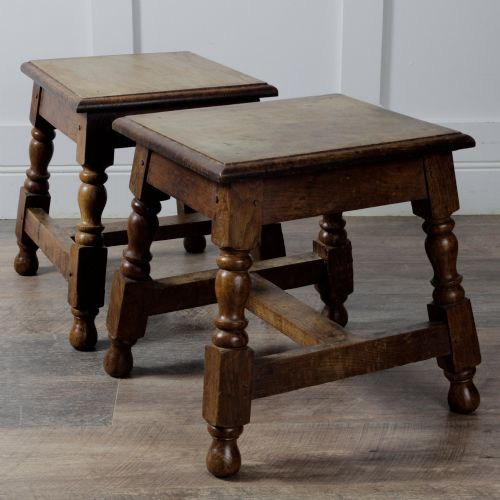
- A style of furniture leg or stretcher shaped on a lathe to resemble a series of wooden bobbins or spools. This turning method is characteristic of seventeenth-century and revival pieces.
- Five-plank stool
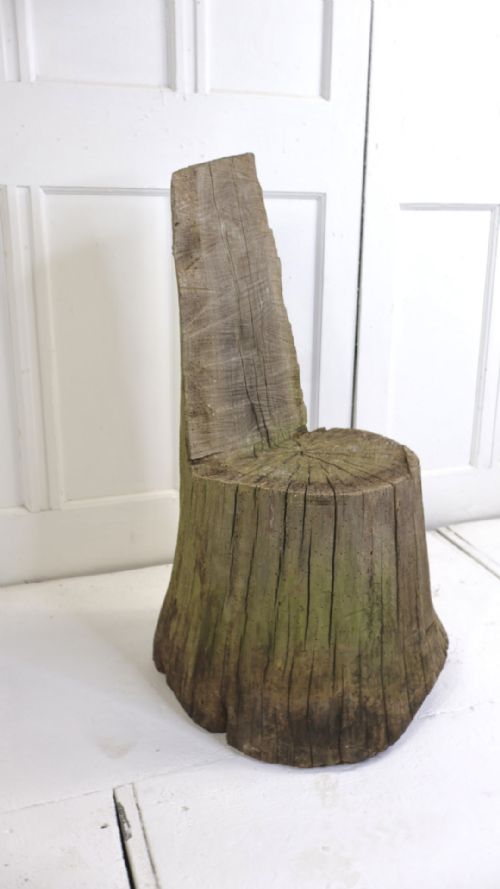
- A primitive form constructed from five distinct boards joined together without complex framing. These rustic items rely on pegged construction for stability.
Carved Wooden Side Stool: Frequently Asked Questions
What is a joint stool?
A joint stool is a sturdy wooden seat built with pegged mortise and tenon joinery, common in the seventeenth century. These pieces were constructed by joiners rather than turners.
They functioned as primary seating and movable platforms around the home, capable of supporting heavy loads.
How were box stools used?
Box stools incorporate a hinged lid that opens to reveal a storage compartment beneath the seat. Historically, certain examples functioned as close stools.
Their dual purpose makes them practical for storing small household items while providing low seating.
How do I date an oak stool?
Dating relies on examining the construction marks, timber shrinkage, joint types, and carving styles. Seventeenth-century originals display hand-pegged joinery and distinct adze marks.
Revival pieces from the nineteenth and twentieth centuries often exhibit machine-cut elements or softer timber patination.
Can these stools double as tables?
Many flat-topped stools and low stands serve readily as side tables or plant stands. Their compact proportions fit easily beside armchairs or in hallways.
Using them for display protects delicate surfaces while showcasing historic wood grain.