




Turned Timber Stool
These turned timber stool examples bring honest utility to any room, offering straightforward seating built from solid woods across past centuries.
Turned Timber Stool
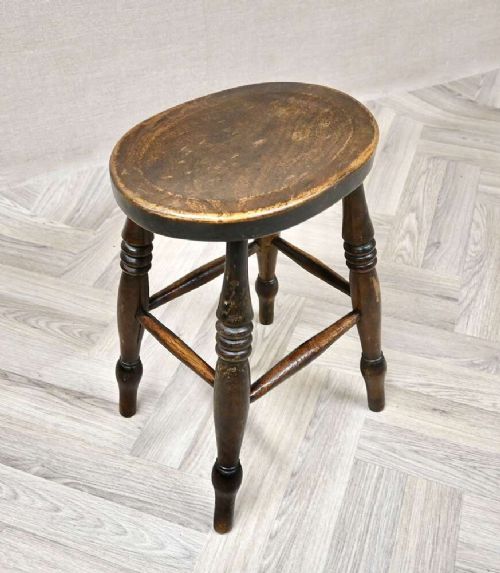
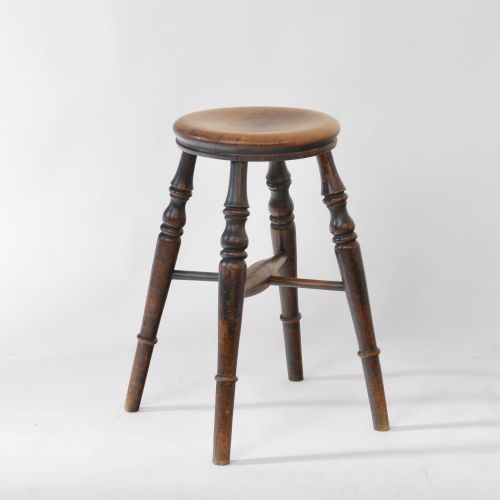
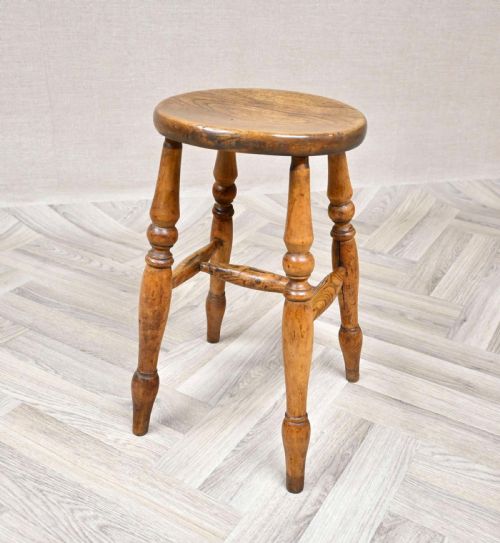
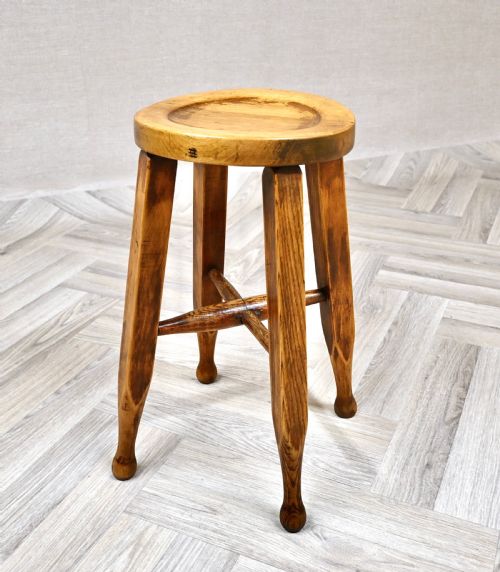
A turned timber stool brings functional, unpretentious seating into a room, often originating from rural or domestic settings across the seventeenth, eighteenth, and nineteenth centuries. These pieces appear in forms such as Windsor oval seat designs, three-legged country versions, and clerk's stools.
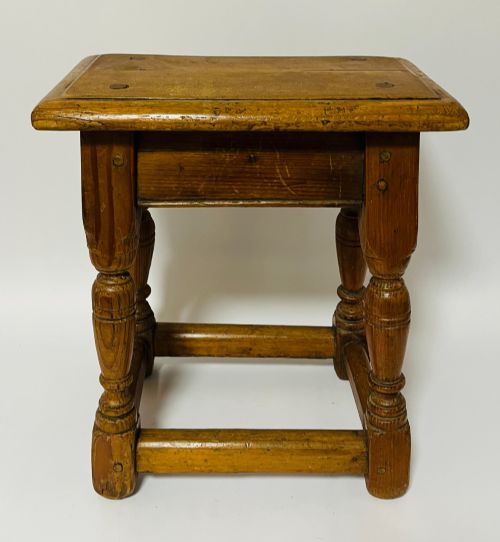
Buyers seeking a turned timber stool encounter utilitarian seating shaped by local tradesmen rather than urban workshops. The selection frequently includes nineteenth-century elm and beech pieces alongside earlier joint stools built from oak.
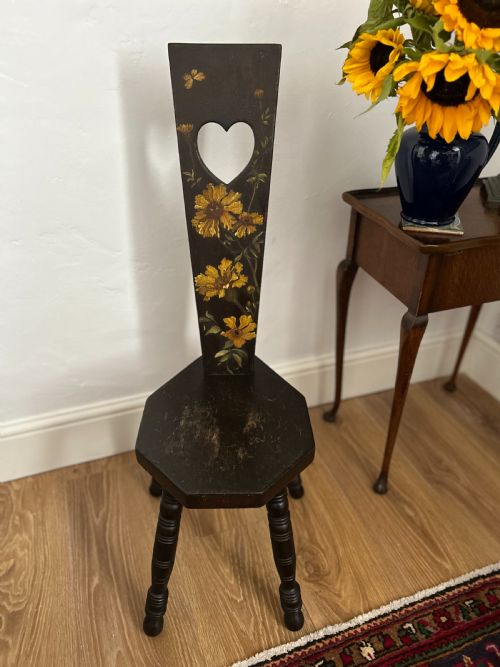
The category extends to specialist forms including pub or tavern stools, piano stools, and footstools. Each object relies on solid timber construction, maintaining a direct connection to everyday historical use.
How turned timber stool examples were made
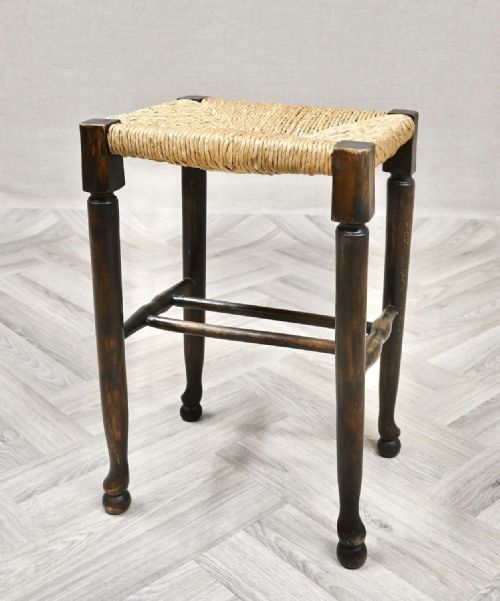
Maker's workshops relied on native hardwoods such as oak, elm, ash, beech, and mahogany, chosen for strength and availability. Legs and supports were shaped on a lathe to create turned spindles and ball feet, while seats were often carved from single solid planks or fitted with rush.
Traditional joinery techniques united the components without modern adhesives, utilising pegged joints and wedge tenons to secure turned legs into shaped seats. Carpenters combined different timbers within a single piece, pairing oak frames with elm tops or ash supports.
Some nineteenth-century examples served specifically as clerk's seating, enduring long hours in drafty offices before finding a quieter retirement.
What varies in quality in turned timber stool pieces
The character of a turned timber stool depends upon the balance of its proportions and the integrity of its original materials. Pieces retain differing degrees of surface patination, reflecting decades of domestic handling and natural wear upon the wood.
Construction methods distinguish everyday utility items from finer examples, noting the precision of lathe work on spindles and the snugness of leg joints. Selection involves observing how evenly the timber has aged and whether replacement parts have altered the original silhouette.
The Turned Timber Stool Glossary
- Joint stool
- A traditional wooden seat constructed with mortise and tenon joints secured by wooden pegs rather than metal nails. These sturdy pieces date back to the seventeenth century and earlier.
- Windsor stool
- A rustic seat featuring turned legs and spindles driven directly into a solid, often saddled wooden seat. This construction method provides notable stability for daily seating.
- Rush seat
- A seating surface woven from dried marsh rushes twisted into cords and patterned across a wooden frame. This technique appears frequently on traditional country chairs and stools.
- Turned support
- A vertical wooden component shaped on a lathe by rotating the material against a cutting tool. These decorative and structural elements define the legs and stretchers of traditional stools.
- Patina
- The deep, soft gloss and colour developed on the surface of antique wood over centuries of handling, polishing, and exposure to light. This quality indicates genuine age and use.
Turned Timber Stool: Frequently Asked Questions
How do I clean a turned timber stool?
Dust the timber regularly with a dry, soft cloth to prevent grit accumulation on the surface. Avoid modern chemical polishes that can soften the historic finish.
Apply a microcrystalline wax sparingly once or twice a year if the wood appears dry. Buff gently with a clean cloth to maintain the natural sheen.
Can I use an antique stool every day?
Solid hardwood construction allows most antique stools to handle regular daily seating without issue. Check the stability of the leg joints periodically to ensure the pegs remain secure.
Place the stool on even flooring to prevent undue stress on individual turned legs. Avoid positioning the piece near direct heat sources that could cause the timber to split.
How do I date a turned timber stool?
Examine the tool marks, joinery methods, and wood species to establish an approximate period of manufacture. Hand-rived timbers and primitive lathe turning typically point towards earlier centuries.
Compare the style of the turned supports with documented regional furniture designs. Secondary woods and fastener types further clarify the timeline.