
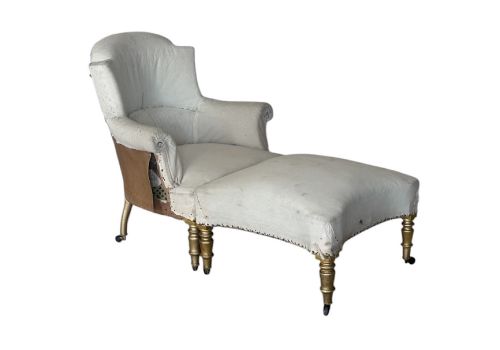
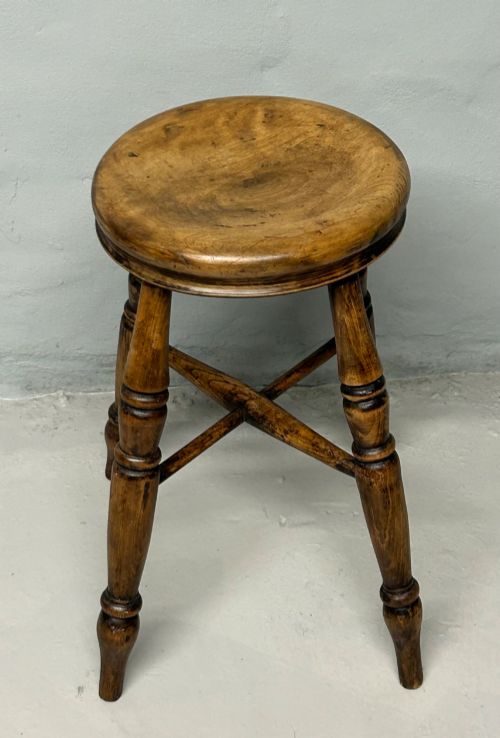
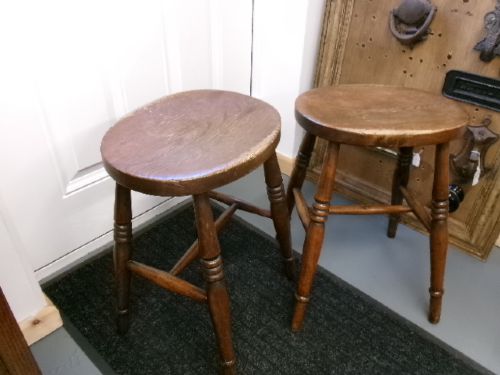
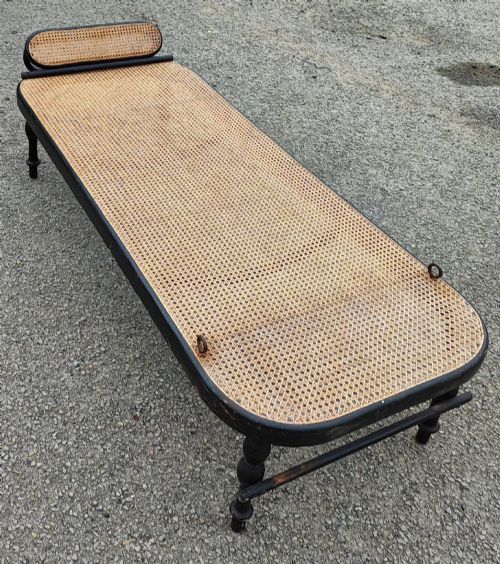
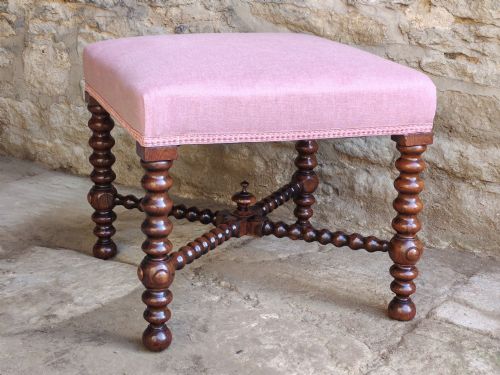

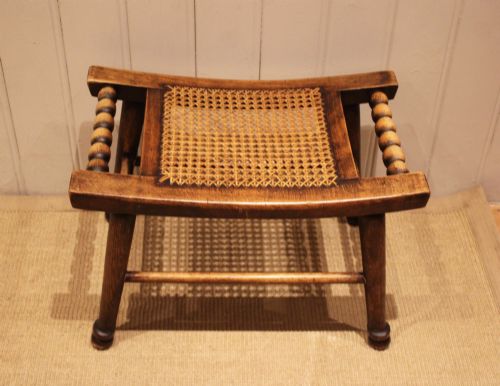
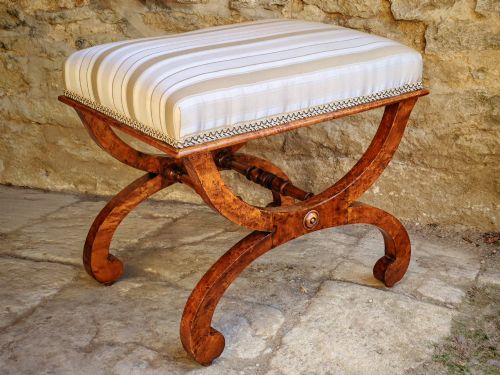


Victorian Turned Wood Stool
These Victorian turned wood stool examples bring robust joinery and honest domestic utility into daily spaces.
Victorian Turned Wood Stool
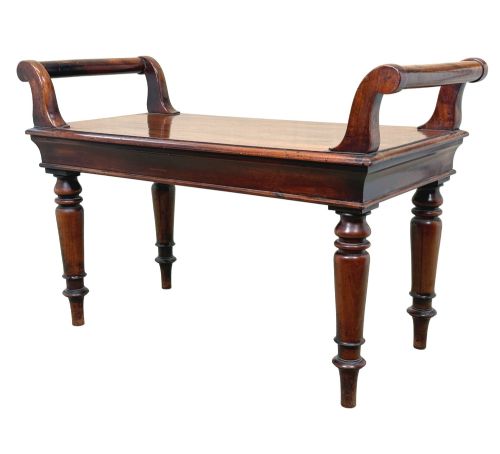
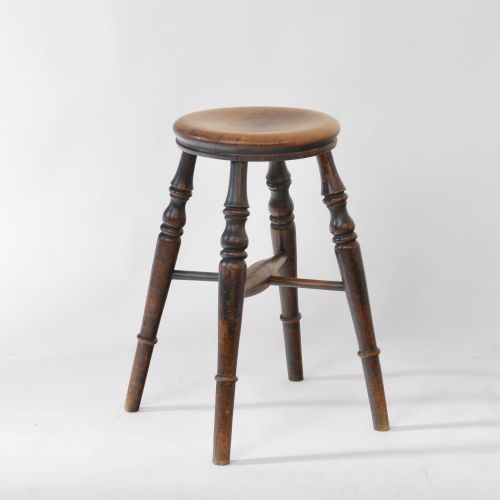
A victorian turned wood stool brings together domestic utility and solid joinery from the nineteenth century. These pieces appear in forms ranging from simple rustic farmhouse seating to adjustable piano stools.
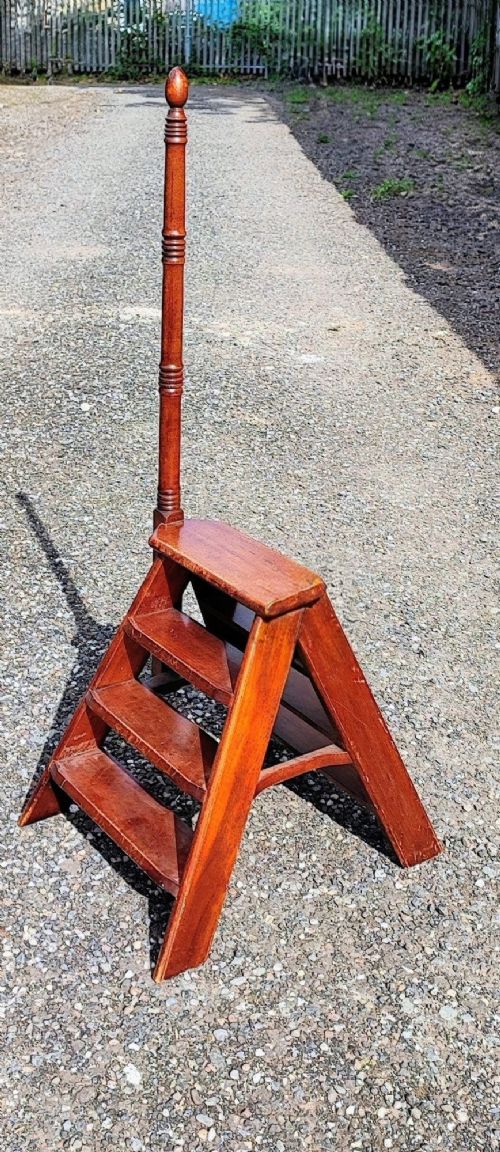
The selections here span regional tavern seating, library steps, and domestic footstools. Buyers encounter elm, beech, and mahogany frames shaped by lathe work and traditional joinery.
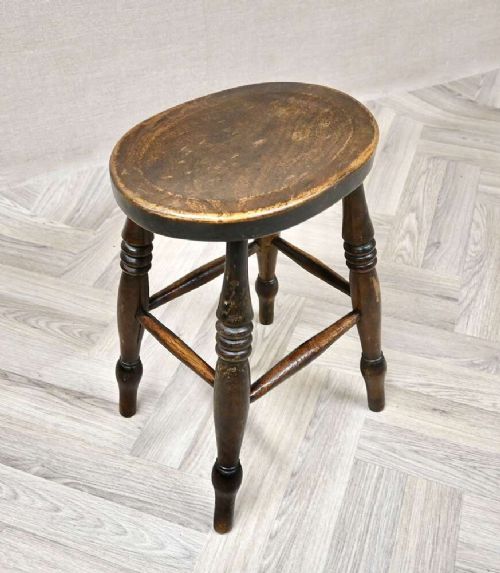
Rural examples lean towards country utility with oval dished tops and sturdy spindles, while urban iterations utilise rosewood and ebonised finishes for formal parlours.
How they were made
Craftsmen shaped these frames using a combination of lathe turning and traditional joint construction. Timbers such as beech, elm, and mahogany provided the structural integrity required for daily seating.
Surface treatments involved ebonising, polishing, or leaving the native wood grain exposed. Cane weaving and fabric upholstery frequently finished the seating surfaces.
Listings span the nineteenth and early twentieth centuries, featuring native British hardwoods alongside French and Canadian variants.
What varies in quality
The refinement of the lathe work dictates much of the character in these pieces. Crisp spindle turnings and balanced proportions separate utilitarian workshop output from finer parlour items.
Selection of timber grade also alters the presence of the object, moving from robust local elm to polished rosewood and burr maple veneers.
Liberty and Co·Brown and Lamont·Gillows·James Shoolbred
The Victorian Turned Wood Stool Glossary
- Turned wood
- Timber shaped on a lathe to create cylindrical, spiral, or bobbin-shaped components. This technique provides both structural support and decorative profile to the legs and stretchers.
- Dished top
- A seat surface hollowed into a shallow concave basin for comfort. This form frequently appears on country and tavern examples.
- Ebonised
- Wood finished with a dark stain or lacquer to imitate ebony. This treatment gained popularity during the Victorian period for formal and occasional furniture.
- Stretcher
- A horizontal wooden brace connecting the legs of a stool to increase stability. They often feature simple or complex turnings depending on the maker's design.
- Windsor
- A style of seating constructed with slender turned spindles socketed directly into a solid wooden seat. These pieces rely on disciplined joinery for rigidity.
Victorian Turned Wood Stool: Frequently Asked Questions
How do I date a turned wood stool?
Dating relies on observing timber choices, tool marks, and construction methods. Nineteenth-century pieces typically show hand-turned components and traditional joinery.
Secondary indicators include the wear patterns on foot rests and the specific polish or ebonisation applied to the wood surface.
Where were these stools used originally?
These items served various roles across domestic and commercial interiors. Simpler elm and beech versions suited country farmhouses and public taverns.
More formal rosewood and mahogany variants belonged in Victorian drawing rooms, music rooms, and libraries.
What is a dished seat top?
A dished top is a wooden seat carved with a shallow depression to accommodate the sitter. This ergonomic shaping appears often on vernacular country stools.
Turned supports usually lock into the underside of these solid timber blanks.
Can I use an antique piano stool daily?
Many surviving examples retain functional mechanical height adjustment and sturdy frames suited for regular use. Beech and mahogany variants offer durable platforms.
Care should be taken with delicate cane seats or veneered rosewood surfaces when placed in high-traffic areas.