
Carved Wooden Plant Table
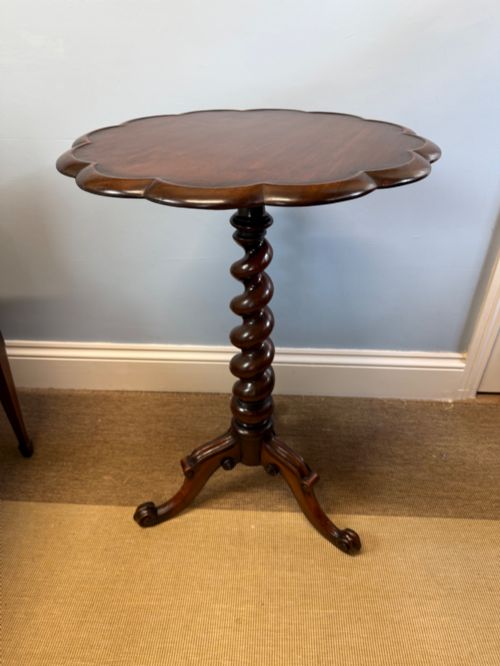
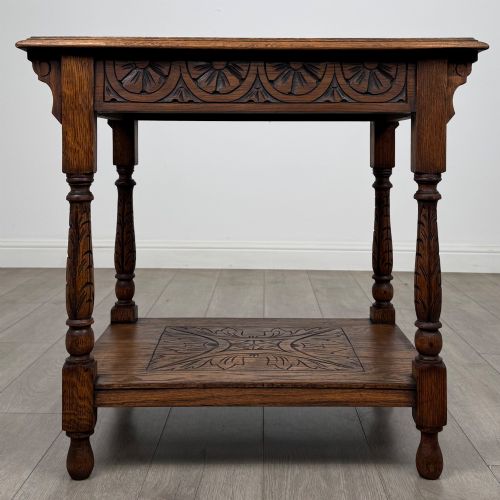
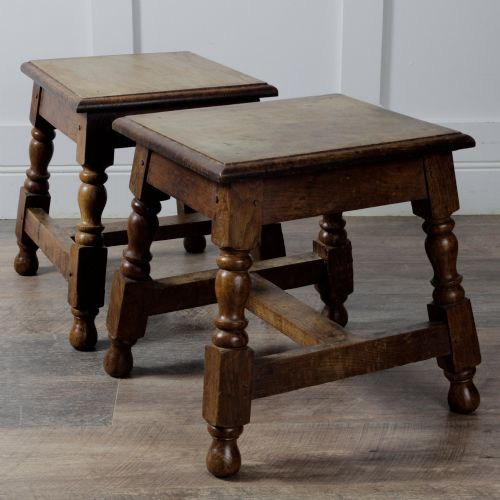
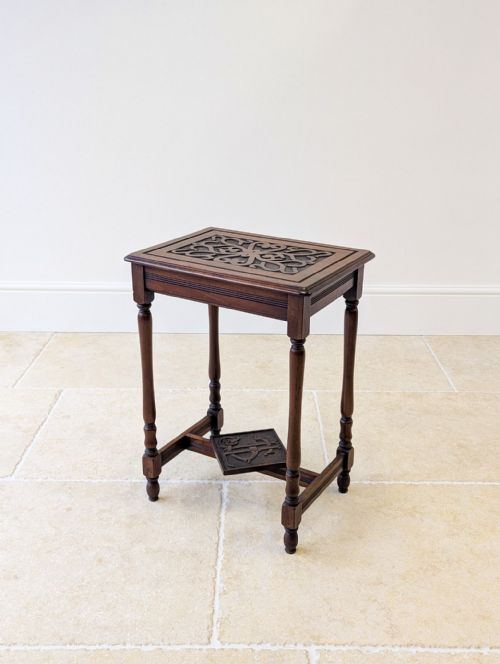
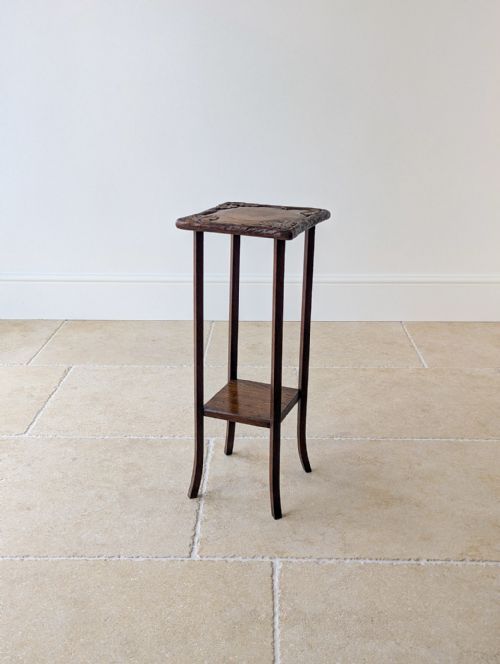
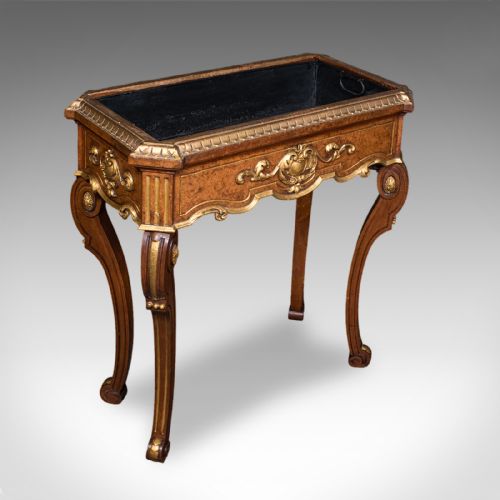
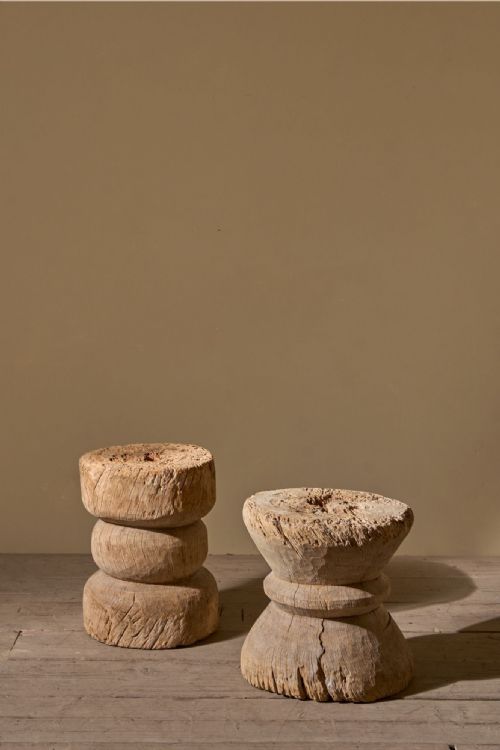
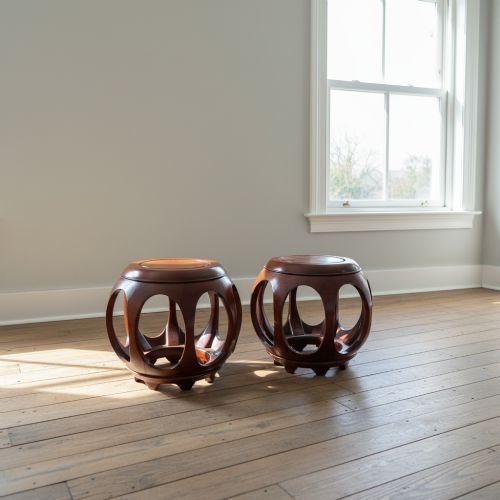
A carved wooden plant table holds a pot at a convenient height while bringing distinct timber grain and relief work into a room.
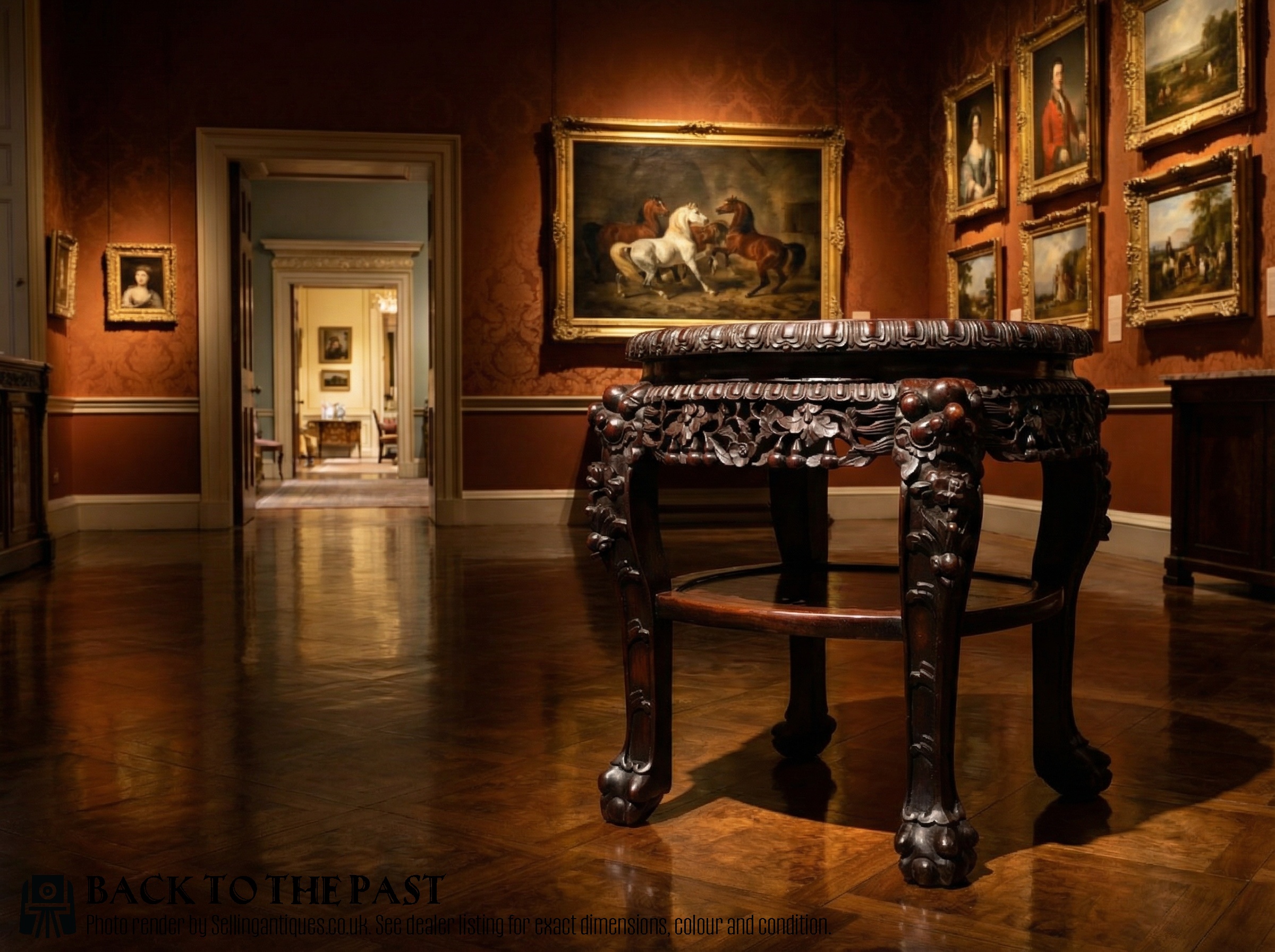
Carved Wooden Plant Table
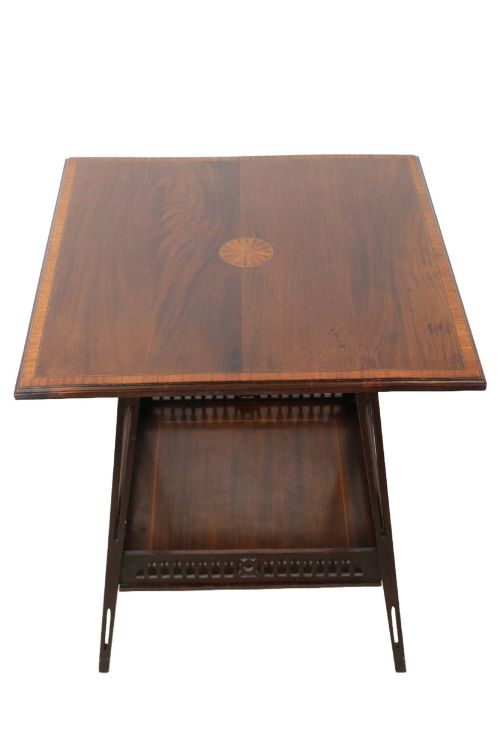
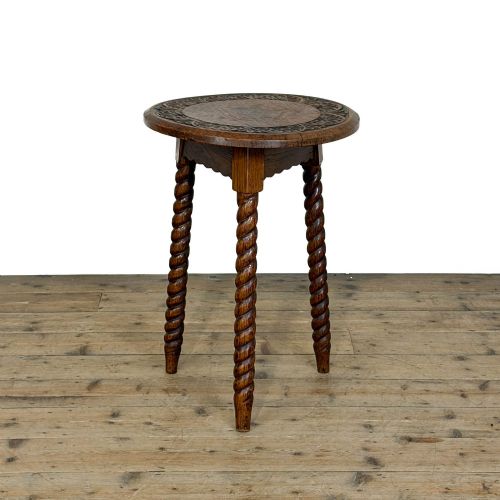
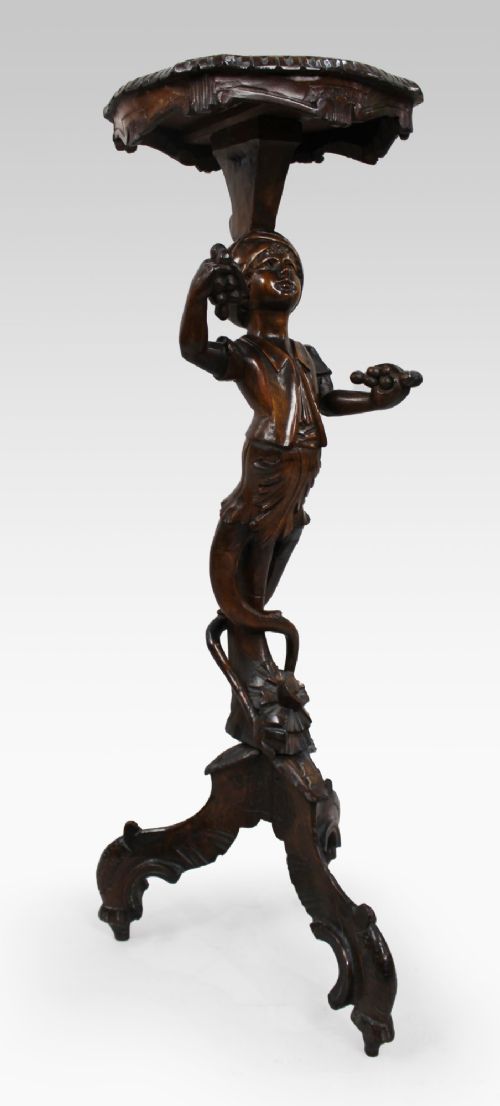
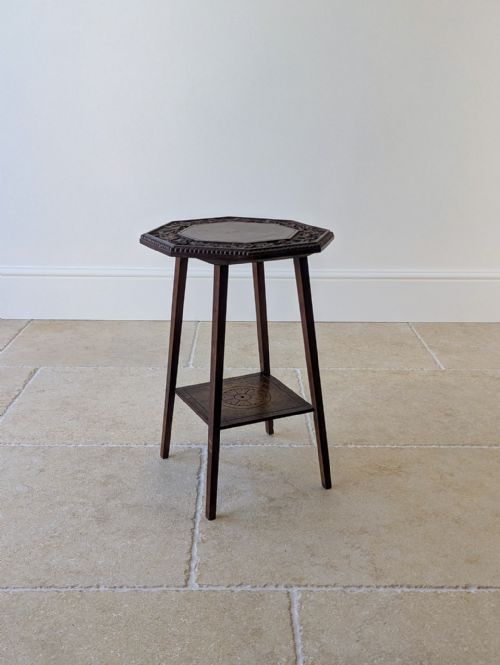
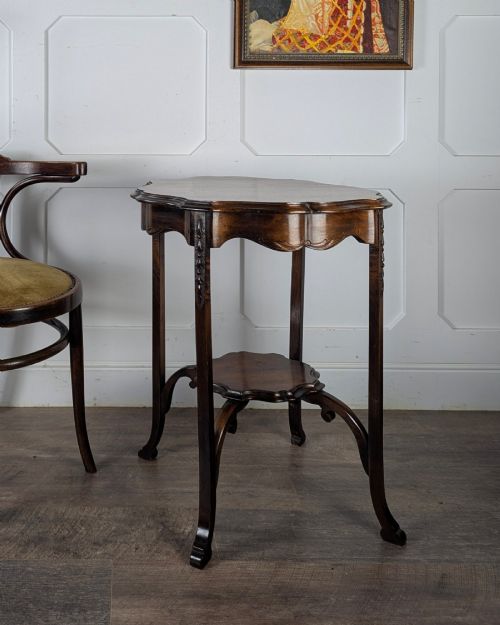
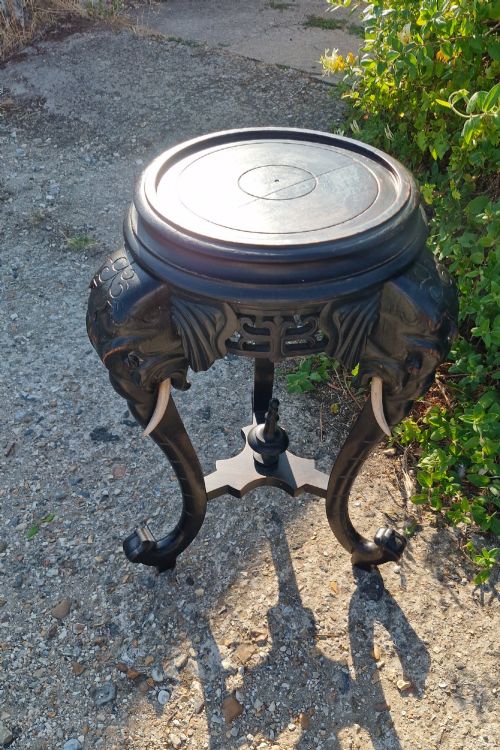
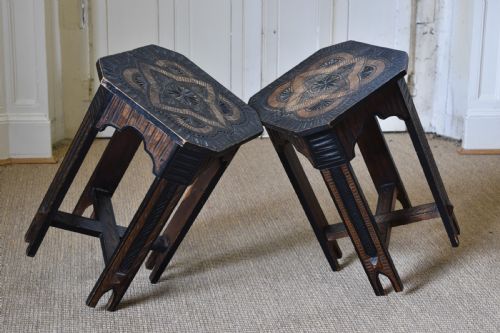
When searching for a carved wooden plant table, buyers encounter a variety of low supports, occasional surfaces, and pedestals designed to elevate greenery or display ornamental objects. The forms span Victorian and Edwardian side tables, Anglo-Indian octagonal stands, Chinese hardwood barrels, and two-tier plant stands from the nineteenth and early twentieth centuries.
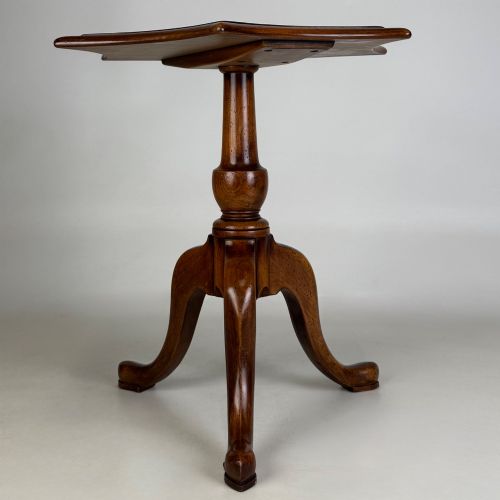
Most examples found in these listings rely on compact footprints, such as tripods, square tops, or multi-sided surfaces. They function equally well holding jardiniere bowls, vases, or lamps, utilising sturdy timbers to support weight without dominating a room.
How they were made
Cabinetmakers constructed these pieces primarily from dense hardwoods including mahogany, walnut, oak, teak, and huanghuali. These durable timbers lent themselves to complex turning, joinery, and chip carving without splitting under load.
Makers embellished surfaces through hand chiselling, incising, and inlay work, combining brass wire, burr wood veneers, or marble inserts into the primary timber frames. Structural stability came from traditional joints, tripod legs, and tiered bracing.
Listings feature regional styles spanning Anglo-Indian, Chinese Traditional, Moorish Revival, and Venetian Baroque aesthetics across walnut, oak, and teak.
What varies in quality
The standard of a carved wooden plant table rests on the crispness of its relief work and the selection of its timber. Superior examples display deeply undercut foliage or geometric motifs that retain sharp edges, alongside well-figured grain in walnut or mahogany.
Construction methods also distinguish finer specimens, evident in tight joinery, balanced proportions on tripod bases, and intact original surface patination rather than heavy modern refinishing.
Trevor Page & Co·Shapland and Petter·Liberty & Co.
The Carved Wooden Plant Table Glossary
- Jardiniere table
- A specialised stand featuring an integrated basin, metal liner, or recessed top designed to hold potted plants and flowers safely.
- Tripod base
- A support structure utilising three legs radiating from a central column, providing stable footing on uneven floors.
- Chip carving
- A primitive yet precise relief technique where small chips are removed from a wooden surface to form geometric or floral patterns.
- Pedestal
- A tall, slender column or stand used to elevate a single vase, bust, or plant above floor level.
- Etagere
- A piece of furniture consisting of open shelves for displaying small objects, sometimes adapted as a multi-tier stand.
Carved Wooden Plant Table: Frequently Asked Questions
What were carved wooden plant tables used for originally?
These tables served primarily to elevate potted palms, ferns, and floral arrangements within nineteenth and twentieth-century domestic interiors. Raising plants protected delicate floor surfaces from water damage while displaying greenery closer to natural light.
Over time, many of these versatile stands also functioned as lamp tables, tea tables, or pedestals for decorative ceramics and bronzes.
How can I tell an Edwardian plant table from a Victorian one?
Victorian stands tend to feature heavier proportions, dark ebonised finishes, or elaborate turned elements like barley twists and dense carving. They often reflect revival styles such as Gothic or Renaissance motifs.
Edwardian examples generally adopt lighter frames, simpler inlays, and cleaner Arts and Crafts or Sheraton revival lines, reflecting a shift toward airier domestic spaces.
Are Anglo-Indian tables difficult to maintain?
Anglo-Indian tables require standard care for dense hardwoods, involving gentle cleaning and occasional wax application to preserve the intricate surface work. The detailed relief carving collects dust more readily than flat surfaces.
Using a soft brush helps clear accumulated debris from the recesses of chip-carved or pierced wooden panels without disturbing the fibres.