





Carved Wooden Mask
When you handle a carved wooden mask, you hold a piece shaped by hand from oak, walnut, and exotic hardwoods across centuries of global craft.

Carved Wooden Mask
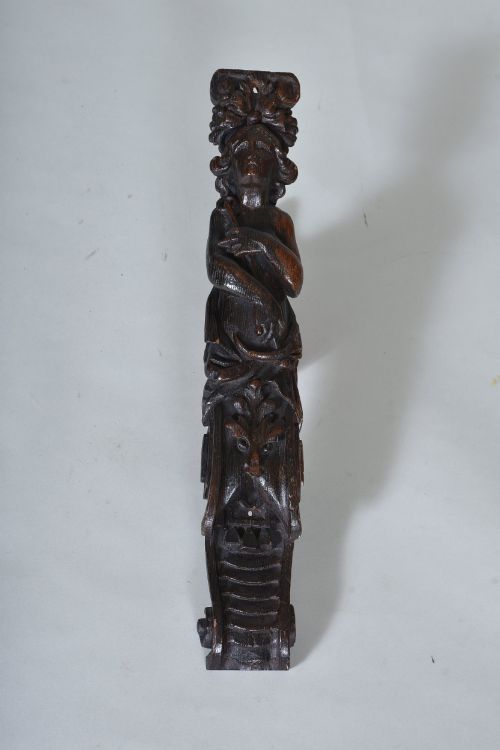
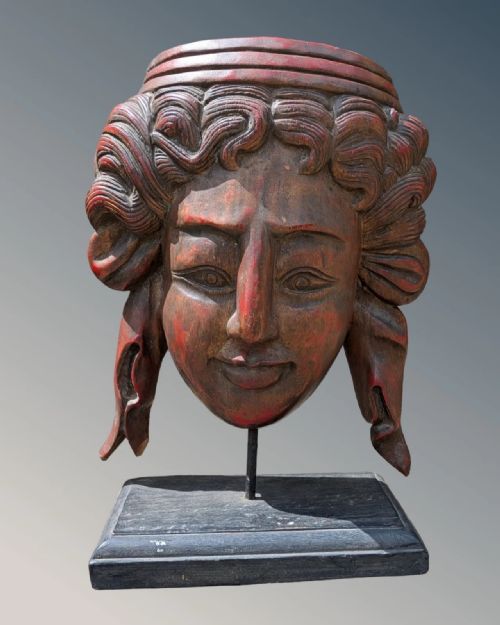
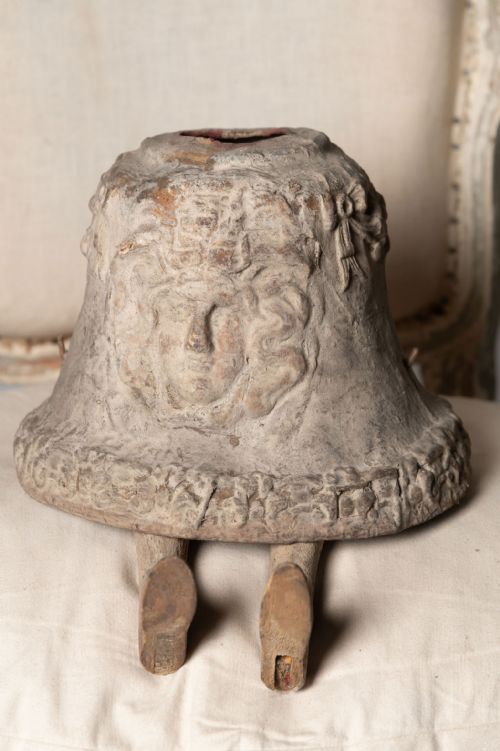
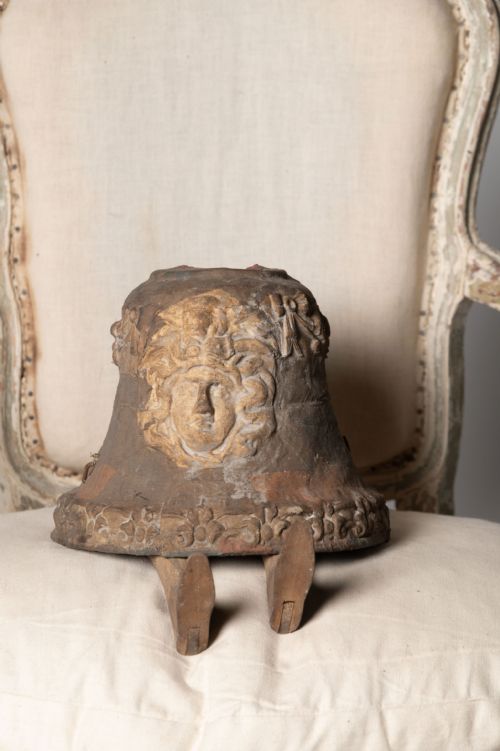
A carved wooden mask represents a diverse group of sculptural objects originating from African tribal traditions, Asian cultures, and European decorative arts. Buyers seeking a carved wooden mask encounter everything from ritual dance headpieces to architectural wall elements and theatre props.
The selections span multiple centuries, with nineteenth-century examples appearing most frequently alongside pieces from the seventeenth and eighteenth centuries. Forms range from Himalayan demon masks and Ivorian tribal pieces to South East Asian polychrome works and Japanese carvings.
What varies in quality
Quality depends on the precision of the hand-carved detailing, where depth and expression reveal the skill of the original hand. Sharp undercuts and confident chisel marks distinguish superior sculptural work from softer, mechanical production.
The preservation of original surface finishes, including early paint layers and patination accrued through use, separates museum-grade examples from heavily restored pieces. Material selection also dictates worth, with dense indigenous hardwoods and fine-grained walnut commanding greater attention.
The Carved Wooden Mask Glossary
- Polychrome
- Decorated in multiple colours. This term describes carved wooden surfaces painted with pigments or layered finishes.
- Giltwood
- Timber coated with a thin layer of gold leaf or powder. It appears on decorative European mirrors and architectural fragments.
- Treen
- Small handmade wooden objects for domestic or decorative use. The category includes turned and carved items created prior to mass production.
- Gesso
- A plaster mix applied to wood as a base for paint and gilding. It provides a smooth ground for detailed surface decoration.
- Corbel
- A structural piece of stone or timber projecting from a wall to support a weight. Carved wooden versions often take the form of heads or scrolls.
Carved Wooden Mask: Frequently Asked Questions
How do I hang a heavy wooden mask?
Heavy carved wooden masks require secure wall fixings anchored directly into masonry or wall studs rather than plaster alone. Use sturdy brackets or wire rated to support the specific weight of the hardwood.
Ensure the hanging method distributes the load evenly across the reverse of the object to prevent stress on historic joints or delicate carved projections.
How do I clean an antique wooden mask?
Dust the surface gently using a soft, dry natural bristle brush to remove accumulated particles from deep crevices. Avoid applying water, chemical sprays, or modern furniture polishes directly to the bare or painted wood.
Preserving the dry surface patination and historic pigment layers requires minimal intervention and stable indoor humidity away from direct sunlight.
Were these masks meant for display?
Many tribal masks served functional roles in ceremonial dances, rituals, or theatrical performances before entering the collector market. Other examples were created specifically as architectural ornaments, theatre props, or decorative wall sculptures for European interiors.
Understanding the regional origin helps determine whether a piece held spiritual significance or served a primarily decorative purpose in its original context.
How do I date a carved wooden mask?
Dating relies on analysing tool marks, timber shrinkage, style markers, and the natural oxidation of the wood. Comparing the carving style to documented regional traditions helps narrow the period of creation.
Wear patterns around attachment points and handles often indicate the age and frequency of traditional use before the piece was retired from service.