

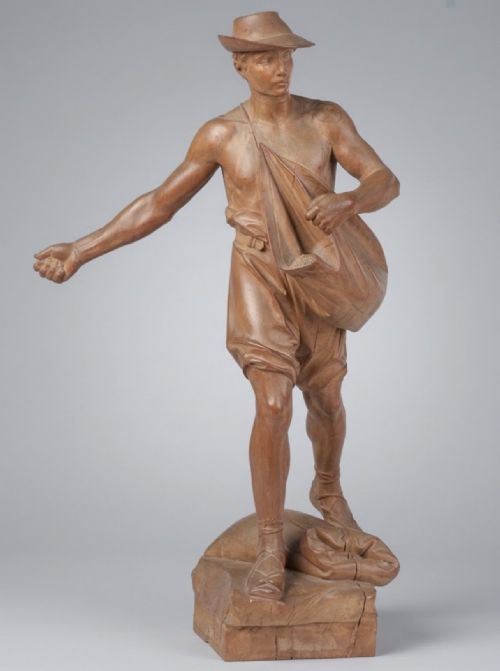
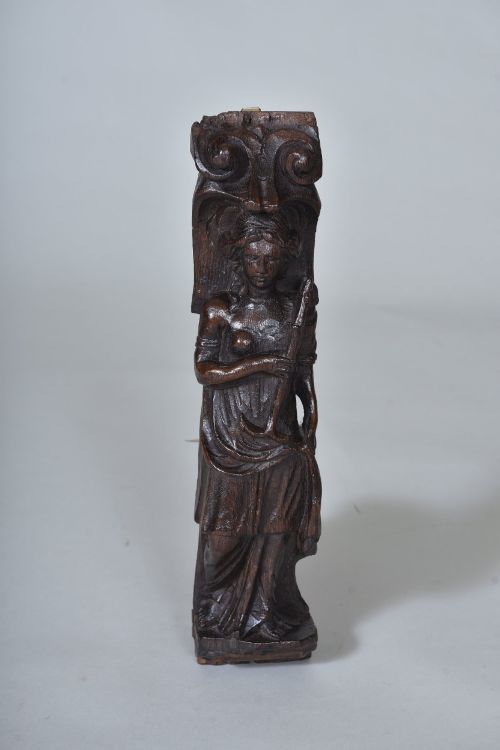
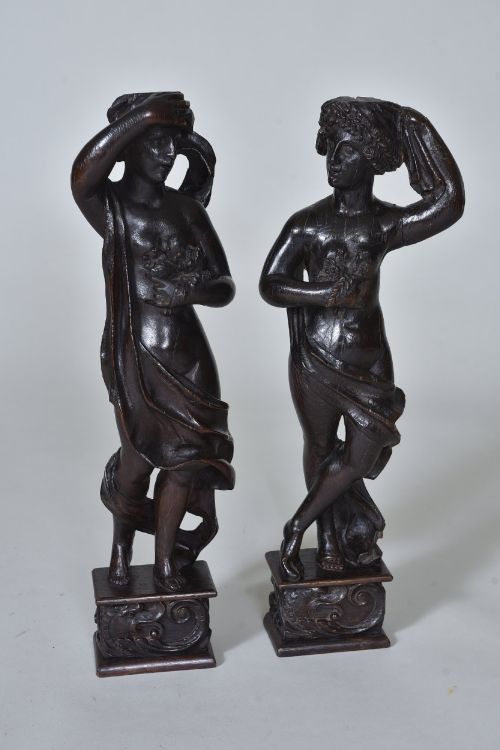
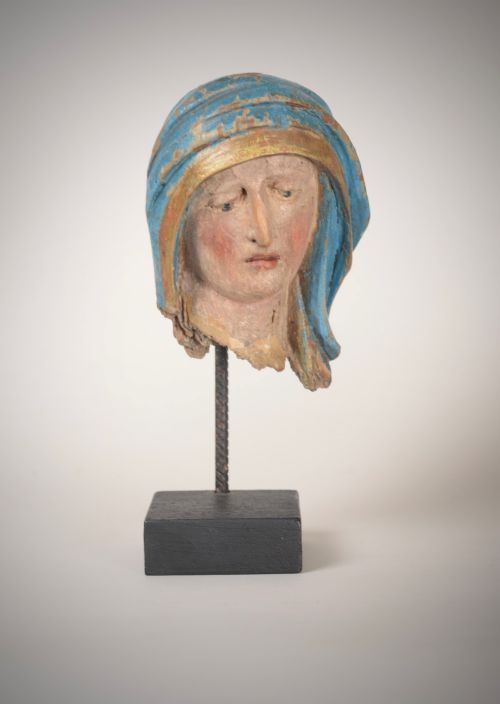
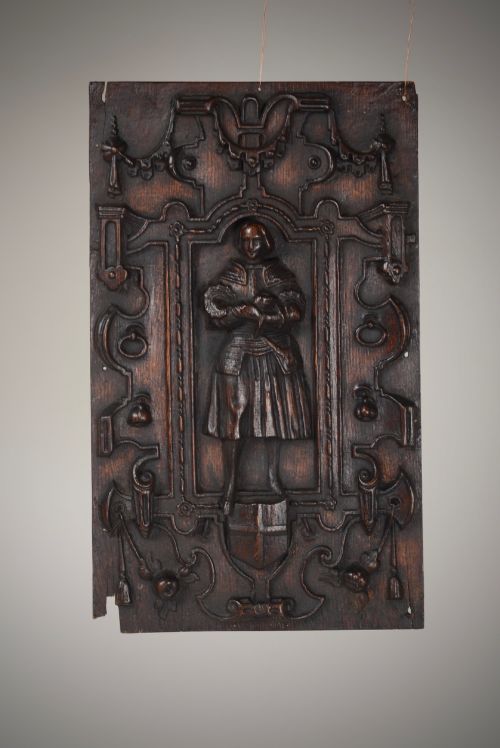
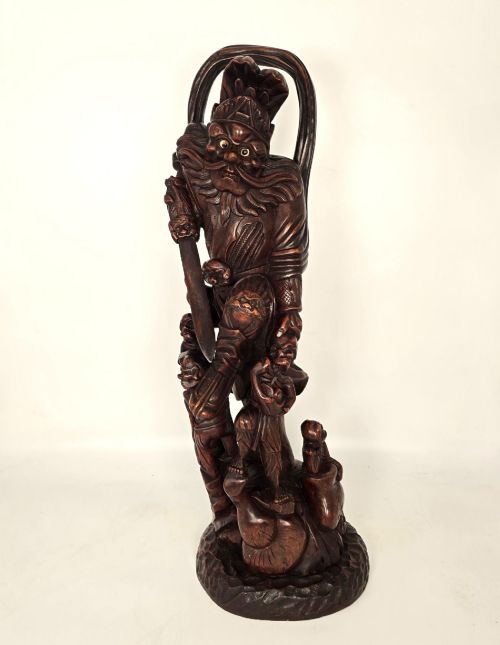
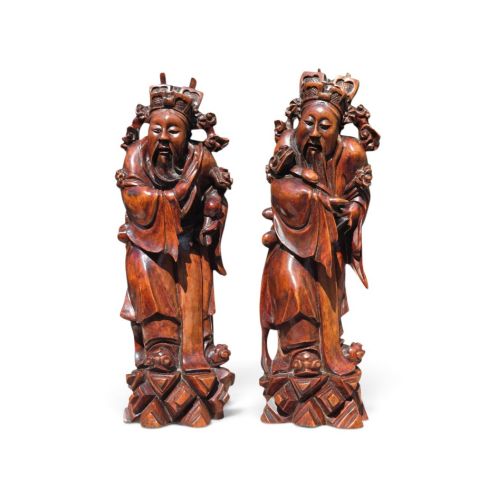
Carved Wooden Figure
A carved wooden figure brings tactile warmth and centuries of human craftsmanship directly into a room.
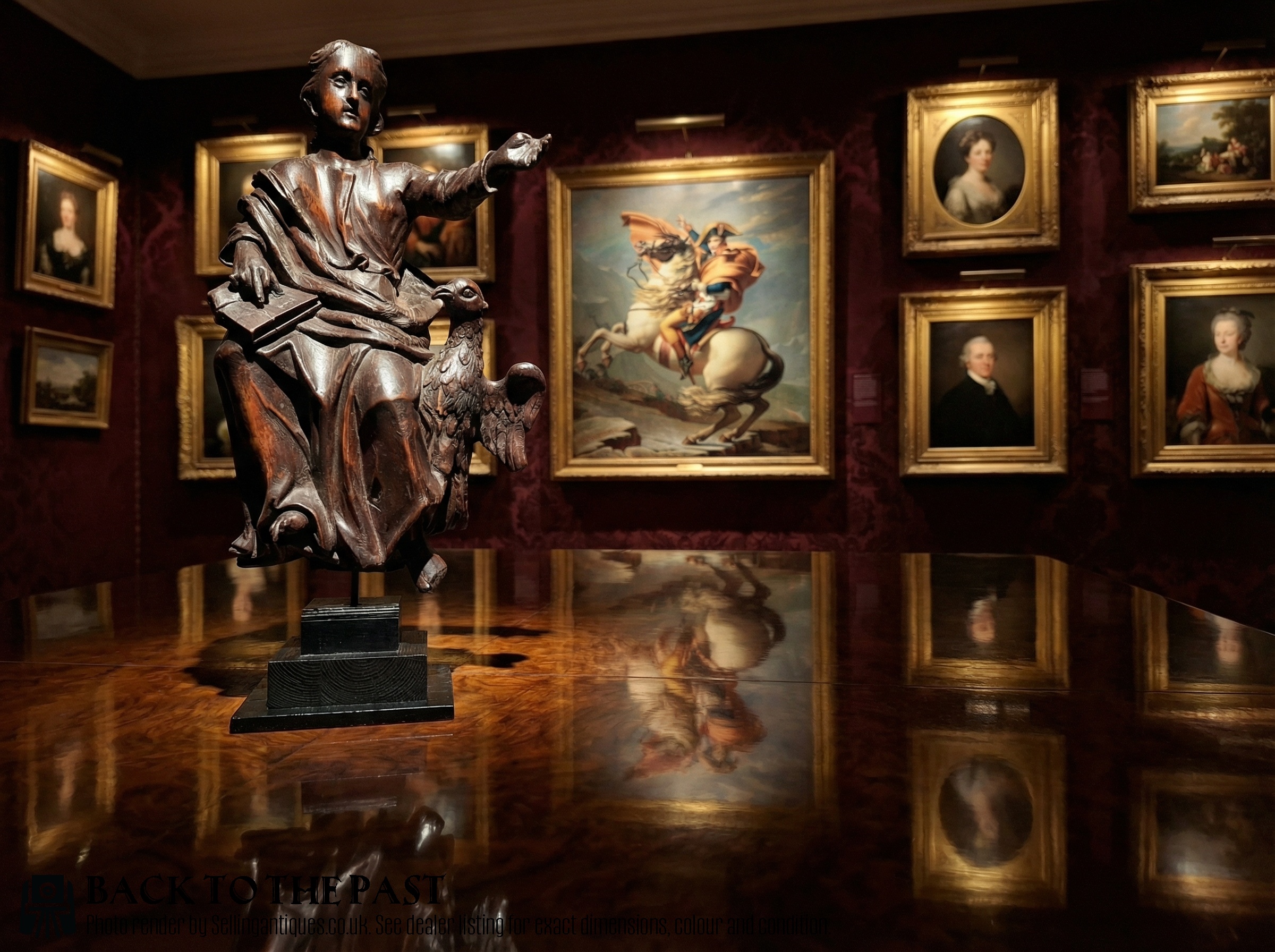
Carved Wooden Figure
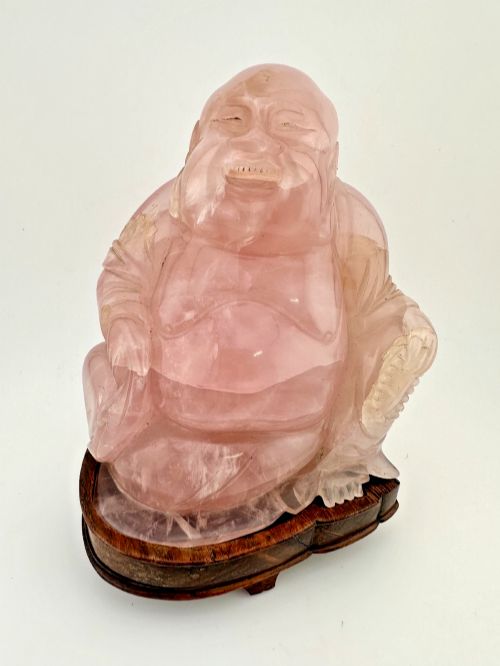
When searching for a carved wooden figure, buyers encounter a diverse array of sculptures, devotional icons, and decorative works spanning multiple centuries and global traditions. The selection includes European saints and religious fragments, intricate animal studies from the Black Forest, and monumental Asian deities.
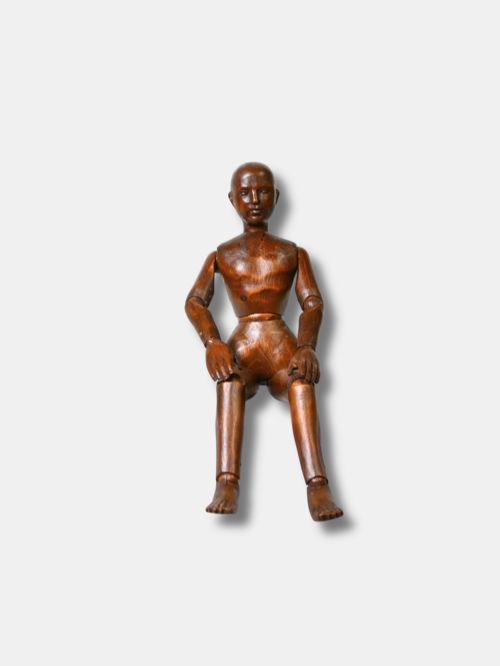
The objects on this page range from modest fruitwood carvings and bookends to life-size Continental oak figures and fully articulated artist lay figures. Domestic items such as match holders and tobacco figures sit alongside devotional art, reflecting both utilitarian and purely aesthetic origins.
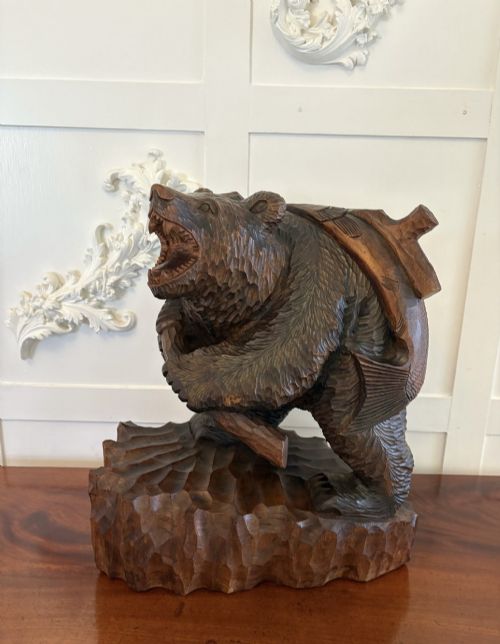
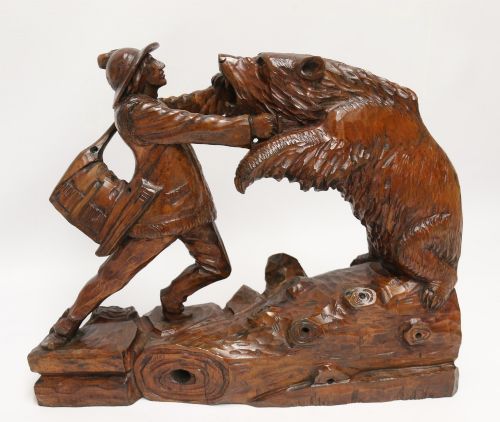
Nineteenth-century European carving traditions, particularly Swiss Black Forest work and French animalier or figurative sculpture, appear frequently alongside earlier seventeenth-century oak fragments and twentieth-century regional pieces. Buyers find both monumental guardian kings and small tabletop subjects representing human and animal forms.
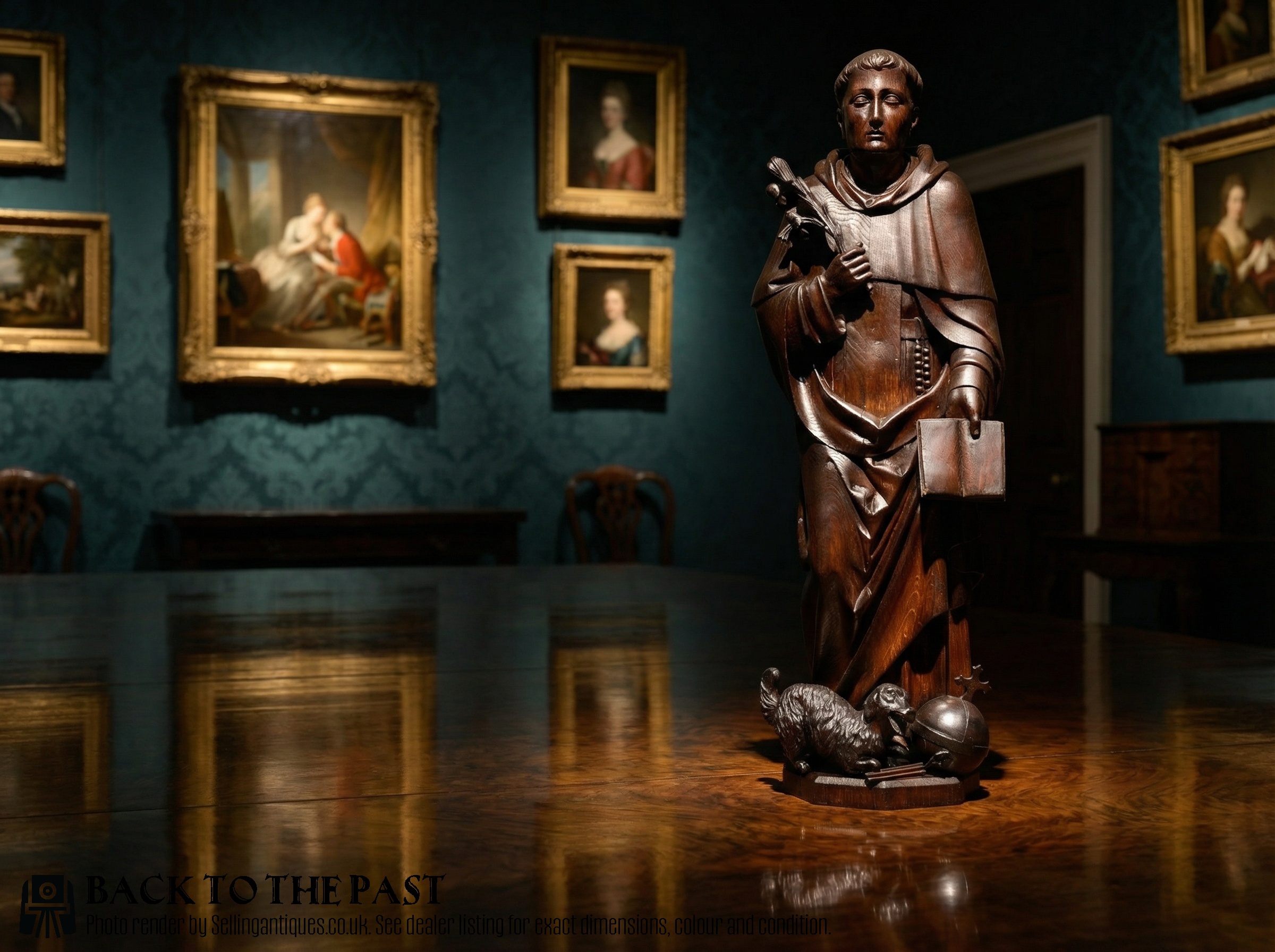
How They Were Made
Carvers utilised local and imported timbers suited to their regional traditions, choosing dense hardwoods like oak and walnut for architectural and devotional pieces, alongside softer fruitwoods, linden, and limewood for intricate animal and human detail. Grain direction dictated the depth of relief and the stability of the final form.
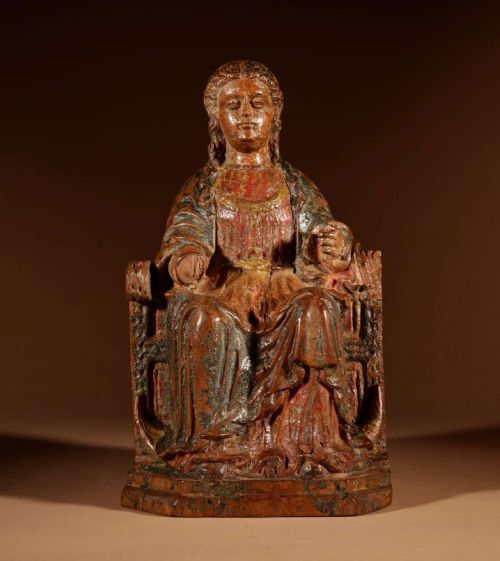
Hand chisels, gouges, and knives shaped the timber directly, leaving tool marks that reveal the rhythm of the maker's hand on unpainted surfaces. Gesso, gold leaf, and polychrome pigments were often applied to devotional sculptures and architectural panels to enhance visual richness.
Articulated figures required complex pinned joints of wood or metal to allow natural movement for artists and milliners, while architectural panels relied on deep relief carving techniques to create strong shadows and high contrast.
Carved Wooden Figure Retail Price Guide 2026
Typical asking prices for carved wooden figure among the pieces listed under this phrase on Sellingantiques today, from the lower quarter to the upper quarter. They describe what is for sale here now, not the wider market.
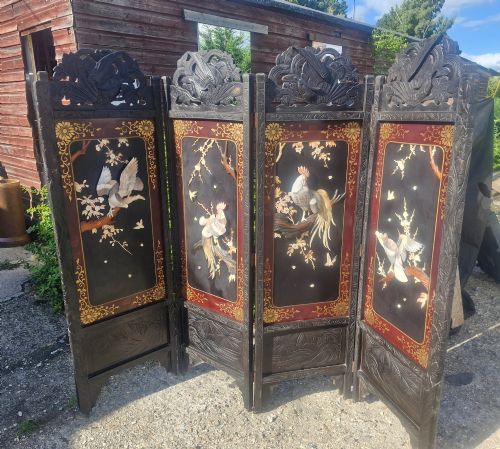
The inventory encompasses international traditions, showing Japanese folk art, Chinese hardwood guardian figures, African tribal art, and European religious sculpture.
What Varies in Quality
The success of a carved wooden figure depends heavily on the sensitivity of the carving and the anatomical understanding of the maker. Master carvers capture subtle tension in muscle, fabric, and expression, whereas lower-quality pieces rely on stiff, formulaic repetition and flat planes.
Material selection and the preservation of original surfaces dictate the desirability of a piece. Original polychrome paint, untouched gold leaf, and a warm, honest patina elevate an object, whereas heavy over-painting or aggressive cleaning obscures the crispness of the original cuts.
Anatomy and proportion distinguish standard workshop output from exceptional studio pieces, particularly in human and animal subjects where balance and gesture convey the spirit of the work.
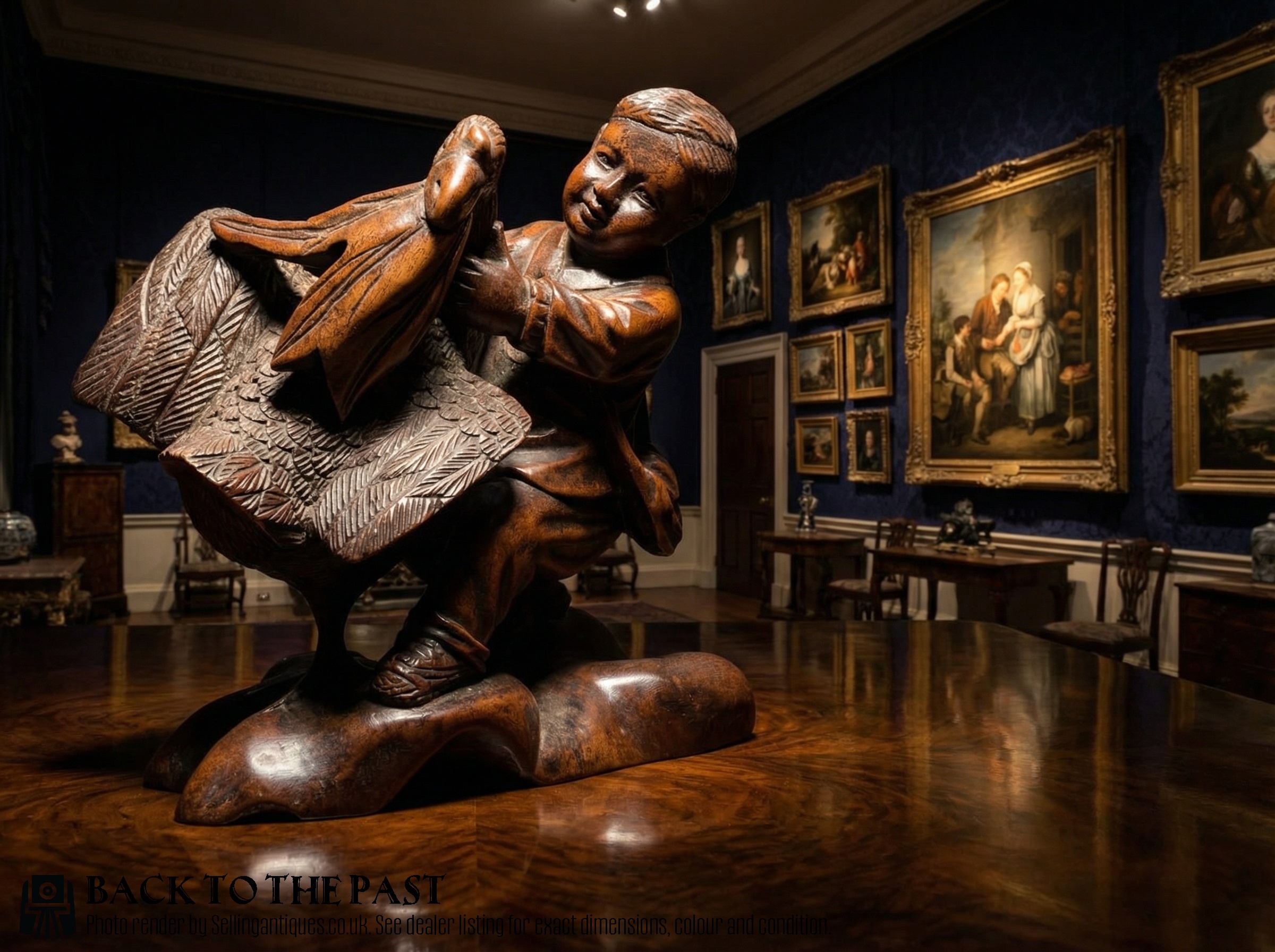
The Carved Wooden Figure Glossary
- Polychrome
- Painted in several colours, often applied over a gesso ground on wooden religious and decorative figures. This surface treatment was common in medieval and later Continental devotional art.
- Linden wood
- A pale, fine-grained timber favoured by nineteenth-century Swiss and German carvers for detailed animal and figurative groups. Its soft consistency allowed for deep, clean undercut details without splintering.
- Lay figure
- An articulated wooden mannequin used by artists, tailors, and milliners to study drapery and pose. These figures feature jointed limbs pinned together to hold static positions.
- Hardwood
- Timber from broad-leaved deciduous trees, such as oak, walnut, and mahogany, chosen for durability and fine structural carving. These dense woods resist heavy wear over centuries.
- Gesso
- A plaster-like mixture applied to wood surfaces as a smooth base for gilding or paint. It provides a crisp, bright foundation for decorative finishes.
Carved Wooden Figure: Frequently Asked Questions
How do I clean a carved wooden figure?
Dust the surface gently with a soft, dry brush to remove particles from deep recesses without disturbing the wood grain or any historic finish.
Avoid using water, liquid polish, or chemical cleaners, as moisture can raise the grain, swell the timber, or damage fragile gesso and polychrome layers.
How can I tell the age of a wooden carving?
Examine the tool marks left behind on the unexposed reverse or underside of the timber, as hand-cut chisel facets differ distinctly from modern machine milling.
Consider the wood shrinkage, natural oxidation, and patina built up through handling, which develop over long periods and cannot be easily replicated.
What is a Black Forest carving?
Black Forest carvings originate from the mountainous region of central Europe, renowned during the nineteenth century for producing lifelike representations of animals and rustic household objects.
These pieces are typically carved from linden wood or walnut, frequently depicting bears, deer, or owls integrated into functional items like bookends and table bases.
Where should I display my sculpture?
Position the piece away from direct sunlight, radiators, and rapid temperature shifts to prevent the timber from drying out, splitting, or warping over time.
Ensure the sculpture rests on a stable, level surface where it is safe from accidental knocks, allowing light to model the carved contours naturally.