
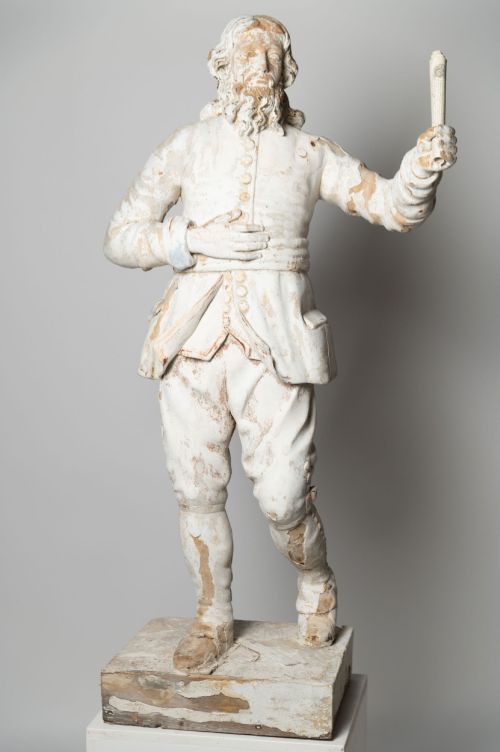
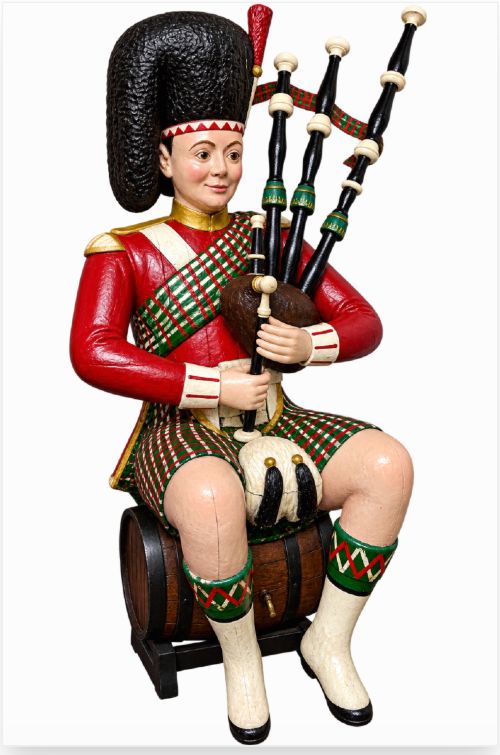
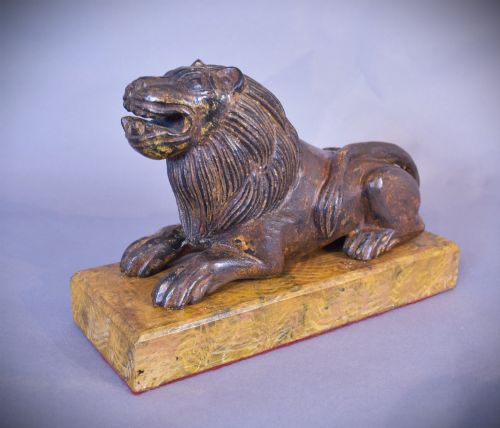
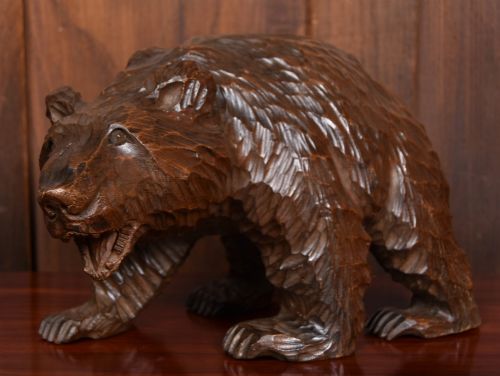
Folk Art Wooden Figure
A folk art wooden figure brings hand-carved character, vernacular history and regional charm directly into a room.
Folk Art Wooden Figure
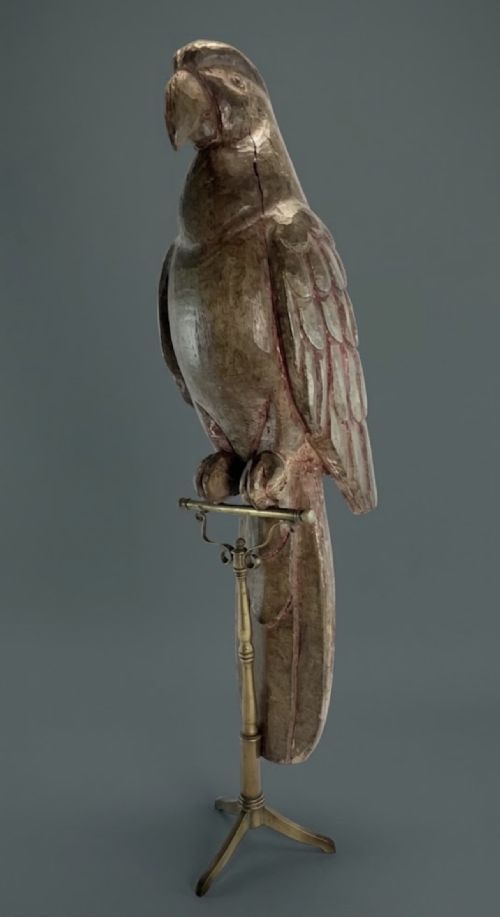
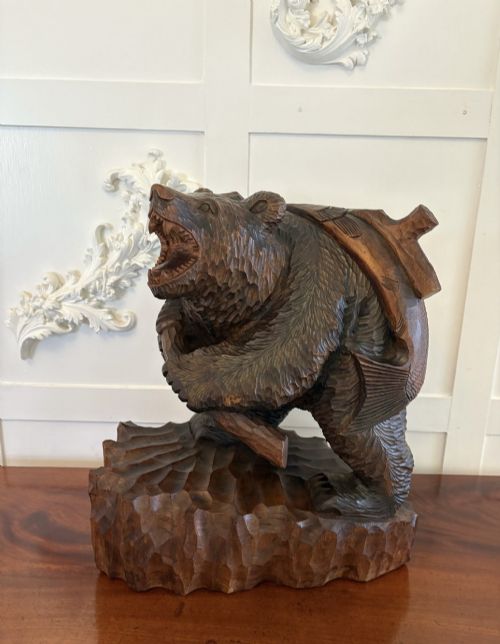
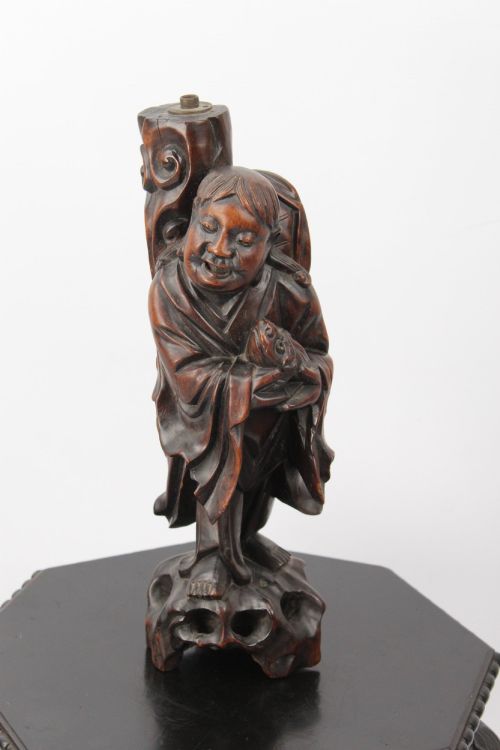
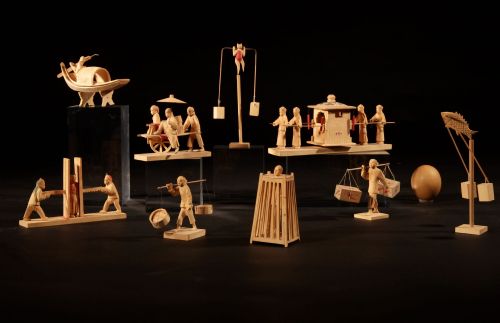
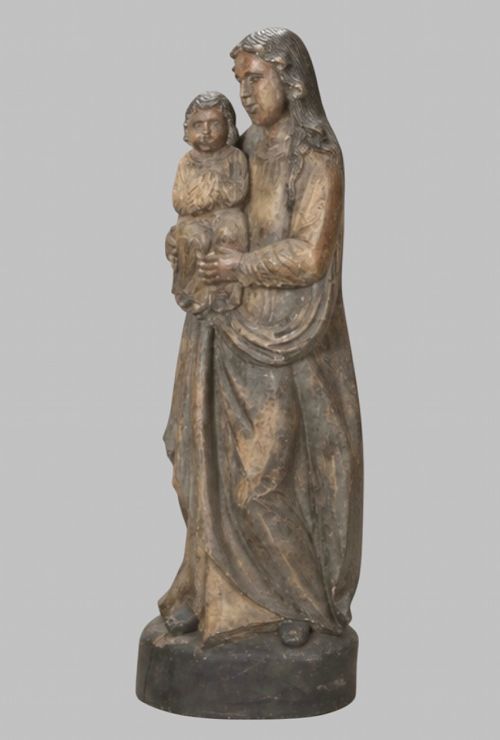
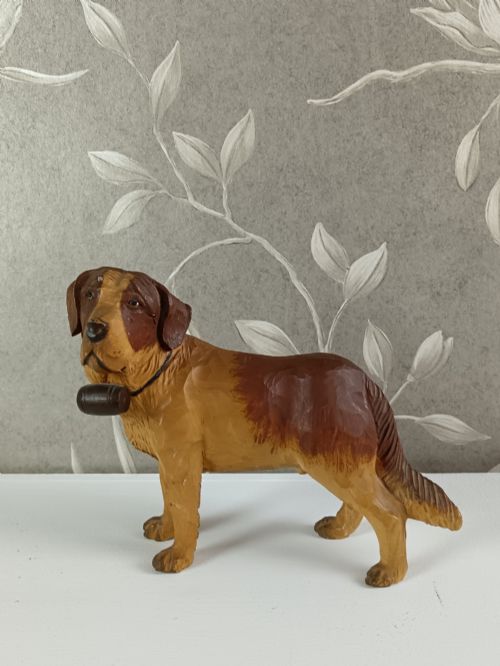
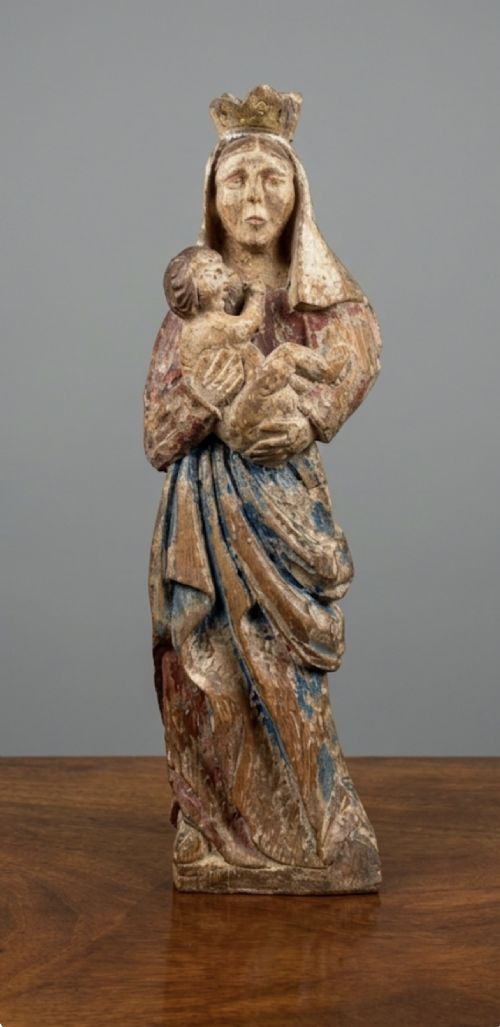
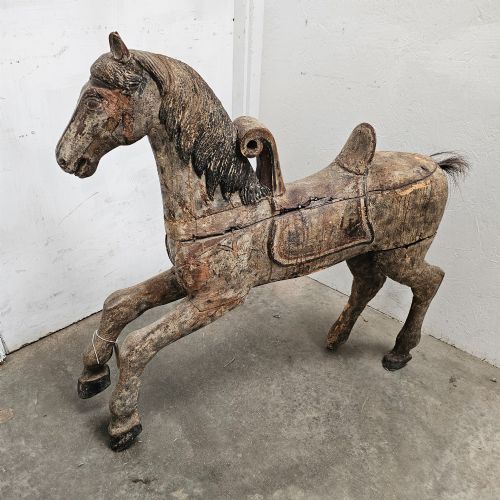
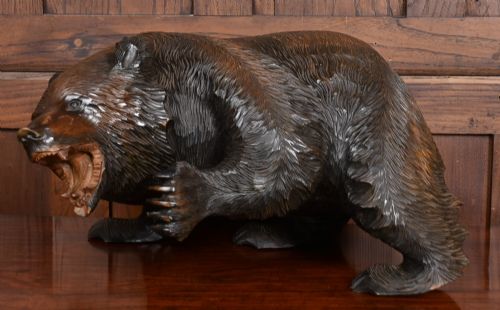
When you search for a folk art wooden figure, you encounter an eclectic mix of hand-carved sculptures, devotional saints, trade figures and animals dating from the seventeenth century through to the mid-twentieth century. The pieces span diverse cultural traditions, including Black Forest carvings, Japanese bears, Chinese immortals and French carousel horses.
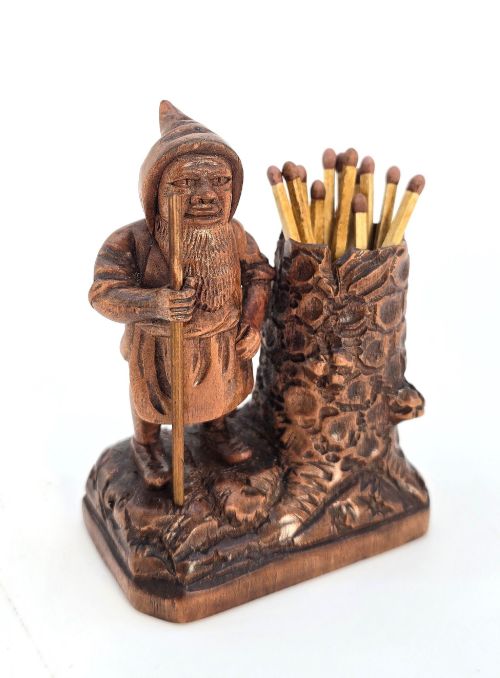
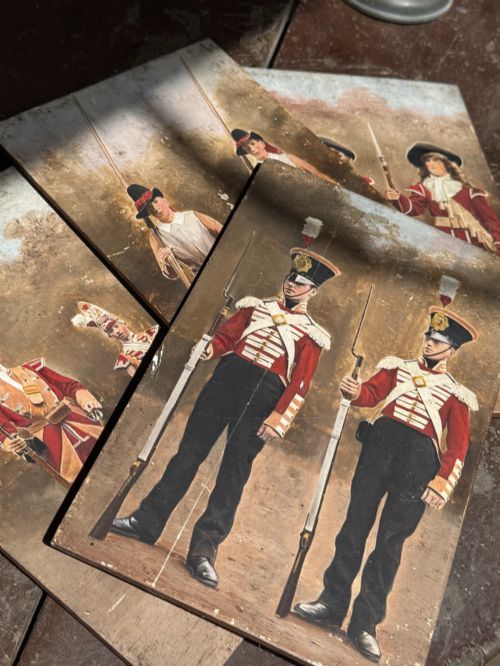
You are most likely to meet nineteenth-century examples on this page, ranging from naive painted horses and domestic match holders to figures of noblemen and saints. These objects encompass functional items like nutcrackers alongside pure decorative sculptures and flat dummy boards.
The material origins vary widely from regional European workshops to Asian traditions, capturing human forms, animals, deities and tradesmen with distinct regional expressions.
How They Were Made
These pieces rely on direct carving techniques using hardwoods, linden wood, walnut, limewood, yew burr and root wood, shaped with gouges and knives to bring out natural grain and texture. Many surfaces are enhanced with applied paint, gesso, metal accents, brass details or glass and stud eyes to give the figures life.
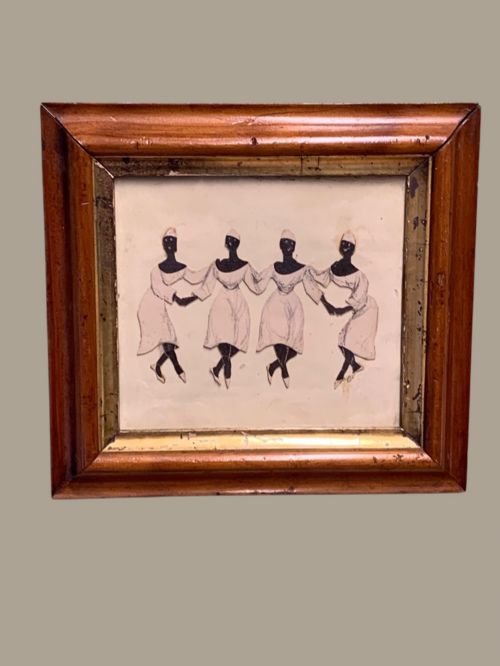
Certain items incorporate mixed elements like collage work, papier-mâché, straw, brass stands and painted panels, reflecting the resourceful nature of vernacular makers.
Listings feature items spanning the seventeenth to the mid-twentieth century, utilising woods such as walnut, linden, oak and yew burr.
What Varies in Quality
Quality rests in the confidence of the carving and the expressive power of the form, distinguishing lively hand-carved movement from stiff execution. Original painted surfaces and untouched patination carry more aesthetic weight than heavily restored or later painted finishes.
The ambition of the subject matter, from complex multi-figure scenes and large trade signs to simple domestic carvings, dictates the sculptural presence and sophistication of the piece.
The Folk Art Wooden Figure Glossary
- Dummy board
- A flat, painted wooden figure cut out to silhouette life-size humans or animals, often used as a silent companion in historic interiors.
- Gesso
- A plaster-like mixture applied to wood surfaces to provide a smooth base for painting and gilding.
- Black Forest carving
- Highly detailed wooden sculptures originating from the Brienz region of Switzerland, typically featuring bears, walnut furniture and woodland animals.
- Match holder
- A small domestic accessory, often carved into figurative shapes, incorporating a striking surface for matches.
- Patina
- The surface sheen and colour developed on wood and paint through age, handling and exposure.
Folk Art Wooden Figure: Frequently Asked Questions
What is a folk art wooden figure?
A folk art wooden figure is a hand-carved sculptural object made outside the formal academic traditions of art, often by local craftsmen or self-taught makers.
These pieces include animals, humans, saints, trade signs and decorative figures produced for domestic use, commerce or devotion.
How were these figures used originally?
The original uses varied widely depending on the form, ranging from shop trade signs and advertising displays to domestic match holders, nutcrackers and table lamps.
Many devotional figures served in religious contexts, while decoy ducks, carousel horses and dummy boards fulfilled specific functional roles in daily life.
How do I date a wooden figure?
Dating relies on tool marks, timber species, style of dress, construction methods and the nature of the surface paint or patination.
Comparing the object to known period pieces helps establish whether a carving belongs to the seventeenth, eighteenth, nineteenth or twentieth century.
How do I live with antique wood carvings?
Living with these carvings involves placing them away from direct heat sources and sudden humidity changes to protect the timber and original paint.
Gentle dusting with a soft brush preserves the surface patination without disturbing fragile pigments or aged finishes.