

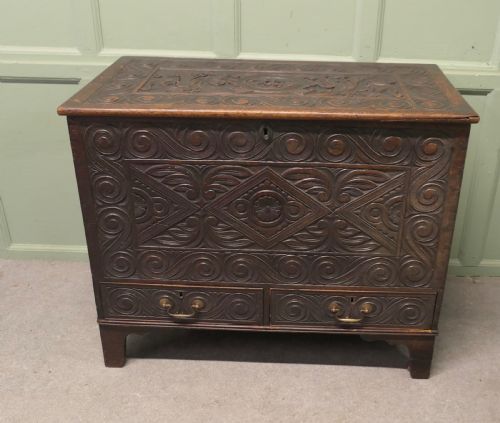


Carved Wooden Coffer Drawers
Carved wooden coffer drawers bring centuries of functional storage and detailed craftsmanship straight into a room.
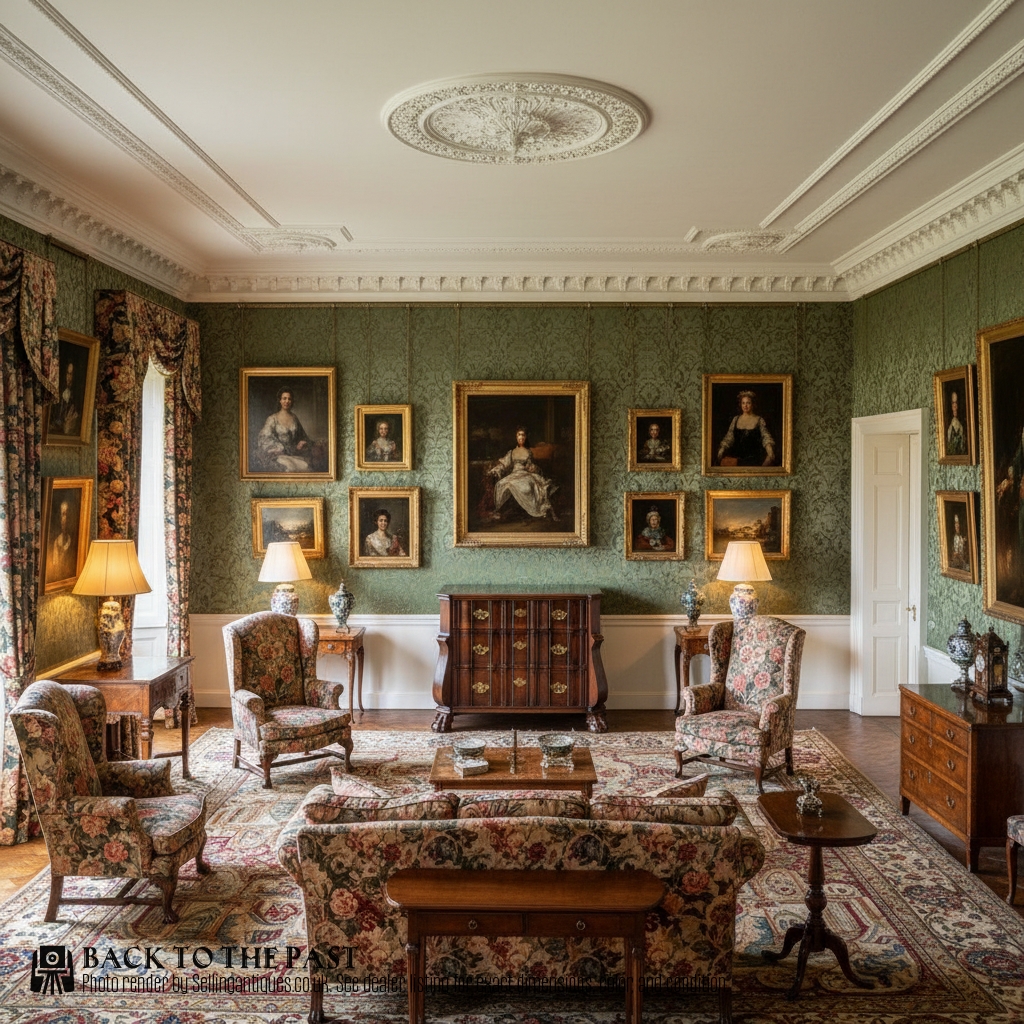
Carved Wooden Coffer Drawers
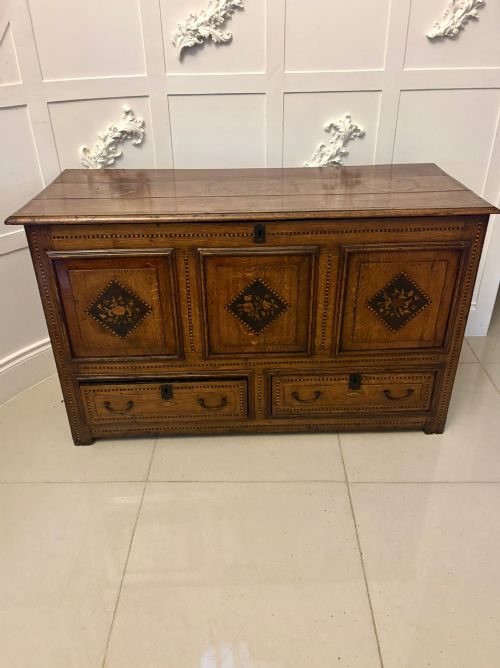
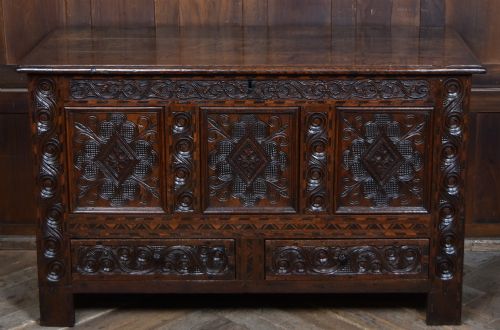
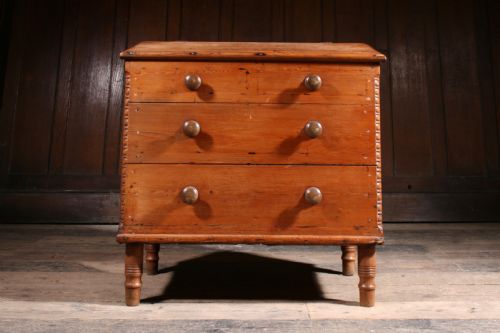
When searching for carved wooden coffer drawers, buyers encounter a mix of storage forms including mule chests, blanket boxes, and chests of drawers originating from the seventeenth to nineteenth centuries. These pieces combine deep lidded compartments with internal or base drawers for versatile household storage.
Oak dominates the selection, frequently paired with walnut, mahogany, pine, and exotic timbers such as cedar and Chinese elm. Most examples emerge from British workshops, alongside pieces displaying continental and colonial influences.
The category spans robust seventeenth-century Jacobean furniture, refined Georgian designs, and later revival pieces. Buyers most frequently meet eighteenth-century and Georgian oak mule chests featuring carved fronts and sturdy panel construction.
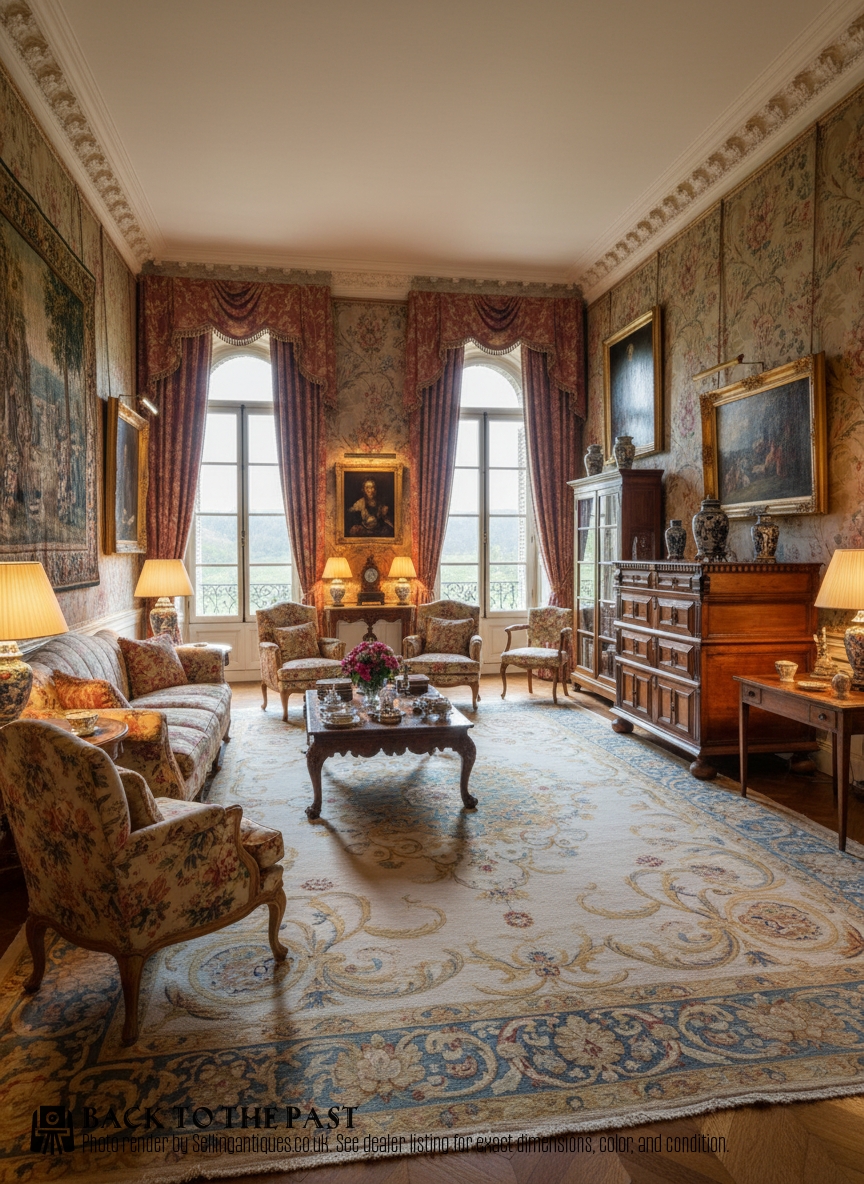
How they were made
Cabinet makers built these pieces using solid hardwoods like oak, walnut, and mahogany, often framing panels with tongue and groove techniques to accommodate natural wood movement. Surfaces received hand-carved ornamentation, sometimes enhanced with marquetry and wood inlay.
Hardware played a functional and structural role, with brass and iron used for hinges, escutcheons, and drawer pulls. Joinery relied on traditional pegged mortise and tenon joints to ensure long-term stability for heavy storage furniture.
Some seventeenth-century oak mule chests feature fierce Green Man carvings peering out from the woodwork to guard stored linens.
What varies in quality
Depth and crispness of the hand-carving separate standard utility furniture from finer commission pieces, where motifs like Green Man masks or intricate foliage show superior artistic execution. The selection of timber also dictates quality, particularly where burr elm panels or rich walnut veneers are utilised.
Integrity of the original structure and hardware influences the standing of a piece, with surviving stands, intact internal drawer configurations, and minimal timber replacement commanding greater appreciation among collectors.
The Carved Wooden Coffer Drawers Glossary
- Coffer
- A large wooden chest used historically for storing valuables, linen, or documents, often fitted with a hinged lid.
- Mule chest
- A traditional storage chest featuring one or more drawers built into the base beneath the main compartment.
- Marquetry
- Decorative veneer work arranged in intricate geometric or pictorial patterns using various coloured woods.
- Table box
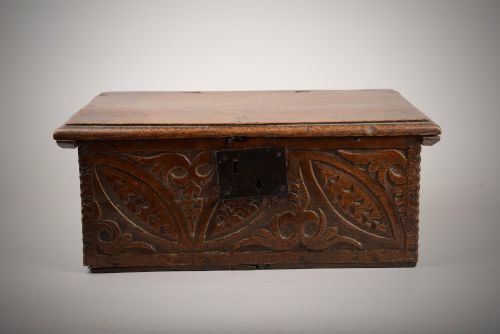
- A small portable wooden box, sometimes featuring internal drawers, designed to sit upon a table or desk.
- Commode
- A low chest of drawers or cabinet on legs, originating from French furniture design.
Carved Wooden Coffer Drawers: Frequently Asked Questions
What is a mule chest?
A mule chest bridges the design gap between a traditional lidded coffer and a modern chest of drawers. It provides a top-opening compartment for bulky items alongside pull-out drawers at the base for smaller possessions.
Cabinet makers developed this form during the seventeenth and eighteenth centuries to offer more accessible storage without sacrificing the depth of a standard blanket box.
How do I care for antique oak furniture?
Maintain antique oak by keeping it away from direct heat sources and dramatic humidity fluctuations, which can cause timber to split. Apply a microcrystalline wax polish occasionally to nourish the wood and protect the surface.
Avoid silicone-based sprays, as they build up over time and attract dust, dulling the natural patina developed over centuries.
How can I date a wooden coffer?
Examine the construction methods, tool marks, and timber selection to determine the approximate age of a coffer. Hand-sawn boards, pegged joints, and vernacular carving styles often point to seventeenth or eighteenth-century origin.
Hardware such as iron hinges and brass lock plates also provide clues, though fittings were frequently replaced or repaired during the long working life of a piece.
Where were coffer drawers used?
These versatile pieces served primarily in bedrooms, parlours, and hallways for storing household textiles, blankets, clothing, and valuables. Their sturdy construction allowed them to function double duty as seating or tables when not accessed for storage.
In grand houses and modest cottages alike, they formed the backbone of domestic storage before fitted wardrobes became common.