
Carved Wooden Chest Drawers
These carved wooden chest drawers span centuries of storage craft, offering sturdy compartments and panelled fronts that suit traditional and contemporary rooms alike.
Carved Wooden Chest Drawers
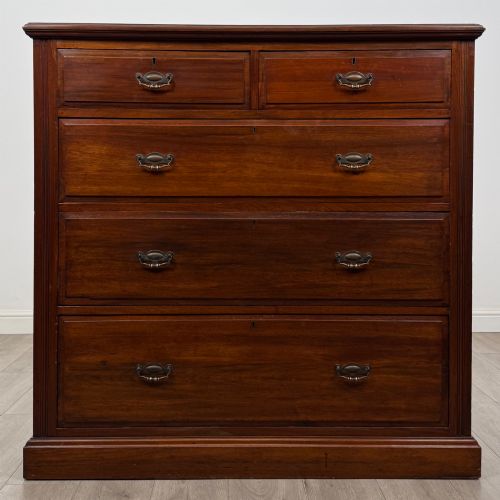
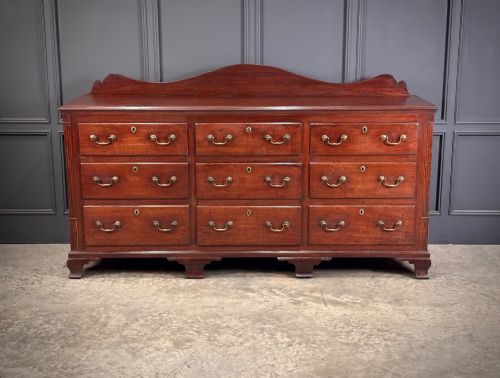
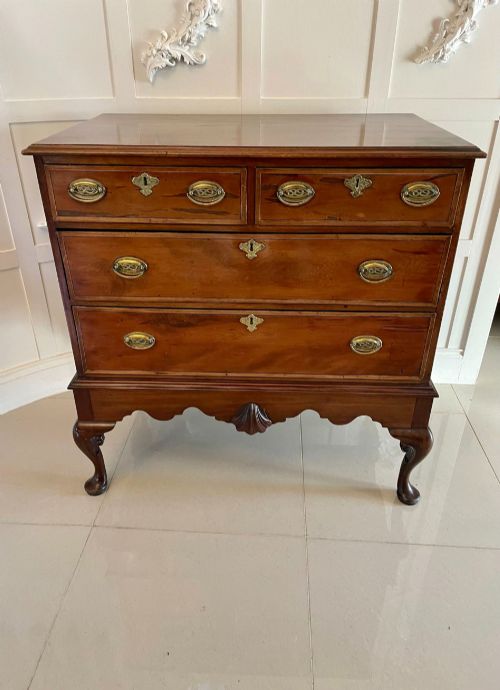
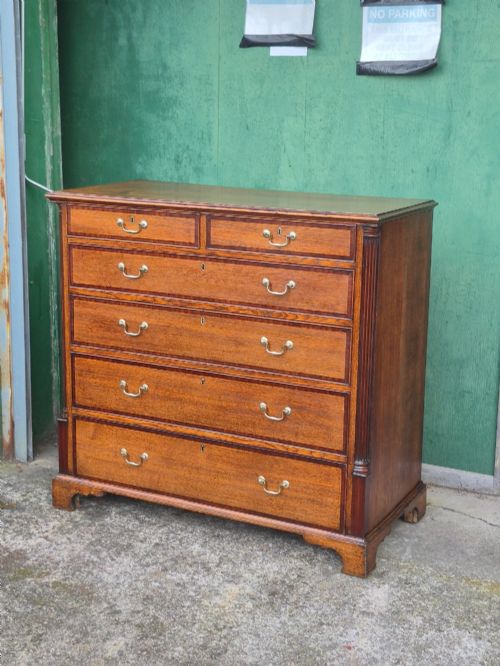
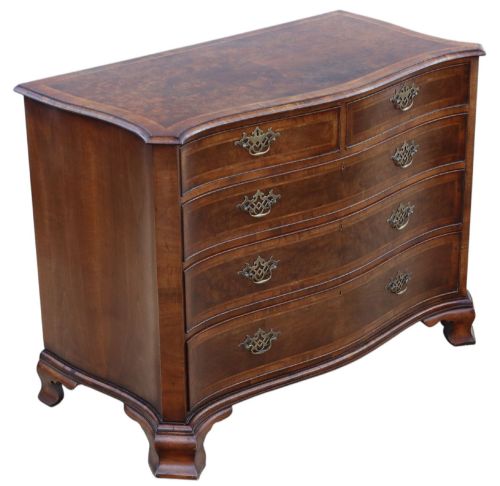
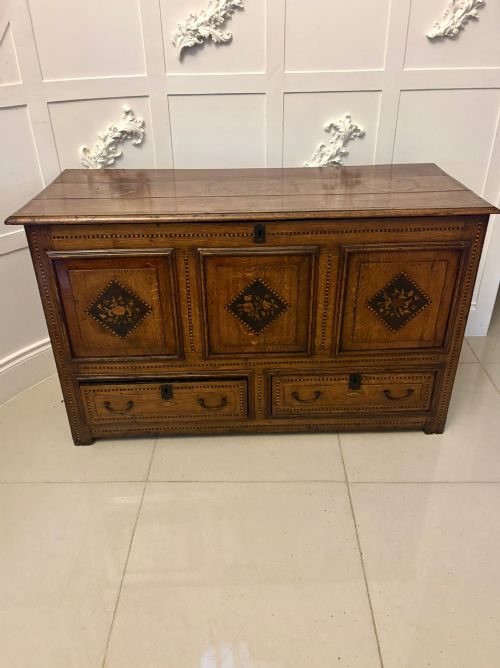
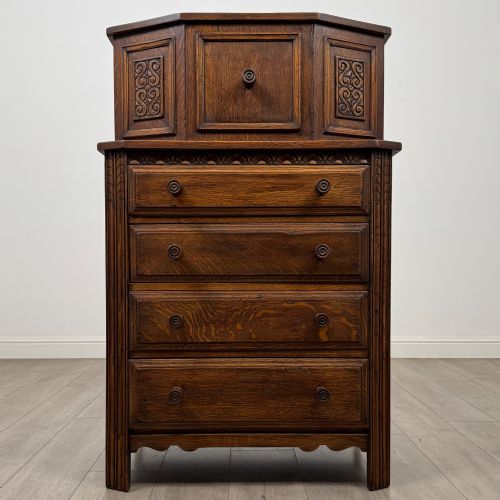
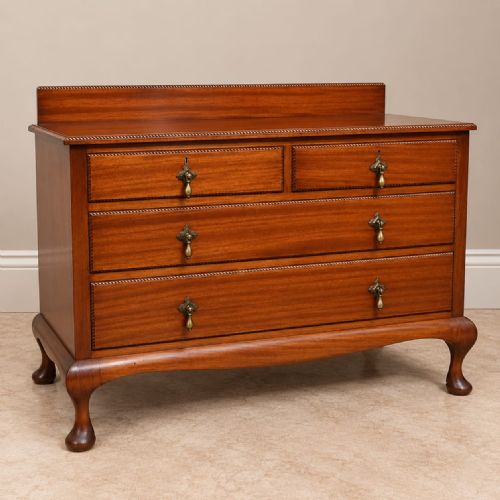
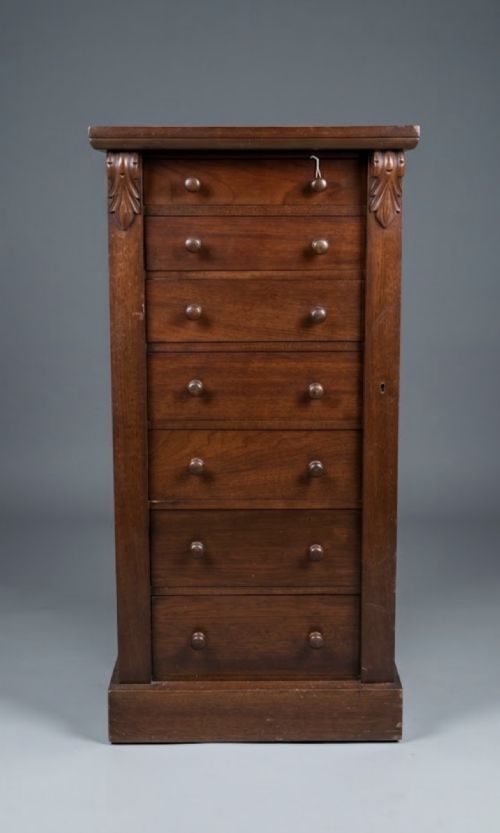
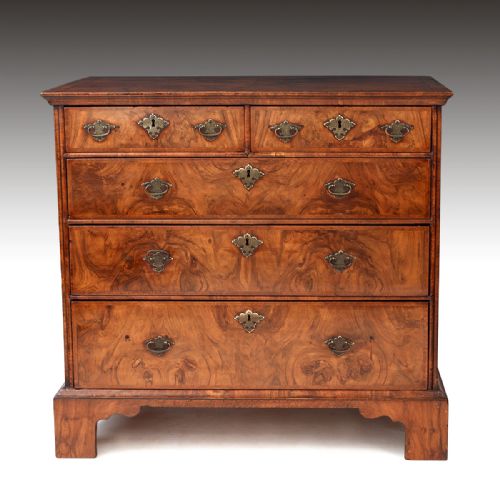
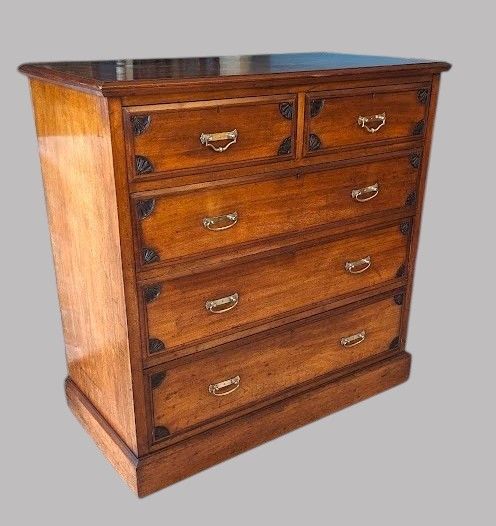
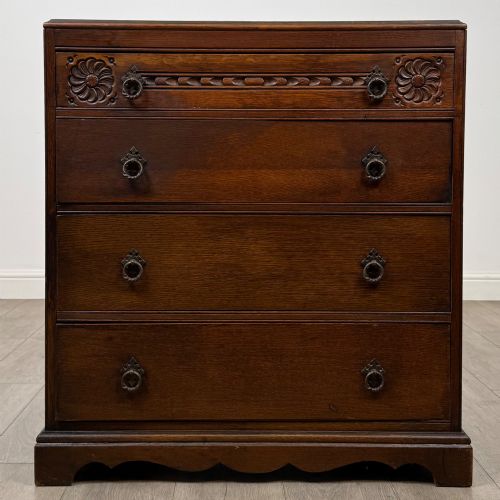
Carved wooden chest drawers encompass robust domestic storage forms originating from seventeenth-century oak pieces through to Edwardian iterations. Buyers encounter substantial case pieces, mule chests, and compact Wellington chests designed for utilitarian use in chambers and halls.
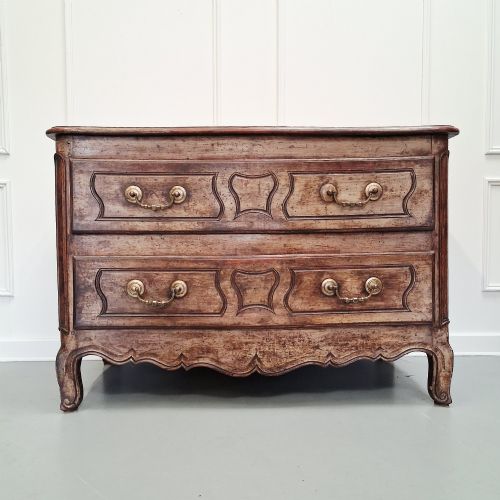
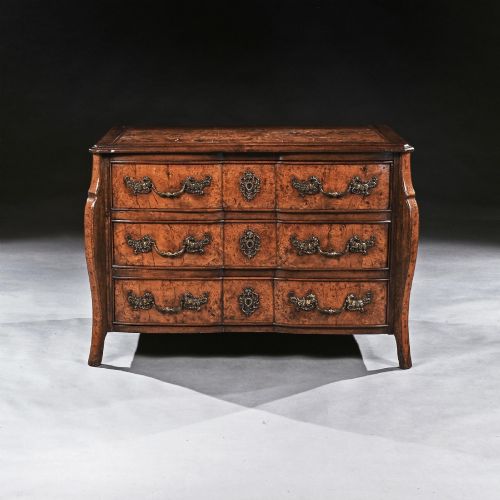
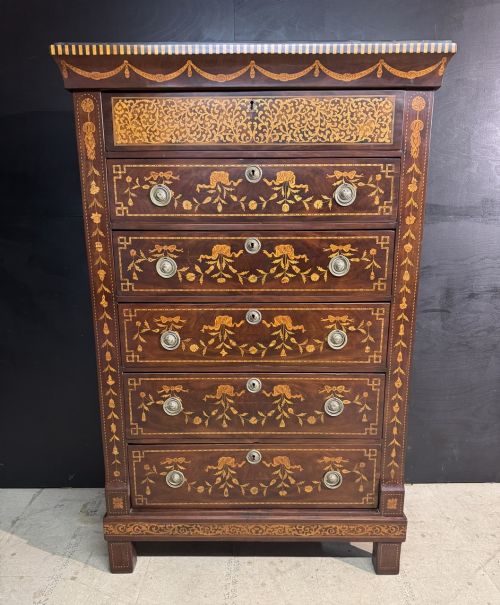
The selection here draws heavily upon nineteenth-century mahogany and oak examples alongside earlier walnut and elm specimens. Provincial French commodes and Dutch marquetry items also appear, bringing varied regional proportions and decorative carving to the category.
How they were made
Cabinet makers utilised dense hardwoods such as oak, mahogany, walnut, and elm, building carcases with pegged mortise and tenon joints or dovetailed drawer construction. Surfaces received hand-carved detailing, diamond-point mouldings, marquetry inlay, or crossbanded veneers.
Hardware typically consists of brass handles, drop pulls, and iron escutcheons secured to drawer fronts that glide on wooden runners. Finish layers applied by hand enhance the natural grain of burr walnut, flame mahogany, and golden oak.
One sweet little box brings together tramp art and sweetheart tokens from a Victorian parlour.
What varies in quality
Quality rests in the selection of timber figures, such as matched flame mahogany or intricate burr walnut, and the crispness of carved mouldings rather than mechanical uniformity. Superior examples display tight dovetailing, original brass hardware, and timber linings that remain stable across seasons.
Lesser pieces show unsympathetic timber replacements, heavy-handed modern sanding that erases period tool marks, or compromised structural joints. The integrity of the secondary woods inside the drawers often separates standard utility items from fine workshop production.
The Carved Wooden Chest Drawers Glossary
- Wellington chest
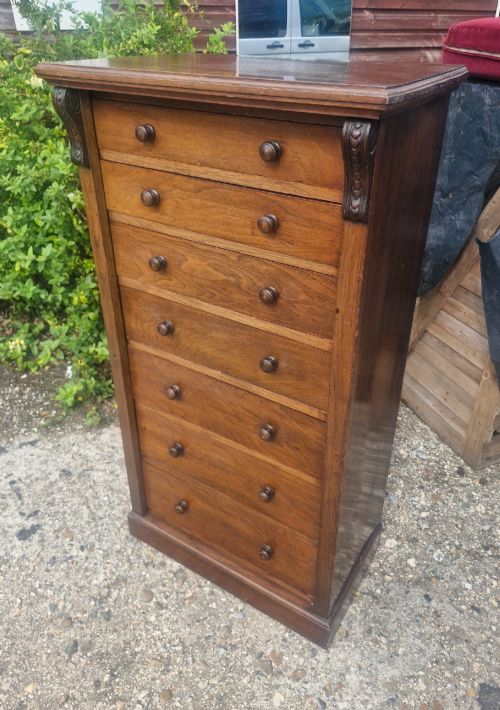
- A tall, narrow locking chest of drawers secured by a hinged side pilaster bar.
- Mule chest
- A storage chest fitted with one or two drawers at the base beneath the primary compartment.
- Marquetry
- Decorative veneer patterns formed from thin slices of contrasting wood laid into a prepared surface.
- Bombe
- A swelling, convex furniture profile associated with continental commodes and baroque case pieces.
- Crossbanding
- A narrow strip of veneer laid around the border of a drawer front with the grain running perpendicular to the centre.
Carved Wooden Chest Drawers: Frequently Asked Questions
How do I date a chest?
Dating relies upon construction methods, timber choice, and hardware styles observed across the piece. Hand-cut dovetails and pegged frame joints generally point to earlier periods, whereas machine-sawn components indicate later production.
Secondary woods inside the drawers and the style of the locks also provide reliable clues to the decade of manufacture.
Are these drawers suitable for daily use?
Most antique case pieces function well for everyday storage provided the drawers run smoothly on their wooden tracks. Regular waxing and stable room humidity keep the timber drawers moving freely.
Overloading deep drawers with heavy modern items should be avoided to protect antique carcases and bottom boards.
How do I care for antique wood?
Antique wood surfaces benefit from application of natural beeswax rather than modern silicone sprays. Keeping pieces away from direct heat sources prevents the timber from splitting and veneers from lifting.
Gentle dusting with a soft cloth preserves the polish built up over centuries of use.