
Two Drawer Oak Commode
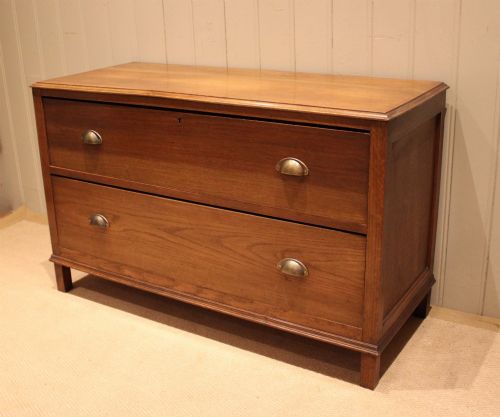
A two drawer oak commode offers robust storage with timeless timber grain, perfect for grounding a hallway or bedroom.
Two Drawer Oak Commode
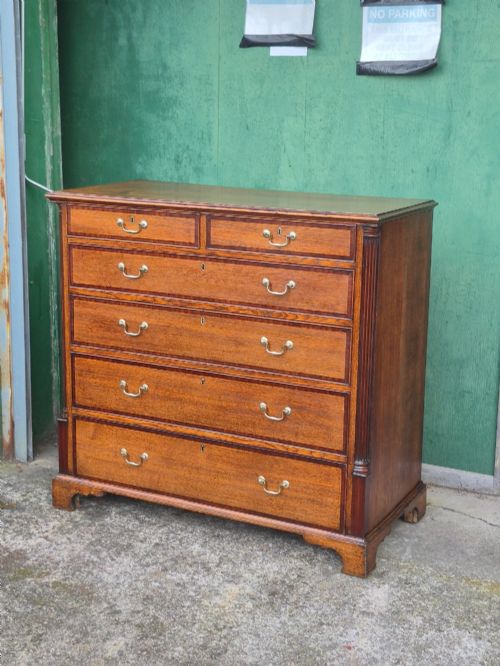
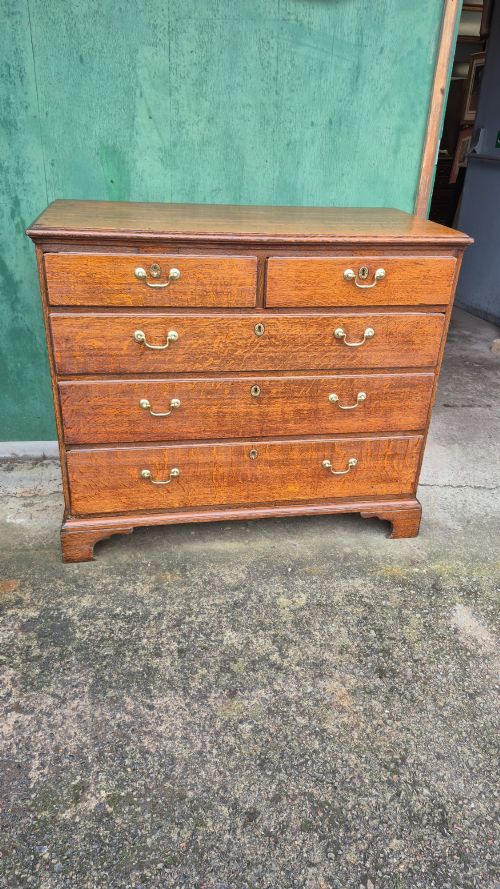
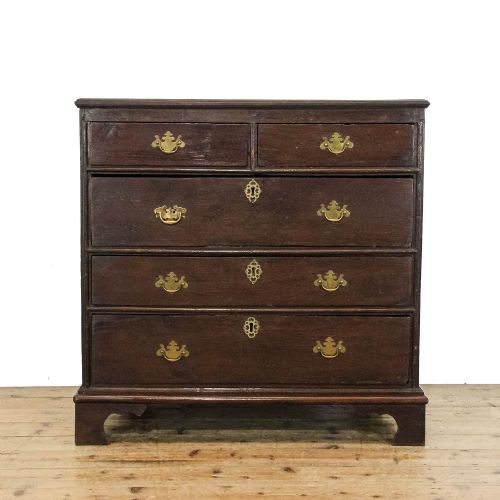
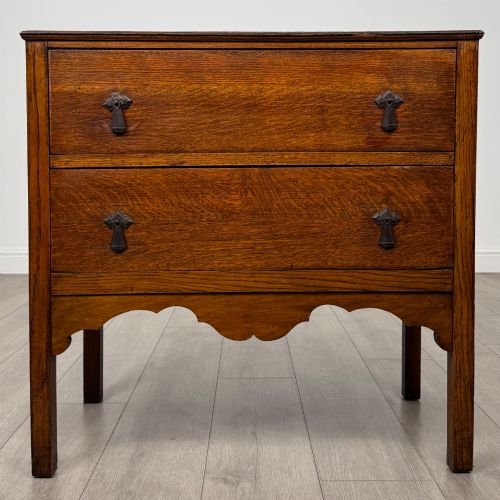
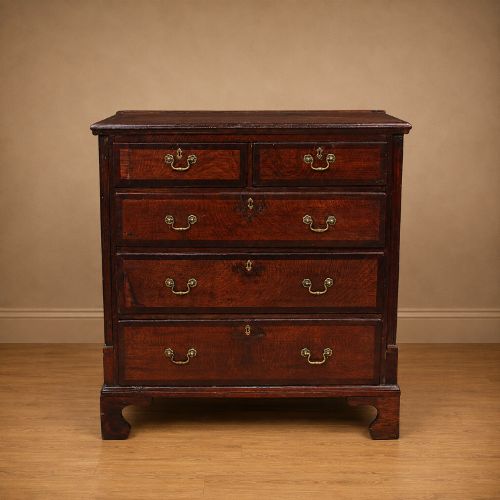
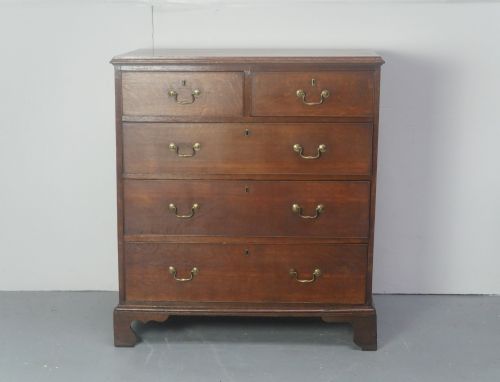
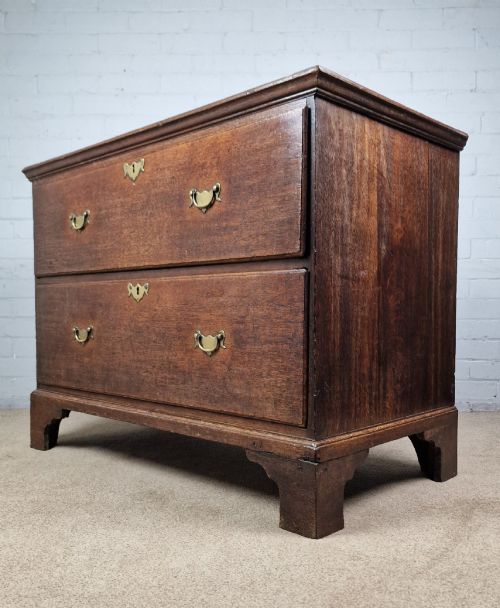
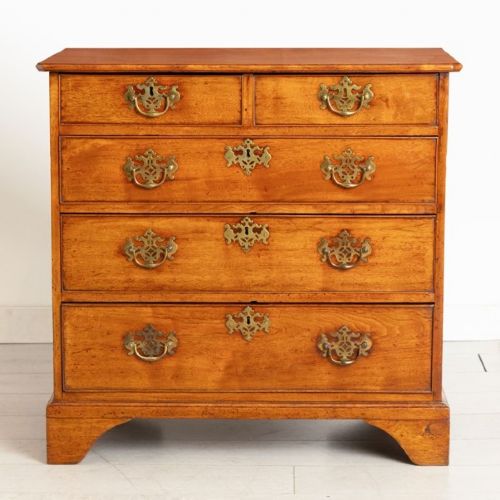
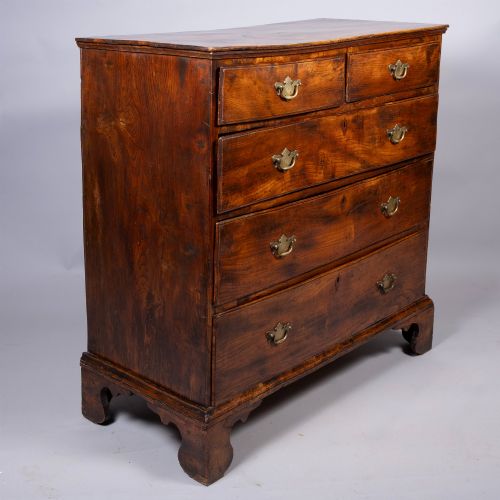
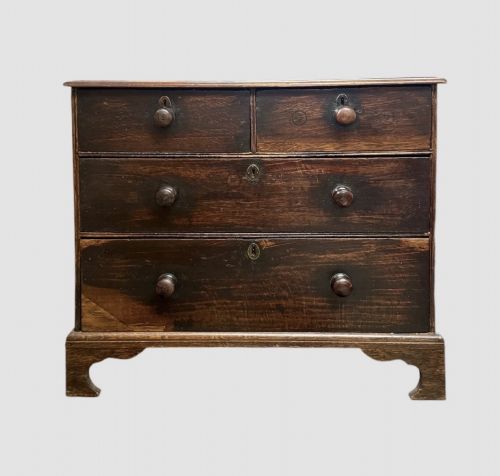
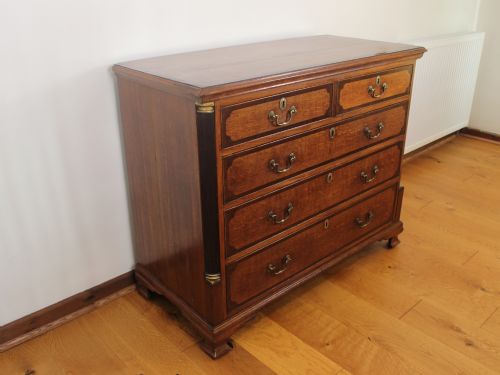
A two drawer oak commode provides a sturdy timber carcase fitted with a pair of horizontal sliding compartments for storage. Buyers searching for a two drawer oak commode encounter pieces ranging from seventeenth-century geometric sectioned sections to Georgian farmhouse varieties and Edwardian reinterpretations.
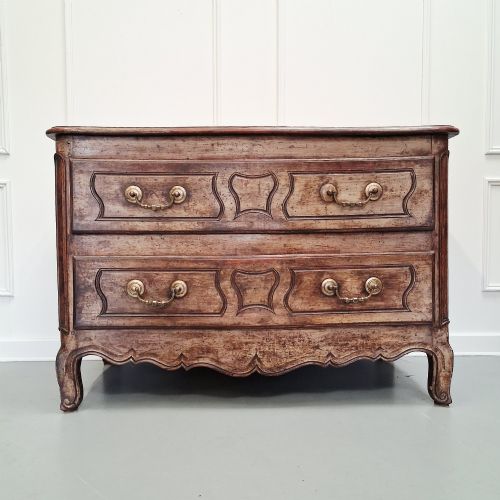
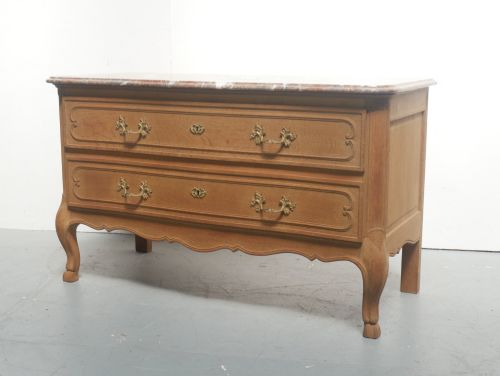
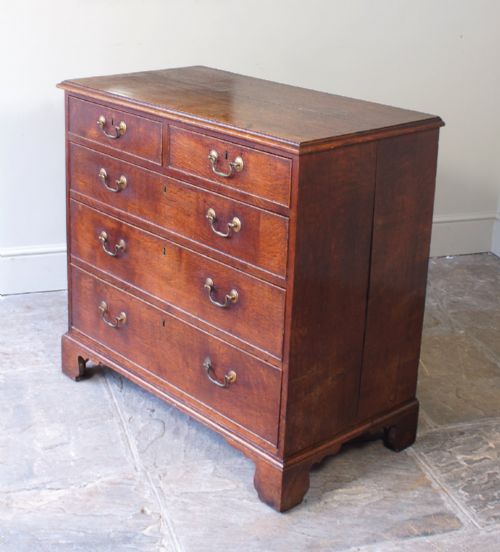
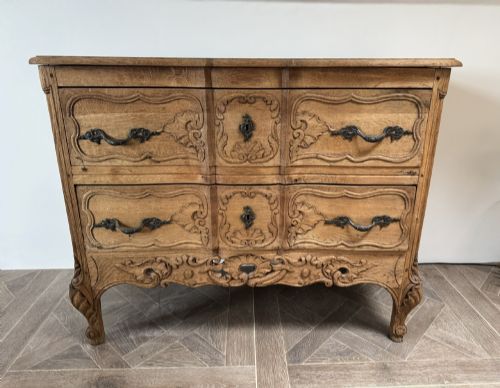
The versions most common on this page date from the eighteenth century and the Georgian period, often showcasing golden oak surfaces or mahogany crossbanding. Forms vary from low proportions and straight fronts to French provincial commodes topped with marble or finished in painted wood.
Makers utilised resilient hardwoods to construct these storage items, combining utilitarian function with decorative moulding, bracket feet, and original brass handles. Such chests serve practical needs in contemporary interiors while retaining centuries of domestic history.
What varies in quality
The standard of a piece depends heavily on the selection of timber and the preservation of original structural elements like bracket feet and brass handles. Pieces featuring figured grain, clean crossbanding, and undisturbed seventeenth-century geometric mouldings sit at the higher end of the scale.
Proportion and scale also dictate desirability, with lower heights and smaller footprints commanding greater attention from collectors. Altered drawer configurations or replaced timber sections detract from the integrity of the antique.
Some seventeenth-century chests arrive in two separate stackable parts, perhaps because medieval builders enjoyed a modular furniture puzzle.
The Two Drawer Oak Commode Glossary
- Crossbanding
- A decorative border technique where thin strips of veneer are laid across the grain of the primary wood to create a contrasting frame around drawer edges.
- Bracket foot
- A structural support foot shaped like a bracket, commonly found supporting the corners of Georgian case furniture.
- Commode
- A low chest of drawers or cabinet originating in French furniture design and later adopted across British cabinet making.
- Geometric moulding
- Raised wooden mouldings applied to drawer fronts in rectilinear patterns, characteristic of seventeenth-century cabinet work.
Two Drawer Oak Commode: Frequently Asked Questions
What is a two drawer oak commode?
A two drawer oak commode is a low storage chest constructed from solid oak timber featuring two horizontal sliding compartments.
These pieces span multiple centuries and regional styles, including British Georgian designs and French provincial commodes.
How do I date an oak commode?
Dating relies on examining construction techniques, timber choice, hardware, and stylistic motifs such as geometric mouldings or bracket feet.
Earlier seventeenth-century versions often feature two-part carcases and heavy mouldings, whilst Georgian examples display refined crossbanding and lighter proportions.
Where should I place a commode?
These compact chests suit entryways, hallways, or living rooms where surface display space and concealed storage are both required.
Their lower profile prevents them from dominating smaller rooms while still providing functional tabletop space.
Are French and English commodes different?
French commodes frequently incorporate painted finishes, bleached oak surfaces, or marble tops, reflecting continental aesthetic preferences.
English counterparts tend to highlight the natural grain of golden oak or incorporate mahogany crossbanding within strict Georgian proportions.