


Carved Wooden Bench Seat
A carved wooden bench seat brings practical seating and architectural presence to a hallway or interior scheme.
Carved Wooden Bench Seat
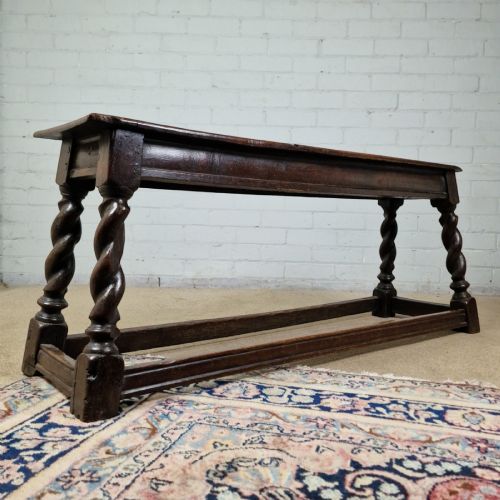
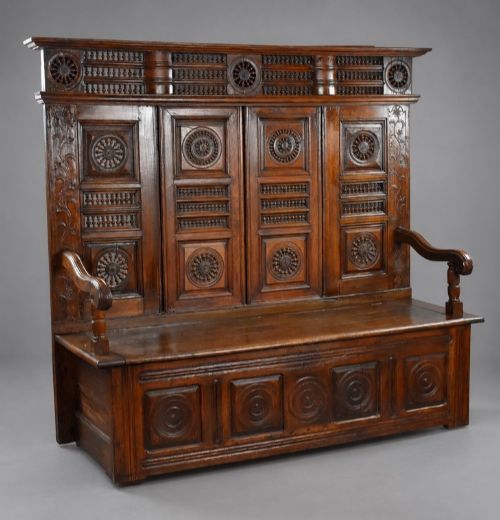
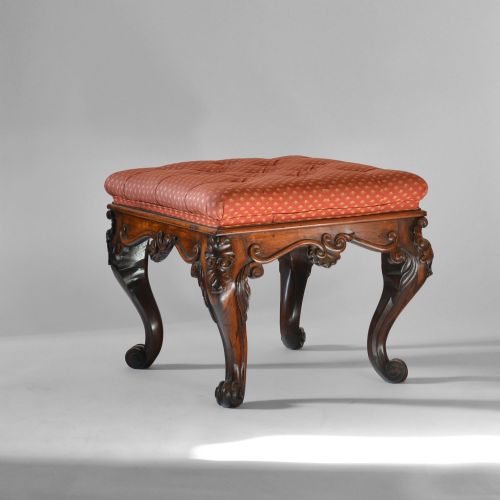
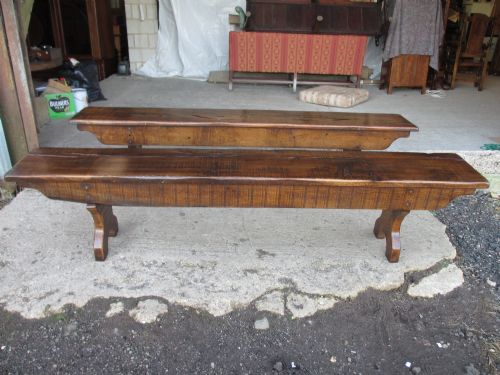
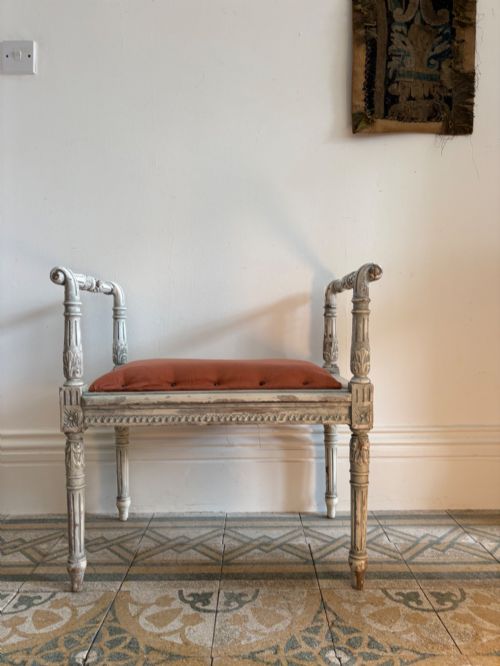
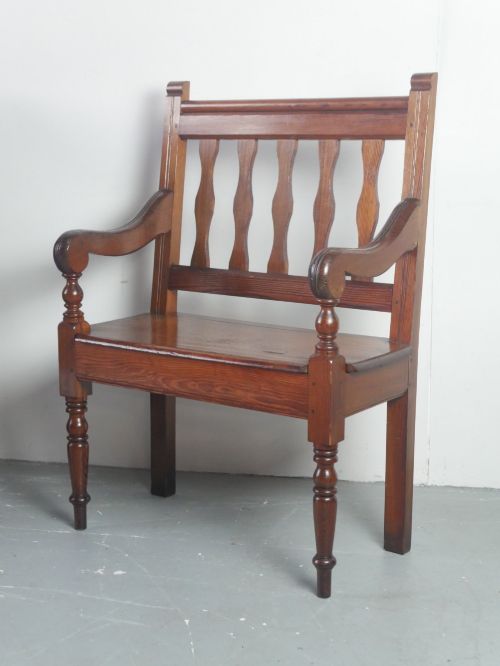
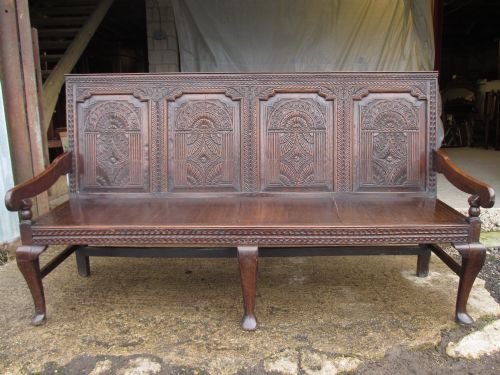
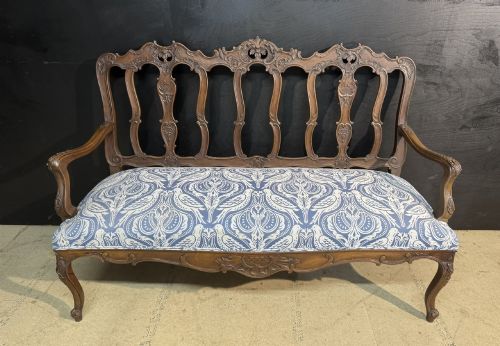
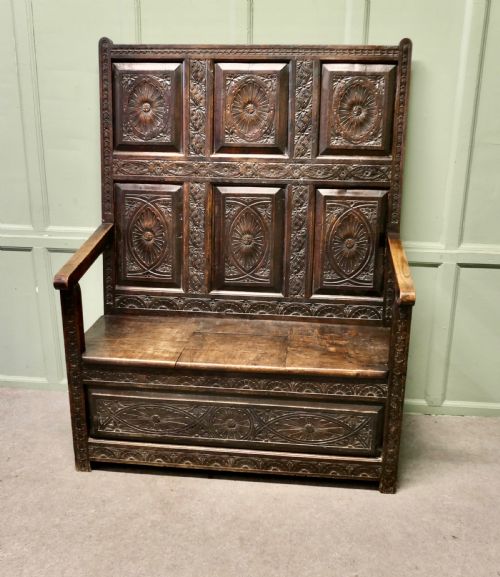
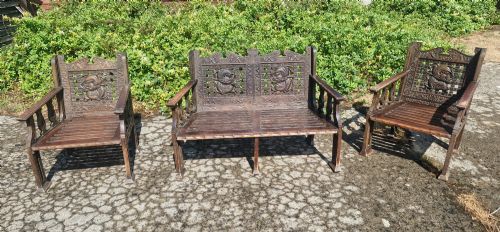
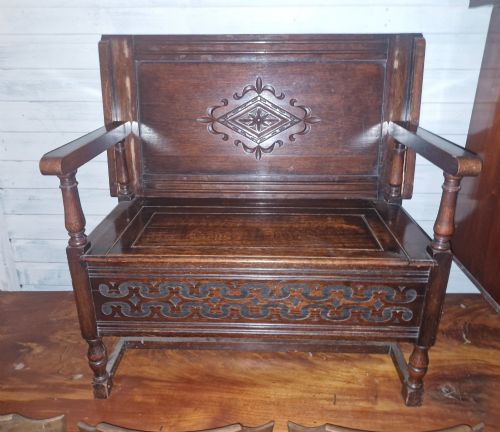
A carved wooden bench seat encompasses hall benches, settles, and window seats originating from periods spanning the eighteenth through the early twentieth century. These pieces serve functional purposes in entrance spaces, often combining storage boxes or high backs with decorative timber work.
The versions most frequently encountered on this page date from the Victorian and Edwardian eras, constructed in substantial oak or mahogany. Common configurations include panelled backs, trestle ends, and lift-up seats designed for narrow corridors and reception rooms.
Makers and regional workshops produced diverse regional interpretations, from Gothic revival oak pieces to Anglo-Indian and Spanish colonial hardwoods. Buyers select these items to anchor an interior with period character and solid timber construction.
Materials and construction methods
Makers relied primarily on native and imported timbers, predominantly oak and mahogany alongside walnut, rosewood, and pine. These woods were chosen for their structural strength and capacity to hold crisp hand-carved ornamentation.
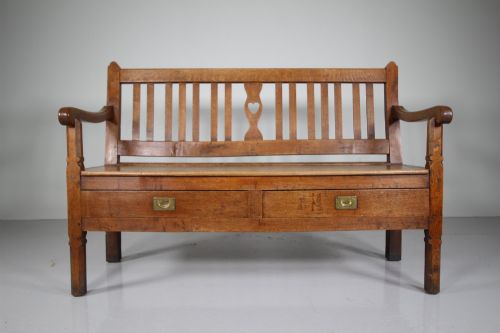
Joinery techniques combined traditional mortise and tenon joints with panelled construction, solid planking, and box compartments. Metal components such as brass mounts or hinges provided functional reinforcement to lift-up lids and high-backed settles.
A surprising number of these antique wooden seats double as hiding spots, featuring lift-up box lids ready to swallow your clutter.
Factors that distinguish individual examples
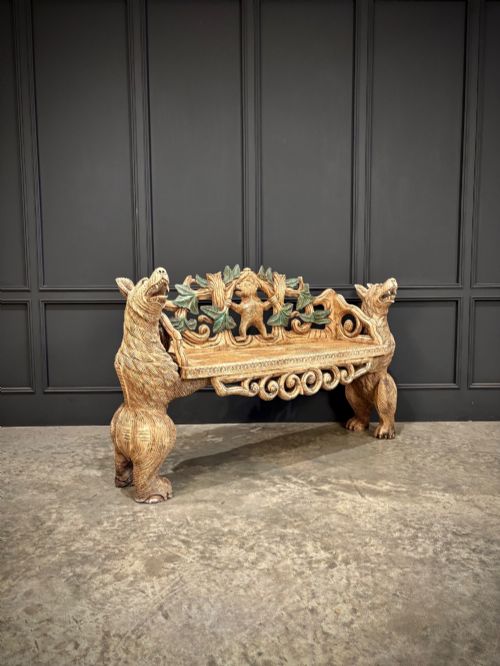
The depth and execution of the carved ornamentation largely separate utilitarian pieces from high-status workshop productions. Crisp relief work on panels, armrests, and crestings indicates skilled hand execution rather than mechanical repetition.
The integrity of the timber and the retention of original surfaces, such as early wax finishes or historic paint, determine the visual cohesion of the piece. Substantial scantlings of solid oak or mahogany without excessive structural replacement maintain the intended architectural weight.
Gillows·Jas Shoolbred·James Shoolbred & Co
The Carved Wooden Bench Seat Glossary
- Settle
- A wooden bench with a high back, solid arms, and often a box base intended to block draughts in traditional hallways. These pieces typically feature panelled construction and substantial timber proportions.
- Cassapanca
- An Italian wooden bench featuring a built-in chest beneath the seat, combining storage and seating in a single architectural form. Such pieces are frequently executed in walnut with carved detailing.
- Trestle ends
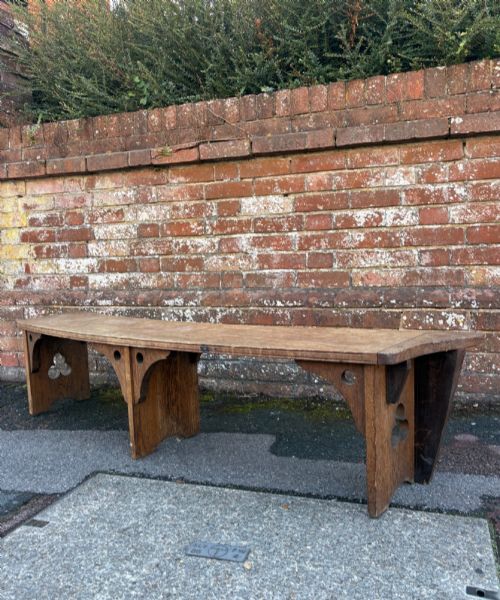
- Supporting vertical feet or panels placed at either end of a bench rather than traditional four-legged designs. This construction method provides stable floor contact for heavy oak seating.
- Window seat
- A long, narrow bench designed to fit into a window recess, usually low in height. These forms appear in mahogany, pine, or painted finishes across Georgian and nineteenth-century periods.
- Trefoil
- A three-lobed decorative carving motif resembling clover leaves, commonly found in Gothic revival and Arts and Crafts furniture. This detail ornaments supports and panel tops.
Carved Wooden Bench Seat: Frequently Asked Questions
Where should I place a hall bench?
A hall bench sits naturally in an entrance hall, corridor, or boot room where its narrow footprint provides functional seating.
Many examples include lift-up lids or box compartments that offer concealed storage for shoes and household items.
How do I care for antique oak furniture?
Maintain antique oak by applying traditional beeswax periodically to nourish the dry timber and preserve the historic finish.
Keep wooden seating away from direct heat sources and sudden temperature fluctuations to prevent the wood from splitting.
How do I identify a Gothic revival piece?
Gothic revival pieces display architectural motifs such as trefoil carvings, pointed arches, and heavy framework inspired by medieval design.
These characteristics appear frequently on late nineteenth-century oak furniture produced during the Victorian and Arts and Crafts periods.