

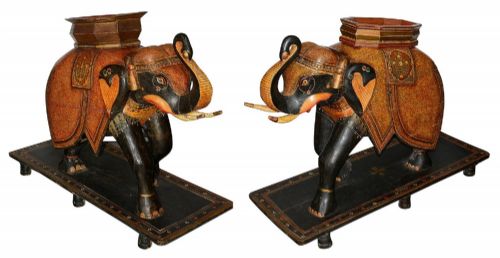


Carved Wood Pedestal Figure
A carved wood pedestal figure brings dramatic presence to a room, combining sculptural craft with architectural display.
Carved Wood Pedestal Figure
A carved wood pedestal figure brings together a sculpted subject and its supporting column or base, designed to elevate an artistic work or decorative object within a room. When you search for a carved wood pedestal figure, you encounter diverse regional traditions ranging from European decorative arts to Asian sculptural works.
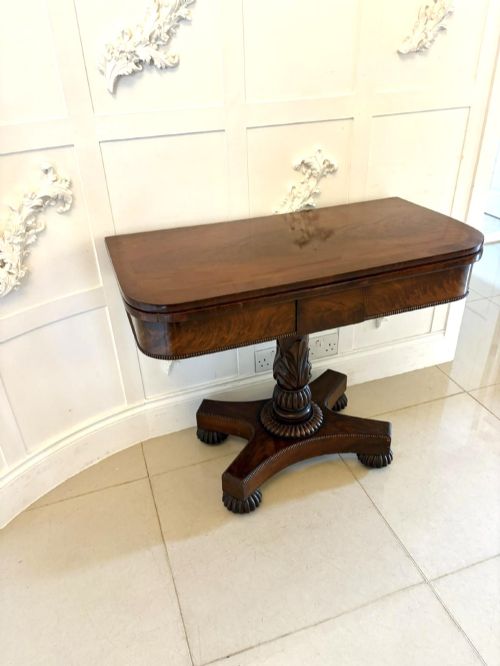
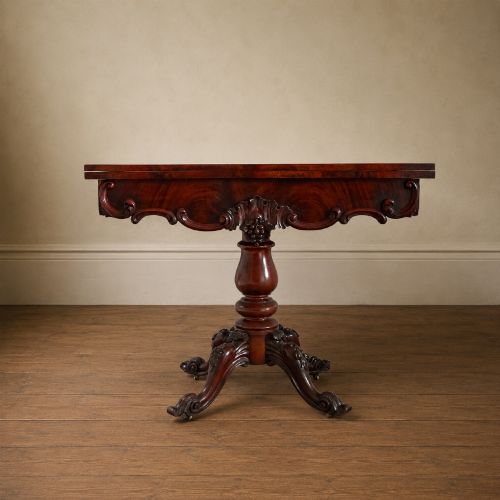
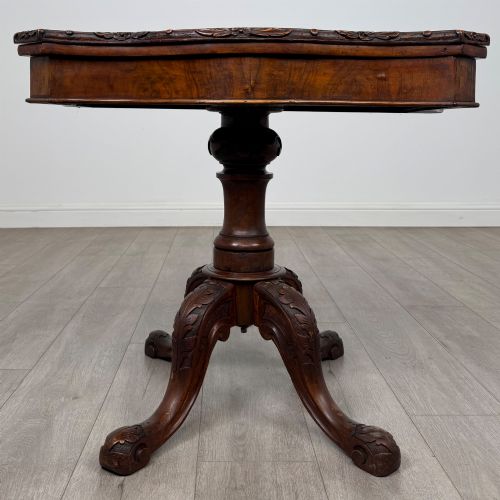
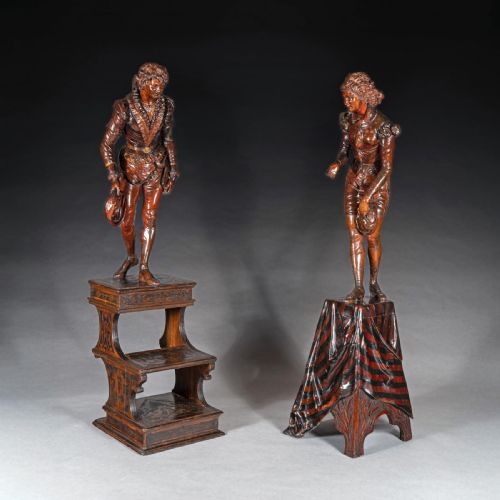
The selections span distinct periods, drawing heavily from nineteenth-century Victorian production alongside eighteenth-century examples and later interpretations. Common manifestations include Venetian figures on stands, torchere supports, and sculptural representations of human and mythological subjects.
Many of these objects serve a dual purpose as standalone sculptures and functional stands for lamps, plants, or decorative vessels. The physical form often incorporates a raised columnar element or plinth that lifts the main subject to eye level.
Materials and Technique
Carved wood forms the structural core of these pieces, utilising traditional timber varieties such as lime wood, walnut, and mahogany. Artisans shaped the primary forms using hand chisels and gouges to achieve fluid drapery, anatomical detail, and intricate surface decoration.
Many surfaces receive supplementary decoration through polychrome paint, gold leaf, and gesso layers that build rich colour and texture. Lacquer and gilding techniques provide protective finishes while enhancing the theatrical visual impact of Venetian and Asian decorative works.
Several figures double as silent hosts, holding aloft small tables or platforms ready to receive your evening glass of wine.
Craftsmanship and Surface Condition
The distinction between ordinary and superior examples rests on the depth of the carving and the vitality of the modeling. Master carvers achieved anatomical conviction and expressive character in the figures, whereas lesser pieces rely on stiff, formulaic execution.
Original surface treatments dictate much of the collectible standing, particularly where untouched polychrome paint and genuine gold leaf survive intact. Later repainting or heavy restoration alters the visual harmony and diminishes the historical integrity of the piece.
Valentino Besarel
The Carved Wood Pedestal Figure Glossary
- Polychrome paint
- Decoration applied in multiple colours to sculpture and woodwork. This technique enhances realism and theatricality, particularly on figures originating from Venetian workshops.
- Torchere
- A tall decorative stand or pedestal designed to support a light source or ornamental object. In historical interiors, these pieces served functional and decorative roles in corners or flanking doorways.
- Gesso
- A plaster-like preparation mixture used as a smooth base for painting and gilding on wood surfaces. It allows fine detail work and provides a stable ground for gold leaf application.
- Gold leaf
- Extremely thin sheets of beaten gold applied to wooden surfaces for ornamentation. Surviving original gilding contributes significantly to the visual character of nineteenth-century decorative figures.
Carved Wood Pedestal Figure: Frequently Asked Questions
What is a carved wood pedestal figure used for?
These pieces function as sculptural ornaments and display stands within domestic interiors, often holding lamps, plants, or smaller decorative objects.
The elevated base places the primary subject at eye level, creating a distinct focal point in a hallway, drawing room, or reception space.
How do you date a carved wood figure?
Dating relies on stylistic indicators, tool marks left by the maker, and the historical context of the regional workshop tradition.
Material analysis of the underlying timber and the composition of surface layers such as gesso and paint also help establish the correct period.
Are these figures solid wood?
The primary sculptural elements and structural columns are typically formed from solid timber selections such as lime, walnut, or mahogany.
Joinery methods vary depending on the workshop origin, with larger figures constructed from assembled sections to prevent splitting as the wood ages.
How do I care for polychrome woodwork?
Preserving these surfaces requires stable environmental conditions away from direct sunlight, excessive heat sources, and high humidity.
Gentle dusting with a soft, dry cloth is sufficient for routine maintenance, avoiding commercial liquid polishes that can damage delicate paint layers.