



Venetian Carved Sculpture
Venetian carved sculpture brings theatrical Italian presence into a room, capturing centuries of skilled craftsmanship in wood, marble and gold leaf.
Venetian Carved Sculpture
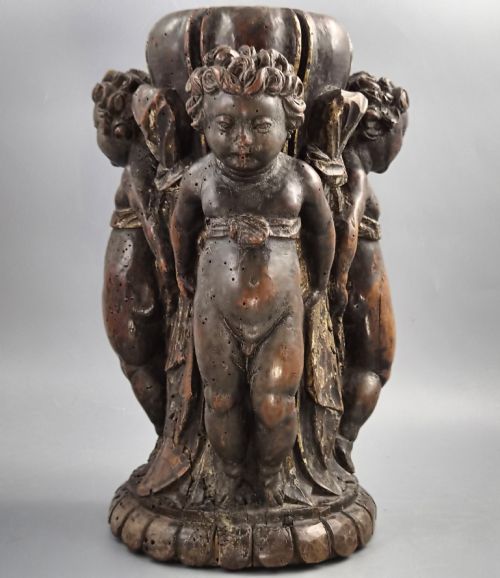
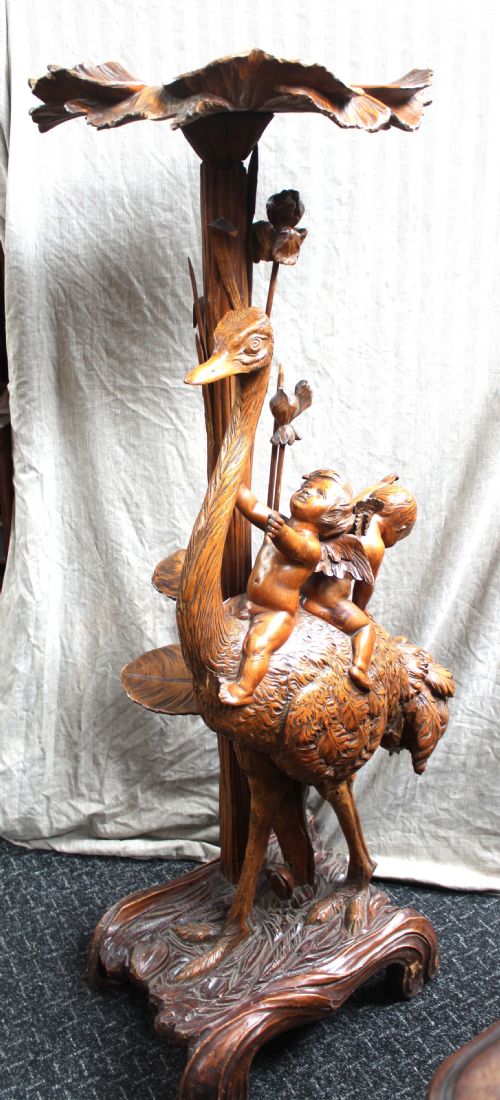
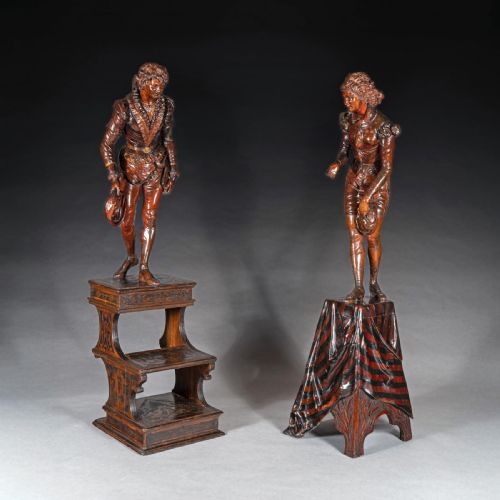
Venetian carved sculpture encompasses expressive figures, architectural torchieres and decorative animal forms rooted in Italian artistic traditions. When exploring venetian carved sculpture, you encounter dramatic Blackamoor figures, putti and classical lions rendered with distinct regional flair.
The selection ranges from seventeenth-century walnut bases to nineteenth-century polychrome figures and standard lamps. These pieces often combine functional lighting supports with figurative carving, reflecting historic Venetian interior tastes.
How they were made
Artisans shaped these works primarily from carved wood, applying layers of gesso to prepare surfaces for intricate detail. Walnut served for foundational structural forms, while softer woods accommodated deep figurative undercut work.
Surfaces frequently received applications of gold leaf, polychrome paint and ebonisation to heighten the theatrical effect. Marble variants utilise serpentine and Sienna stone for dense, polished sculptural panels and figures.
Common functional forms among the sculpture include floor lamps, pedestals and torchieres alongside freestanding figures.
What varies in quality
The sophistication of the carving dictates the distinction between standard production and masterwork execution. Fine anatomical proportion and fluid drapery folds separate exceptional figural pieces from rigid workshop outputs.
Preservation of original finishes significantly impacts the integrity of polychrome and gilt surfaces. Intact historic paint layers and authentic gilding retain the intended visual depth that overpainting obscures.
Valentino Besarel
The Venetian Carved Sculpture Glossary
- Polychrome paint
- Decoration executed in multiple colours across a carved surface. This technique brings life to wooden figures through tinted complexions and patterned garments.
- Gesso
- A plaster-like preparation mixture applied to wood before gilding or painting. It provides a smooth base for intricate surface decoration.
- Torchiere
- An ornate standing light standard or candlestick designed to elevate illumination. These tall wooden bases frequently incorporate figurative carving.
- Ebonised wood
- Timber treated with chemical finishes or dark stains to imitate genuine ebony. This dark finish creates high contrast against gilt details.
- Grand Tour
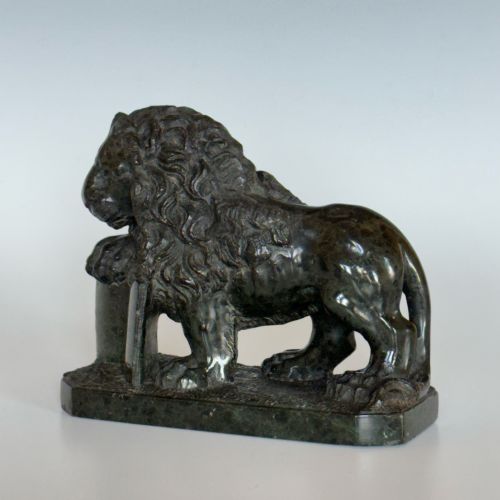
- The nineteenth-century practice of collecting continental souvenirs such as serpentine marble sculptures. These travel pieces capture iconic Italian motifs like the Lion of St Mark.
Venetian Carved Sculpture: Frequently Asked Questions
How do I care for gilt wood sculpture?
Keep wooden and gilt items away from direct sunlight and steady heat sources to prevent cracking and paint flaking. Dust gently with a dry, soft brush rather than using damp cloths or chemical polishes.
Stable indoor humidity preserves the fragile gesso and gold leaf layers. Treating the surface with care ensures the original polychrome decoration remains intact.
Are Grand Tour sculptures Venetian?
Grand Tour items are nineteenth-century souvenirs collected by travellers visiting Italy, including Venice. While many depict Venetian subjects like the Lion of St Mark, they were produced across various Italian centres.
Materials commonly include serpentine and Sienna marble rather than the carved and painted wood typical of Venetian domestic figures. They represent a distinct subset of Italian decorative art.
How can I tell nineteenth-century pieces apart?
Examine the wood preparation beneath the surface decoration for signs of age and tool marks. Nineteenth-century works often utilise gesso over carved softwood or walnut, finished with hand-applied polychrome pigments.
Compare the fluidity of the carving and the wear patterns on the gilding to establish period authenticity. Original historic finishes exhibit natural craquelure and patina that modern reproductions lack.