



Italian Decorative Sculpture
Italian decorative sculpture encompasses carved marble figures, polychrome wood standards and terracotta busts designed to anchor a room.
Italian Decorative Sculpture
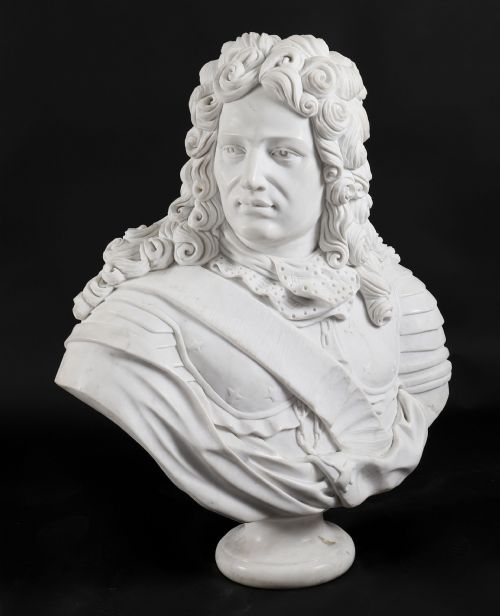
Italian decorative sculpture covers a wide scope of objects intended for interior display, ranging from grand marble columns and pedestals to intimate terracotta plaques and painted figures. When exploring italian decorative sculpture, the pieces most commonly encountered include carved wooden blackamoors, architectural marble obelisks, and classical portrait busts spanning the nineteenth and twentieth centuries.
Makers and workshops across Italy produced these works in varied forms, such as theatrical props, figural standard lamps, and animal studies in marble and bronze. Styles stretch from neoclassical revivals and Venetian baroque interpretations to cleaner art deco lines, reflecting changing tastes across successive decades.
Materials and construction methods
Carved marble, walnut, and terracotta form the principal structural mediums for these pieces, often enhanced by gesso, gold leaf, and polychrome paint. Artisans shaped hard stones like Portasanta, Rosso Antico, and Verde Antico into polished columns, obelisks, and animal studies.
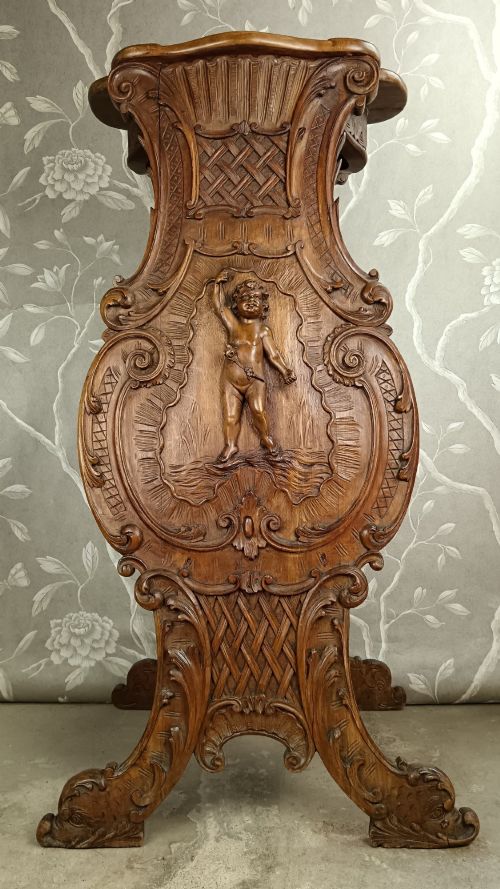
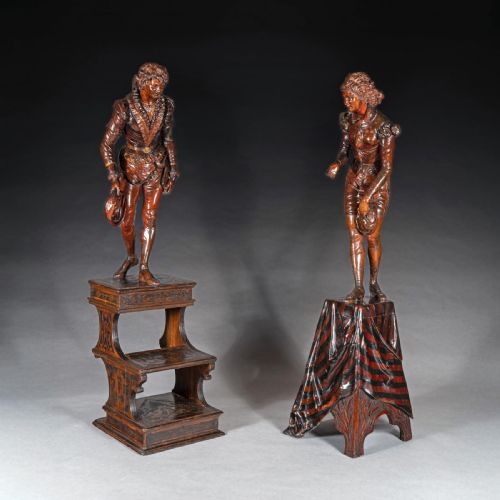
Wooden figures and stands rely on skilled carving combined with applied paint layers and gilding, particularly seen in Venetian parcel-gilt and polychrome decorated works. Metal components utilise bronze cast from models, mounted onto supportive bases of olive wood or marble.
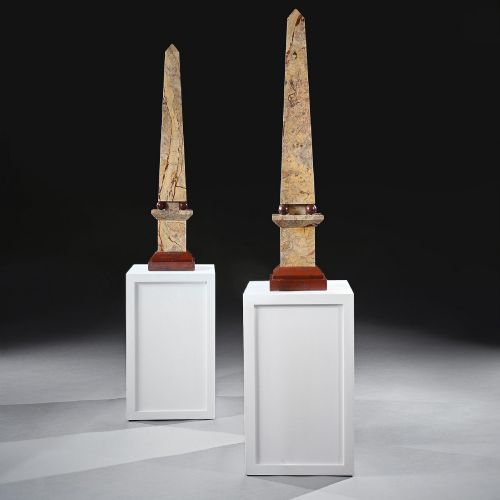
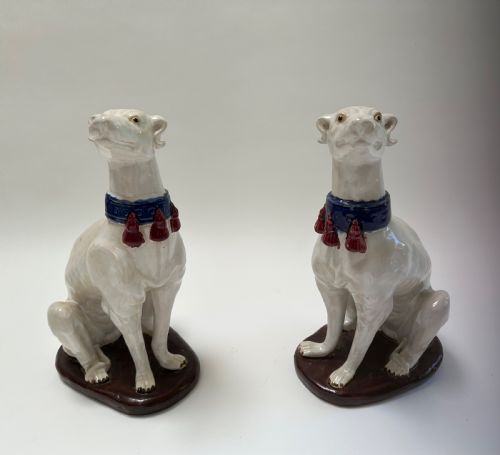
Terracotta cockerels stand alongside marble obelisks and majolica dogs in this menagerie of decorative Italian sculpture.
Assessing quality in execution
The choice of raw material also distinguishes tiers of production, with select marbles, fine woods, and heavy cast bronze marking out more ambitious works compared to simpler plaster or composite items.
Valentino Besarel·Ugo Cipriani·Luigi Frullini·Renzo Colombo·Gabriella Binazzi
The Italian Decorative Sculpture Glossary
- Polychrome paint
- Surface decoration executed in multiple colours. This technique brings depth and realism to carved wooden figures and terracotta reliefs.
- Gesso
- A plaster-like mixture applied to wood surfaces as a preparation for painting or gilding. It provides a smooth ground for delicate detail work.
- Obelisk
- A tall, four-sided, narrow tapering monument which ends in a pyramid-like shape at the top. They appear in decorative pairs carved from coloured marbles.
- Torchere
- A tall stand or pedestal designed to support a light fixture or sculpture. These often match the decorative style of the figure placed upon them.
- Majolica
- Tin-glazed earthenware produced in Italy. It provides a bright, colourful surface for figural ceramics such as decorative dogs.
Italian Decorative Sculpture: Frequently Asked Questions
What materials are used in these sculptures?
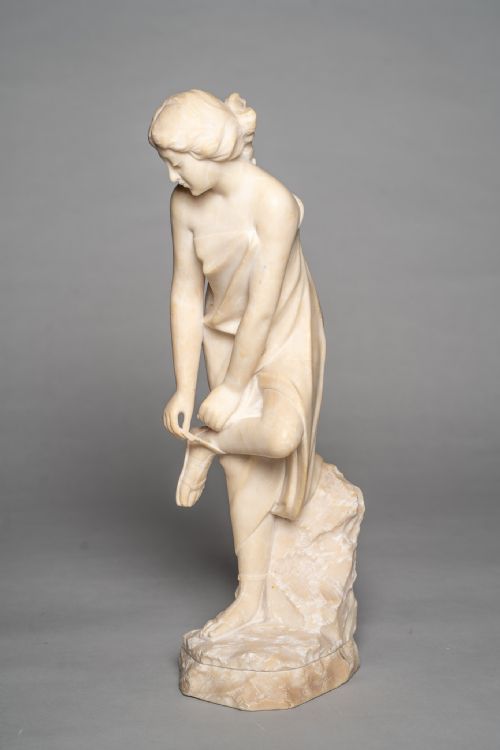
The pieces utilise a diverse range of materials including carved walnut, alabaster, terracotta, bronze, and various coloured marbles like Portasanta and Verde Antico.
Surface treatments frequently incorporate gesso, gold leaf, and original polychrome paint to enhance the visual impact of the carved forms.
How do I date an Italian marble bust?
Dating relies on stylistic clues, costume details, and the method of marble working visible on the piece. Nineteenth-century examples often lean heavily on classical precedents.
Twentieth-century iterations may incorporate art deco influences or bear signatures and specific dates inscribed directly into the stone.
Where were blackamoor figures placed?
These carved wooden figures typically served as functional decorative elements within grand interiors, functioning as torchieres, standard lamps, or waiters.
They were positioned in halls or reception rooms, retaining original polychrome paint and gilt highlights characteristic of Venetian workshops.
Are these pieces reproductions or original antiques?
The selection comprises authentic period pieces created primarily during the nineteenth and twentieth centuries, spanning revival styles and contemporary modernism.
Signatures, material composition, and traditional hand-carving techniques help distinguish these historical works from modern replicas.