

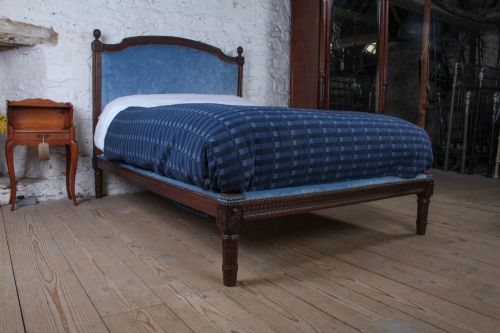
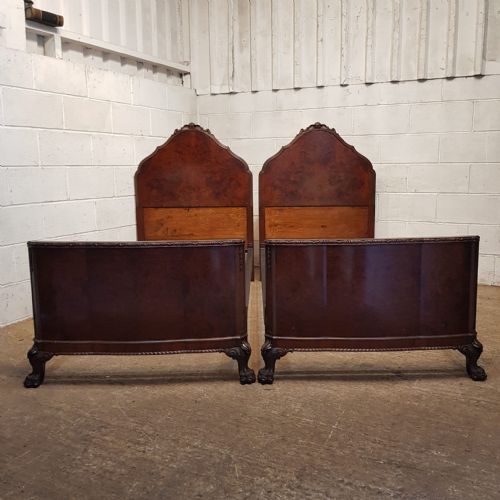
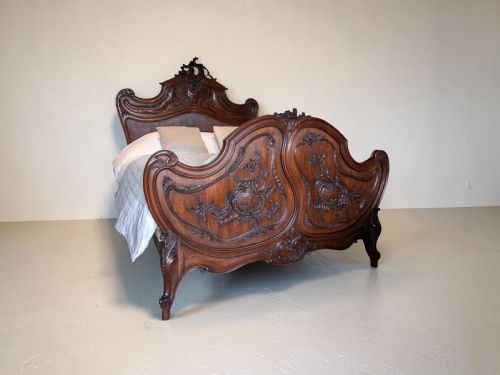


Carved Wood Headboard
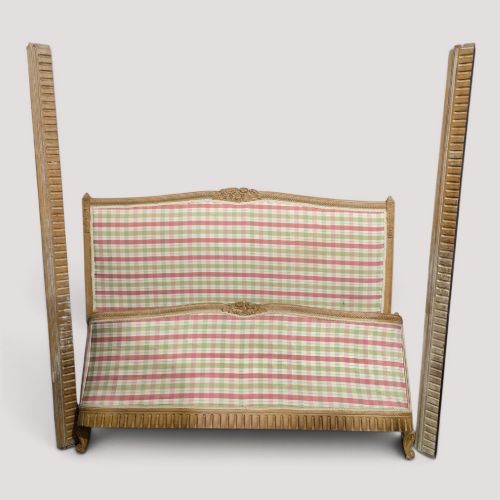
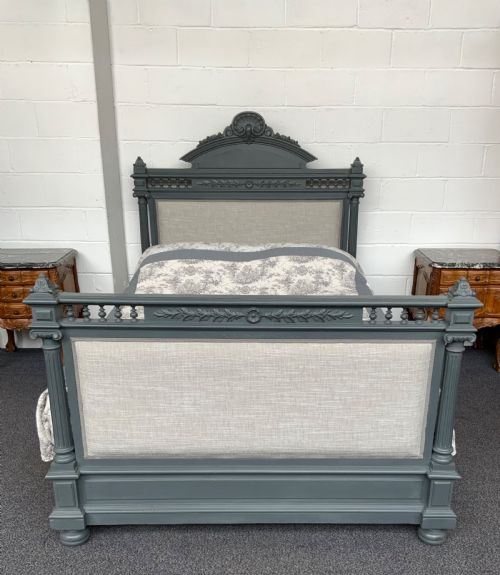
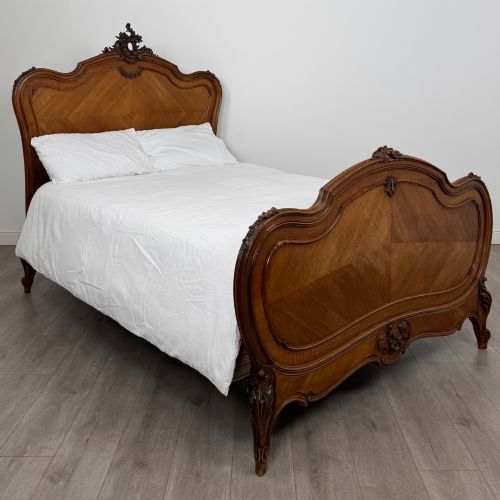
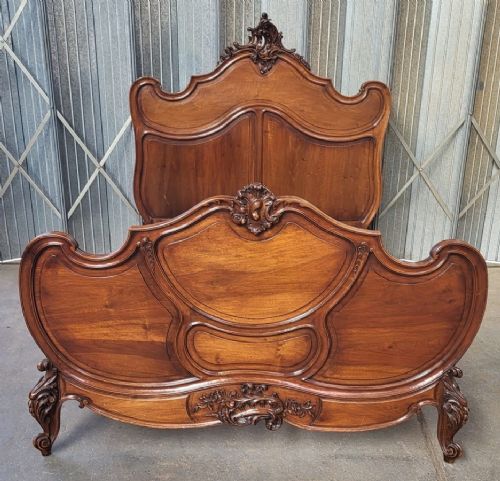
A carved wood headboard anchors the bedroom scheme, offering the substantial presence of walnut, mahogany, oak, or painted hardwood shaped in French, Victorian, or Art Deco styles.
Carved Wood Headboard
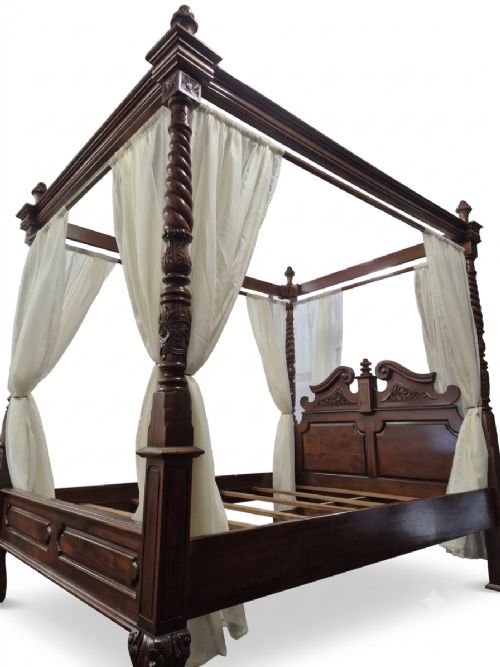
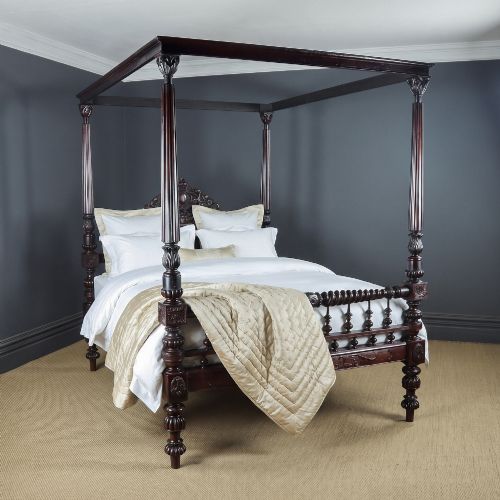
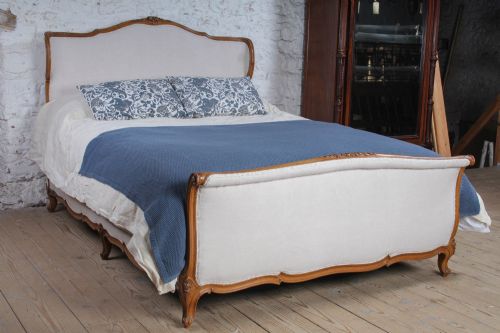
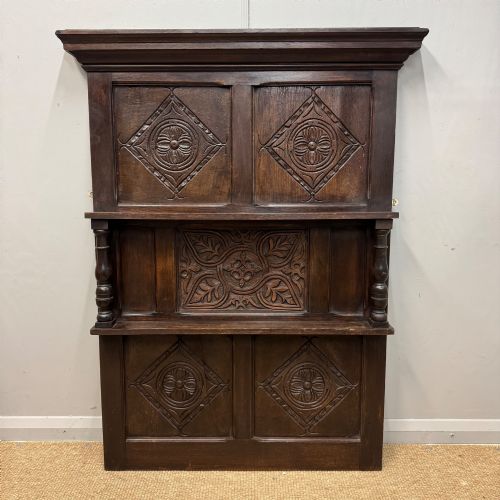
A carved wood headboard brings architectural weight to a sleeping space, drawing on centuries of cabinet-making traditions from Victorian workshops and French provincial ateliers. Buyers seeking this form will find examples that range from stately overmantel panels adapted to domestic beds to complete bedsteads and dedicated headboards in various sizes.
The pieces appearing on this page span the nineteenth century through the early decades of the twentieth century, including Edwardian and Art Deco designs. Walnut and mahogany dominate the selection, alongside oak, painted wood, and fabrics such as tapestry.
Stylistic influences vary widely, encompassing French Chateau, Louis XVI, Louis XV, Gothic, and Anglo-Indian Colonial aesthetics. Whether looking for a simple limed finish or an ornate carved walnut frame, a buyer selects these pieces for their distinct period character.
How they were made
Cabinet-makers relied on solid hardwoods like walnut, mahogany, and oak, selecting timber for its grain and figure before shaping the structure by hand. Carved details were chiselled directly into the solid wood or applied as decorative mouldings.
Surface finishes included French polishing, liming, bleaching, and painting, often complemented by upholstery in fabric, leather, or cane panels. Beds and headboards incorporate frame-and-panel construction to accommodate the natural movement of the wood over time.
At least one large French king size bed listed here previously starred in the second series of the television show The Great.
What varies in quality
Depth and crispness of hand-carved detail distinguish finer examples, where crisp floral motifs or scrolling acanthus leaves show the carver's complete control over the grain. Softer, shallower definition suggests mass production or excessive sanding during later restoration.
The selection of timber grade dictates the visual impact, with figured walnut and rich mahogany providing deep natural movement that plain hardwoods lack. Structural integrity relies on sound joinery in the main posts and headboard frame rather than cosmetic surface repairs.
The Carved Wood Headboard Glossary
- Headboard
- The upright panel placed at the head of a bed. This element often receives the most elaborate carving or upholstery in a bedstead.
- Bedstead
- A framework supporting a bed, consisting of posts, headboard, and often a footboard or side rails. Complete bedsteads define the architectural proportions of a period bedroom.
- Overmantel
- A decorative panel or mirror placed above a fireplace mantel. Certain large carved panels from these fixtures are repurposed as bed headboards.
- Four poster bed
- A bed with four vertical columns supporting a tester or canopy frame. Anglo-Indian and Victorian iterations frequently feature substantial turned posts and deep carving.
- Louis XVI style
- A neoclassical furniture style characterised by straight lines, symmetry, and classical motifs such as fluting and ribbons. Pieces in this taste often utilise carved and painted wood.
Carved Wood Headboard: Frequently Asked Questions
How do I fit an antique headboard to a modern bed?
Many antique bedsteads come as integrated units with side rails, requiring careful measurement of mattress dimensions against the internal frame.
Standalone headboards may need bespoke mounting brackets to attach safely to standard contemporary divan bases.
Can I mix different wood tones in the bedroom?
Period bedrooms often feature a mix of walnut, mahogany, and oak pieces accumulated over time rather than bought as matched suites.
Balancing warm reddish mahogany with cooler brown walnut relies on keeping the room's textiles and wall colours consistent.
How do I care for antique carved wood?
Dust regularly with a soft, dry cloth to prevent particulate buildup in the recessed areas of hand-carved mouldings.
Aplying microcrystalline wax occasionally helps nourish older polish without creating a heavy, sticky residue.
What distinguishes Art Deco bed designs?
Art Deco pieces from the interwar period favour streamlined geometries, exotic veneers such as satinwood, and symmetrical figured walnut grain.
Unlike ornate Victorian or Louis style carving, these designs rely on clean architectural planes and smooth polished surfaces.