
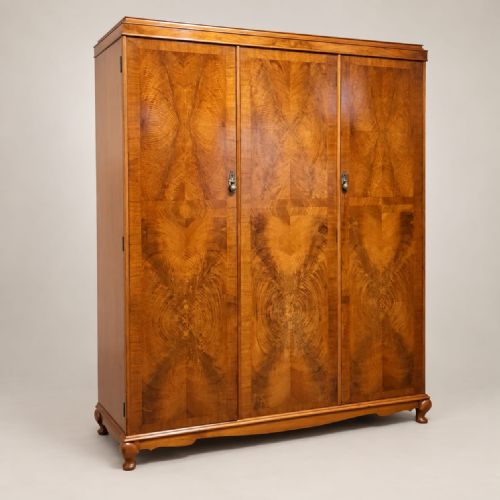

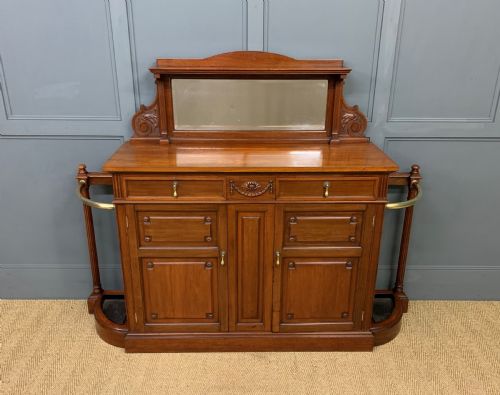
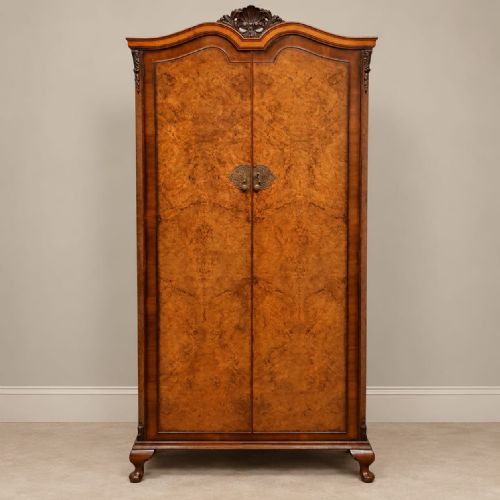
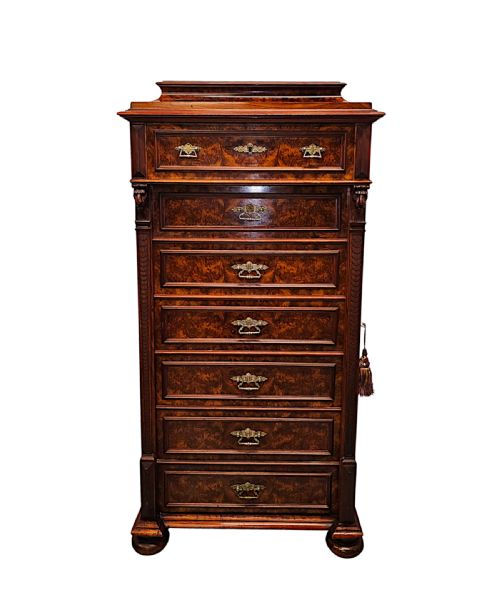
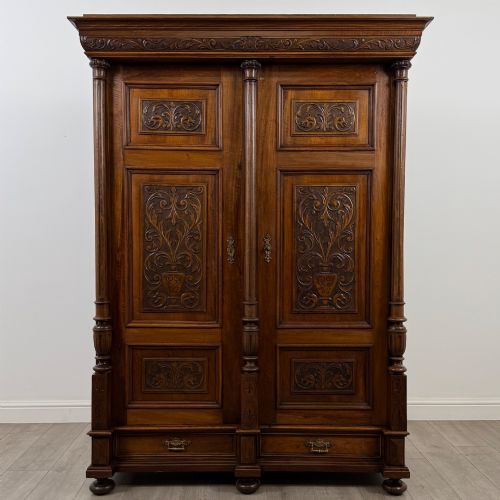
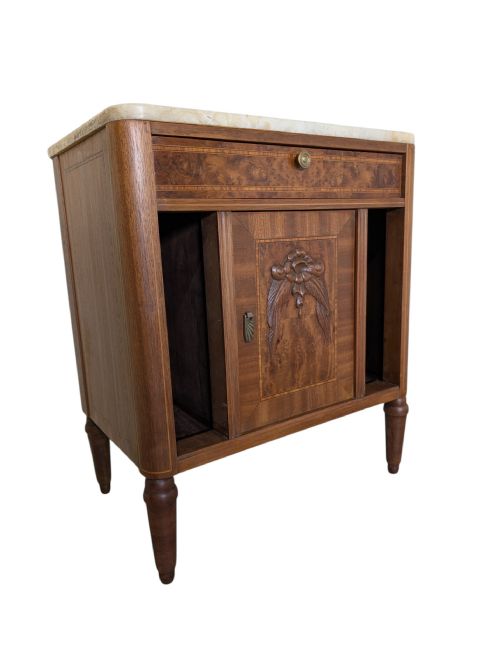
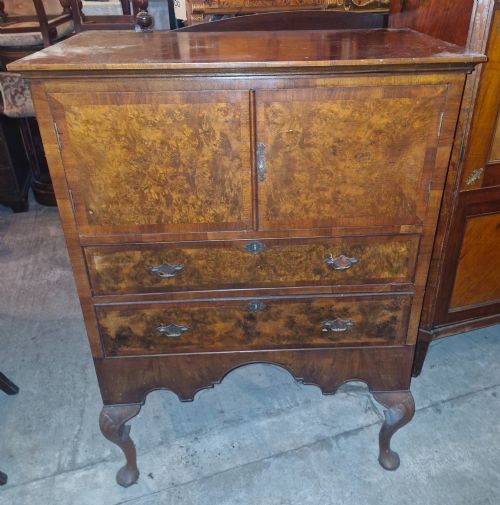
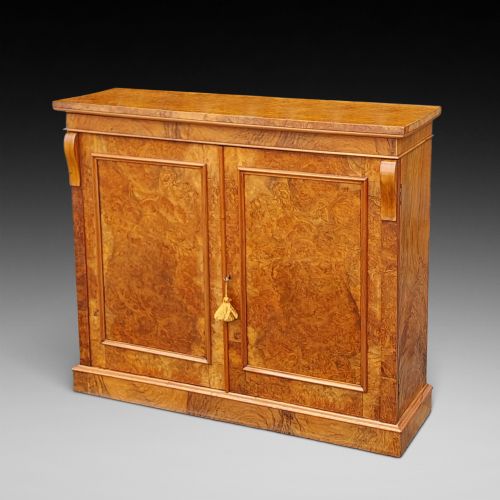
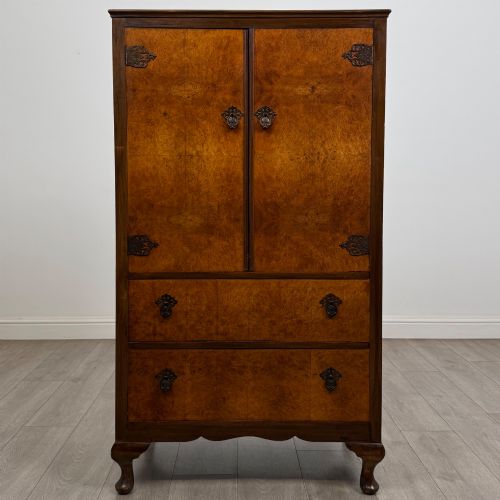
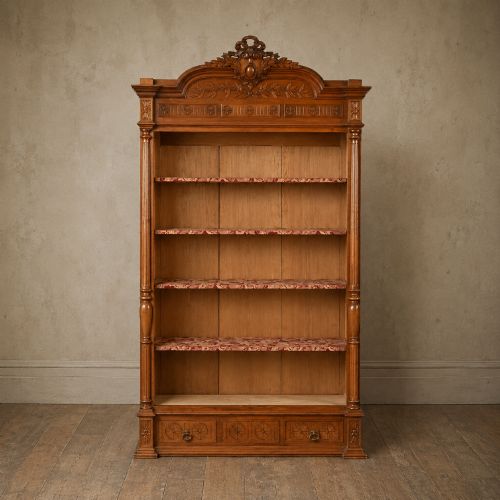
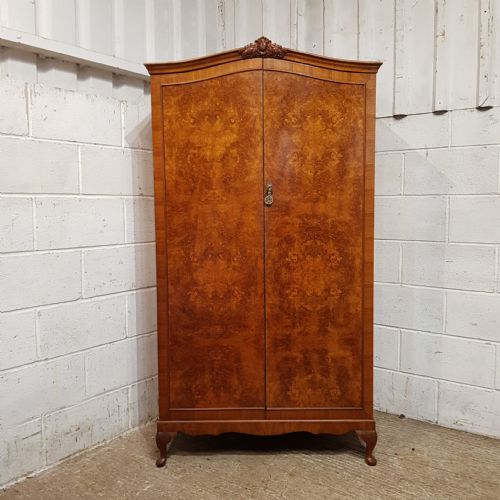
Carved Walnut Storage Cabinet
A carved walnut storage cabinet brings rich grain and practical depth to a room, ranging from compact music cabinets to large armoires.

Carved Walnut Storage Cabinet
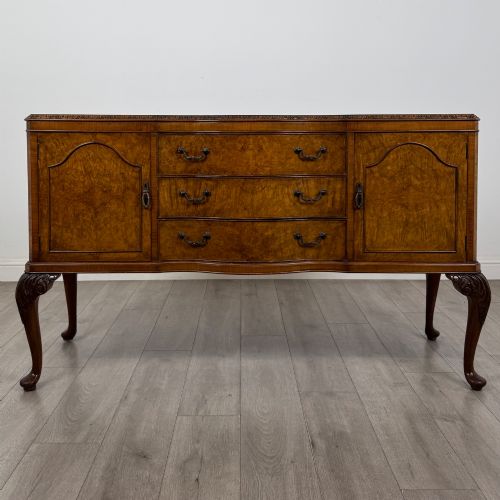
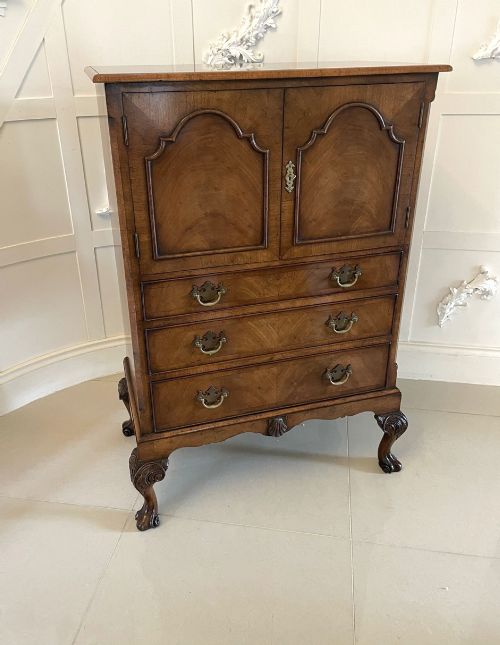
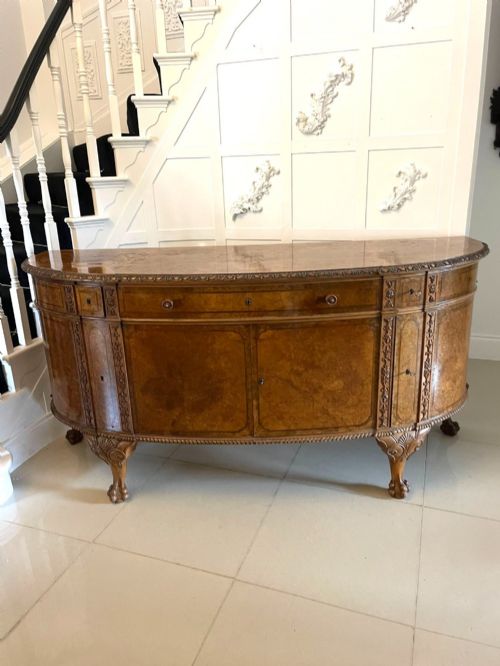
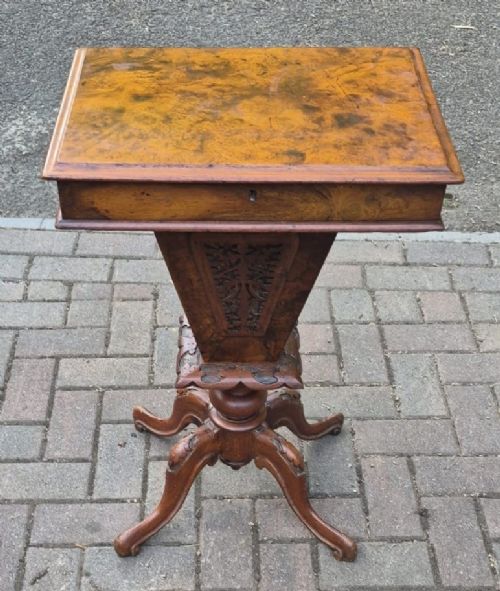
A carved walnut storage cabinet is a substantial piece of furniture designed to hold books, linen, or personal items while displaying the distinctive grain of the timber. When you search for a carved walnut storage cabinet, you encounter forms spanning from eighteenth-century commodes and nineteenth-century credenzas to early twentieth-century wardrobes and sideboards.
The pieces appearing on this page originate across various periods including the eighteenth century, the Victorian and Edwardian eras, and the early twentieth century. Makers utilised walnut, burr walnut, and fruitwood, frequently incorporating brass hardware, marble tops, and glass panels.
The styles range from Queen Anne Revival and Italian Baroque to French Art Nouveau and Art Deco. Buyers select these cabinets for domestic storage or display, balancing historical character with practical interior capacity.
Materials and construction methods
Cabinet makers utilised solid walnut and decorative burr walnut veneers applied over secondary timbers like oak and fruitwood. The distinctive figuring in burr walnut relies on careful slicing from tree growths, creating intricate patterns across cupboard doors and drawer fronts.
Carving was executed by hand directly into the solid wood components, particularly around cornices, panel borders, and structural feet. Secondary materials such as marble, brass handles, and iron hinges were integrated to reinforce high-wear areas and provide durable working surfaces.
Carved Walnut Storage Cabinet Retail Price Guide 2026
Typical asking prices for carved walnut storage cabinet among the pieces listed under this phrase on Sellingantiques today, from the lower quarter to the upper quarter. They describe what is for sale here now, not the wider market.
Listings include items incorporating marble, glass, and brass across periods spanning from the seventeenth century to the nineteen thirties.
Distinguishing quality in walnut cabinetry
The standard of a piece depends heavily on the selection and matching of the walnut veneers. Symmetrical figuring across multiple doors or drawers indicates deliberate craftsmanship.
Construction details such as dovetailed drawer joints, original brass hardware, and the crispness of hand-carved detailing distinguish finer workshop production from standard utility items.
Shoolbred & Co.·Maple & Co.
The Carved Walnut Storage Cabinet Glossary
- Burr walnut
- A figured timber obtained from the knot growths of walnut trees. It provides complex, swirling grain patterns highly valued for veneering prominent surfaces.
- Credenza
- A low dining-room sideboard or cabinet used for serving food or displaying silver. Victorian examples often feature glazed side doors and marble tops.
- Compactum
- A large fitted wardrobe designed with internal partitions, drawers, and hanging space. It maximises storage efficiency within a single footprint.
- Commode
- A decorative chest of drawers or low cabinet developed in eighteenth-century France. These pieces frequently rest on short legs and display elaborate marquetry or carving.
- Pedestal cabinet
- A freestanding single-door cupboard designed to stand alone or flank larger furniture. They often feature inset marble tops and internal shelving.
Carved Walnut Storage Cabinet: Frequently Asked Questions
How do I care for a walnut surface?
Walnut requires regular dusting with a soft cloth and occasional treatment with appropriate furniture wax to nourish the timber. Avoid placing these cabinets near direct heat sources or strong sunlight to prevent the wood from drying out.
Keep humidity levels stable within the room to protect both solid wood components and applied burr veneers from warping or cracking over time.
Where should I place a music cabinet?
Music cabinets, originally built with shallow internal shelves for sheet music, suit living rooms or studies as compact storage units. Their modest footprint allows them to fit easily beside larger seating arrangements.
They function well holding stationery, media accessories, or small collections while adding period character to empty wall space.
What is the difference between an armoire and a wardrobe?
An armoire traditionally refers to a large continental cupboard with deep internal storage, often featuring removable shelves or hanging space added later. Wardrobes developed specifically for hanging garments.
Many listings use the terms interchangeably for large timber cupboards produced during the nineteenth and early twentieth centuries.
How do I identify Queen Anne Revival pieces?
Queen Anne Revival furniture, popular around nineteen hundred, imitates the curved lines and walnut veneers of the early eighteenth century. Look for cabriole legs, pad feet, and understated classical proportions.
These later interpretations combine historical styling with modern interior fittings suited to Edwardian homes.