


Carved Walnut Storage Box
A carved walnut storage box brings tactile warmth and deep grain into a room, offering a solid container for papers, games, or textiles.
Carved Walnut Storage Box
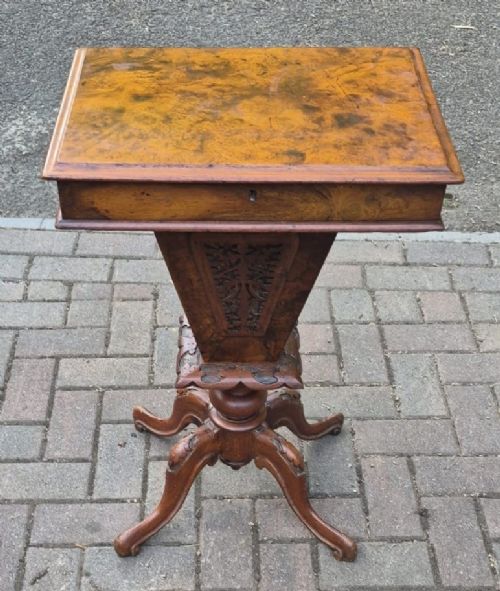
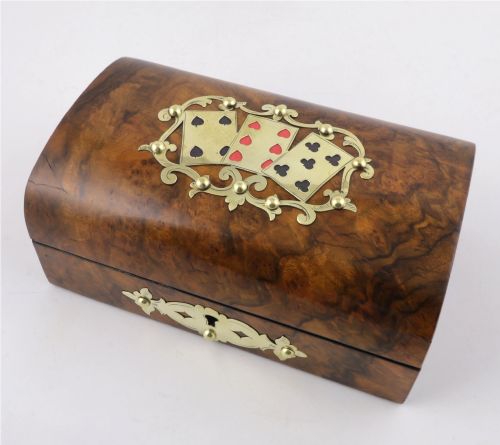
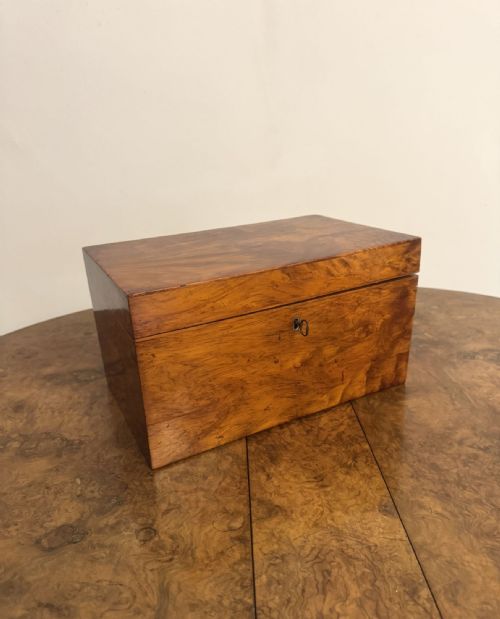
A carved walnut storage box spans several centuries of domestic utility, appearing in forms ranging from tea caddies and document boxes to larger coffers and chests. The pieces recorded here lean heavily toward Victorian examples alongside earlier continental European specimens.
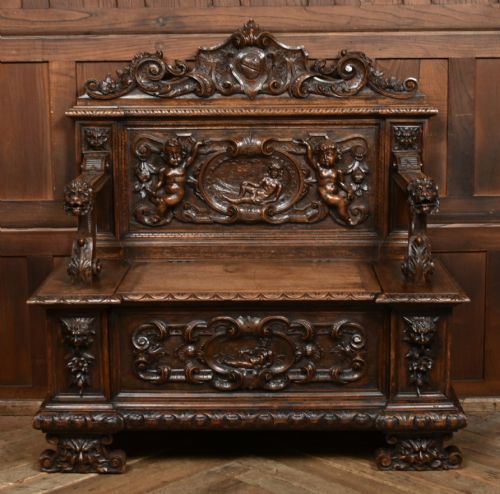
Buyers encounter smaller tabletop caddies and work boxes alongside substantial storage furniture like cassoni and hall benches. Walnut provides the primary structure across these diverse forms, often chosen for its rich figure and deep hue.
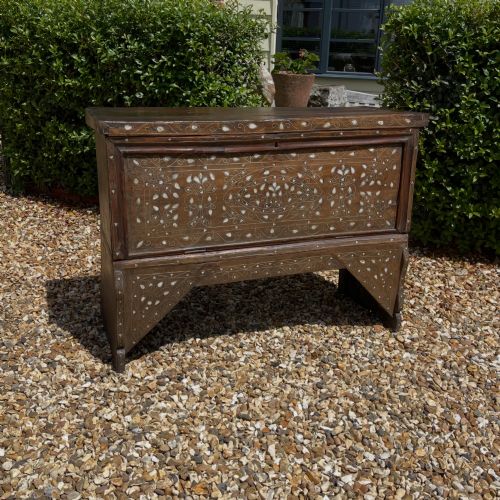
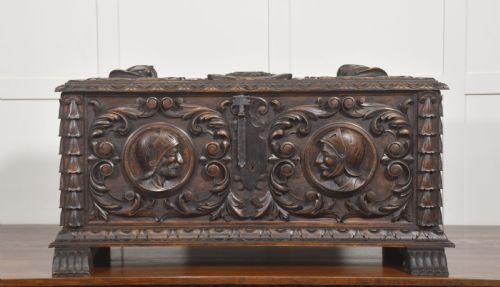
The assortment reflects both British cabinet-making and continental traditions, including Italian Renaissance Revival pieces and Spanish coffers. This variety ensures a fit for both modest mantel displays and commanding hallway placements.
What varies in quality
The standard of carving dictates much of the distinction between pieces, moving from simple linear borders to high relief figural medallions. Crispness in the chisel work and the natural integration of carved elements into the overall structure separate finer examples from routine workshop output.
Timber selection and veneer matching further define grade, with highly figured burr walnut commanding greater visual presence than plain stock. The preservation of original hardware, internal linings, and operational locks also influences the standing of an individual piece.
Listings span periods from the 16th century through to the Art Deco era, encompassing Italian, Spanish, Syrian, and British origins.
Waring & Gillow
The Carved Walnut Storage Box Glossary
- Burr walnut
- A prized timber harvested from tree growths, yielding intricate swirling patterns and dark eyes that create highly decorative surfaces on boxes and cabinets.
- Cassone
- A large Italian chest or coffer, often richly carved or gilded, traditionally used for storing household linen and valuable possessions.
- Tea caddy
- A small container designed specifically for storing dry tea leaves, frequently fitted with internal compartments and a secure lock.
- Coffer
- A robust chest with a hinged lid, utilised historically for secure storage and transit of valuables.
- Parquetry
- A geometric mosaic of wood pieces used for decorative veneer on tabletops, boxes, and cabinet fronts.
Carved Walnut Storage Box: Frequently Asked Questions
What were carved walnut storage boxes used for originally?
These boxes served secure domestic functions, holding high-value commodities such as tea leaves, documents, playing cards, and stationery. Their robust construction and lockable lids protected contents from damp, dust, and pilfering.
Larger variants like cassone chests and coffers held textiles, garments, and family valuables in principal rooms. Smaller tabletop pieces sat within easy reach in parlours and studies for daily administrative tasks.
How do I care for antique walnut furniture?
Keep wooden boxes away from direct sunlight and heat sources to prevent timber shrinkage and veneer splitting. Gentle dusting with a dry, soft cloth maintains the finish without needing heavy polishes.
Apply a microcrystalline wax sparingly only when the timber appears dry, buffing lightly to preserve the historic sheen. Ensure room humidity remains stable to protect internal linings and glued joints.
How can I tell a Victorian box from an earlier piece?
Victorian examples frequently display machine-assisted precision in their joinery alongside traditional hand-carving, often utilising rich burr walnut veneers. These pieces typically feature tighter internal fittings for stationery, sewing implements, or tea.
Earlier pieces from the seventeenth and eighteenth centuries show broader hand-tool marks, heavier timber sections, and simpler structural assembly. Continental pieces from these periods often employ deeper relief carving and distinct regional timber cuts.
Are these boxes suitable for modern storage?
These containers integrate smoothly into contemporary rooms, providing hidden storage for remote controls, photographs, cables, or letters. Their historic character adds texture to a modern interior scheme while serving a practical purpose.
Tabletop caddies sit neatly on sideboards or desks, while larger chests function as coffee tables or hallway blanket stores. The durable nature of walnut ensures they handle everyday domestic use reliably.