
Carved Walnut Server
When you need a carved walnut server, you are looking for a substantial dining room piece that combines generous storage with rich timber figuring.
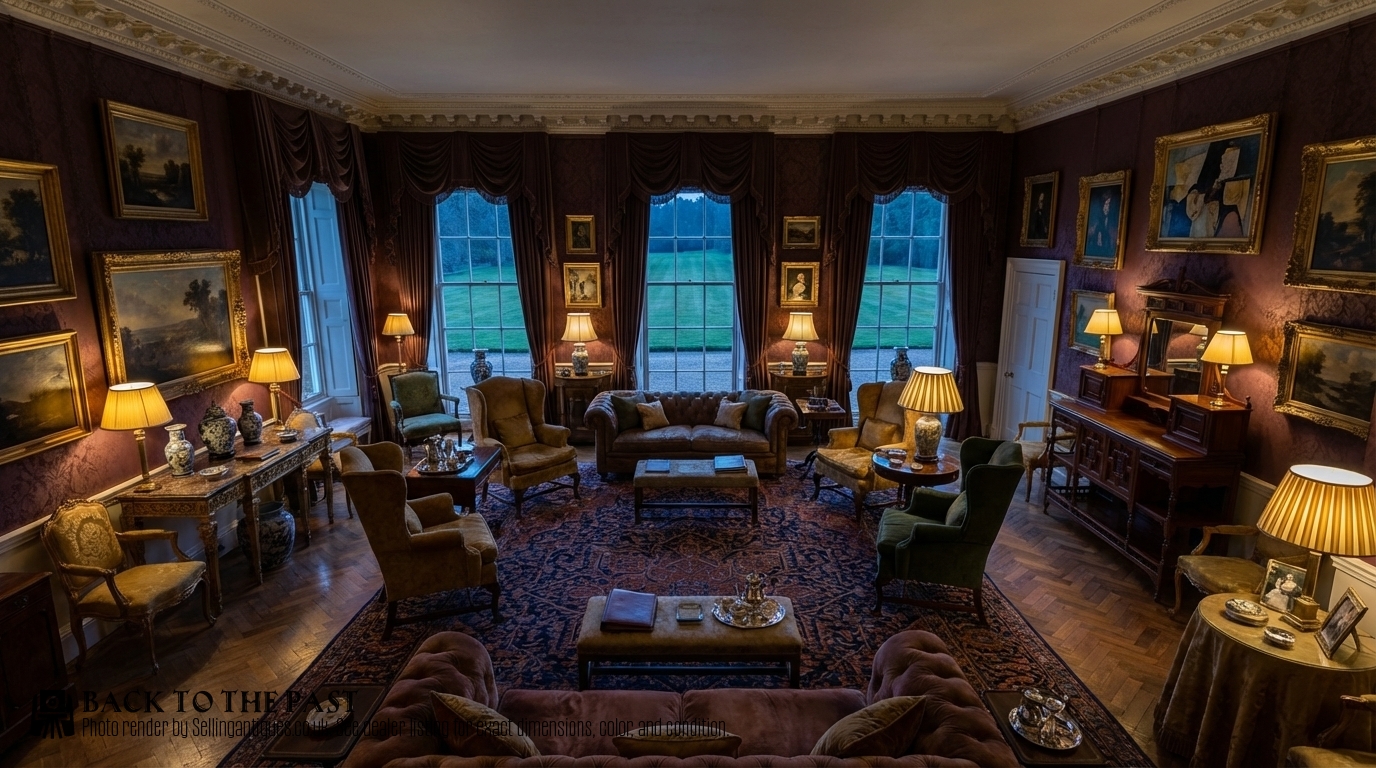
Carved Walnut Server
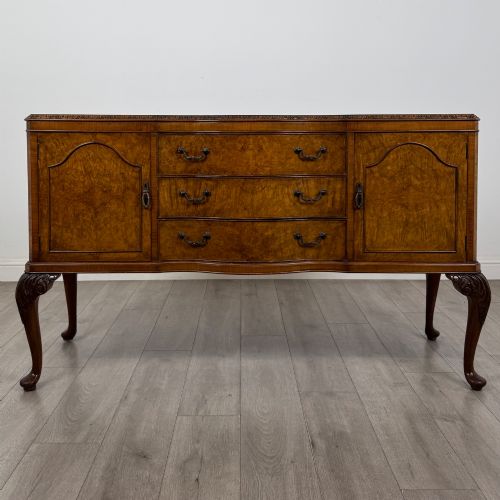
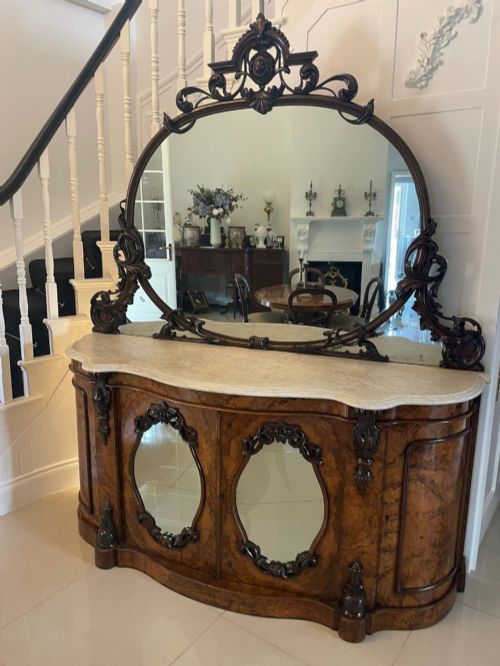
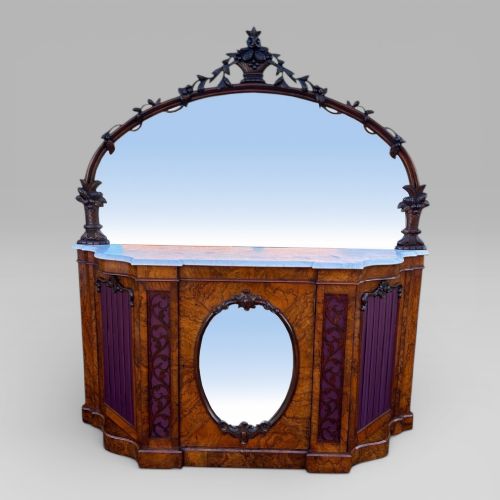
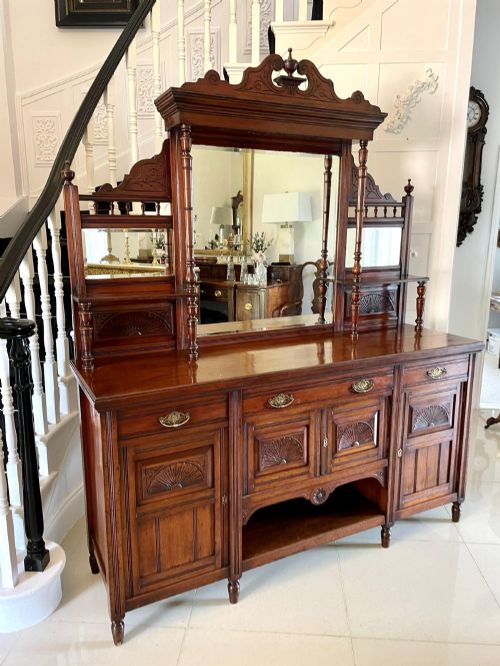
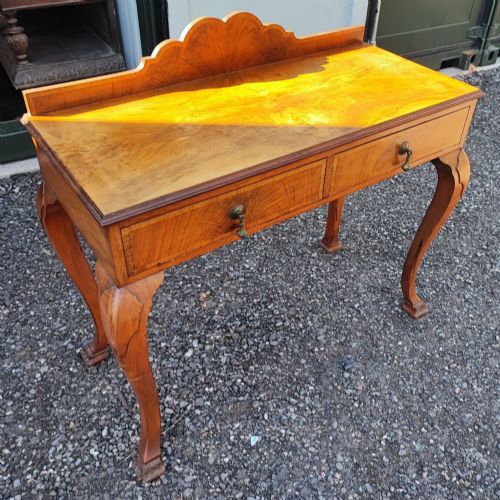
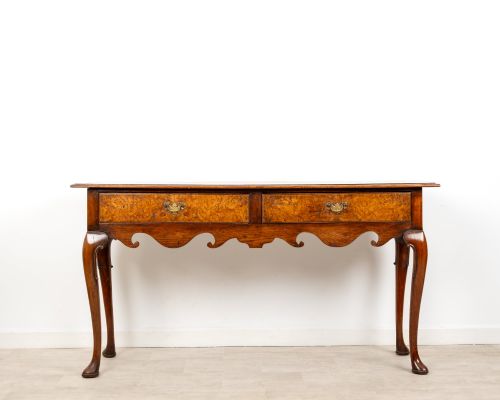
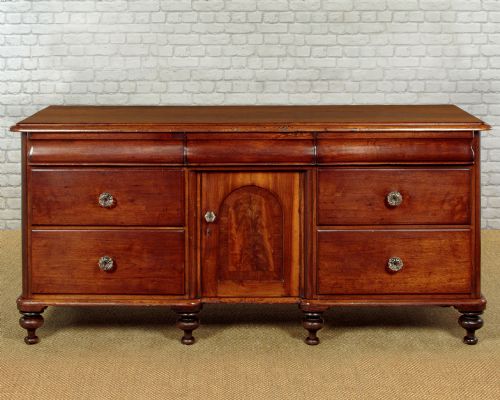
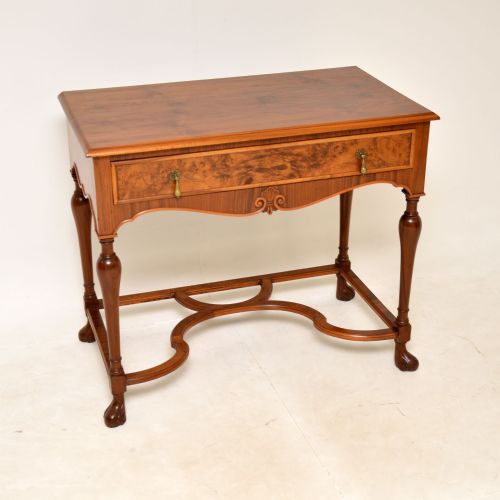
A carved walnut server functions primarily as a serving table, sideboard, or buffet within a dining room or hall. These pieces range from compact console tables and side serving tables to large credenzas with mirror backs.
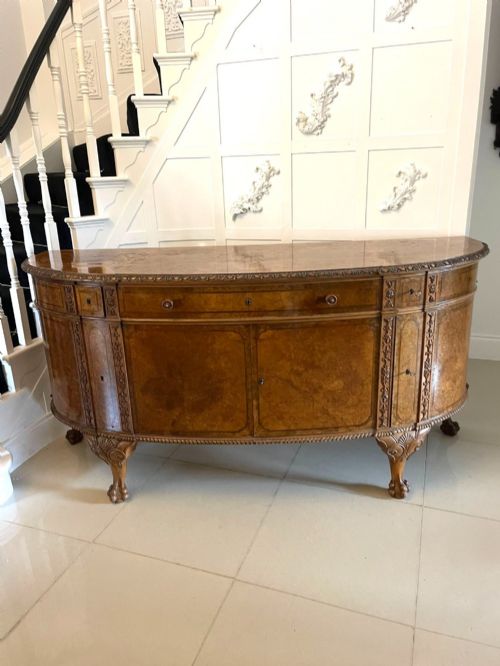
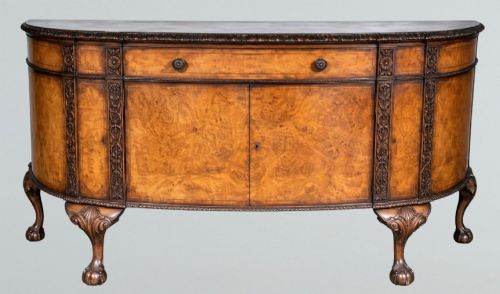
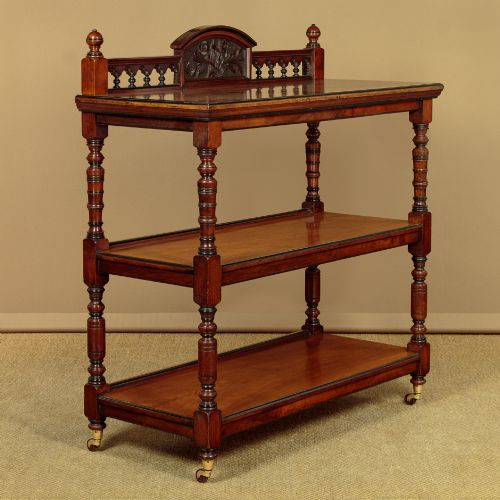
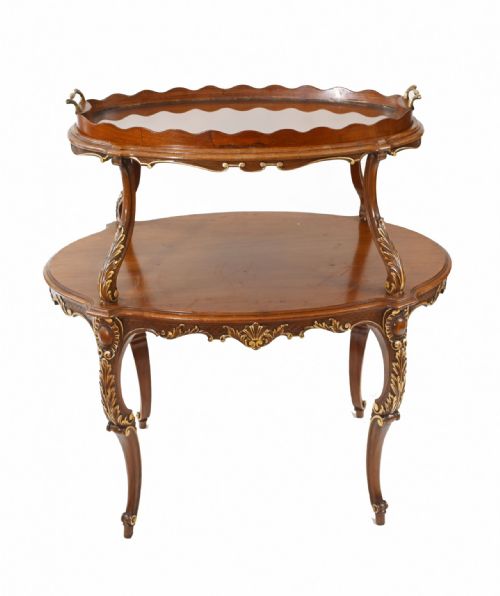
The selections span multiple periods, with Victorian, Edwardian, and 1930s examples appearing frequently alongside 18th-century and 17th-century pieces. Common forms include serpentine fronts, bow fronts, and tiered etagere designs.
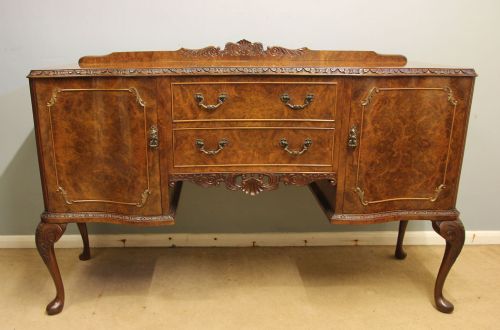
Makers often drew upon Queen Anne, French Provincial, Spanish Baroque, and Gothic Revival styles to shape the legs, aprons, and carved details.
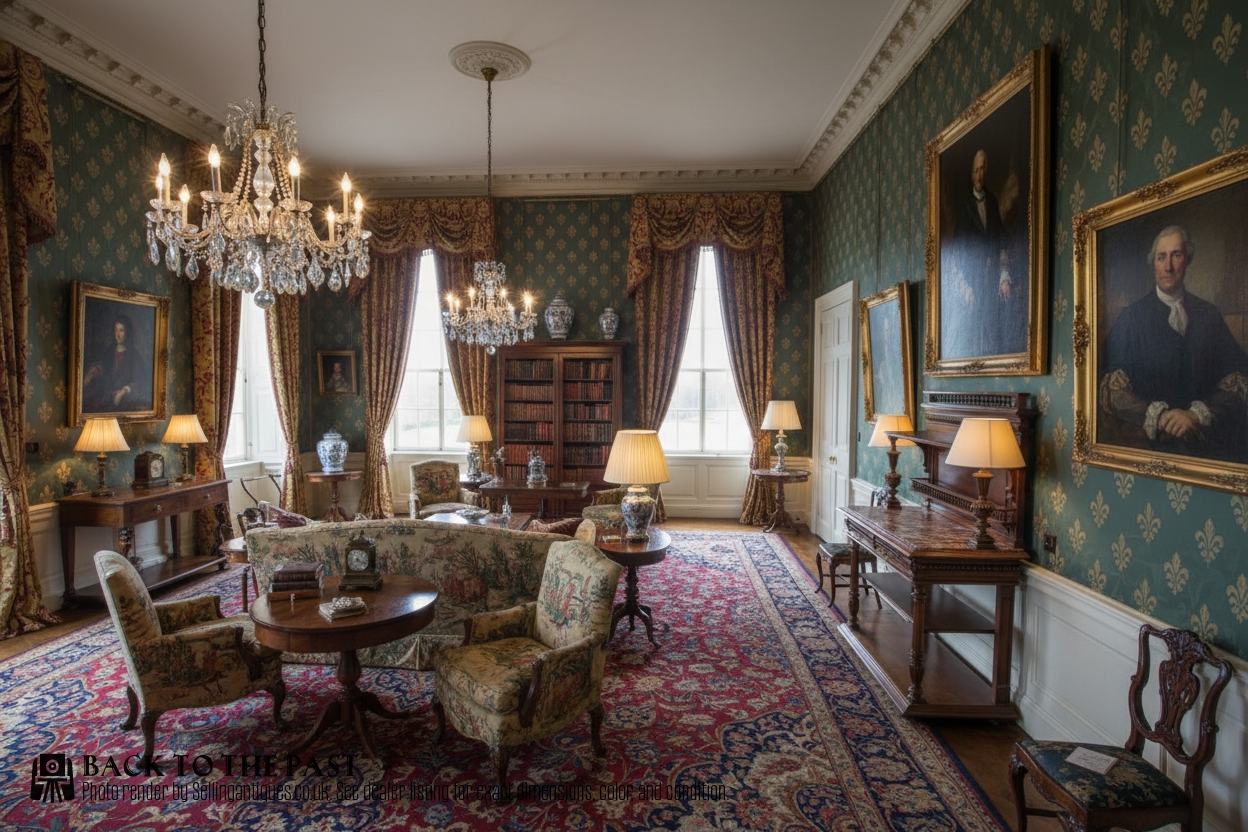
What varies in quality
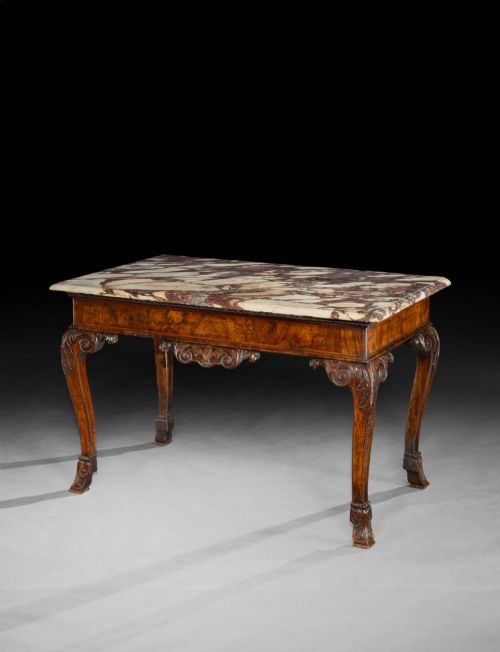
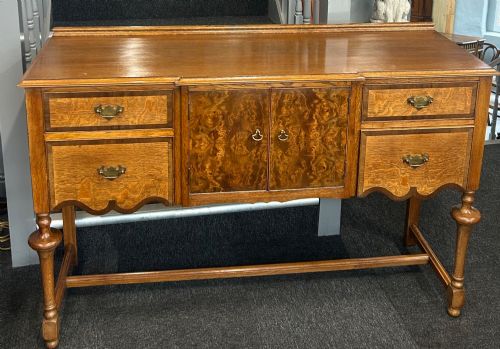
The depth and crispness of the hand carving distinguish finer examples from plain production pieces, particularly around the legs, aprons, and mirror frames. Mastery in matching the burr walnut veneer across drawer fronts and doors creates a cohesive visual rhythm.
The choice of secondary materials, such as heavy white or coloured marble tops and substantial brass mounts, elevates the utility and presence of the server. Structural integrity in the joints and drawers determines how well the piece survives heavy daily use.
Carved Walnut Server Retail Price Guide 2026
Typical asking prices for carved walnut server among the pieces listed under this phrase on Sellingantiques today, from the lower quarter to the upper quarter. They describe what is for sale here now, not the wider market.
One unexpected Victorian server doubles as a pianist's lounge cabinet, combining sheet music storage with a serving surface for evening recitals.
Epstein·Hille of London
The Carved Walnut Server Glossary
- Burr walnut
- A veneer taken from the warted growths on walnut trees, prized for its swirling, highly figured grain patterns. It is typically applied to the primary display surfaces of a sideboard or server.
- Credenza
- A dining room cabinet or sideboard, frequently featuring a mirrored back and enclosed cupboards. In Victorian examples, this form provides substantial display space alongside serving surfaces.
- Lowboy
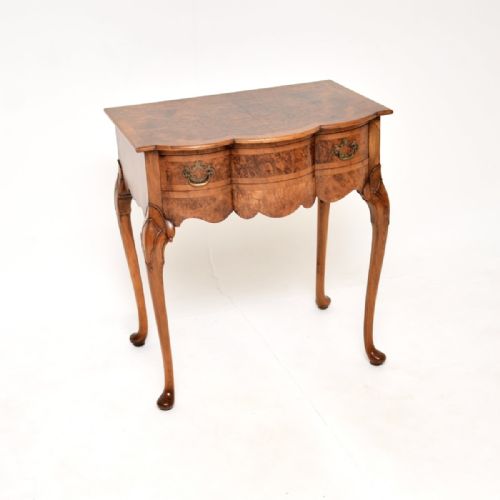
- A small dressing or serving table with one or more rows of drawers supported by slender legs. Eighteenth-century versions often display cabriole legs terminating in pad feet.
- Serpentine front
- A furniture front characterised by a concave central section flanked by two convex ends, creating a gentle wave shape. This curved profile requires precise carpentry and veneer work.
- Etagere
- A set of open tiered shelves used for displaying objects or serving items. These pieces introduce verticality to a room layout.
Carved Walnut Server: Frequently Asked Questions
Where should I place a carved walnut server?
These pieces suit dining rooms, large hallways, or drawing rooms where they can function as serving stations or display surfaces. Ensure there is adequate clearance for doors or drawers to open fully against the wall.
Keep them away from direct heat sources and strong sunlight to protect the walnut veneer and polished finish from drying out or fading over time.
Can I use a server as a sideboard?
Servers and sideboards share a similar heritage of storing dining accompaniments, cutlery, and serving dishes. Many items classified as servers double effectively as sideboards depending on their internal storage capacity.
Consider the depth of the top surface and the presence of drawers or cupboards when planning to store heavy tableware or linens.
How do I distinguish Victorian from 1930s walnut servers?
Victorian pieces often lean towards heavier proportions, dark finishes, and ornate mirror backs with deep hand-carved motifs. They frequently incorporate marble tops and elaborate architectural details.
Nineteen-thirties servers typically display streamlined Art Deco or revival silhouettes with symmetrical burr walnut veneers, clean lines, and minimal or geometric carving.