

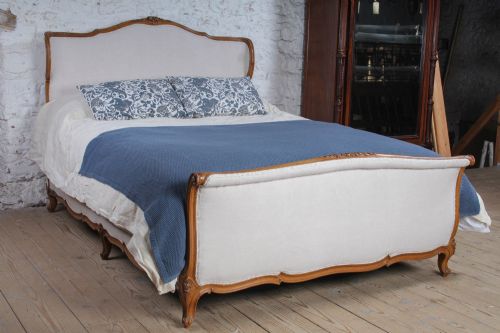
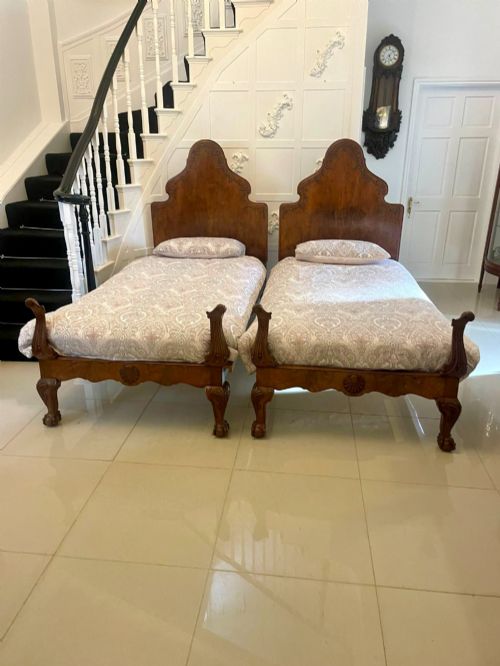
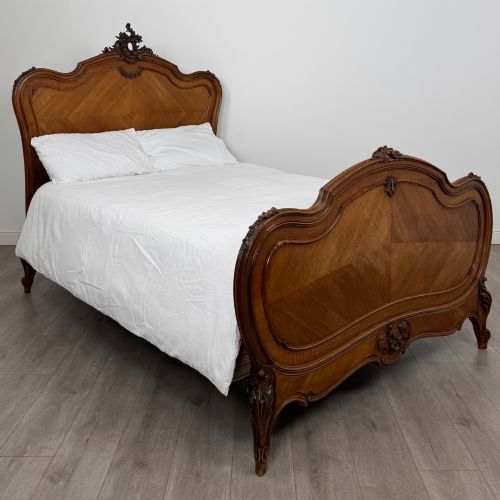
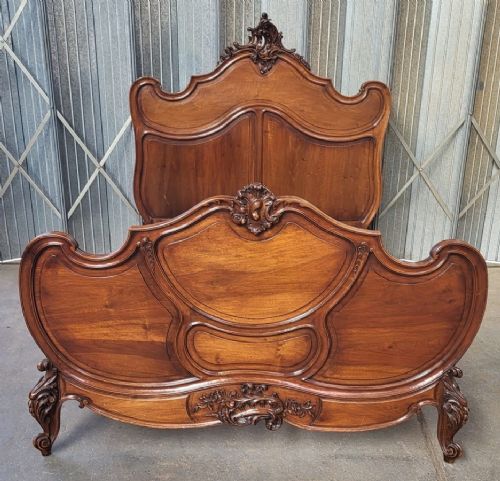



Carved Walnut Headboard
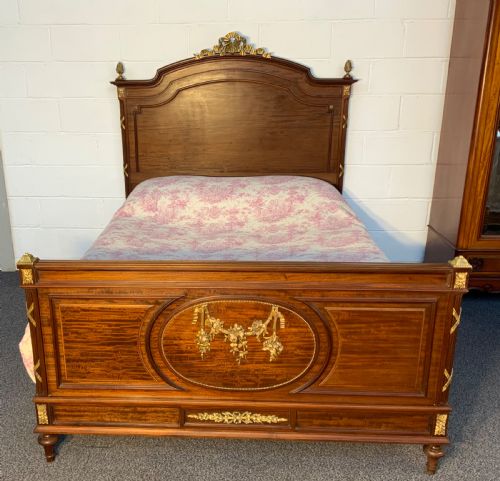
A carved walnut headboard brings rich timber grain and sculptural detail straight to the bedroom.
What a carved walnut headboard is
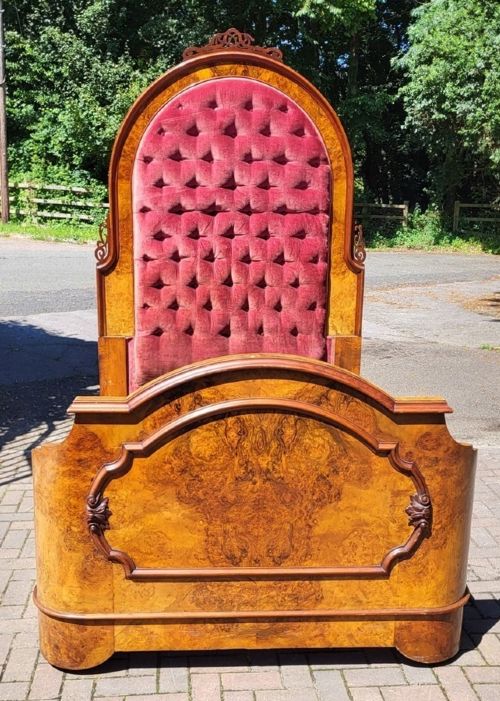
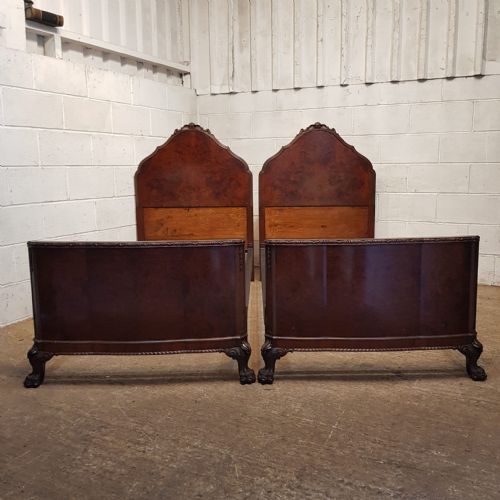
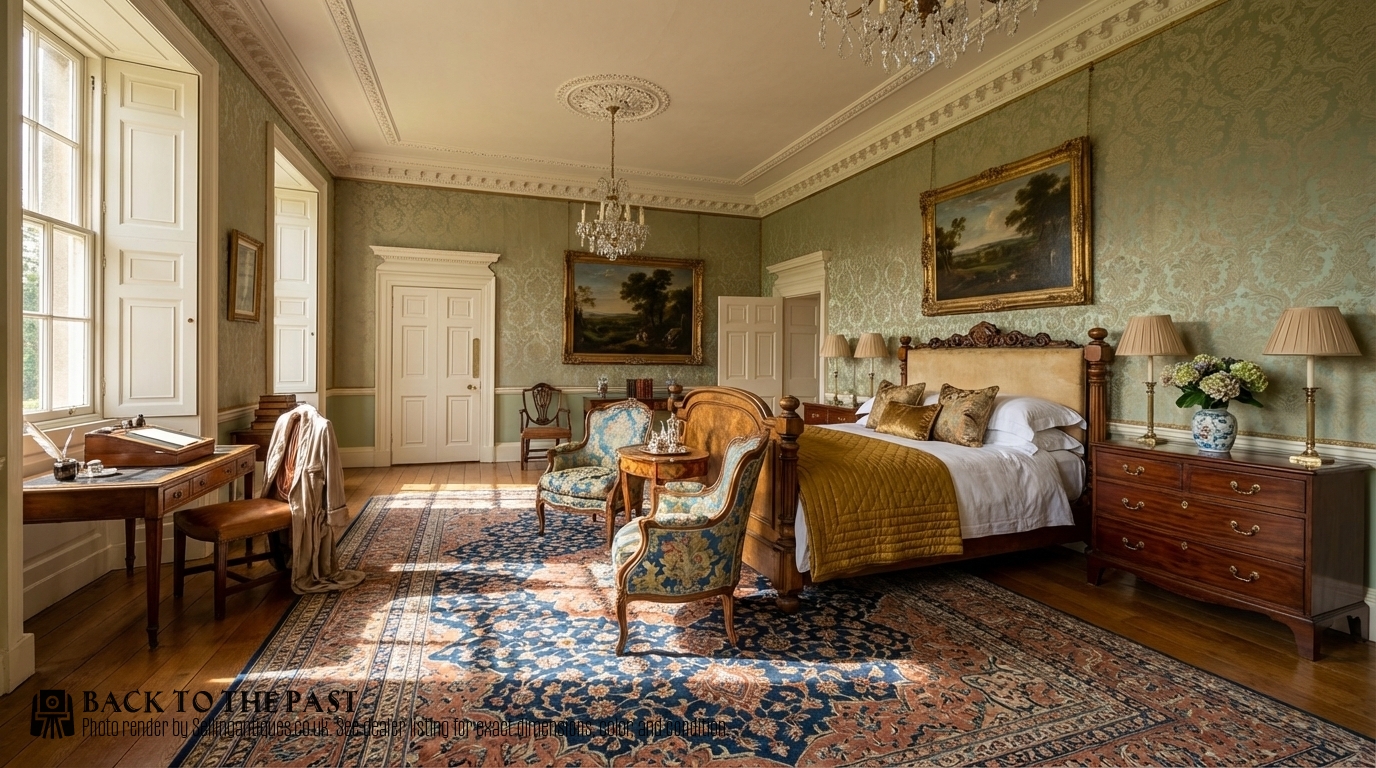
When you search for a carved walnut headboard, you are looking at substantial bedstead components shaped from rich dark timbers. These pieces emerge predominantly in nineteenth-century forms alongside occasional nineteen-twenties examples.
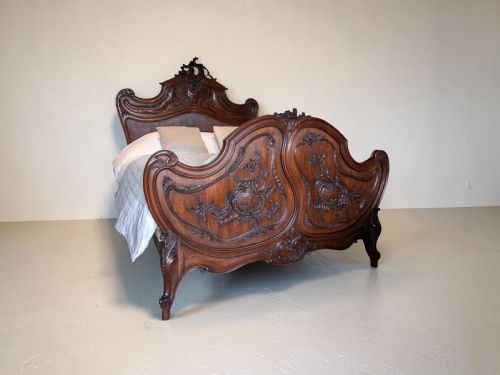
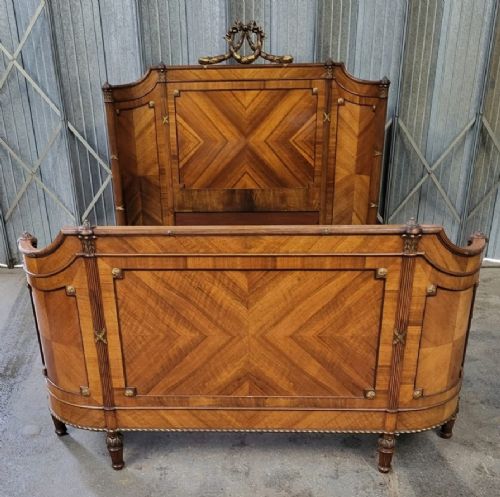
The selections on this page draw from French Renaissance Revival, Victorian, Henri II, Louis XVI, and Art Deco styles. You are most likely to meet large French and imperial proportions spanning king and emperor sizes.
Many items survive as complete bedsteads rather than isolated panels. The woodwork demonstrates deep relief carving and figured grain patterns typical of the period.
How they were made
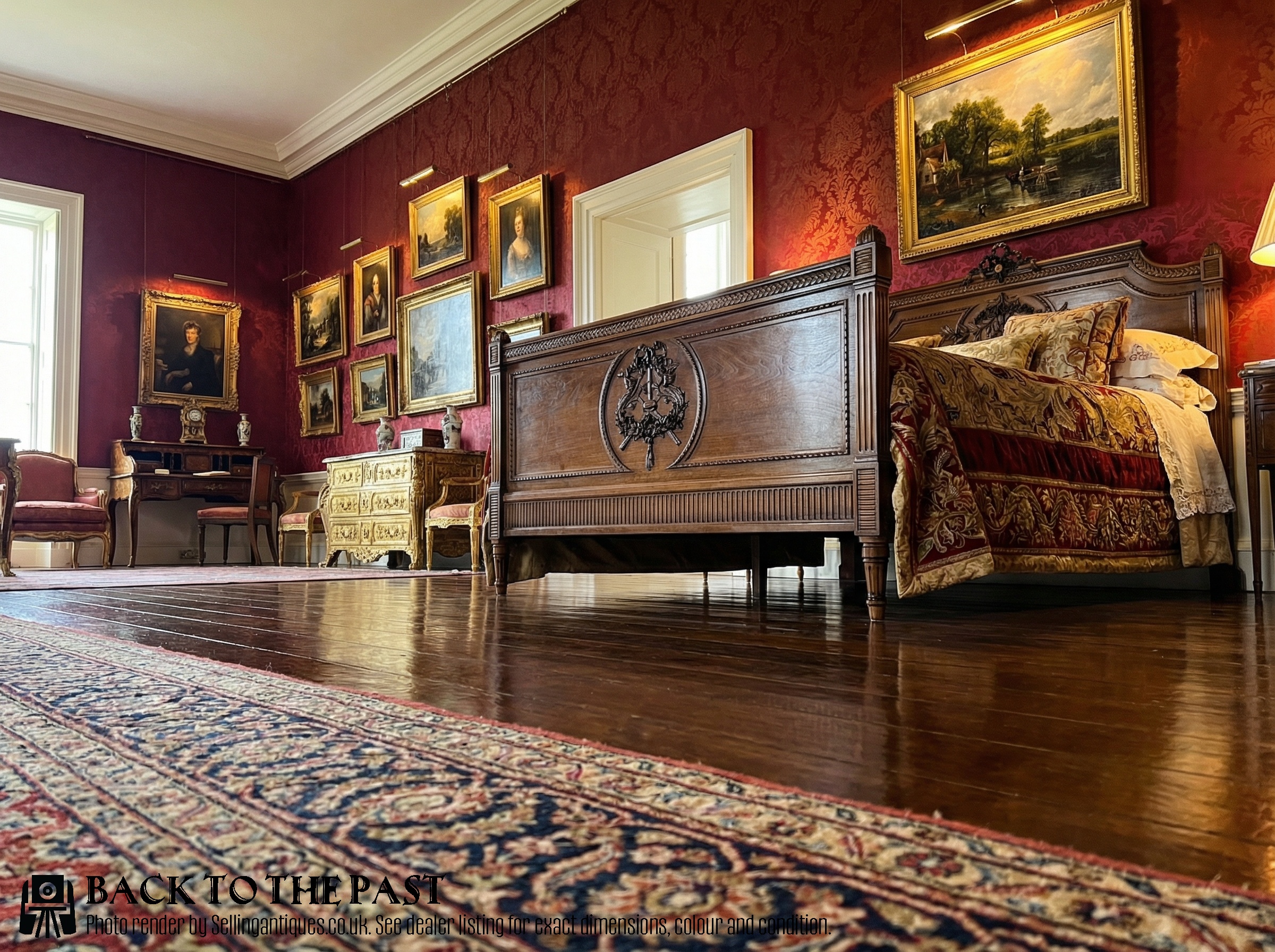
Maker's workshops utilised solid walnut and walnut veneer, often selecting burr walnut sections to display striking natural patterns across the headboard surface. Artisans shaped these dense timbers using hand-carving chisels to create deep relief ornamentation.
Some examples incorporate textile elements alongside the carved woodwork. Structural joinery relies on traditional carpentry methods suited to heavy nineteenth-century and early twentieth-century bedframes.
Retail Price Guide 2026
Typical UK retail prices for carved walnut headboard, calculated from the Sellingantiques database of over a million retail prices indexed since 2003. This retail price guide relies exclusively on Sellingantiques data; no external sources or auction records are used, so the figures do not describe the wider market.
Every single bedstead listed here requires an emperor or king size mattress to match its grand proportions.
What varies in quality
Quality rests in the crispness of the chisel work and the depth of the timber's figuring. Boldly sculpted French Renaissance and Henri II ornamentation demonstrates superior sculptural ambition compared to plain rectilinear framing.
The choice between solid walnut and veneer application changes the visual weight of the piece. Master craftsmen matched burr walnut veneers symmetrically to create harmonious decorative panels.
The Carved Walnut Headboard Glossary
- Burr walnut
- A prized timber harvested from growth excrescences on walnut trees, yielding intricate swirling grain patterns. It provides exceptional decorative surface movement on grand headboards.
- Henri II style
- A revivalist aesthetic drawing on sixteenth-century French architecture and furniture design. It is characterised by architectural moulding, heavy proportions, and vigorous relief carving.
- Bedstead
- A complete framework of a bed including headboard, footboard, and rails. Many listings preserve the entire structure rather than just the headboard panel.
- Veneer
- A thin layer of superior wood adhered to a secondary timber base. This technique allowed cabinetmakers to display expensive figured grain economically.
Frequently Asked Questions
Are these headboards part of full bedframes?
Most entries on this page represent complete bedsteads rather than detached headboards. They survive as integrated structures incorporating matching footboards and side rails.
Buyers receive the entire timber assembly as recorded in the nineteenth-century and early twentieth-century listings.
What periods do these pieces date from?
The available pieces span the nineteenth century up to nineteen-twenty. This includes Victorian and Art Deco eras alongside specific revival styles.
Dates reflect the manufacturing period indicated in each individual listing without assuming precise creation years.
How do I identify French Renaissance Revival pieces?
French Renaissance Revival pieces display vigorous architectural carving and heavy proportions. They often feature deep relief work inspired by sixteenth-century motifs.
Solid walnut construction and imposing scale distinguish these heavier nineteenth-century examples from later styles.
Do these headboards require special care?
Walnut timber benefits from stable indoor humidity and occasional polishing with appropriate wax. Direct sunlight should be avoided to protect the rich wood tones.
Regular dusting preserves the carved relief details without damaging the antique finish.