
Vintage Bed Frame
A vintage bed frame brings tactile period character to a bedroom through substantial brass, iron, and timber construction spanning the Victorian era to the 1930s.
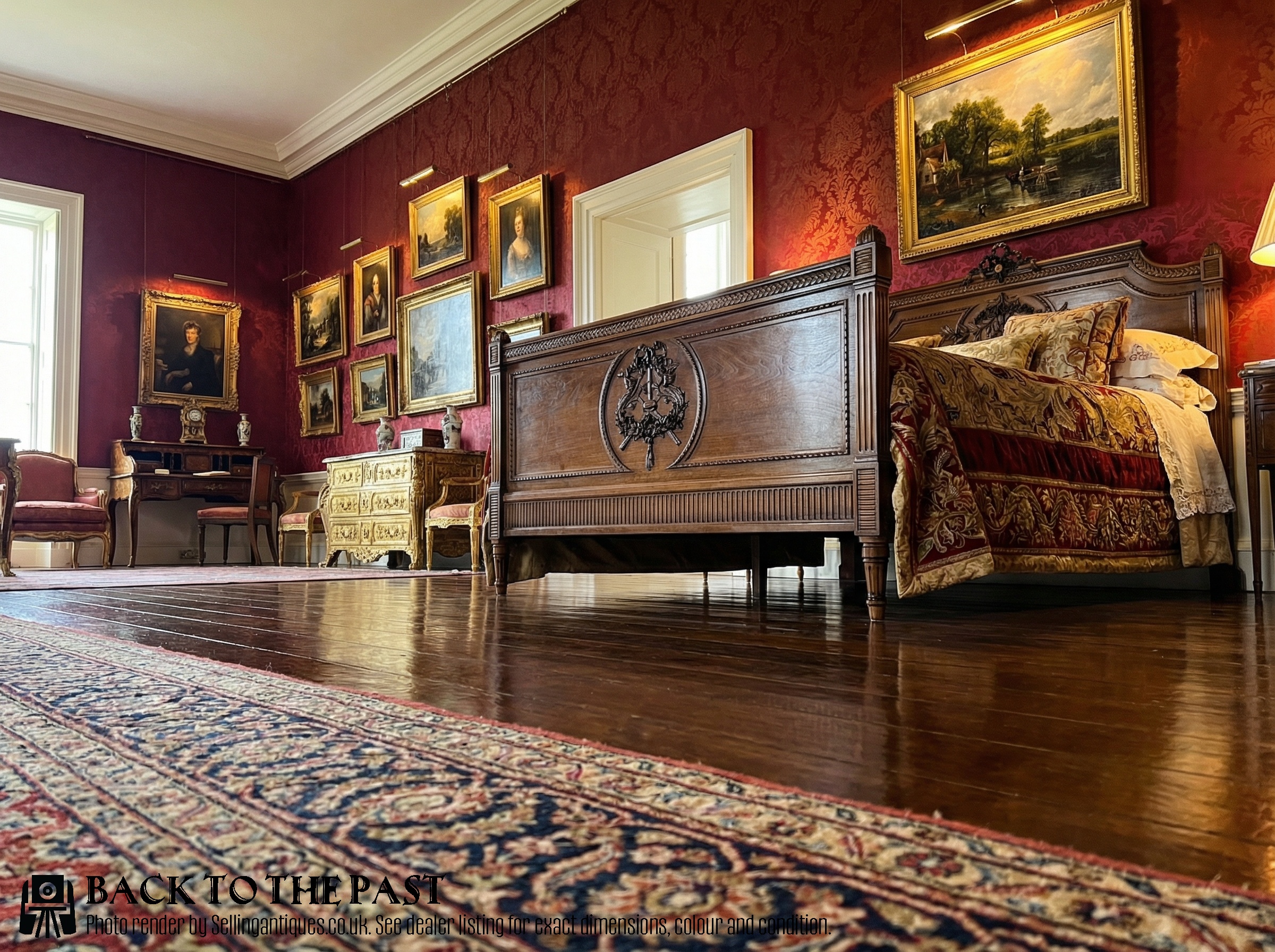
Vintage Bed Frame
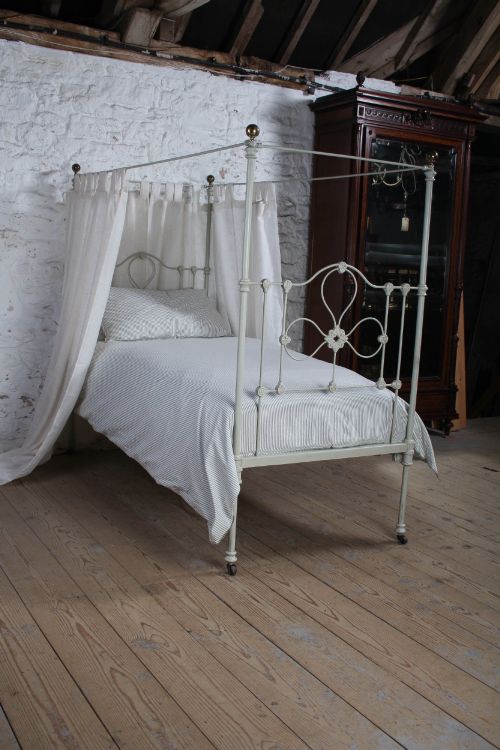
A vintage bed frame search uncovers substantial sleeping furniture spanning the Victorian and Edwardian eras into the 1930s. Buyers encounter double, king, and single sizes alongside daybeds and half tester frames designed for domestic chambers.
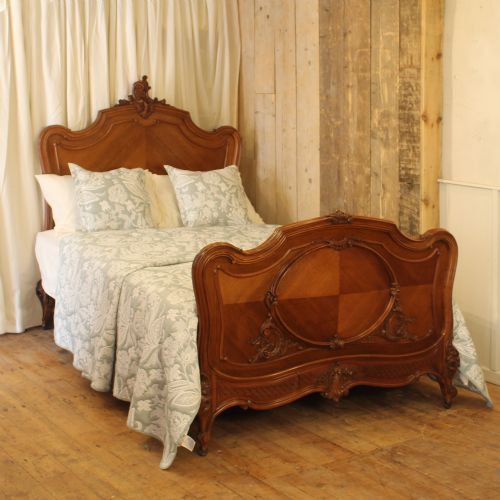
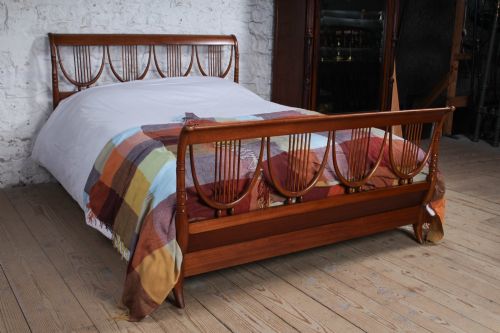
The selection frequently presents Victorian and Edwardian examples built from brass and iron, alongside timber pieces from the 1920s and Art Deco periods. Makers utilised hardwoods like mahogany, walnut, and burr walnut for sophisticated domestic settings.
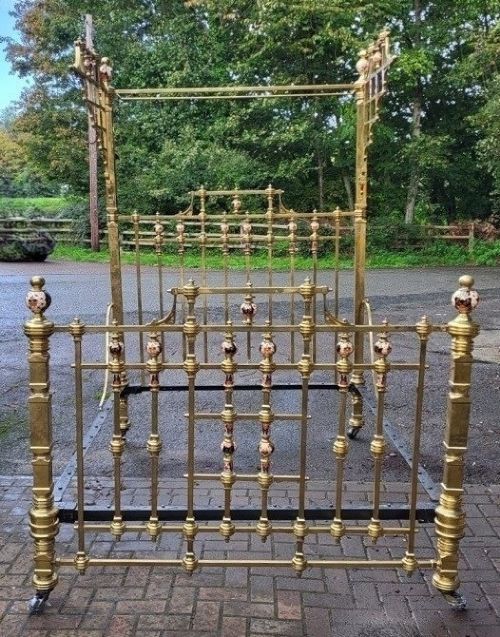
Origin variations appear across English workshop pieces and French provincial or neoclassical designs. Buyers navigate formats ranging from simple iron singles to ornate exhibition quality brass half tester beds.
Materials and construction methods
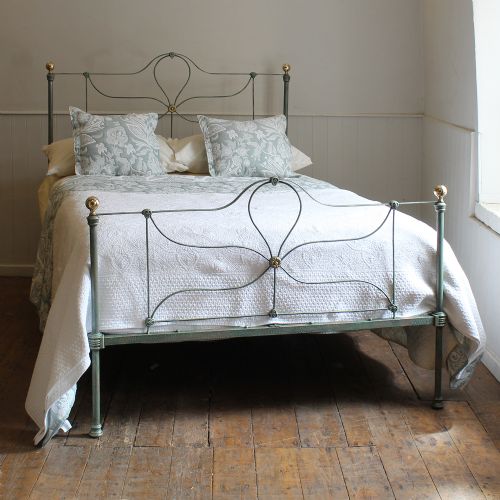
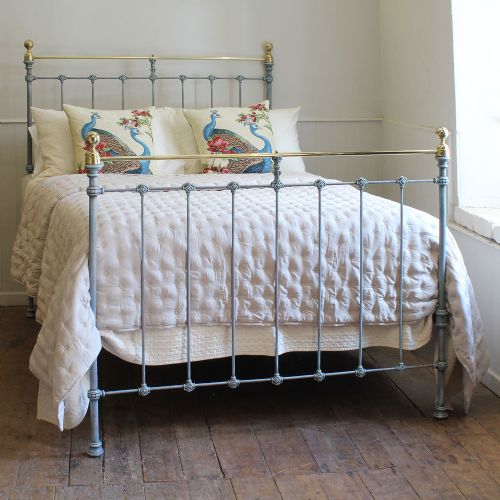
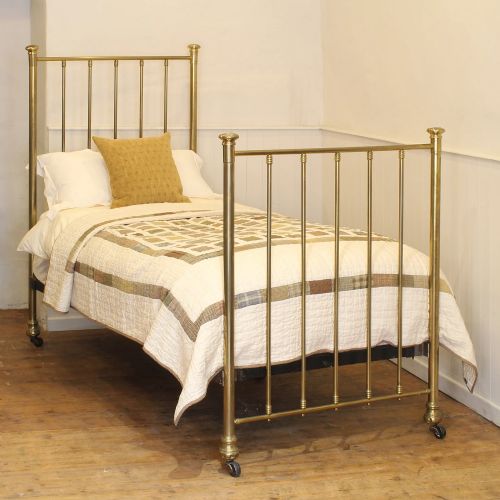
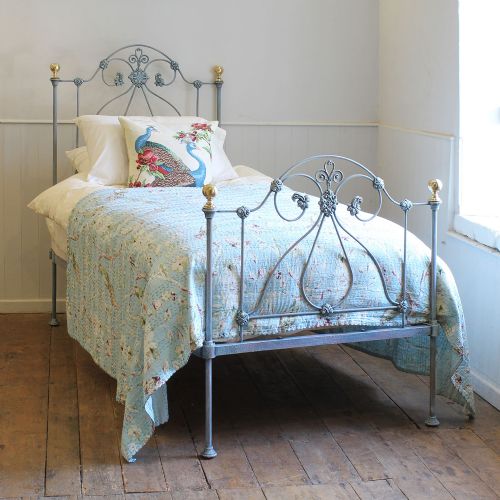
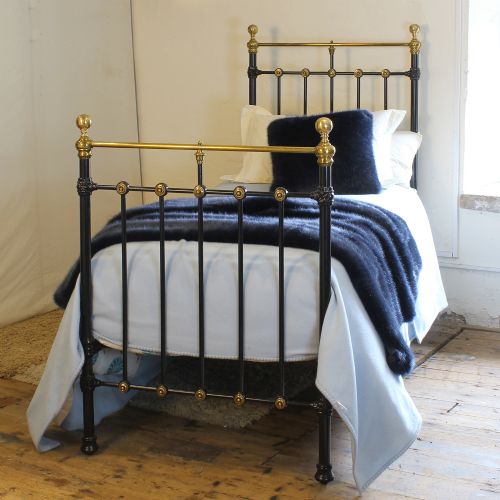
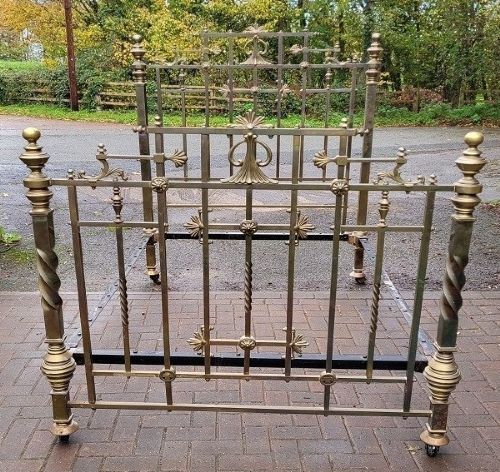
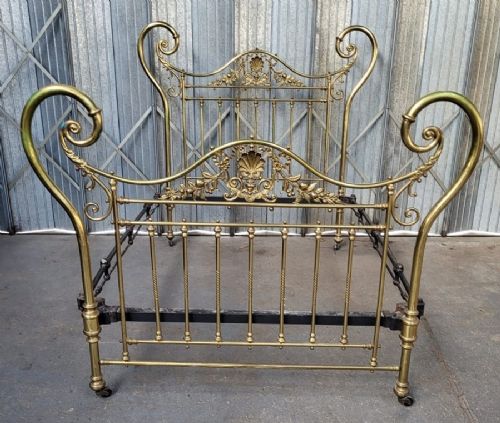
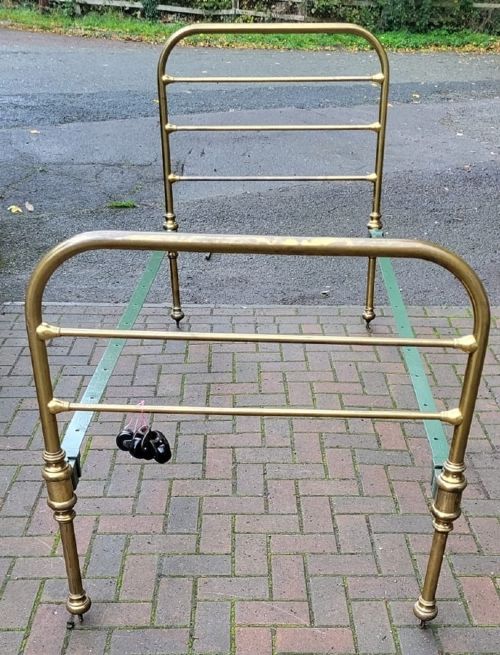
Makers constructed metal frames utilising brass, cast iron, wrought iron, and nickel plating, often combining brass castings with iron slot-in frames set on castors. Decorative details incorporate hand painted elements, mother of pearl inlays, and attractive metalwork castings.
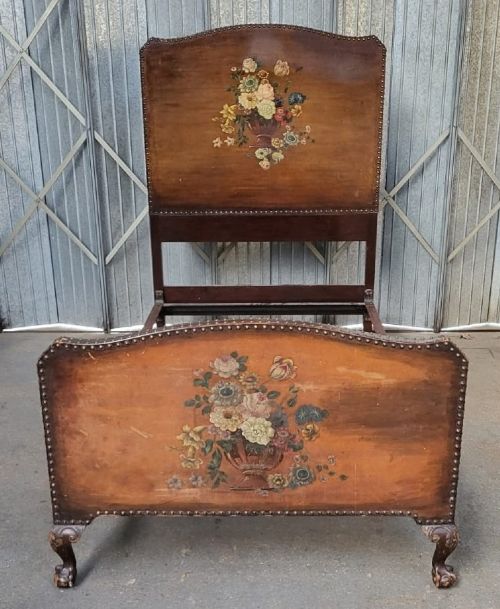
Woodwork utilised solid timber and veneers, including oak, mahogany, sweet chestnut, fruitwood, and burr walnut. Workshops applied carving, marquetry inlay, and bergere weaving to achieve Edwardian and Art Deco stylistic expressions.
Listings span eight distinct decades from the 1870s through the 1930s, encompassing Victorian, Edwardian, and Art Deco styles.
Distinctions in construction and design
Quality rests upon the integrity of the original joints, the crispness of brass castings, and the weight of the iron framework. Exhibition pieces display superior metal finishing, intricate ornamentation, and documented maker signatures.
Timber versions derive their standing from choice veneers, such as burr walnut, matched with competent cabinetmaking and structural stability. The presence of original labels, matching pairs, and intact decorative inlays separates standard production from exceptional examples.
Heals·Stanley Webb Davies·Oliver Morel·Waring & Gillow·Winfield
The Vintage Bed Frame Glossary
- Bedstead
- A framework of a bed consisting of headboard, footboard, and rails designed to support a mattress. This term frequently appears interchangeably with bed frame in older inventories.
- Half Tester
- A bed with a partial canopy extending over the head portion of the bedstead. Victorian examples often combine this form with solid brass construction.
- Bergere
- A type of upholstered armchair or bed frame featuring cane or wicker panelling. Edwardian oak single beds occasionally utilise this woven technique.
- Winfield
- A notable nineteenth century manufacturing firm producing metal bed frames. Their pieces are distinguished by marked brass components and detailed casting.
Vintage Bed Frame: Frequently Asked Questions
How do I measure for a vintage bed frame?
Vintage dimensions often deviate from modern mattress standards, requiring careful tape measurements of the internal rails and overall frame. Buyers should verify whether the bedstead accommodates standard contemporary mattress widths.
Widths varied considerably across the Victorian, Edwardian, and Art Deco periods. Checking the interior length and width prevents fitting issues upon delivery.
Are vintage bed frames compatible with modern bases?
Many iron and brass frames utilise slot-in side rails that accept contemporary wooden slats or modern low profile bases. Careful placement ensures the mattress sits securely within the antique side rails.
Wooden frames from the Edwardian and Art Deco periods may require bespoke slatted supports. Consulting the specific rail construction helps determine compatibility.
How do I assemble a metal bedstead?
Metal frames typically employ a wedge and slot system where iron side rails drop directly into corner mountings on the headboard and footboard. Gravity and the weight of the mattress lock these joints firmly into position.
Castors fitted to the base should remain aligned to distribute weight evenly across the floor. Lubricating threaded bolts on antique brass components prevents binding during setup.
How do I clean brass and iron frames?
Cast iron and brass components benefit from gentle dusting with a dry microfiber cloth to remove surface debris. Avoiding harsh chemical polishes preserves the natural patination built up over decades.
Lacquered brass requires minimal intervention beyond wiping with a damp cloth. Unlacquered metal takes light application of appropriate conservation wax where necessary.
Can I find matching single beds?
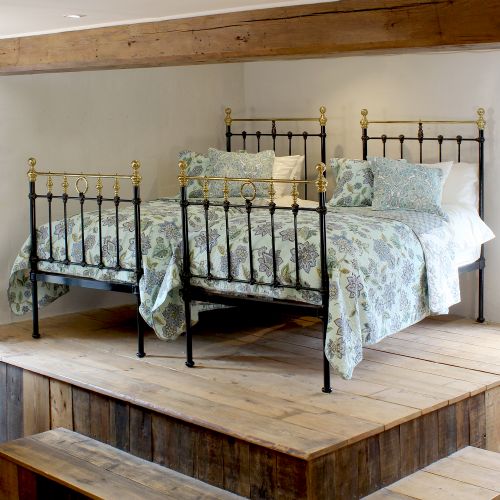
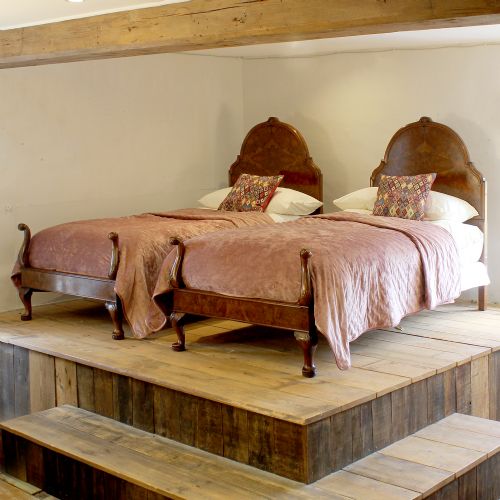
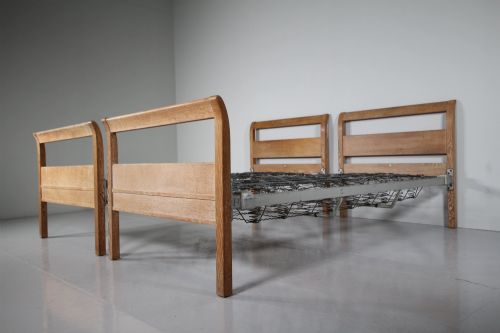
The listings occasionally include matched pairs of single beds originating from the Edwardian and 1920s periods. These sets suit twin guest rooms or larger master chambers.
Pairs often feature identical timber veneers like burr walnut or matching brass and iron castings. Purchasing a documented pair ensures stylistic continuity.