







Neoclassical Bedstead
A neoclassical bedstead brings grand architectural lines and classical restraint into the bedroom through formal proportions and refined classical ornament.
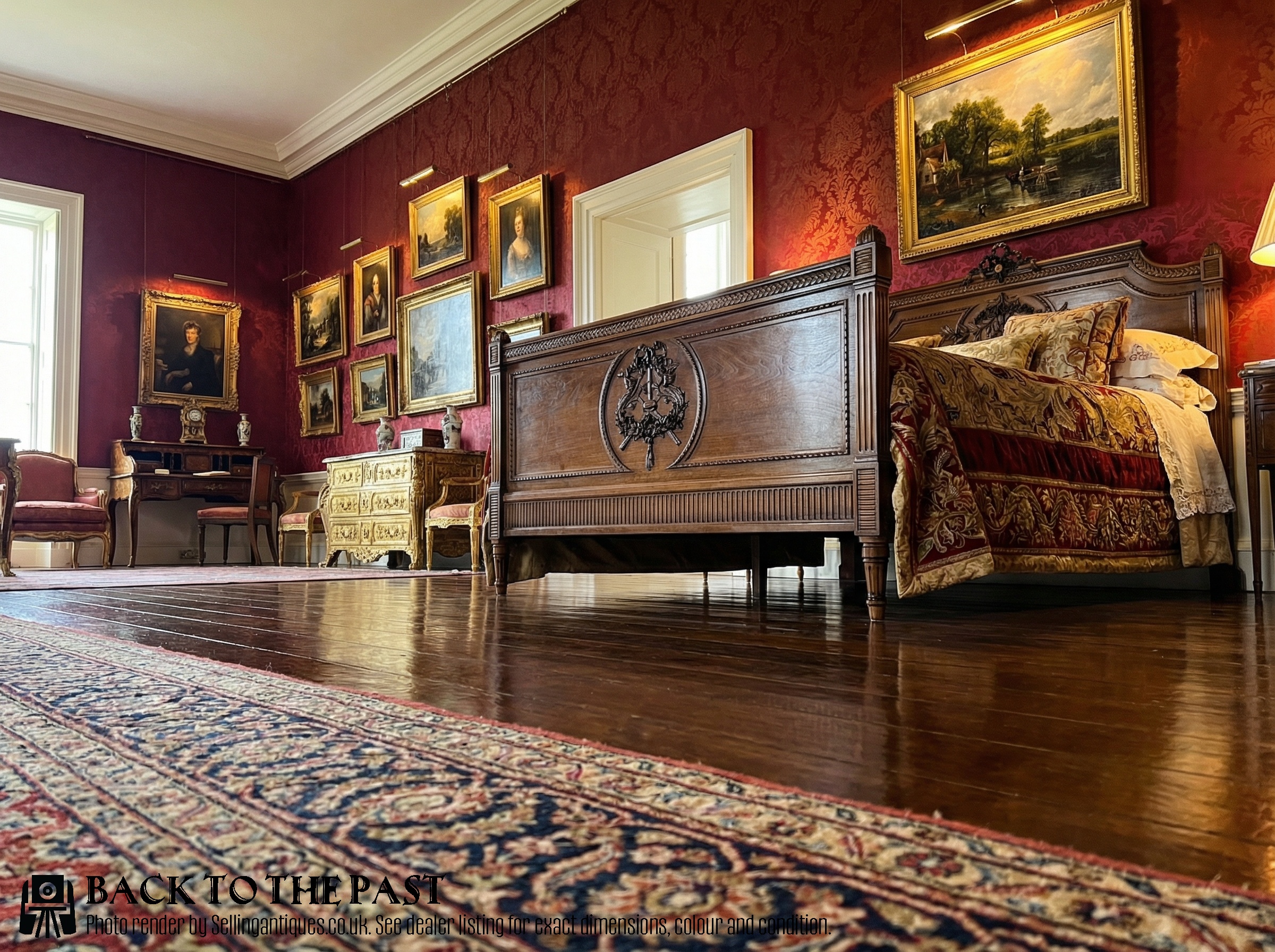
Neoclassical Bedstead
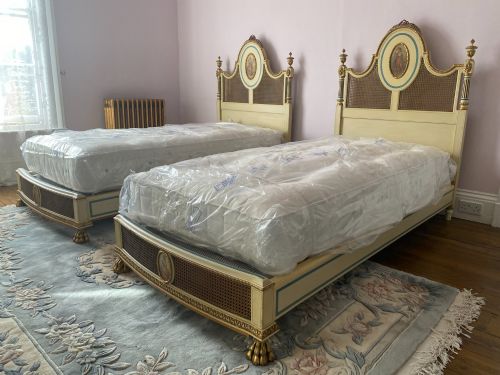
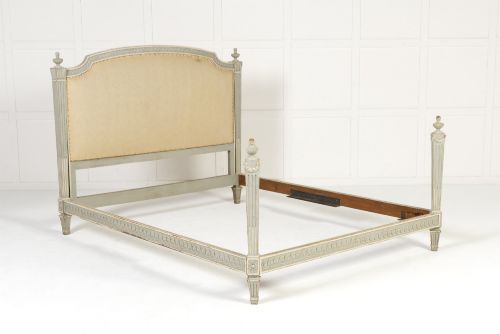
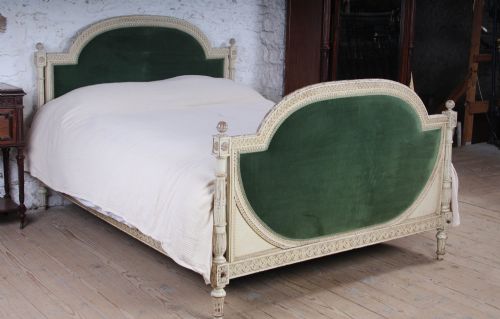
A neoclassical bedstead represents a deliberate return to the classical motifs of antiquity, drawing inspiration from ancient Greek and Roman design traditions. These frames appear across several distinct periods, most notably originating around 1800 before experiencing widespread revivals throughout the nineteenth century and into the early decades of the twentieth century.
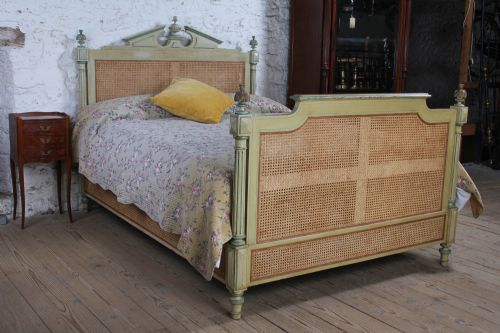
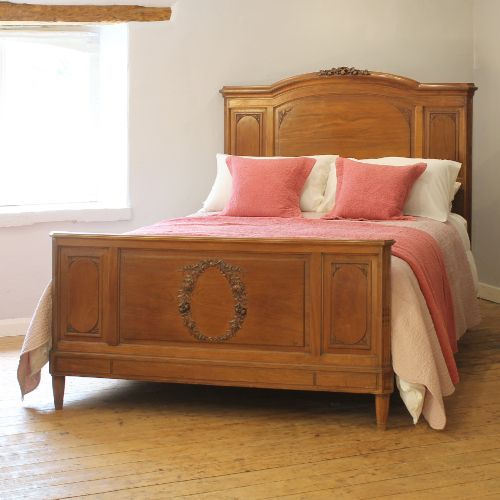
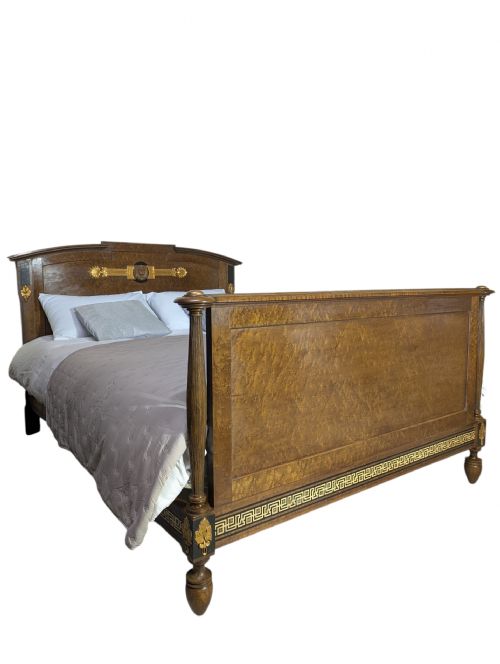
Buyers browsing this selection will encounter various formats spanning single beds, double frames, and larger sizes including king and super king proportions. The predominant aesthetic aligns closely with French taste, specifically manifesting through Louis XVI style, French Empire, and Italian neoclassical expressions.
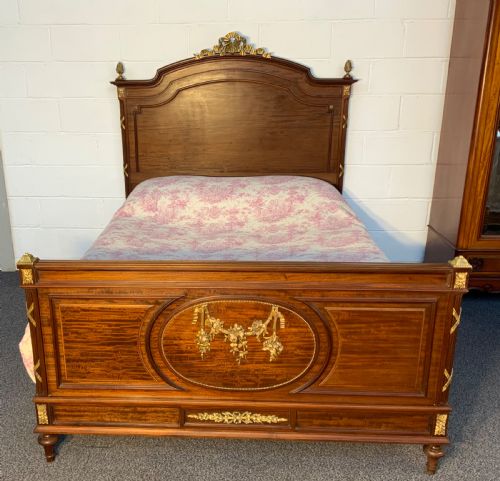
Makers of these sleeping quarters utilised traditional cabinetmaking forms, constructing pieces that range from carved mahogany suites to lighter painted frames. Surviving examples frequently incorporate matching bedroom furniture such as side cabinets to complete the scheme.
Assessing quality and craftsmanship
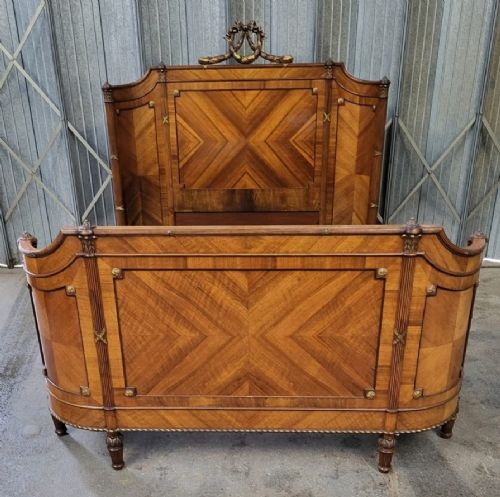
The distinction between standard examples and superior pieces rests upon the crispness of the carving and the precision of the parquetry inlay. Cabinetmakers who invested time in meticulous timber selection achieved a greater harmony of grain across large surfaces.
Quality also reveals itself in the integration of metalwork, where finely chased ormolu or solid brass mounts sit flush against the timber rather than appearing as coarse additions. The sophistication of painted finishes, particularly detailed hand-painted panels, elevates certain examples above plain production.
Neoclassical Bedstead Retail Price Guide 2026
Typical asking prices for neoclassical bedstead among the pieces listed under this phrase on Sellingantiques today, from the lower quarter to the upper quarter. They describe what is for sale here now, not the wider market.
Current listings feature pieces spanning from the year 1800 through the nineteenth century and into the early twentieth century, up to 1920.
The Neoclassical Bedstead Glossary
- Neoclassical
- A style originating in the mid-eighteenth century that drew direct inspiration from the art and architecture of classical antiquity. It prioritises symmetry, straight lines, and classical restraint over ornate curves.
- Ormolu
- Gilded bronze mounted onto furniture as a decorative accent. This technique provides sharp metallic contrast against dark timbers like mahogany.
- Parquetry
- Geometric wood mosaic work used for decorative surfaces on floors and furniture. Skilled makers arranged contrasting timber veneers in repeating patterns.
- Marquetry
- The art of applying pieces of veneer to a structure to form decorative designs and pictures. It differs from parquetry through its pictorial complexity.
- Cane
- Woven material derived from the rattan plant, utilised for light and breathable panel inserts in headboards and footboards. This technique adds texture to painted and gilded wooden frames.
Neoclassical Bedstead: Frequently Asked Questions
What defines a neoclassical bedstead?
A neoclassical bedstead is defined by its adherence to classical architectural principles, featuring straight lines, symmetrical proportions, and ornament inspired by ancient civilisations.
These frames often incorporate architectural elements such as columns, pilasters, and classical bronze mounts.
How do I fit modern mattresses?
Many antique frames require custom mattress sizing or subtle internal adjustments to accommodate modern dimensions safely.
Consulting specialist suppliers ensures the structural integrity of the antique rails remains protected.
Are these beds French or Italian?
The majority of surviving examples originate from France, spanning various revivals of the Louis XVI and Empire periods.
Italian neoclassical pieces also appear, often showcasing distinct regional timber selections like walnut.
How should I care for the wood?
Maintain timber surfaces by dusting regularly with a soft, dry cloth and avoiding direct sunlight.
Preserve Ormolu and brass mounts by avoiding harsh commercial cleaners that might strip the original finish.