



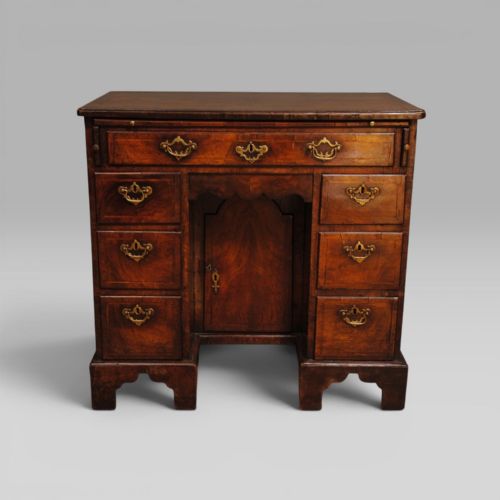
Carved Walnut Bureau Desk
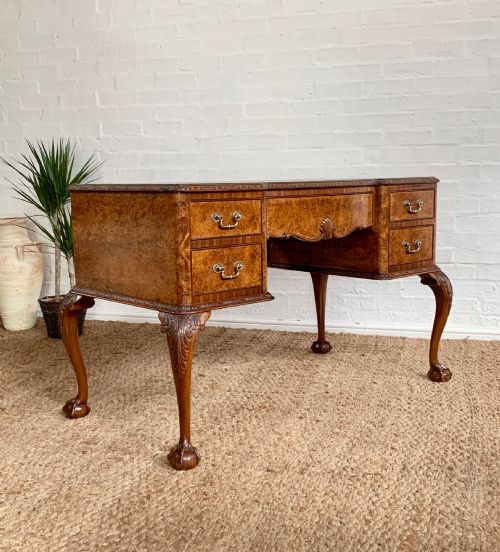
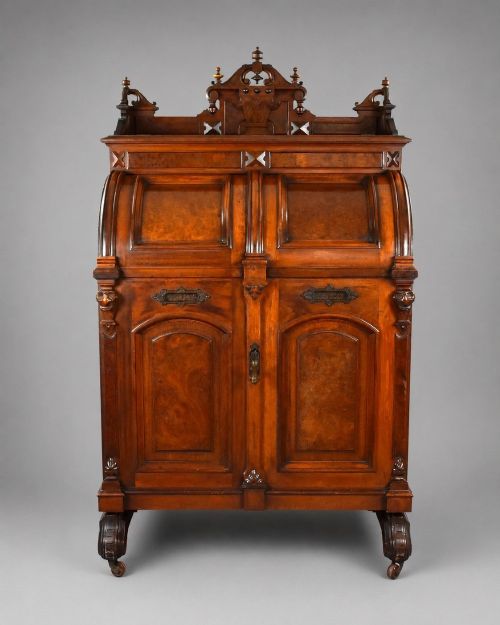
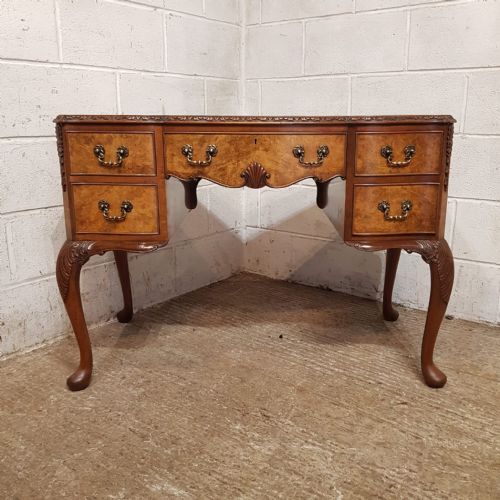
A carved walnut bureau desk brings rich timber figure and practical writing space together, offering a stately centrepiece for the study.
Carved Walnut Bureau Desk
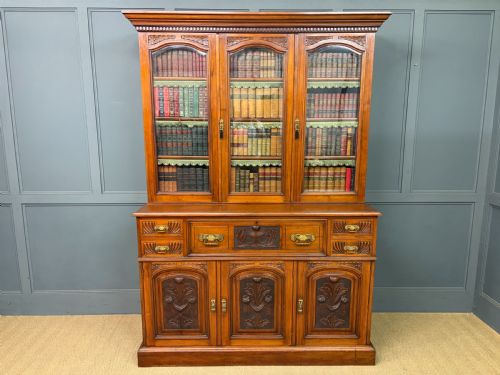
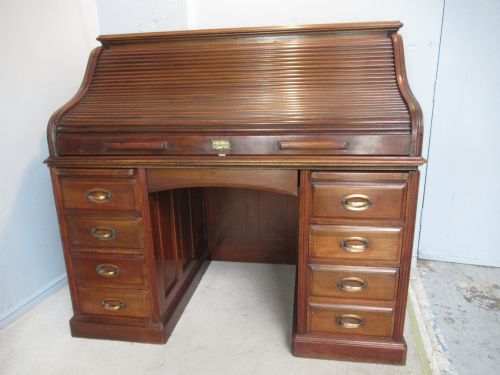
A carved walnut bureau desk provides a compact writing station that conceals storage behind a sloping fall-front or writing flap. These items emerge primarily from the eighteenth and nineteenth centuries, spanning Victorian, Georgian, and revival movements.
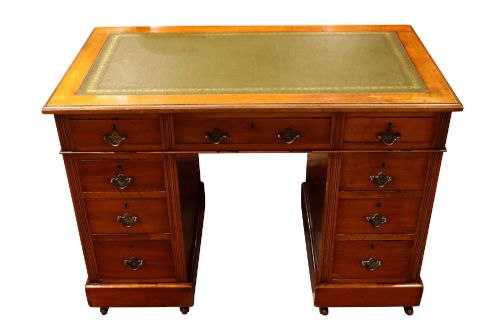
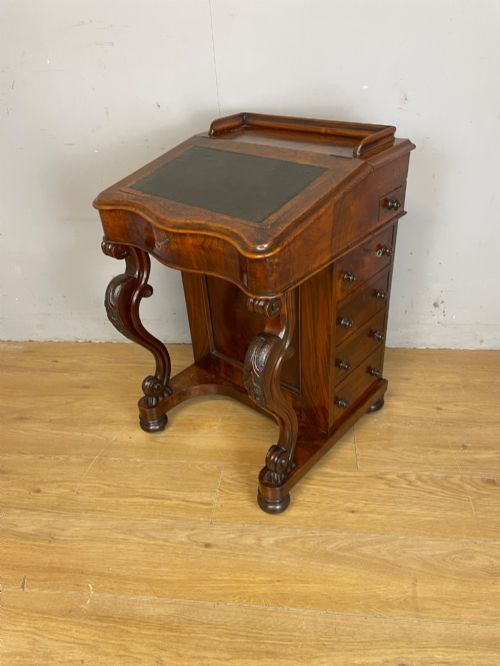
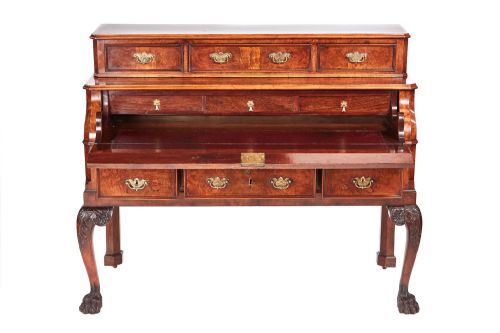
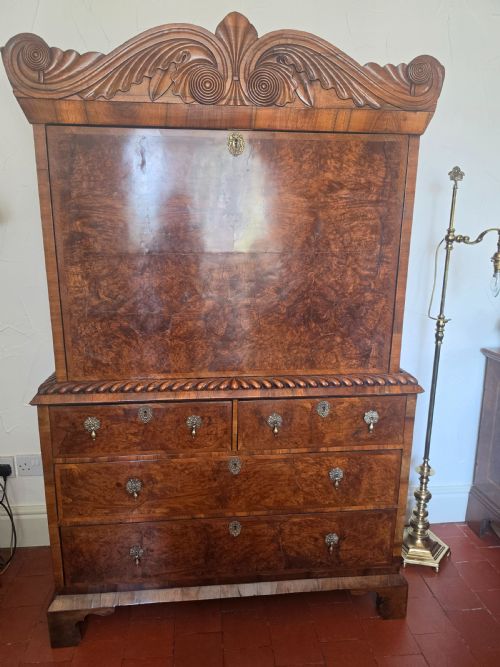
The versions met most frequently on this page include Victorian burr walnut Davenport desks, fall-front bureaux, and pedestal forms. Many incorporate fitted internal compartments alongside leather writing surfaces.
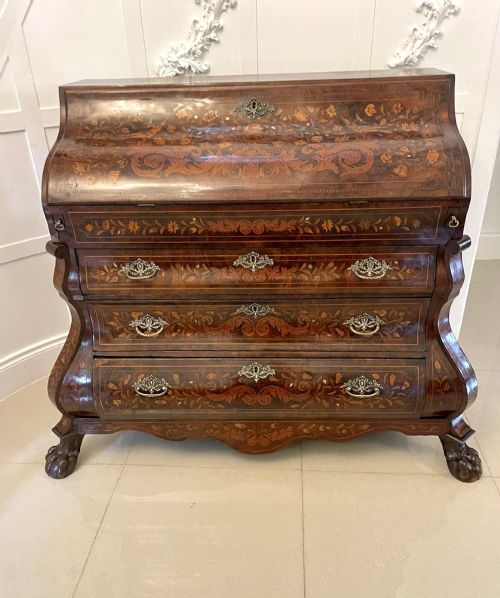
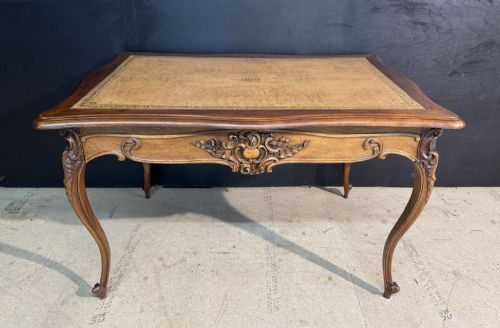
Originating across English, French, and Dutch workshops, these writing furniture pieces range from bombe-shaped marquetry cabinets to simple kneehole desks.
How they were made
Cabinet makers utilised solid walnut and decorative burr veneers applied over secondary timbers, often embellishing surfaces with intricate fruitwood floral marquetry. Brass hardware, ormolu mounts, and tooled leather inserts complete the construction of these writing surfaces.
Structural joinery relies on traditional methods to support heavy writing drawers and folding desks, while exterior carving and turned wooden elements define period revival styles like Queen Anne and Louis XV.
Some nineteenth-century Davenport desks hide secret compartments designed for stashing love letters away from prying eyes.
What varies in quality
The grade of timber selection dictates overall visual appeal, with highly figured burr walnut veneers commanding greater interest than plain grain. Crispness of hand-carved ornamentation and the retention of original brass fittings further separate standard examples from finer commissions.
Internal complexity also marks gradation, where fitted satinwood stationery drawers and secret compartments demonstrate superior workshop execution.
Étienne Kohlmann·Wells Fargo
The Carved Walnut Bureau Desk Glossary
- Bureau
- A writing desk featuring a sloping lid that opens to reveal internal pigeonholes and small drawers. This form became popular during the seventeenth and eighteenth centuries.
- Davenport
- A small compact writing desk with a sloped sliding top, fitted drawers accessed from the side, and a stationary compartment on top. This form emerged during the nineteenth century.
- Marquetry
- Decorative veneer work forming pictorial or floral patterns using various tinted woods. Artisans applied these thin sheets to carcase furniture for rich surface ornamentation.
- Bombe
- A swelling, outward-curved contour found on the front and sides of furniture chests and desks. This silhouette appears frequently in Dutch and continental designs.
- Escritoire
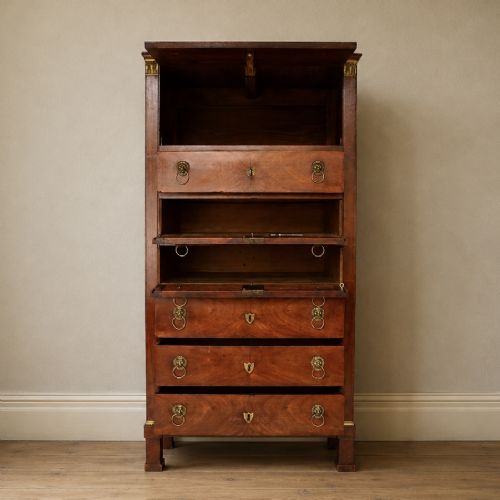
- A tall writing cabinet containing a drop-down writing surface enclosing multiple small compartments. These tall pieces provide substantial vertical storage.
Carved Walnut Bureau Desk: Frequently Asked Questions
What is a Davenport desk?
A Davenport desk is a compact writing cabinet featuring a sloping, leather-lined writing surface that lifts to reveal storage. Side drawers and an upper stationery box make it a space-saving option.
First appearing in the nineteenth century, these pieces suit smaller rooms while offering substantial writing utility.
How do I identify a Victorian walnut bureau?
Victorian walnut bureaux often display rich burr veneers, carved cabriole legs, or paw feet. They frequently incorporate decorative marquetry inlay and brass hardware.
Inside, you will find small pigeonholes and drawers constructed from secondary timbers typical of nineteenth-century British cabinet-making.
Where were these desks made?
These writing desks originate primarily from British, French, and Dutch workshops across several centuries. English pieces often follow Georgian and Victorian trends, while continental examples showcase French Rococo or Dutch Baroque influence.
Regional differences appear in the choice of marquetry motifs, carving styles, and internal wood selections.
How do I care for a walnut bureau?
Protect antique walnut by keeping it away from direct sunlight and sudden temperature changes, which can dry out timber and crack veneer. Dust gently with a dry cloth and apply occasional wax polish to maintain the finish.
Avoid placing damp items directly onto the leather or wood writing surfaces.