
Carved Walnut Breakfast Table
A carved walnut breakfast table is a versatile Victorian centrepiece designed for morning dining and evening gatherings, offering rich burr grain and detailed pedestal carving.
Carved Walnut Breakfast Table
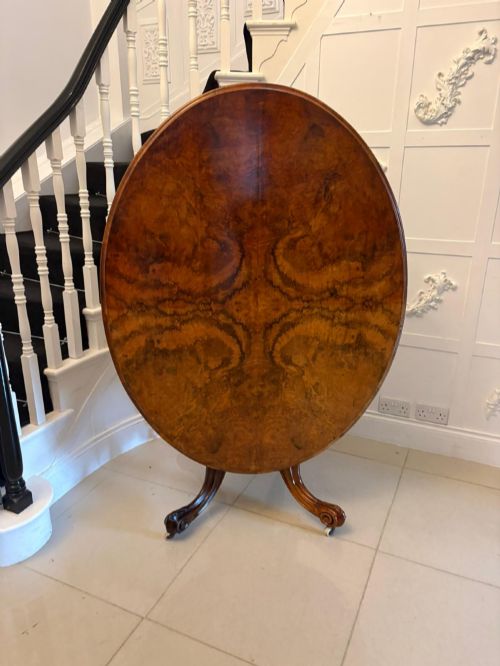
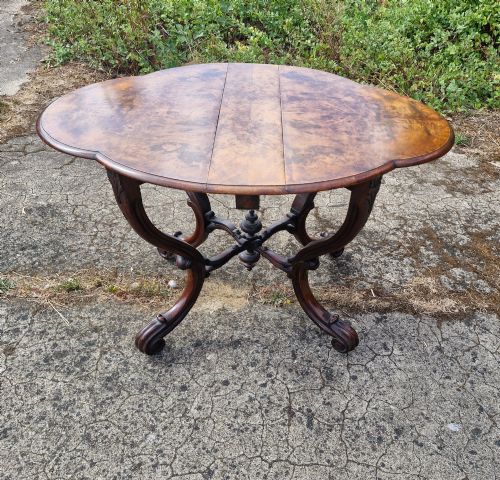
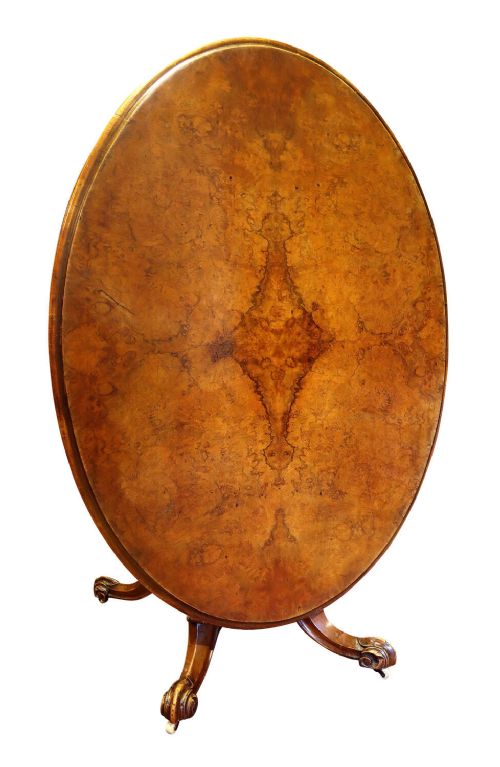
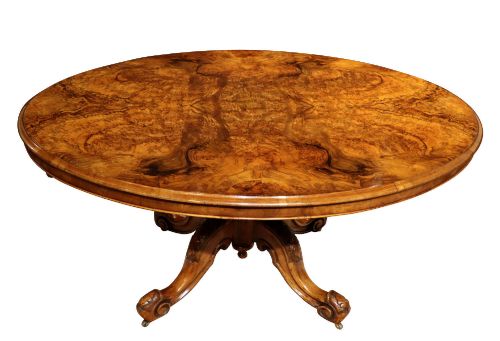
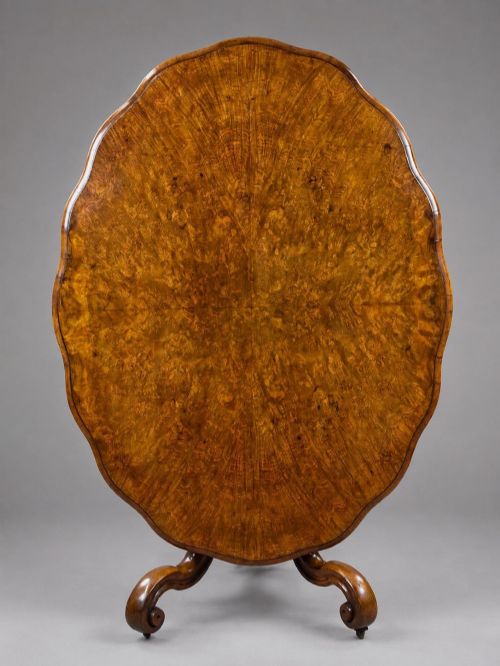
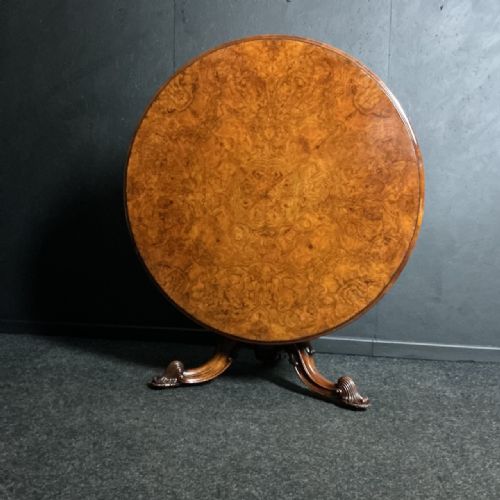
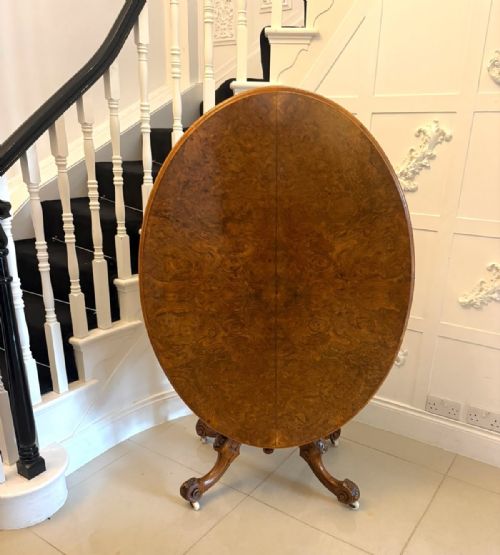
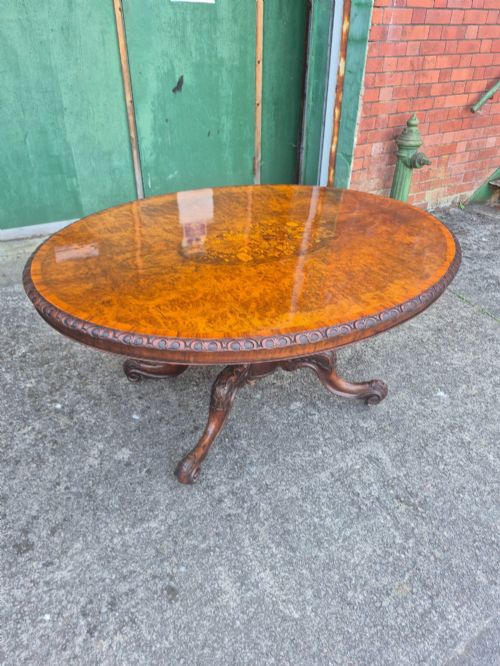
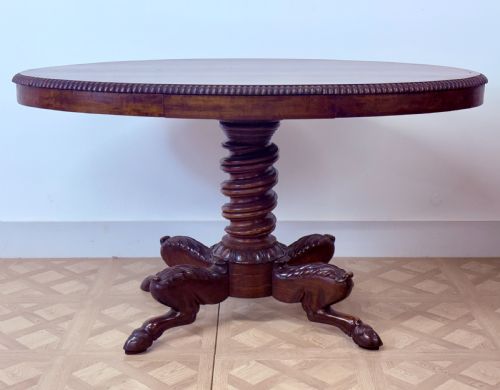
A carved walnut breakfast table is principally a Victorian creation, emerging across the nineteenth century in various oval, round, and shaped formats. These pieces served flexible domestic roles, functioning as morning dining surfaces, large supper tables, or ornamental centrepieces in grand rooms.
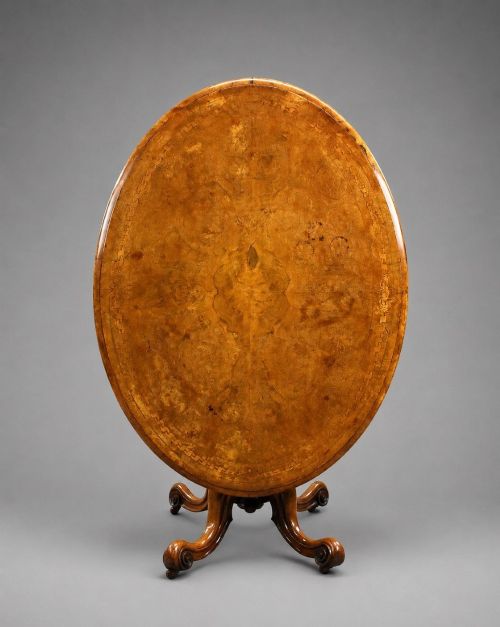
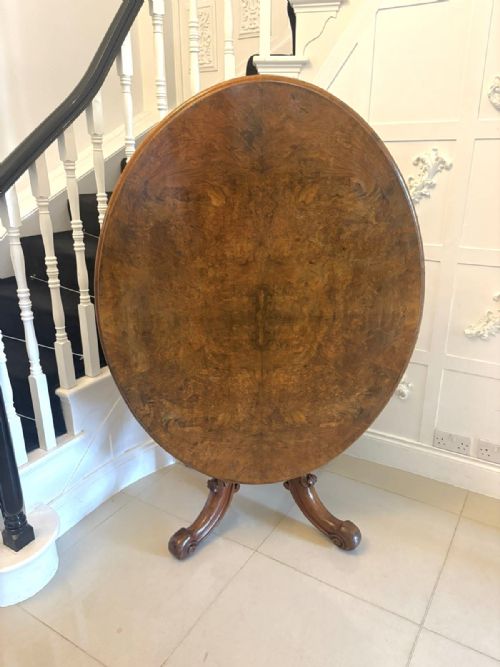
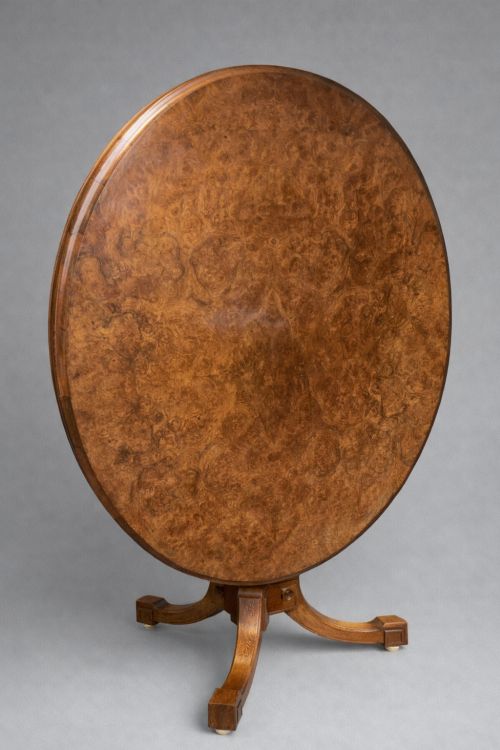
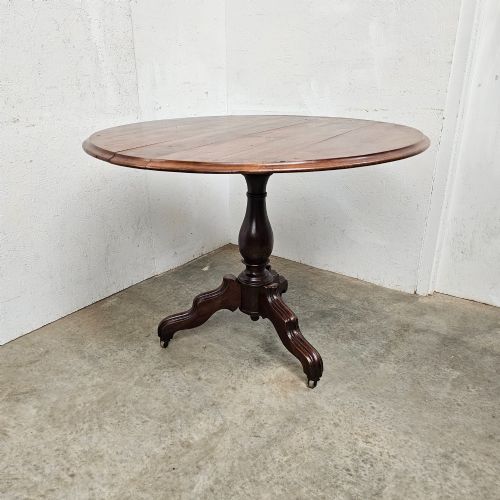
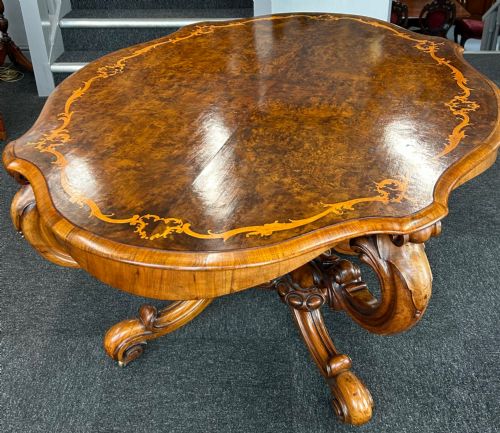
The version most commonly met on this page is the oval tilt-top or loo table in burr walnut, featuring a heavily carved pedestal base and occasionally brass castors. Makers shaped these walnut tables to seat between four and six people, often incorporating clever scissor actions or secret drawers into the design.
How they were made
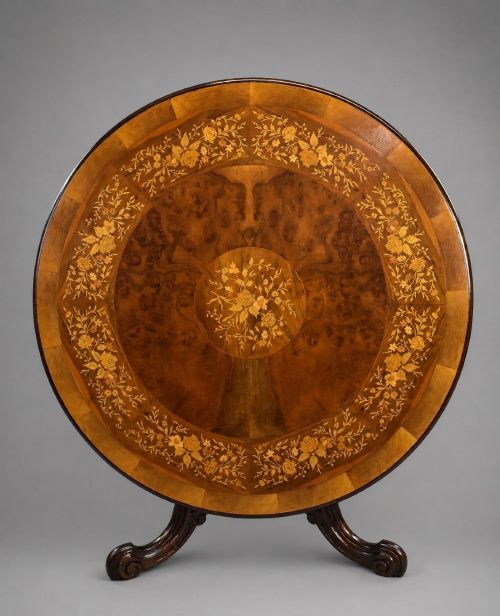
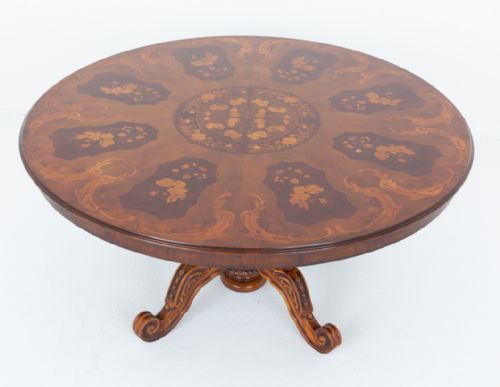
Cabinet makers utilised solid walnut and figured burr walnut veneers applied to stable secondary timbers like mahogany, generating complex grain patterns across expansive table tops. Skilled artisans integrated boxwood inlay, fruitwood, and intricate marquetry to decorate the surfaces with geometric or floral motifs.
The substantial pedestal bases and tripod or quadrapod feet received deep hand-carved ornamentation, executed with chisels to create flowing scrolls and foliage. Many examples employed a tilt-top mechanism, allowing the heavy walnut top to pivot vertically on a brass catch for storage against a wall.
Carved Walnut Breakfast Table Retail Price Guide 2026
Typical asking prices for carved walnut breakfast table among the pieces listed under this phrase on Sellingantiques today, from the lower quarter to the upper quarter. They describe what is for sale here now, not the wider market.
The listings demonstrate a strong dominance of Victorian pieces, with specific production dates centred around the eighteen-fifties, sixties, and seventies.
What varies in quality
The sophistication of the timber selection dictates the visual impact, separating plain walnut surfaces from richly figured burr veneers with complex grain movement. Superior examples display seamless marquetry inlay and crisp, deep hand-carving on the pedestal rather than shallow, mechanical shaping.
Structural integrity of the tilt-top mechanism and the rigidity of the carved quadrapod or tripod base define the engineering standard. Tables that stand firmly without wobble on their original brass castors represent the upper tier of nineteenth-century craftsmanship.
Edwards and Roberts
The Carved Walnut Breakfast Table Glossary
- Burr walnut
- A prized timber harvested from walnut tree growths, producing swirling, highly decorative grain patterns used extensively for table veneers.
- Tilt-top table
- A design incorporating a hinged mechanism that allows the table surface to swivel vertically when not in use.
- Loo table
- A large Victorian parlour table originally intended for the card game loo, functioning equally as a breakfast or centre table.
- Marquetry
- The art of applying decorative pieces of veneer to a structure to form intricate pictorial or geometric patterns.
- Quadrapod base
- A heavy pedestal support resting on four carved feet, frequently fitted with castors for mobility.
Carved Walnut Breakfast Table: Frequently Asked Questions
What is a loo table?
A loo table is a large nineteenth-century round or oval table designed for social card games and general parlour use.
These versatile pieces double effectively as breakfast tables or grand centrepieces in traditional dining spaces.
How does a tilt-top mechanism work?
A tilt-top mechanism uses a hinged wooden block and a brass catch beneath the surface to pivot the table top.
This clever design allowed Victorian households to store large tables flat against the wall to save floor space.
What distinguishes burr walnut?
Burr walnut is cut from irregular tree growths, yielding a dense, swirling grain pattern unlike straight timber.
Cabinet makers utilised these striking veneers on prominent table tops to create rich visual depth.
How many people do these seat?
Most surviving examples accommodate between four and six diners comfortably around an oval or round top.
The pedestal base design ensures guests have ample legroom without obstructive table legs.
Are these tables solid walnut?
These tables typically combine solid walnut framework and carved pedestals with figured burr walnut veneers applied over secondary woods.
This method prevented warping while displaying the most decorative grain patterns on the main surface.