

Carved Wall Frame
When you search for a carved wall frame, you are looking for an architectural boundary that turns glass, canvas or silk into an interior focal point.
Carved Wall Frame
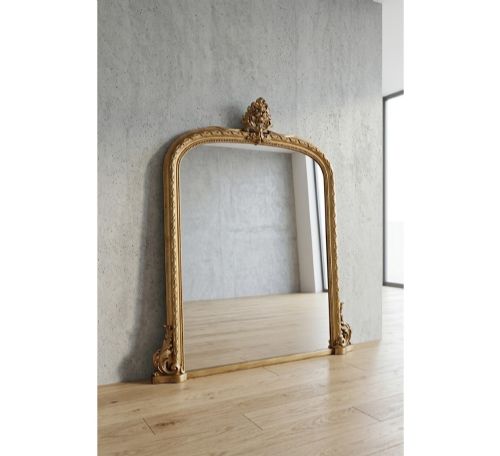
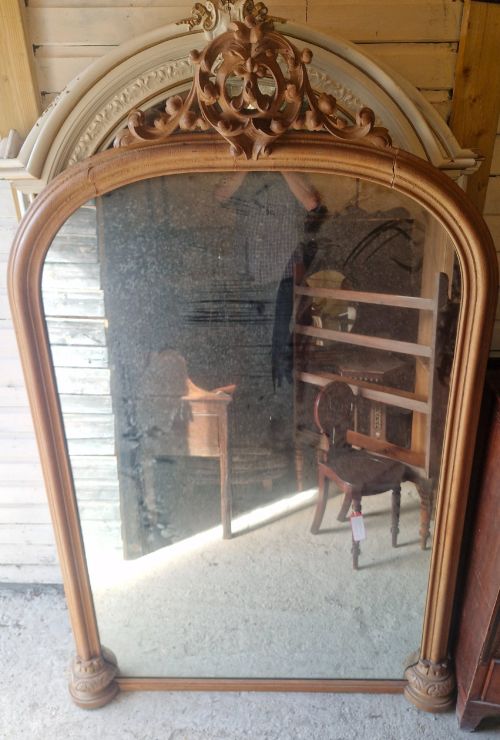
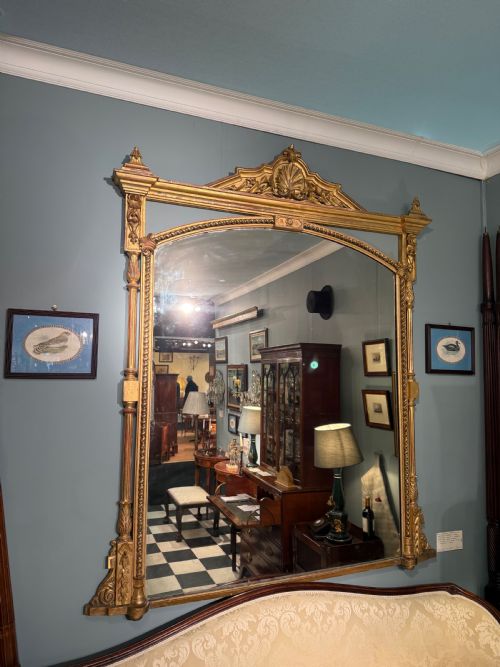
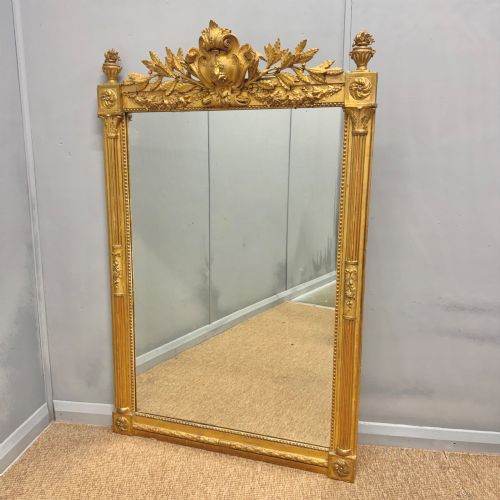
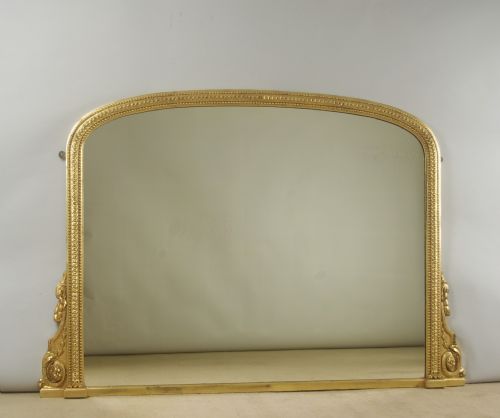
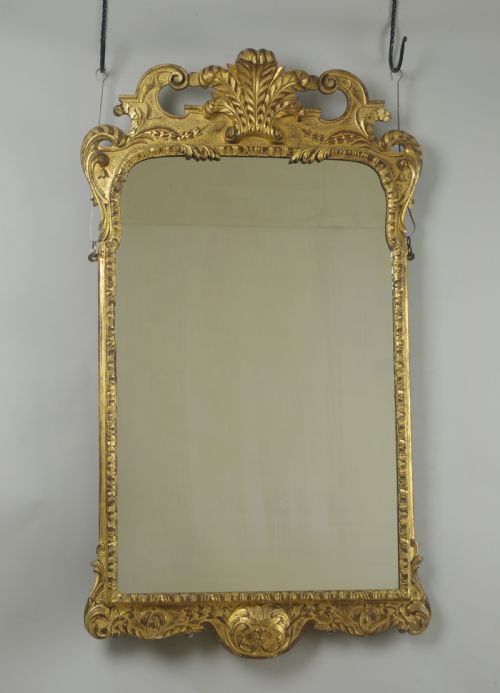
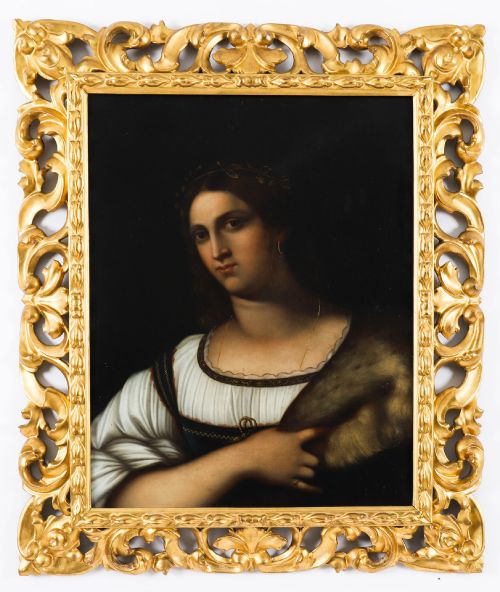
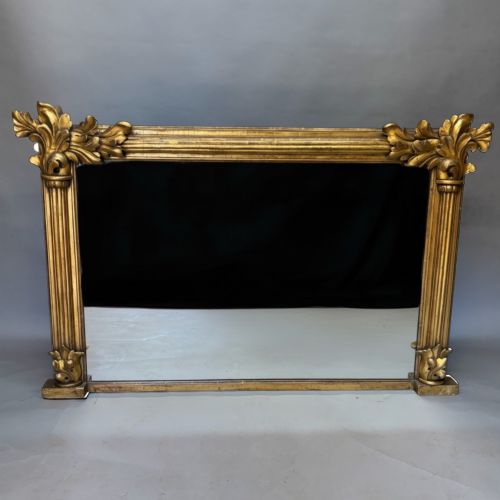
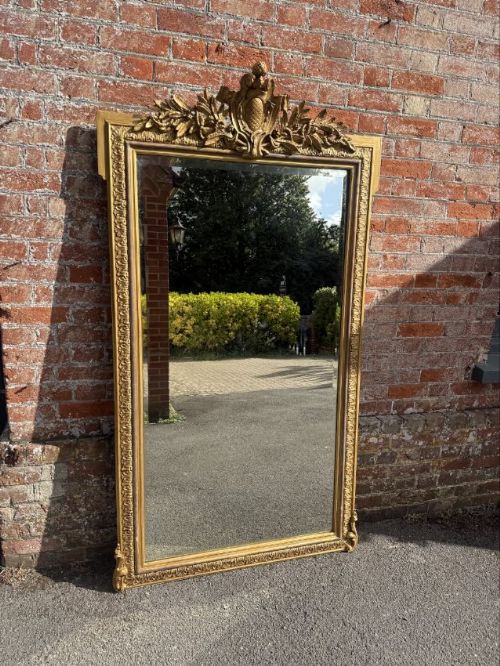
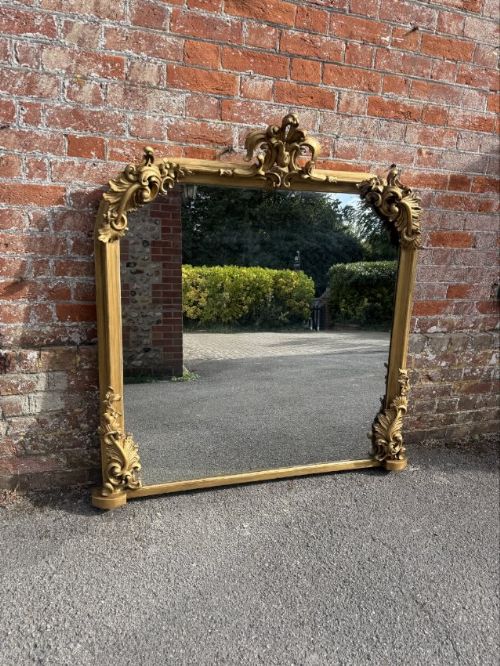
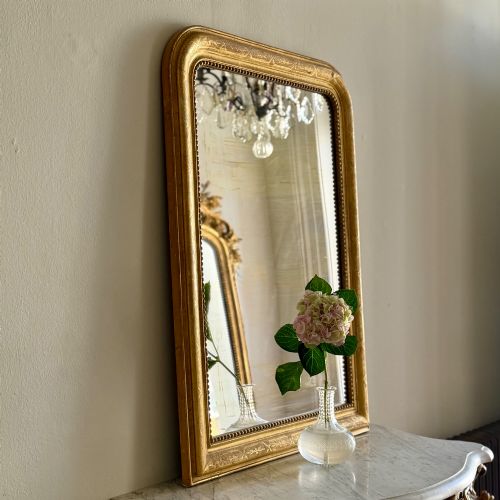
A carved wall frame exists primarily to enclose and elevate mirrors, paintings, portraits, and decorative screens upon domestic interiors. When searching for a carved wall frame, buyers commonly encounter substantial giltwood overmantels, tall dressing glasses, and regional oak or mahogany wall mirrors dating from the eighteenth and nineteenth centuries.
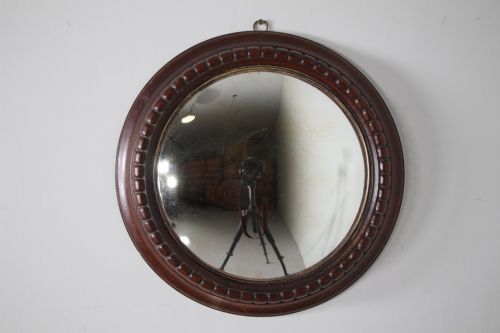
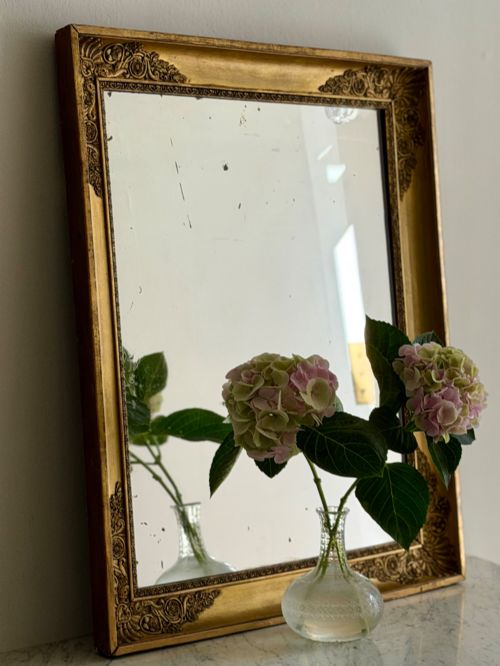
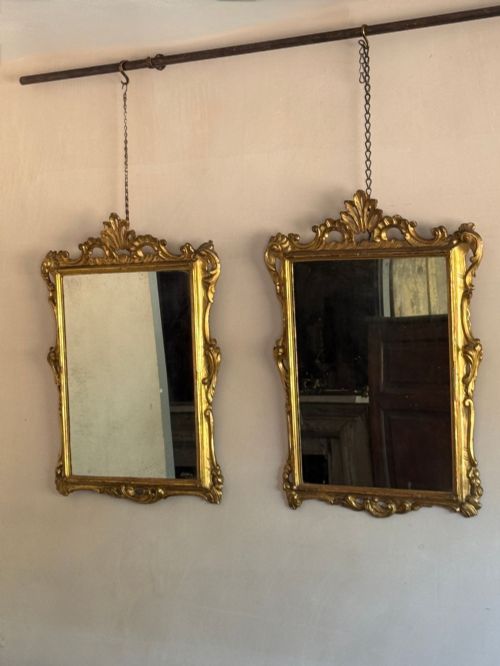
The selections span distinct stylistic revivals, including Georgian fretwork, Victorian rococo and Gothic revivals, Edwardian gilding, and French Napoleon or Florentine designs. These pieces range from restrained country house mahogany ovals to large, ornate architectural statements featuring acanthus leaves, ribbon crests, and mythological motifs.
Materials and Construction
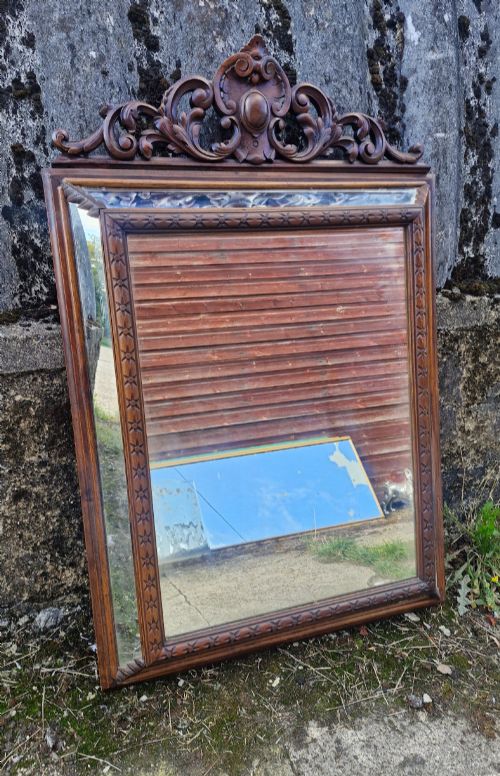
Makers shaped structural carcasses from solid native timbers such as oak, beech, walnut, and mahogany, frequently applying plaster gesso layers to build up intricate surface ornamentation before applying gold leaf or paint. Carved details were rendered directly into the timber or moulded in composition material over wooden sub-frames.
Mirrors incorporated heavy antique glass plates, sometimes bevelled at the edges, secured behind rebated frames with wooden backboards. Decorative elements relied on traditional joinery, pegged tenons, and hand-tooled carving techniques characteristic of British, French, and Italian workshops.
Several frames proudly retain cheeky carved cherubs, mythological beasts, and whimsical Ho Ho birds peering down from their wooden crests.
Assessing Craftsmanship and Material Depth
Quality in a carved wall frame rests upon the crispness of the hand-carved detail and the depth of the gesso and gilding layers. Superior examples display sharp undercutting in the woodwork and genuine gold leaf that patinates richly over centuries, whereas lesser pieces rely on heavy composition mouldings that can crack or obscure the underlying grain.
The integrity of the original mirror plate or enclosed canvas, the weight and thickness of the timber frame, and the survival of secondary elements such as original crests or girandole arms distinguish standard utilitarian items from exceptional decorative statements.
Sir Godfrey Kneller
The Carved Wall Frame Glossary
- Giltwood
- Timber covered with a thin layer of gold leaf over a prepared gesso base. This finish provides a warm, reflective surface common on grand domestic mirrors.
- Gesso
- A plaster mixture applied to wood frames to create a smooth surface for gilding or deep relief carving. It allows for crisp decorative mouldings.
- Overmantel
- A large mirror or painting designed specifically to hang on the wall above a fireplace mantelpiece. These pieces often feature arched tops or horizontal proportions.
- Fretwork
- Openwork woodwork created by cutting patterns through thin boards, frequently seen on Georgian mahogany frames. This technique achieves a delicate, geometric appearance.
- Girandole
- A wall-mounted bracket featuring attached candle sconces or arms placed in front of a mirror glass. The reflective glass multiplies the candlelight within the room.
Carved Wall Frame: Frequently Asked Questions
How do I hang a heavy carved wall frame safely?
Heavy carved wall frames require robust fixings attached directly into wall studs or masonry using appropriate weight-rated mirror plates and screws. Because many antique frames combine dense hardwoods with thick gesso and glass, professional installation ensures the weight distributes evenly without straining the original wood joints.
Position the frame at eye level where it can safely anchor to the structural architecture of the room, avoiding areas prone to excessive dampness or direct thermal fluctuations from heat sources.
How do I clean antique giltwood and carved wood safely?
Dust antique carved frames gently using a soft, dry artist brush or ostrich feather duster to remove surface debris without disturbing fragile gesso or gold leaf. Avoid liquid cleaners, abrasive cloths, or chemical solvents, which easily strip historic gilding and soften old timber finishes.
For stubborn grime on non-gilded wooden portions, a lightly dampened cloth with plain water followed immediately by a dry towel preserves the aged patina. Professional conservators should handle any structural repairs or flaking surface restoration.
How can I tell a Georgian frame from a Victorian reproduction?
Georgian frames typically utilise native timbers like mahogany or walnut with hand-cut joinery, pegged corners, and understated fretwork or parcel-gilt details. The carving work is executed directly into the wood with meticulous attention to proportion.
Victorian and later revival pieces often employ heavy composition mouldings over pine or oak carcasses, accompanied by brighter, thicker gilding layers and machine-sawn backing boards. Examining the back of the frame reveals the construction age and tool marks left by the maker.
What is a girandole mirror?
A girandole mirror is a decorative wall-mounted looking glass featuring one or more projecting candle arms, known as sconces, attached to the frame. The reflective glass surface served to amplify the flickering light from candles placed before it in darker evening interiors.
These pieces were prized as formal decorative accents in eighteenth and nineteenth-century reception rooms, combining functional illumination with ornate carved woodwork or gilt gesso decoration.