



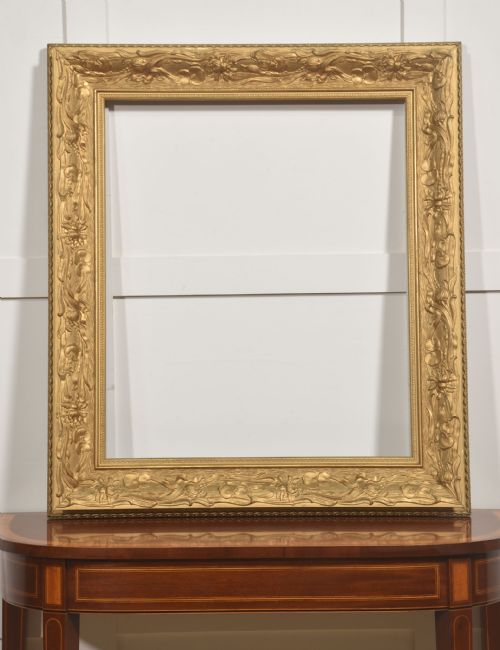


Floral Carved Gold Frame
When you want a floral carved gold frame, you are looking for craftsmanship that brings botanical detail into gilded woodwork and paintings.
Floral Carved Gold Frame
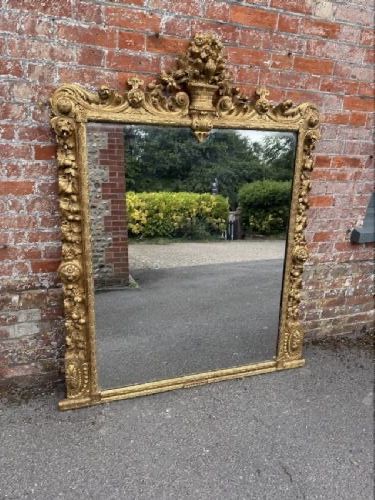
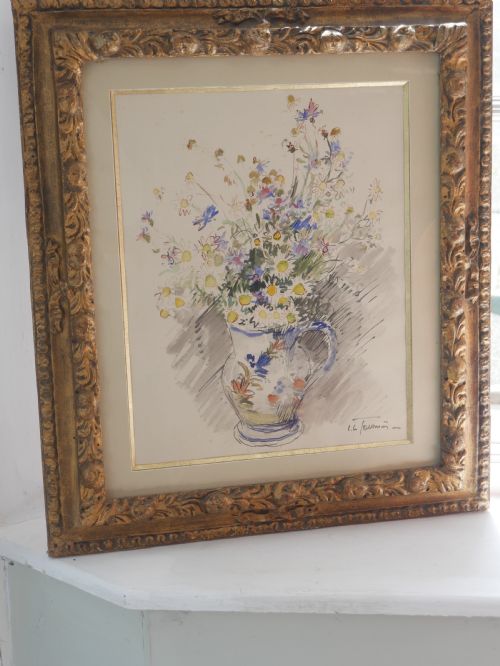
A floral carved gold frame brings organic motifs and metallic lustre together in mirrors and paintings. The items answering this search phrase range from wall mirrors and overmantels to oil paintings of flowers and salon suites.
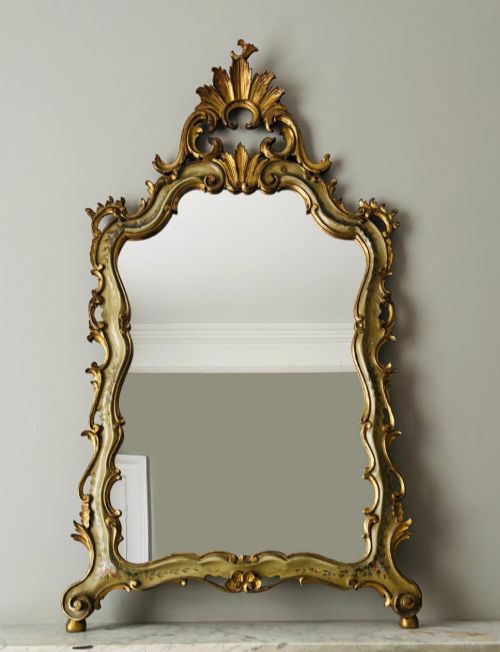
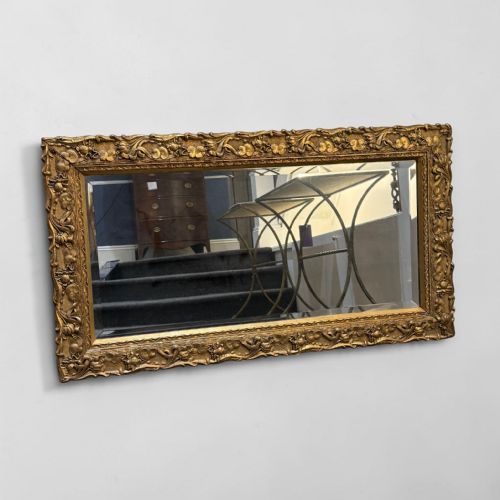
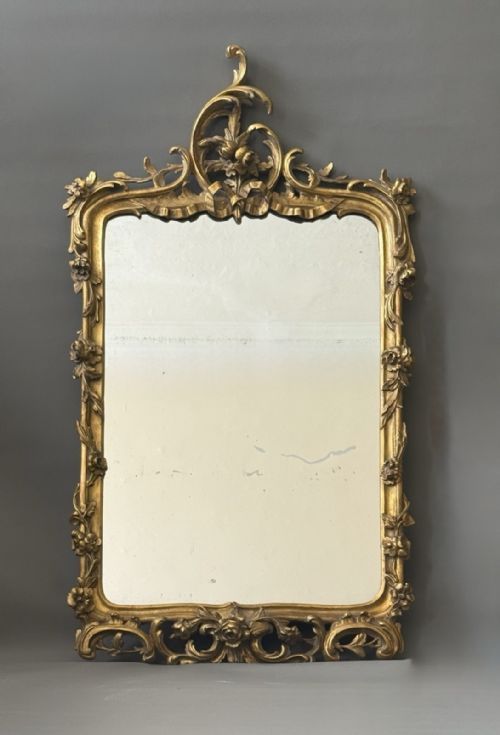
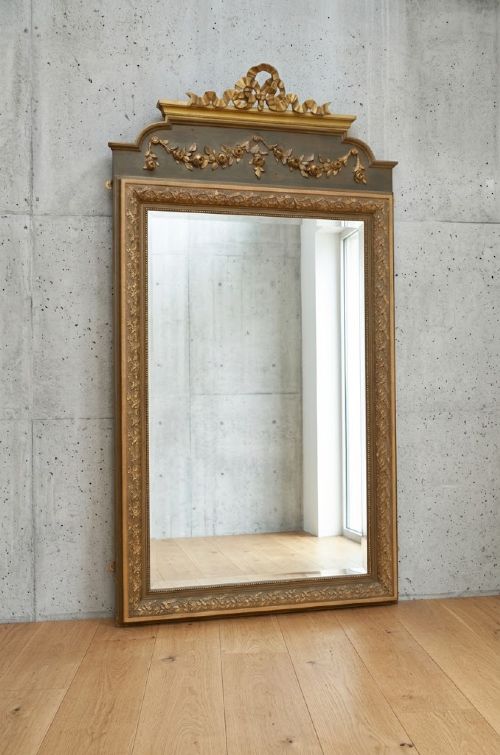
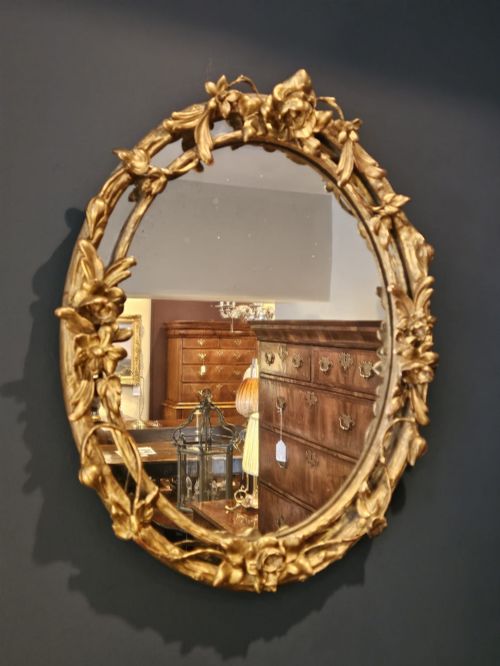
The version you are most likely to meet on this page is a Victorian or 19th-century giltwood wall mirror, often bearing carved flowers, ribbon crests, or rose vines. French Rococo and Italian examples also appear frequently, alongside Edwardian and mid-century floral oil paintings.
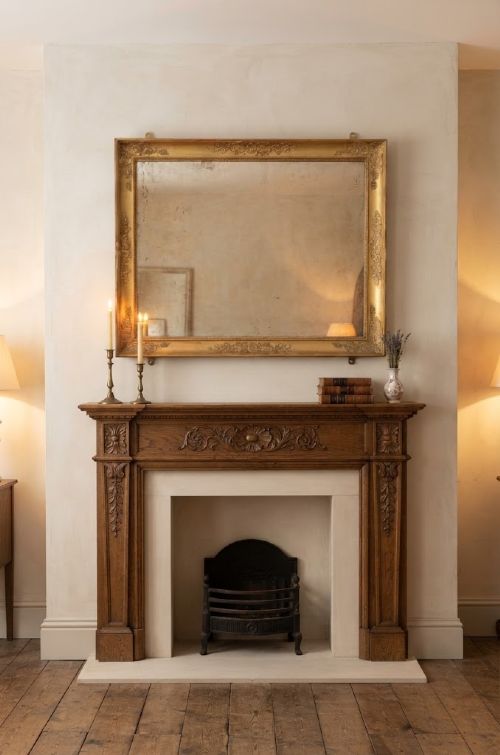
These pieces function primarily as wall mirrors and decorative artworks, utilising carved wooden structures finished with gold leaf or paint. Their forms span from large rectangular overmantels to oval wall mirrors and hand-painted pier glasses.
How They Were Made
Makers shaped these frames from timber, applying gesso to create smooth surfaces for detailed carving and gilding. Artisans carved floral motifs, rose vines, and mythological elements directly into the wood or built them up in gesso before applying gold leaf or paint.
Mirrors incorporated glass plates, sometimes antique or newly replaced, set within gilded wooden frames. Oil paintings used canvas or board as a base for pigments depicting floral subjects, housed within carved giltwood or painted wooden surrounds.
One Victorian mirror frame is dedicated entirely to carved rose vines, ensuring your reflection is forever surrounded by botanical thorns.
What Varies in Quality
The depth and crispness of the carving dictate much of the quality, separating finely undercut floral details from softer, moulded ornamentation. Hand-carved wooden elements show distinct chisel work and sharper botanical definitions than mass-produced gesso reliefs.
The application and preservation of the gold leaf or painted finish also define the standard of a piece. Original gilding that retains its warm patina and subtle tonal variation sits above heavily restored or uniformly repainted surfaces.
The Floral Carved Gold Frame Glossary
- Giltwood
- Wood that has been coated with gold leaf or gold paint. This technique creates a luminous surface finish characteristic of antique mirrors and picture frames.
- Gesso
- A plaster-like mixture applied to wood surfaces as a base for gilding and fine carving. It allows artisans to shape intricate relief ornamentation such as flowers and scrolls.
- Overmantel Mirror
- A large mirror designed to hang specifically above a fireplace mantel. These pieces often feature extended horizontal proportions and elaborate crests.
- Pier Glass
- A tall, narrow mirror designed to hang on the wall between windows. They frequently incorporate decorative crests and hand-painted elements.
- Rococo
- An ornate design style popular in the 18th century, marked by asymmetrical scrolls, shell motifs, and naturalistic curves. French and Italian iterations heavily influenced later Victorian revivals.
Floral Carved Gold Frame: Frequently Asked Questions
How do I date a giltwood mirror?
Dating relies on examining the construction of the wooden frame, the composition of the gesso, and the characteristics of the mirror plate itself. Secondary woods and fastener types provide additional clues to the period of manufacture.
Stylistic indicators such as French Rococo asymmetry or Victorian rose vine motifs also help narrow down the decade of origin when combined with physical inspection.
Are the mirror plates original?
Many antique mirrors retain their original glass plates, which often display subtle imperfections, foxing, or slight distortion. These natural signs of age confirm the historical integrity of the piece.
Some listings note new glass where older plates suffered irreparable damage, so checking the specific details of each item remains essential.
How do I hang a heavy overmantel mirror?
Heavy giltwood frames require secure wall fixings anchored directly into structural studs or masonry. Professional mirror hangers utilise heavy-duty brackets suited to the substantial weight of 19th-century timber and glass.
Ensuring the weight is evenly distributed protects the antique frame joints from undue stress over time.
What is the difference between giltwood and painted wood?
Giltwood involves the application of thin gold leaf or metallic powder over a prepared gesso and bole ground, producing a reflective golden sheen. Painted wood uses liquid pigments to achieve colour, such as the olive green or hand-painted floral details seen on specific regional pieces.
Some items combine both techniques, featuring gilded carved flowers against a painted wooden background.