

Carved Tripod Occasional Table
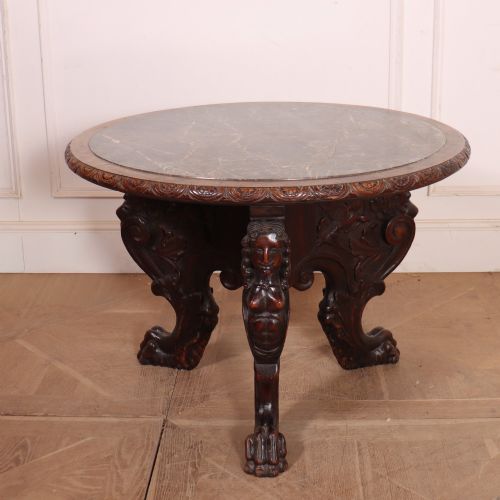
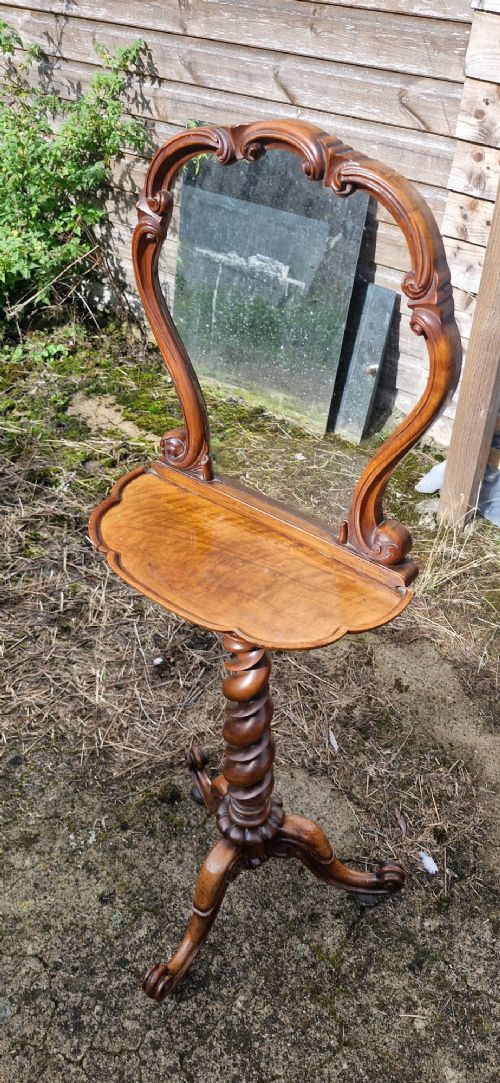
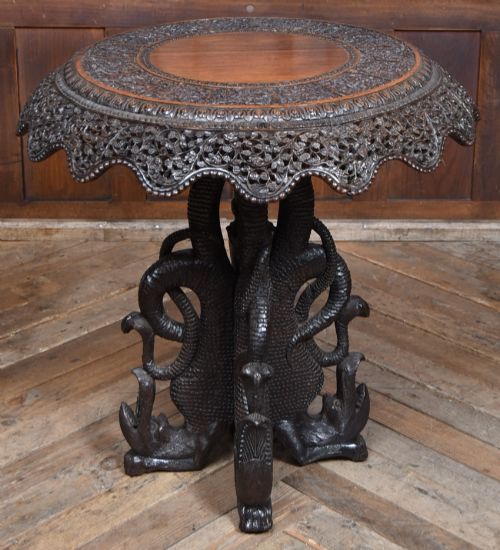
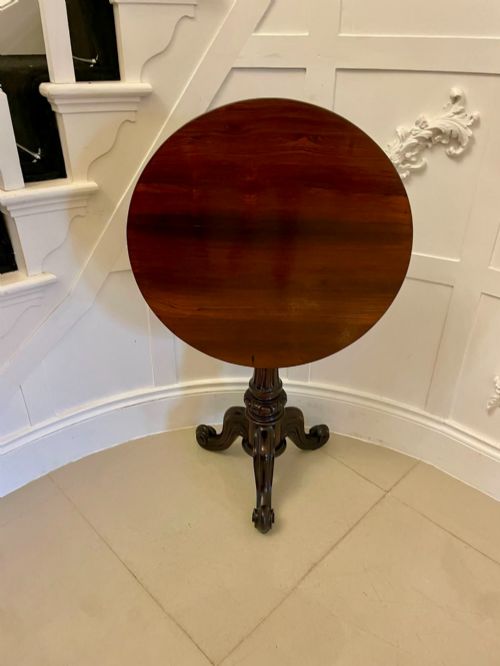
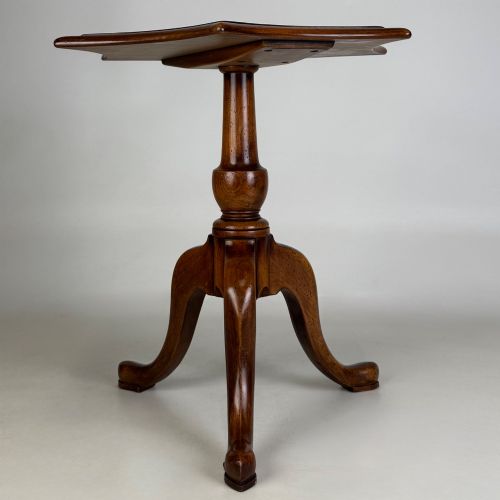
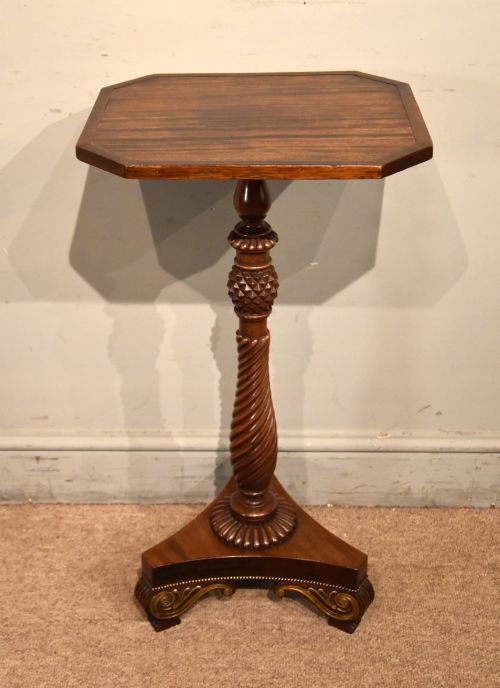
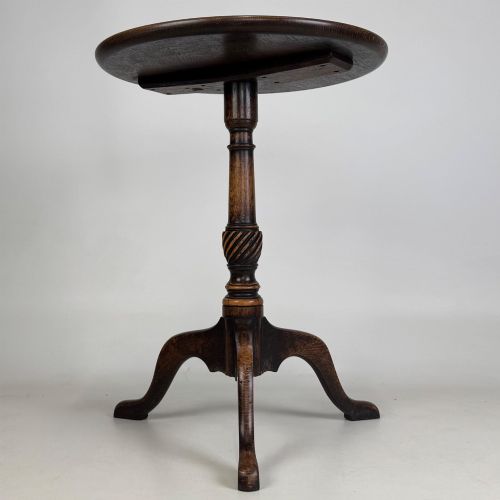
A carved tripod occasional table provides a sturdy yet nimble surface, bringing rich timber and detailed carving into a sitting room.
Carved Tripod Occasional Table
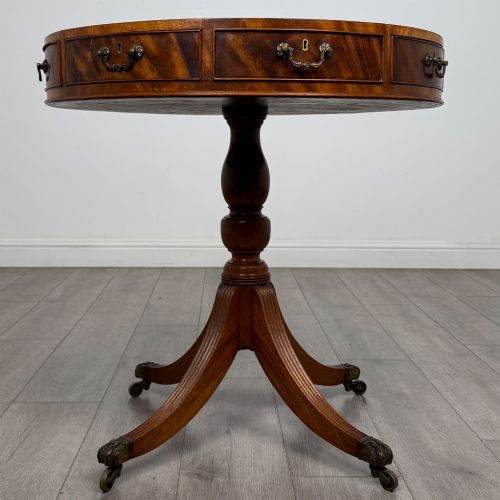
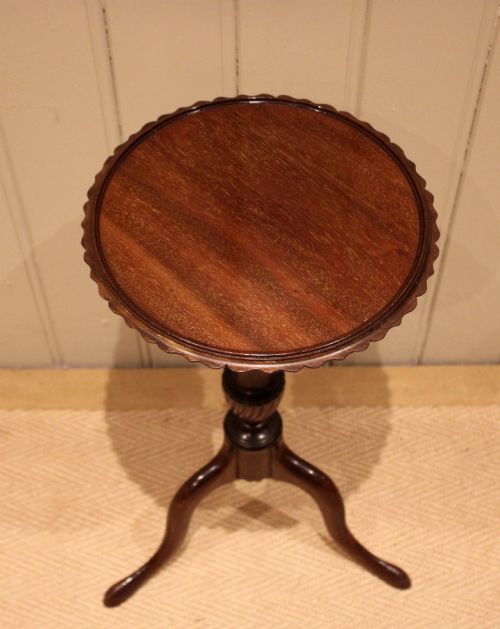
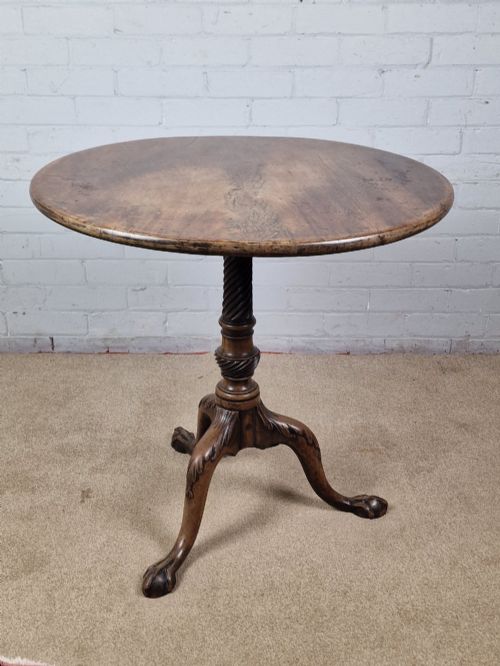
A carved tripod occasional table stands on three legs beneath a central pillar, offering a portable surface suited to domestic use. The form appears across the nineteenth and early twentieth centuries in varying timbers and regional interpretations.
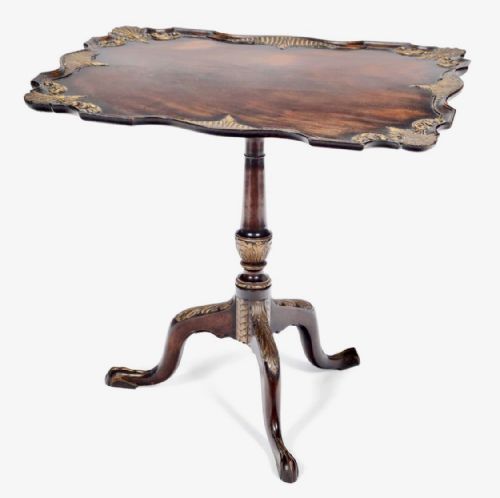
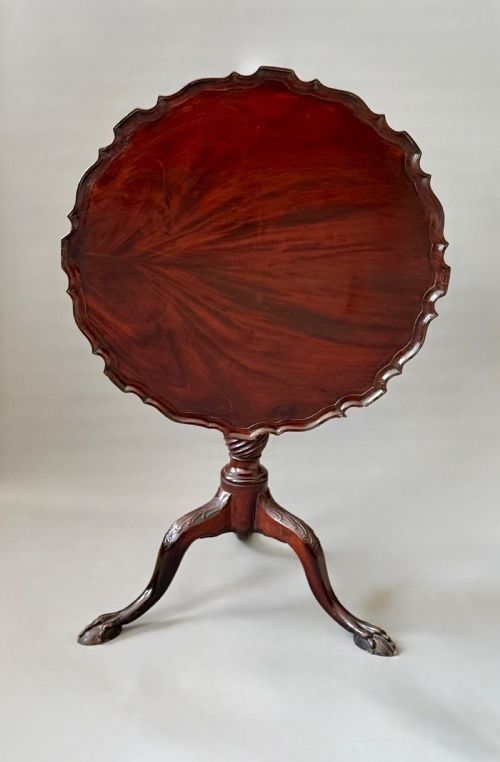
Victorian examples in mahogany or walnut dominate the selection, often featuring circular tops supported by carved pillars and cabriole legs. Alongside these, Georgian revival and Chippendale style pieces display formal carved detail such as ball and claw feet.
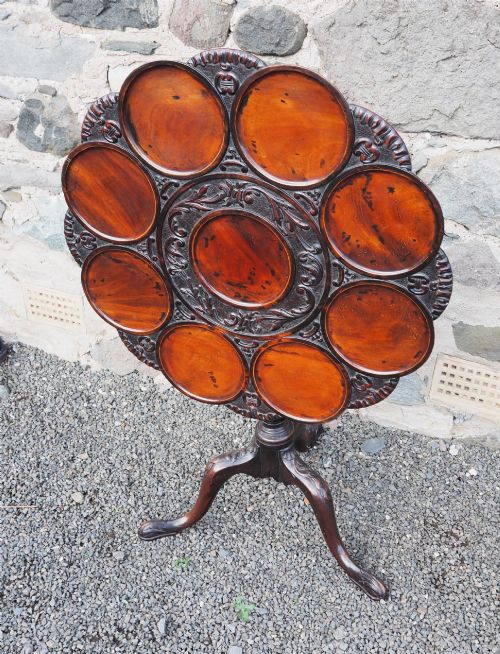
Occasional tables and side tables serve similar functions in the evidence, while tilt top mechanisms and birdcage supports allow the surface to pivot or fold away when not in use.
Materials and construction
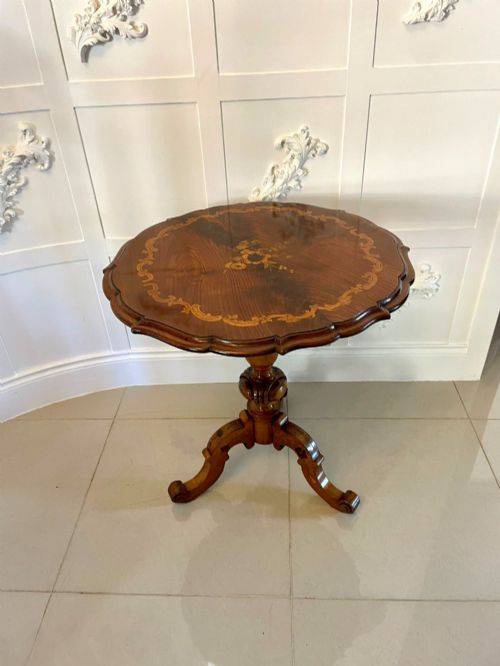
Makers utilised solid timbers including mahogany, walnut, oak, and teak, frequently pairing carved wooden frames with brass fittings. Specimen wood veneers and inlay appear on select tops, adding decorative contrast to the primary wood.
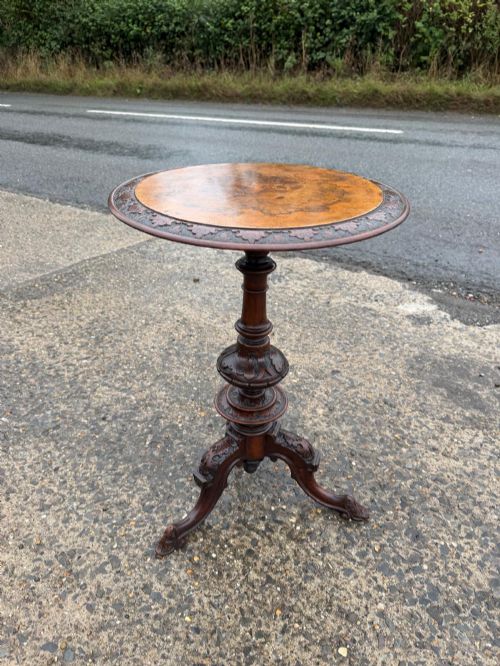
Specialist turning shaped the central pillars, while hand carving defined the legs, edges, and pillar capitals. Tilt top mechanisms incorporated hinged blocks and birdcage assemblies to join the top securely to the shaft.
Carved Tripod Occasional Table Retail Price Guide 2026
Typical asking prices for carved tripod occasional table among the pieces listed under this phrase on Sellingantiques today, from the lower quarter to the upper quarter. They describe what is for sale here now, not the wider market.
Some tables tilt up so sharply they double as impromptu room dividers when you need to reclaim your floor space.
Distinctions in quality
The standard of carving dictates the character of each piece, ranging from crisp, deep relief work to softer, simpler profiling on legs and pillar turns. Timber selection also divides the range, with dense mahogany and figured walnut sitting above plainer woods.
The precision of the mechanical joints, such as the tilt top hinge and birdcage rotation, separates practical working items from purely decorative examples. Well-fitted brass components and stable three-legged balance complete the better finished pieces.
The Carved Tripod Occasional Table Glossary
- Tripod
- A base consisting of three legs radiating from a central pillar. This construction keeps the table stable on uneven floors.
- Tilt top
- A table top hinged to the pillar so it can be turned vertical when not in use. This mechanism saves space in smaller rooms.
- Birdcage
- A revolving wooden framework beneath the table top that allows the surface to rotate as well as tilt. It is found on better quality tables.
- Cabriole leg
- A furniture leg that curves out and then in, resembling an animal leg. It frequently terminates in a carved foot.
- Specimen wood
- Various decorative timbers arranged in patterns on a table top. This technique showcases contrasting colours and grains.
Carved Tripod Occasional Table: Frequently Asked Questions
How do I use a tilt top table?
Release the catch beneath the top to pivot the surface into a vertical position for storage against a wall. Lower it flat when you need a surface for drinks or books.
Ensure the catch engages securely before placing items on the table to prevent accidental tipping.
What is a birdcage mechanism?
A birdcage is a small wooden cage structure between the table top and the central pillar that lets the top rotate independently. It adds height and complexity to the column.
This feature is typical of better quality occasional and supper tables from the eighteenth and nineteenth centuries.
Where should I place an occasional table?
These tables suit corners, beside armchairs, or alongside sofas where a compact surface is useful. The three-legged base fits into tighter spaces than a four-legged table.
Keep them away from direct heat sources to protect the polished timber and veneer surfaces.
How do I date a Victorian table?
Examine the timber, the style of the turning on the pillar, and the hand-carved details on the legs. Victorian pieces often use heavy mahogany or walnut with robust, machine-assisted or hand-finished carving.
Compare the construction methods with documented examples from the mid to late nineteenth century for closer dating.