
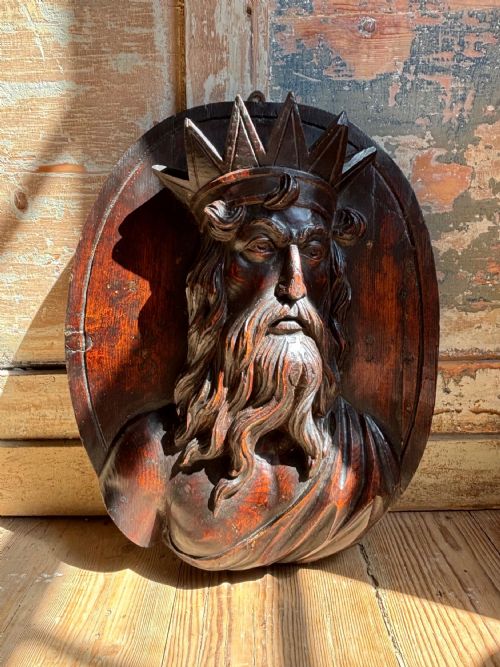
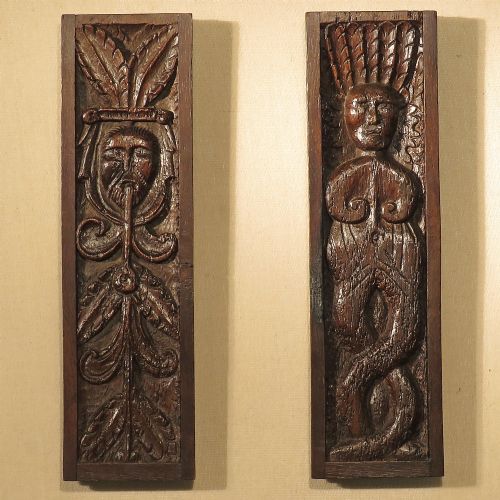
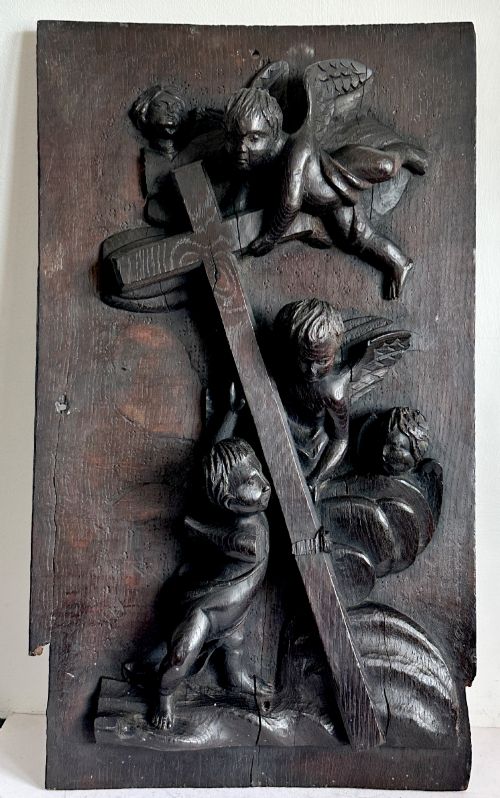
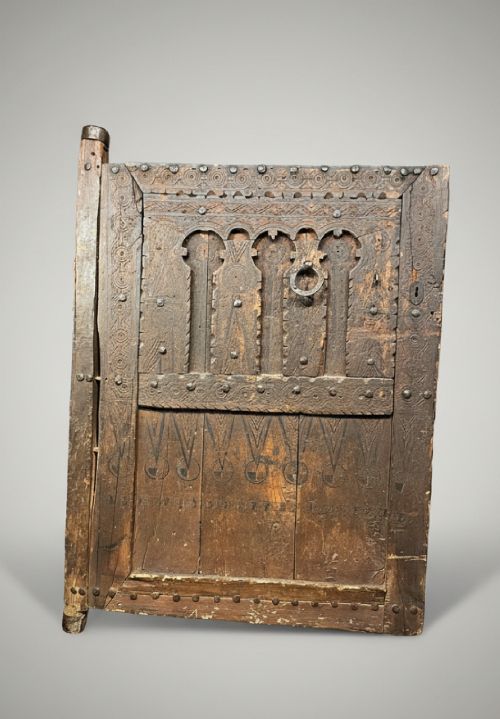
Carved Timber Wall Panel
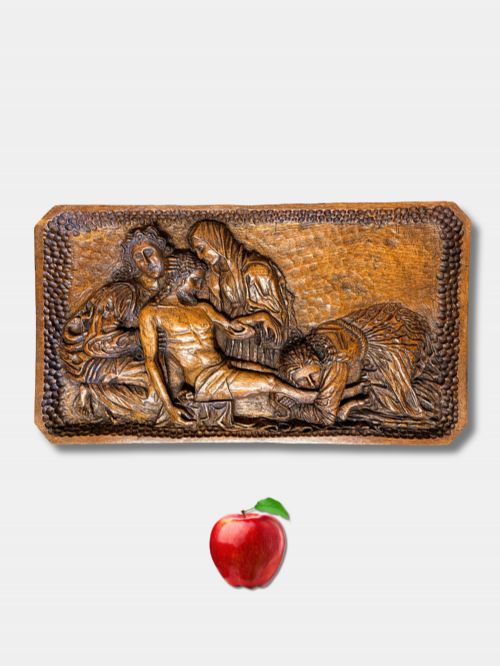
A carved timber wall panel brings the rich texture of historic interior architecture directly into a modern room.
Carved Timber Wall Panel
A carved timber wall panel comprises architectural salvage, plaques, reliefs, and fragments sourced from historic buildings, furniture, and furnishings. These objects originate from periods spanning the sixteenth century through to the nineteenth century, encompassing English, continental European, and international traditions.
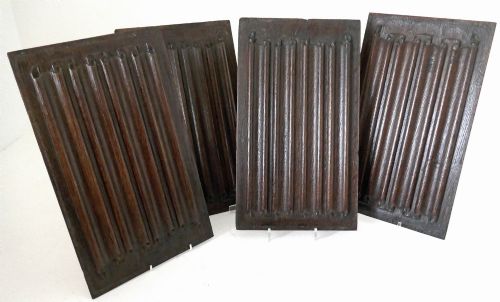
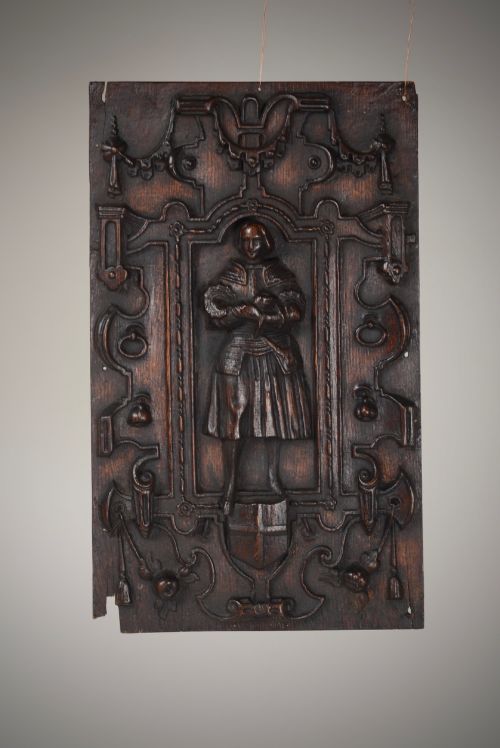
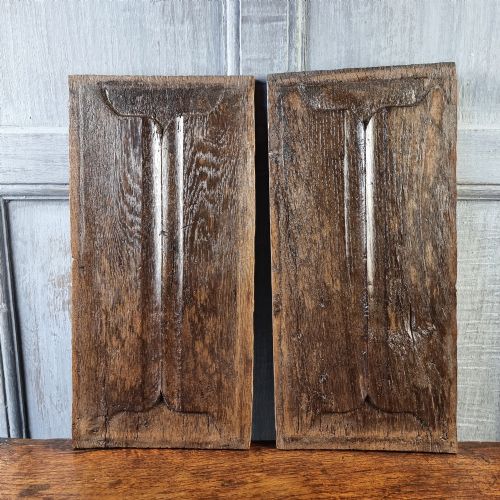
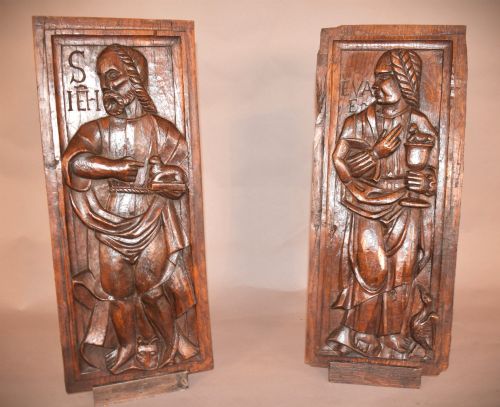
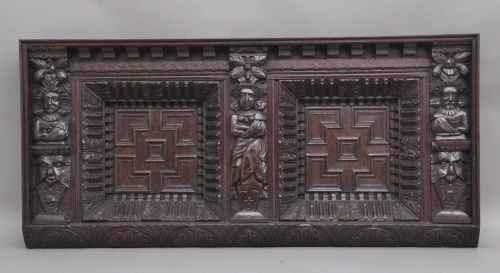
The version most commonly met on this page is the seventeenth or eighteenth-century oak panel, frequently displaying linenfold patterns, figural scenes, or classical motifs. Such pieces often transition from structural elements, such as overdoors, overmantles, and coffer fronts, into standalone decorative wall art.
How they were made
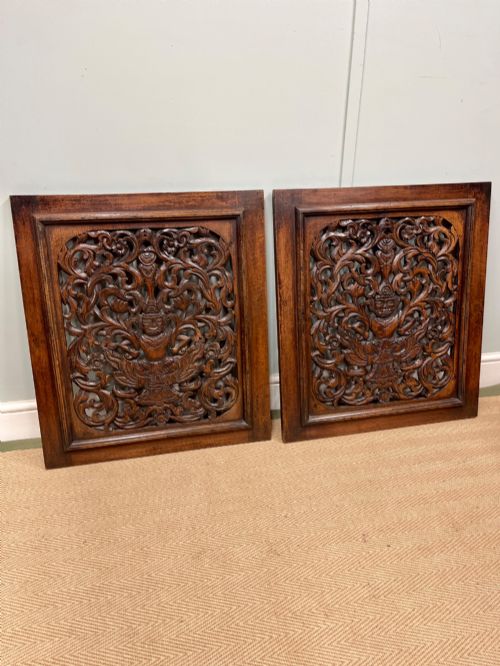
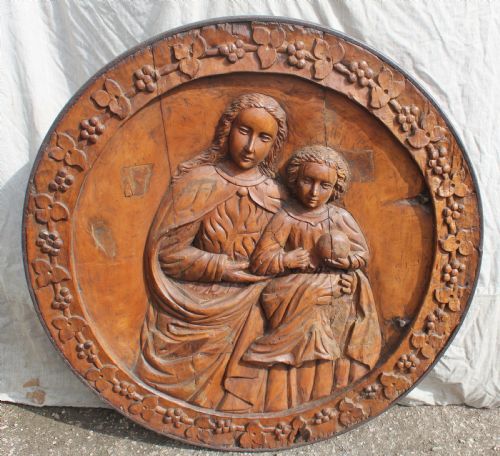
Makers utilised dense timbers, predominantly oak, walnut, fruitwood, chestnut, and limewood, shaping the material with hand chisels and gouges to achieve high relief or pierced carving. Master carvers worked directly into the grain, sometimes combining iron fixings or applying gesso and gold leaf to highlight specific architectural details.
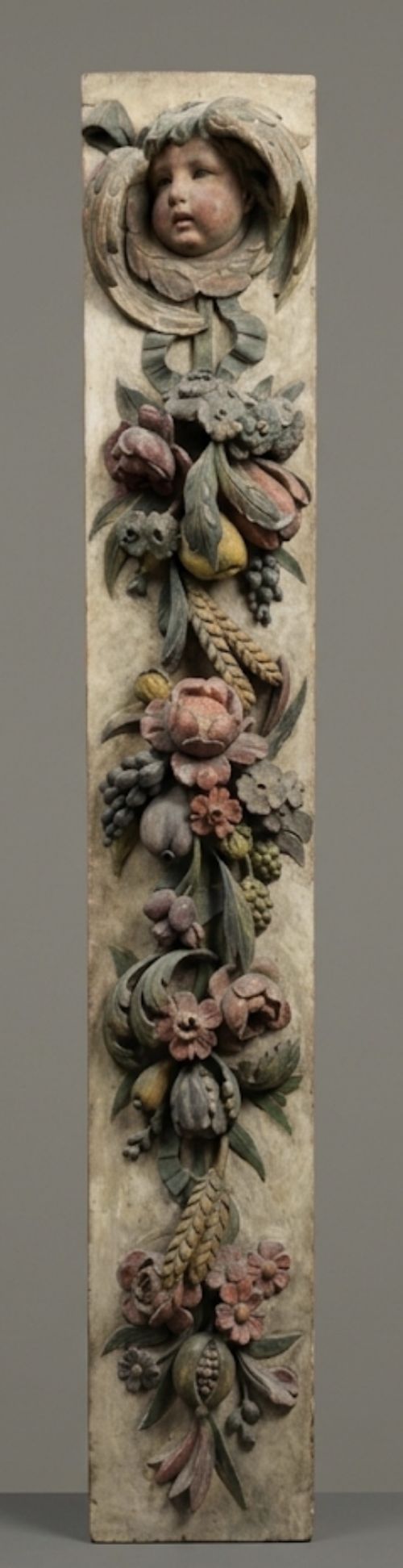
Surface treatments range from natural waxed finishes to polychrome paint, parcel gilt highlights, and painted overdoor schemes. The intersection of cabinetmaking and sculpture dictated the construction, joining solid boards or applying carved plaques onto secondary backings.
Carved Timber Wall Panel Retail Price Guide 2026
Typical asking prices for carved timber wall panel among the pieces listed under this phrase on Sellingantiques today, from the lower quarter to the upper quarter. They describe what is for sale here now, not the wider market.
The listings feature seventeenth-century oak panels alongside sixteenth-century linenfold examples and nineteenth-century continental architectural fragments.
What varies in quality
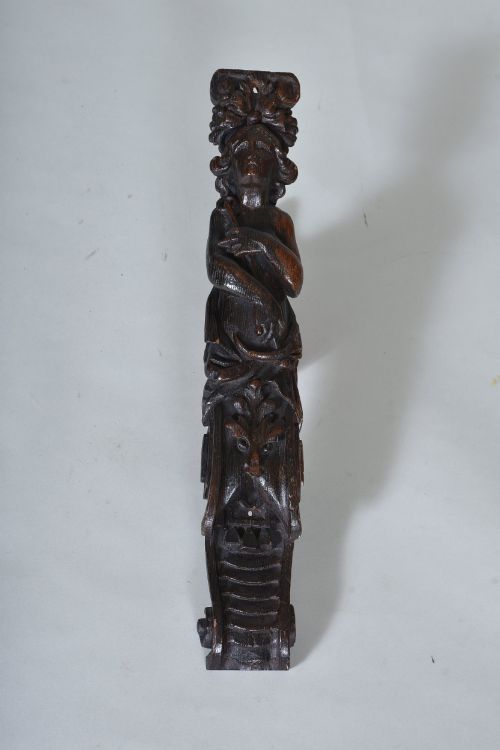
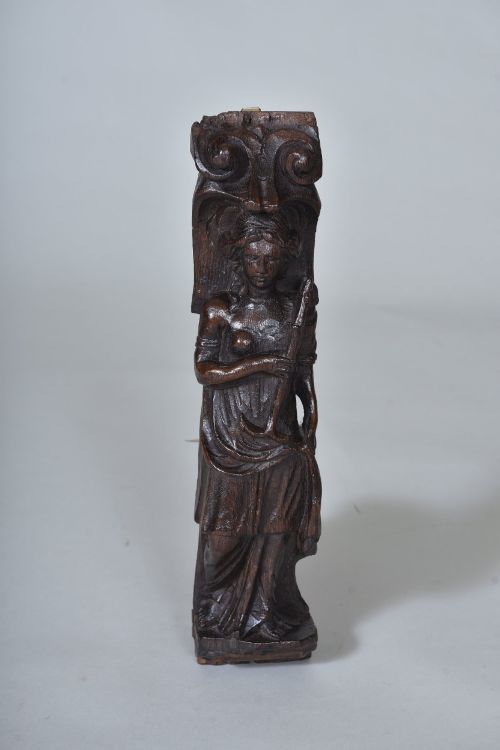
The depth and vigour of the chisel work distinguish exceptional carvings from standard decorative output, particularly where facial expressions, anatomical proportions, and acanthus scrollwork demonstrate superior hand execution. Pieces attributed to specific historic carvers or workshops exhibit greater sculptural ambition and compositional complexity.
Integrity of the timber and the survival of original surface treatments, whether polychrome pigment, gilding, or early polish, determine the historical weight of the object. Later alterations, adaptations, and composite assembly from disparate fragments influence how closely a panel represents its stated period.
Edward Pearce·Thomas Chippendale·Grinling Gibbons
The Carved Timber Wall Panel Glossary
- Linenfold
- A style of relief carving imitating folded linen, commonly found on sixteenth-century panels. This motif creates a textile appearance across solid timber surfaces.
- Overmantle
- A decorative panel or mirror frame positioned above a fireplace. These large architectural elements often incorporate figural reliefs or armorial carvings.
- Polychrome
- Decoration executed in multiple colours, frequently applied to wood or gesso surfaces. This technique adds vibrant visual detail to historical religious and secular panels.
- Gesso
- A plaster-like mixture applied to wood as a base for painting or gilding. It provides a smooth surface for capturing fine detail.
- Acanthus
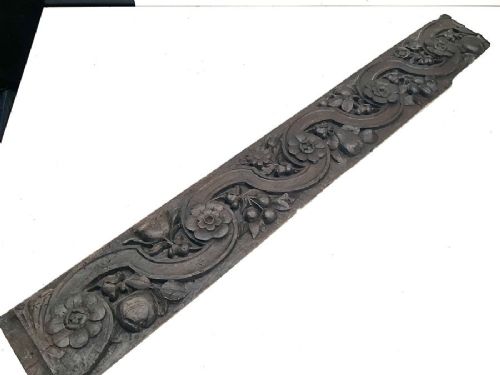
- A classical leaf ornament used extensively in architectural carving and friezes. The stylized foliage appears frequently on Baroque and Renaissance panels.
Carved Timber Wall Panel: Frequently Asked Questions
How were carved timber wall panels originally used?
These panels functioned primarily as integrated architectural elements within grand interiors, lining walls or forming parts of staircases, coffer fronts, and overdoors. They provided both insulation and visual splendour to domestic and ecclesiastical spaces.
Over subsequent centuries, many panels were removed from their original settings, preserved as plaques, or mounted as standalone artworks for display.
How do I hang a heavy wooden panel safely?
Mounting timber panels requires assessing the weight and securing fixings directly into structural wall studs or masonry rather than relying solely on plasterboard. French cleats or heavy-duty brackets distribute the load evenly across the frame.
Professional consultation ensures the chosen hardware matches the specific density and age of the wood without causing structural stress.
How can I tell a sixteenth-century panel from a later copy?
Early sixteenth-century panels typically display tool marks consistent with hand adzes and primitive chisels, alongside the characteristic shrinkage and grain distortion associated with ancient oak. Joinery techniques, such as pegged mortise and tenon joints, offer clues to the period of construction.
Later copies or adaptations often incorporate machine-cut elements or mismatched timber patination that betrays a composite history.
How should I care for an antique wood panel at home?
Maintaining stable indoor humidity prevents the historic timber from drying out, cracking, or warping over time. Keeping panels away from direct heat sources and strong sunlight preserves the original finish and patina.
Light dusting with a dry, soft cloth is sufficient for routine maintenance, avoiding harsh cleaning agents or excessive moisture.