




Carved Timber Saints
These carved timber saints are centuries-old ecclesiastical sculptures shaped by hand from oak, limewood, and fruitwood to bring devotion into domestic and sacred spaces.
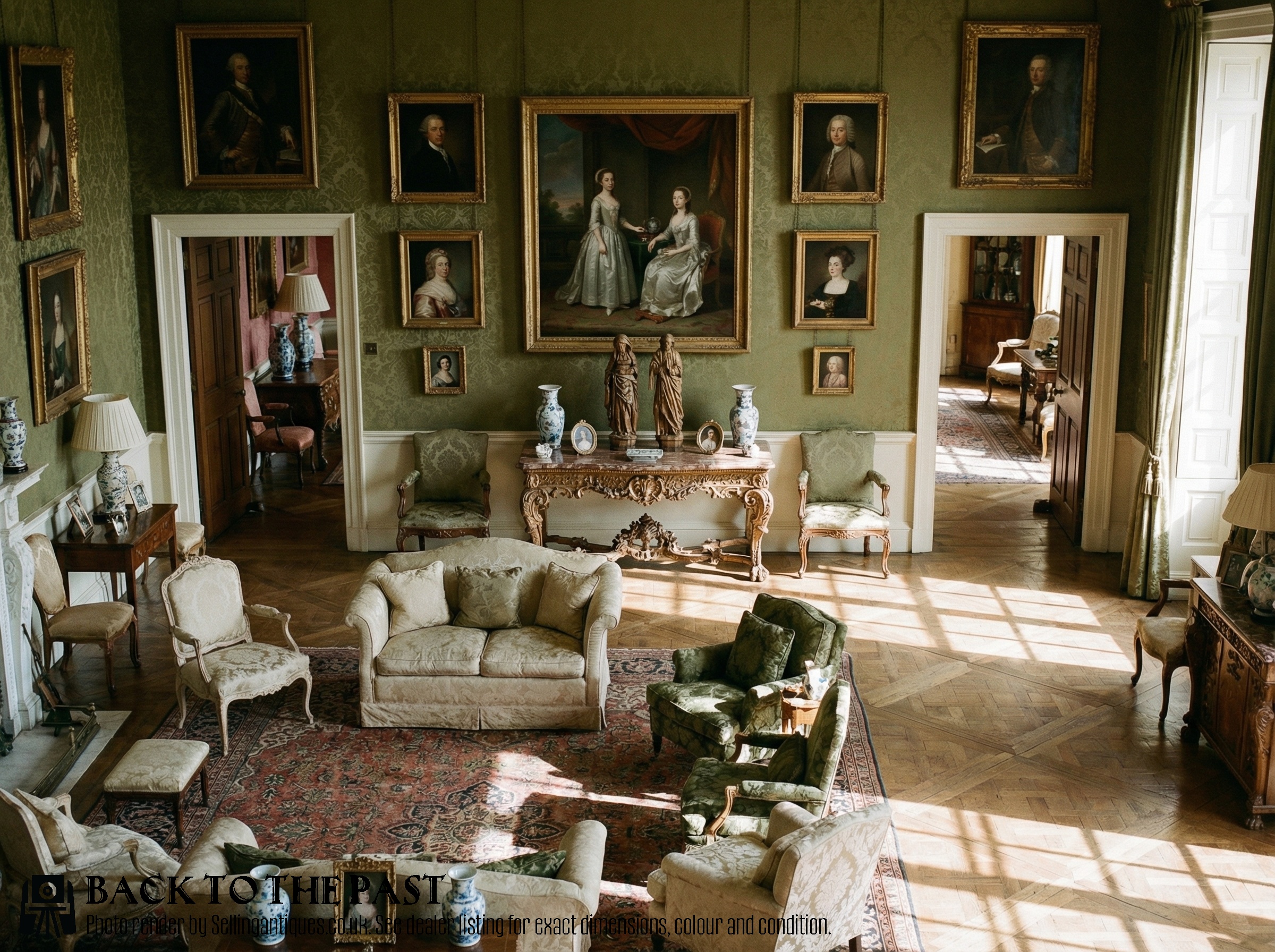
Carved Timber Saints
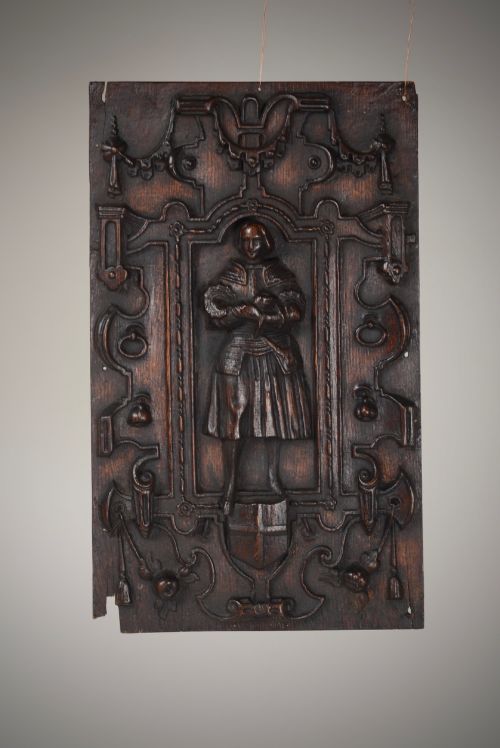
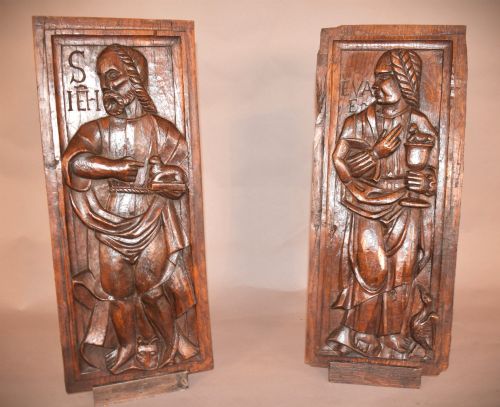
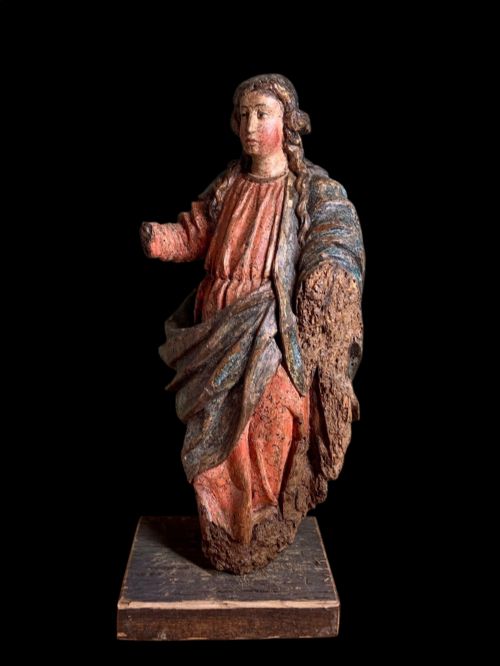
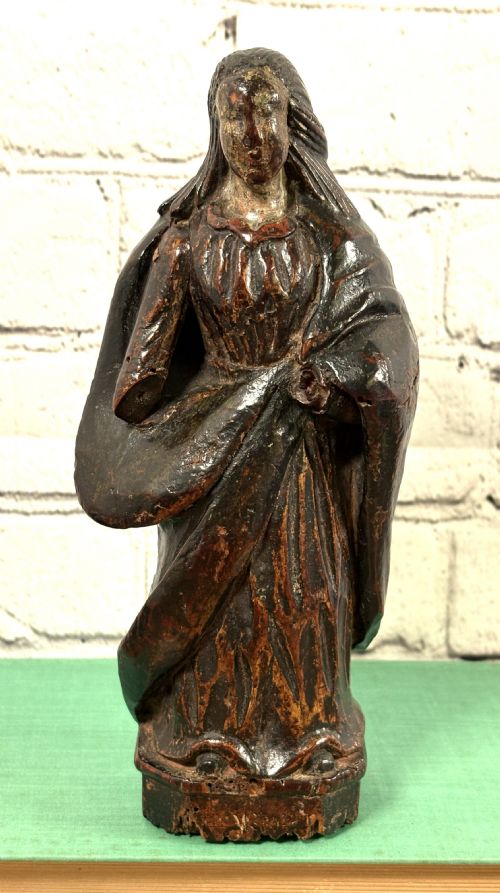
When you search for carved timber saints, you encounter figures fashioned from solid woods that once stood in churches, chapels, and private shrines across Europe. These sculptures depict figures such as the Virgin Mary, Saint John, and various bishops and martyrs, often captured in moments of quiet contemplation or dramatic narrative.
The versions you are most likely to meet on this page span from pre-sixteenth-century late medieval works to seventeenth-century Baroque interpretations and nineteenth-century Gothic Revival pieces. Alongside full figures, the selection includes relief panels, architectural fragments, and individual busts carved with considerable regional variation.
Originating from workshops in regions such as Germany, Italy, Flanders, and France, these objects carry the distinct stylistic markers of their local traditions. Some pieces display the austere drapery of the late medieval period, while others exhibit the dynamic movement and rich ornamentation associated with the Baroque and Renaissance styles.
Materials and carving techniques
Carvers predominantly selected dense, stable hardwoods including oak, limewood, applewood, and walnut, which allowed for crisp detailing and long-term durability. Artisans worked with gouges and chisels to release three-dimensional forms from single blocks or to assemble relief panels with mortise and tenon joints.
Many surfaces received a preparation layer of gesso before being painted with polychrome pigments or gilded with gold leaf to enhance the visual splendor of the vestments. Over centuries, these surface finishes have aged, often revealing the underlying wood grain and the microscopic craquelure of ancient paint layers.
The listings show carved timber saints originating across multiple European traditions, including Alpine folk art and German Gothic workshops.
Evaluating craftsmanship and survival
Quality rests primarily on the anatomical articulation of the hands and face, where a master carver achieved expressive depth rather than rigid symmetry. The crispness of the drapery folds and the integration of the figure within its original architectural or compositional context further separate exceptional work from standard production.
The survival of original polychrome paint and gold leaf significantly influences the character of a piece, as does the degree of historic intervention or loss. Sculptures that retain their primary surfaces without extensive modern repainting offer a more authentic connection to their period of origin.
Franz Keller
The Carved Timber Saints Glossary
- Polychrome
- Decorated in multiple colours. This term describes sculpture and panels painted with pigments that often include earth colours, lead white, and vermilion over a gesso ground.
- Gesso
- A plaster-like mixture used as a surface preparation. Artisans applied gesso to timber substrates to provide a smooth, absorbent base for gilding and painting.
- Gilt
- Covered with a thin layer of gold leaf. This technique imparted a luminous quality to the halos, robes, and backgrounds of sacred figures.
- Relief
- Sculpture carved from a flat background. These carved timber panels project partially from their wooden base to depict narrative scenes rather than standing in the round.
- Ecclesiastical
- Relating to the Christian Church. This designation identifies objects originally commissioned for liturgical use in cathedrals, monasteries, and parish churches.
Carved Timber Saints: Frequently Asked Questions
Where were carved timber saints originally placed?
These figures typically occupied prominent positions within religious buildings, standing in church niches, surrendering as altarpiece components, or mounted on choir stalls. They served as focal points for prayer and contemplation within sacred ecclesiastical architecture.
Over subsequent centuries, many of these sculptures transitioned from public altars into private collections and domestic settings, where collectors integrated them as works of art.
How do I identify the wood used?
Examining the grain pattern, weight, and colour under good lighting helps determine the timber. Oak displays prominent medullary rays, whereas limewood offers a tight, pale, and remarkably even grain suited to intricate undercutting.
Fruitwood and walnut present warmer tones and dense structures. Close inspection often reveals tool marks left by the carver's gouges beneath the aged surface.
Why do some figures lack paint?
Many timber sculptures were intentionally finished as bare wood, particularly during specific stylistic revivals or regional preferences for natural oak and walnut. In other instances, centuries of cleaning, wear, or deliberate stripping removed the original polychrome layers.
Traces of pigment often survive in deep crevices and folds of drapery, providing evidence of an earlier painted scheme.
How should I care for an antique wood sculpture?
Maintain a stable indoor environment away from direct heat sources and dramatic humidity fluctuations, which can cause timber to split and gesso to flake. Dust the surface gently with a soft, dry brush without applying modern polishes or oils.
Allowing the wood and historic finishes to age naturally preserves the material integrity and historical character of the piece.