




Oak Religious Statues
Oak religious statues bring tangible devotion into domestic spaces, capturing centuries of sacred artistry in solid timber.
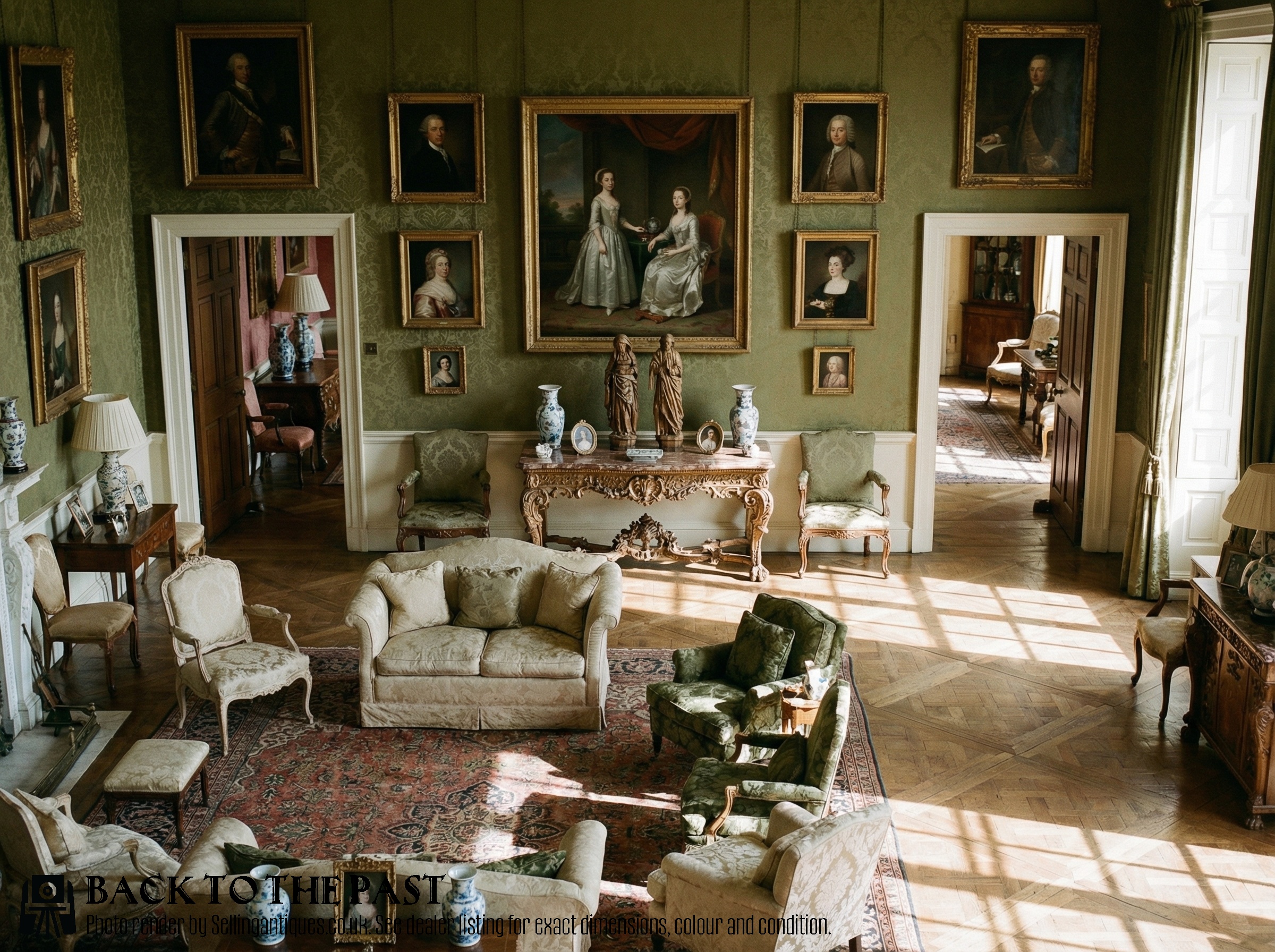
Oak Religious Statues
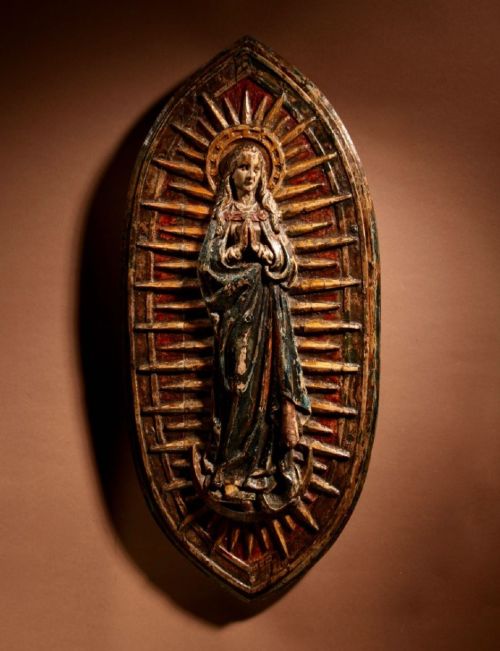
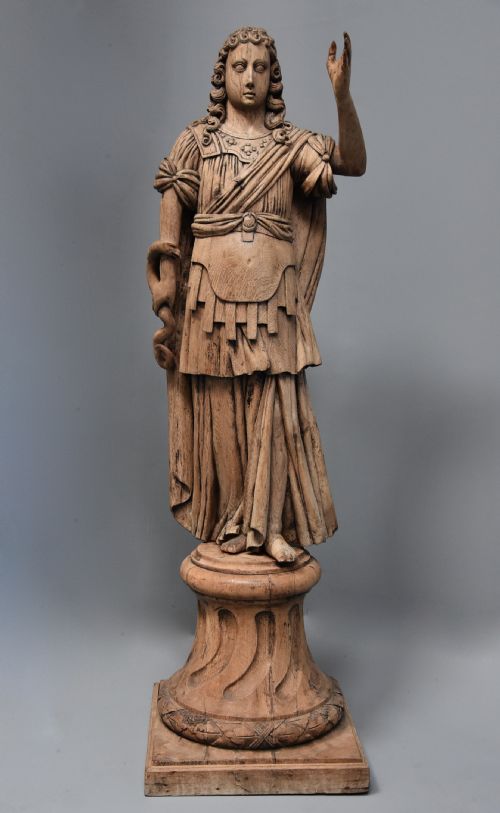
When searching for oak religious statues, buyers encounter carved representations of saints, madonnas, and biblical figures originating from continental workshops and British collections. These sculptures span from pre-sixteenth century Gothic pieces to later nineteenth-century revivals.
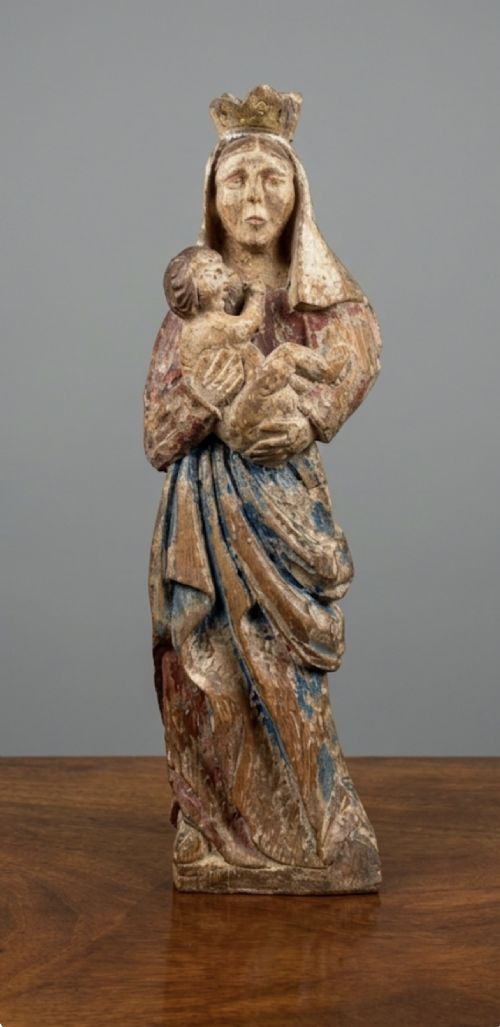
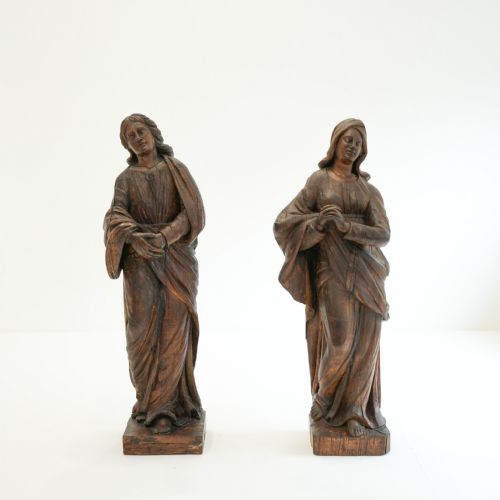
The selections on this page frequently present figures such as the Virgin Mary, St. Paul, and various saints, rendered both as standalone statues and as fragments from larger altarpieces. Many pieces bear regional characteristics from Germany, France, and the Low Countries.
Figures range from intimate devotional carvings to larger continental life-size representations. The grouping includes panels, pairs of saints, and specific iconographic subjects like the Pieta or Anna Selbdritt.
Materials and construction methods
Carvers shaped these statues primarily from solid oak and other regional woods, using chisels and gouges to build deep relief and three-dimensional form. Timber selection dictated the depth and durability of the undercut drapery and facial expressions.
Many surfaces received preparation layers of gesso before painters applied polychrome paint and gold leaf. Over centuries, these painted and gilded finishes have worn to reveal the underlying wood grain and gesso base.
Regional styles represented include Gothic, Renaissance, and Baroque interpretations from various European workshops.
Evaluating sculptural quality
Mastery in carving appears in the natural fall of fabric folds and the expressive capability carved into the wood. Superior pieces demonstrate anatomical understanding and refined facial detailing rather than stiff, geometric execution.
The preservation of original surface treatments, including traces of polychrome paint and gilding, elevates an example. Depth of relief and the complexity of the original composition also distinguish standard devotional work from high workshop production.
Franz Keller
The Oak Religious Statues Glossary
- Polychrome paint
- Decoration utilising multiple colours applied to wood or gesso surfaces. This finish brought realism to sacred figures in medieval and baroque interiors.
- Gesso
- A plaster mixture applied to wood as a smooth ground for gilding or painting. It seals the timber and holds fine detail.
- Altarpiece
- A structured artwork positioned behind an altar, often comprising carved panels and statues. Surviving central panels form a major category of early sculpture.
- Pieta
- A subject depicting the Virgin Mary supporting the dead body of Jesus Christ. This iconographic form appears frequently in early continental wood carvings.
- Gothic
- An architectural and artistic style defined by pointed arches and vertical emphasis. Early examples on this page often display Gothic drapery conventions.
Oak Religious Statues: Frequently Asked Questions
How do I date an old wooden statue?
Dating relies on stylistic clues such as the cut of the drapery, tool marks left by the carver, and the typology of the subject. Early periods often show rigid Gothic folds, while later centuries introduce baroque movement.
Material analysis and the ageing patterns of the oak timber further clarify the century of production.
Where were these carvings originally displayed?
Most of these pieces originated inside churches, private chapels, and monasteries across Europe. They functioned as focal points for prayer within altarpieces or stood in architectural niches.
Over time, many migrated from sacred settings into secular collections and domestic interiors.
What is polychrome on wood?
Polychrome refers to the practice of painting carved wooden sculptures with vibrant pigments, often over a gesso ground. Artisans used this technique to render robes and flesh tones lifelike.
Fragmentary remnants of this paint remain visible on many early pieces today.
How should I care for antique wood sculpture?
Stable indoor humidity and moderate temperatures protect old timber from splitting or warping. Direct sunlight should be avoided to prevent fading on any surviving paint or gilding.
Dusting requires only a soft, dry brush without chemical polishes.