





Hand Carved Oak Statues
These hand carved oak statues bring centuries of European and folk tradition into a room, offering tactile warmth and historical depth to any collection.

Hand Carved Oak Statues
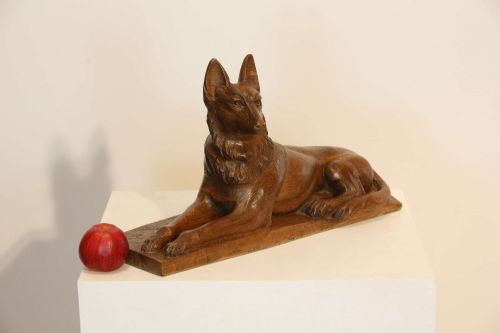
When you search for hand carved oak statues, you encounter figures drawn from religious iconography, folk art, and historical portraiture. The selection ranges from pre-sixteenth century devotional carvings to nineteenth century folk art and Arts and Crafts pieces.
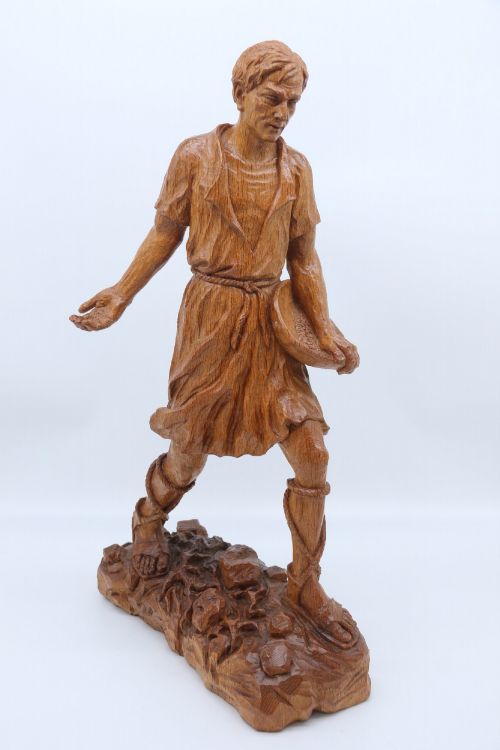
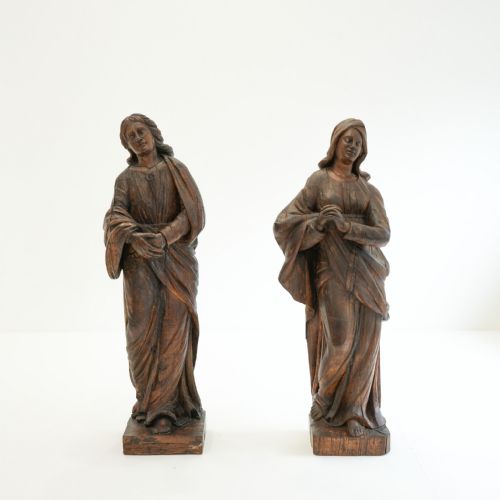
Religious figures, including pairs of saints and depictions of figures such as Saint Paul and Saint Jerome, dominate the earlier periods. Secular subjects also appear, such as Anglo Saxon farm workers and folk art candlesticks in the form of poachers carrying game.
Origins span Britain, Germany, Croatia, and America, showing how different regional workshops interpreted timber sculpture. Most pieces date from the sixteenth through the nineteenth centuries, with notable examples reaching back to the fifteenth century.
How they were made
Makers shaped these sculptures from solid oak and hardwood using traditional hand chisels and gouges. The material dictated the boldness of the form, as the grain of the wood resisted fine detail in favour of robust contours.
Surfaces received treatments such as wax polish to protect the timber and enrich the natural colour of the grain. Tool marks frequently remain visible across the carvings, recording the physical labour of the sculptor.
Hand Carved Oak Statues Retail Price Guide 2026
Typical asking prices for hand carved oak statues among the pieces listed under this phrase on Sellingantiques today, from the lower quarter to the upper quarter. They describe what is for sale here now, not the wider market.
Some nineteenth century carvers turned their skills to folk art candlesticks shaped precisely as poachers carrying their game.
What varies in quality
Proportion and the preservation of original surface patination determine the standing of an individual carving. Pieces retaining early tool work and historical wax polish command greater interest than heavily restored examples.
Franz Keller
The Hand Carved Oak Statues Glossary
- Oak
- A durable hardwood used extensively for European furniture and sculpture. Its prominent grain influences the texture and visual rhythm of early carvings.
- Wax polish
- A traditional finish applied to timber surfaces to nourish the wood and impart a soft sheen. It highlights the natural figure of the oak without forming a modern glossy film.
- Folk art
- Utilitarian or decorative objects created by self-taught or provincial makers outside academic traditions. These pieces often depict local figures, animals, or occupational scenes.
- Gothic Revival
- A nineteenth century architectural and decorative style that revived medieval forms and motifs. It heavily influenced ecclesiastical woodwork and statues of that era.
- Arts and Crafts
- A design movement valuing handcraftsmanship and traditional materials over industrial production. It inspired late nineteenth century depictions of historical and agricultural figures.
Hand Carved Oak Statues: Frequently Asked Questions
How old are most hand carved oak statues?
The pieces span multiple centuries, with examples originating from the fifteenth century through to the Edwardian period. Many date specifically from the eighteenth and nineteenth centuries.
Earlier items from the pre-sixteenth century reflect medieval religious traditions, while later works often embrace folk art or Arts and Crafts sensibilities.
Where were these wooden statues made?
Geographical origins include Britain, Germany, Croatia, and America. Each region imparted distinct stylistic traits to the carving.
German and Croatian examples frequently depict saints and religious subjects, whereas British and American pieces often lean towards folk art and historical figures.
How should I clean my oak statue?
Dust the surface gently with a dry, soft cloth to prevent accumulation in the crevices of the carving. Avoid chemical cleaners or moisture, which can damage the old timber.
Periodically applying a suitable wax polish helps maintain the finish and protects the hardwood from drying out over time.
What subjects do these statues depict?
Subjects range from Christian saints and biblical figures to secular folk art characters. You will find depictions of figures like Saint Paul and Saint Jerome alongside poachers and farm workers.
This variety reflects the changing purpose of wood sculpture from church devotion to domestic display and folk storytelling.