


Medieval Saint Carvings
Medieval saint carvings are historical wooden figures of holy figures and donors that bring devotional presence and early craftsmanship into a room.
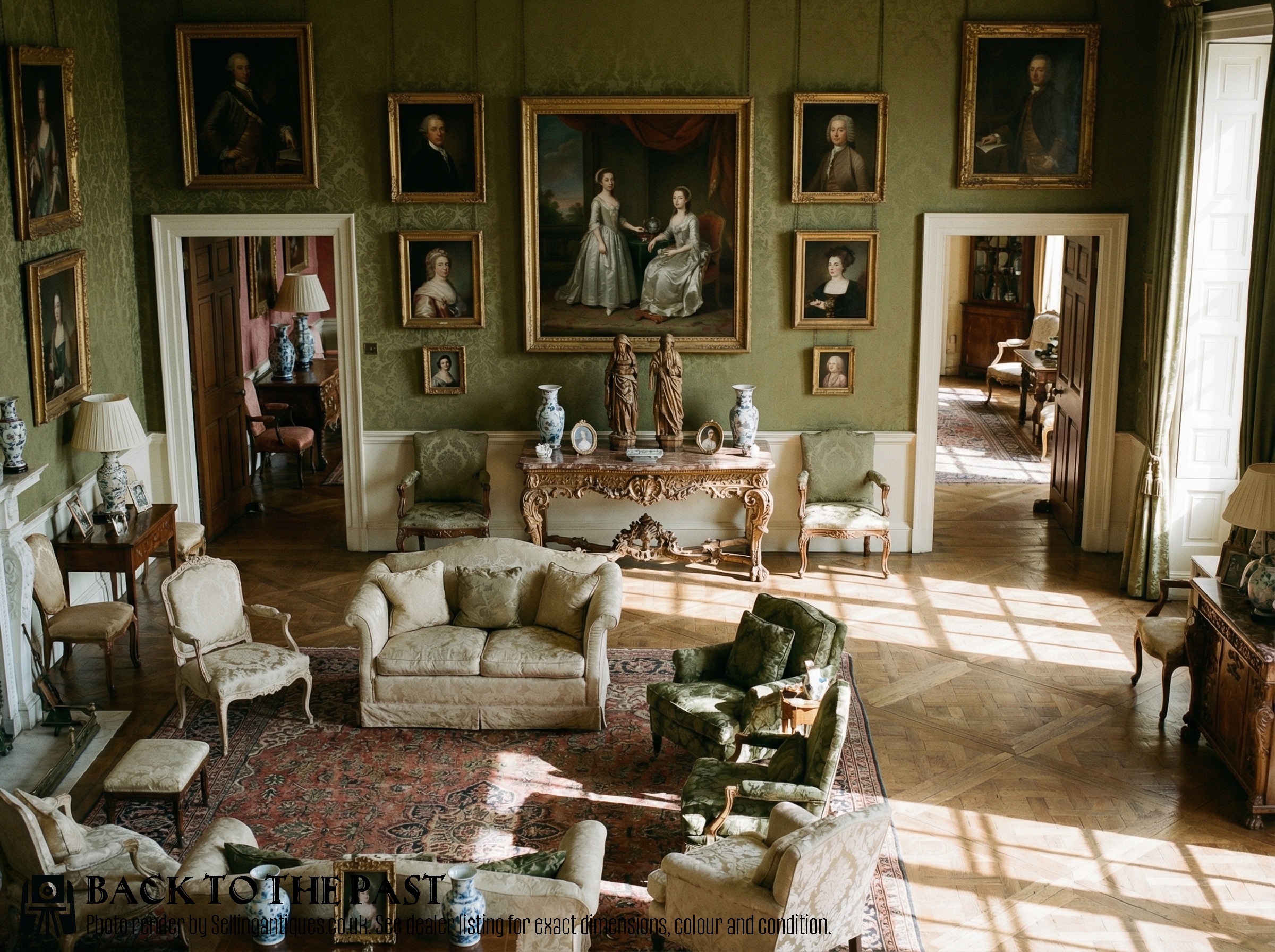
Medieval Saint Carvings
When you search for medieval saint carvings, you encounter wooden sculptures spanning the pre-sixteenth century and the sixteenth century. These pieces include figures of saints, bishops, donors, and the Virgin Mary, often originating from regional European workshops in Germany, France, and Flanders.
The most common forms on this page are carved oak and polychrome wood statues reflecting Gothic and Renaissance styles. You see single figures like St Catherine or St Joseph alongside grouped compositions such as Anna Selbdritt and pairs of saints.
Many items survive as fragments or statues from larger church settings, capturing the transition from late medieval devotion to Northern Renaissance artistry. The selection ranges from devotional church figures to architectural fragments.
How they were made
Carvers worked primarily in solid timber, utilising oak and other woods to shape these devotional figures. Wood was hewn and carved directly, sometimes leaving tool marks that reveal the hand of the artisan.
Surfaces were frequently finished with gesso and polychrome paint, adding layers of colour and gilt to the carved wood. These pigments and gold leaf treatments brought divine figures to life in medieval church interiors, though much of this surface decoration has weathered or worn away over centuries.
Medieval Saint Carvings Retail Price Guide 2026
Typical asking prices for medieval saint carvings among the pieces listed under this phrase on Sellingantiques today, from the lower quarter to the upper quarter. They describe what is for sale here now, not the wider market.
A smiling young saint bishop manages to look remarkably cheerful despite enduring half a millennium of European history.
What varies in quality
Original surface preservation dictates much of the visual impact. Carvings retaining early traces of polychrome or gesso offer a more complete historic narrative than bare timber surfaces stripped by later interventions.
The Medieval Saint Carvings Glossary
- Polychrome
- Painted in several colours. This surface treatment was standard for medieval church figures to enhance realism and devotional appeal.
- Gesso
- A plaster mixture applied to wood as a base for paint and gilding. It provides a smooth ground for decorative finishes.
- Gothic
- An architectural and artistic style spanning the twelfth to the sixteenth century. It is characterised by pointed arches and naturalistic sculptural forms.
- Anna Selbdritt
- An iconographic subject showing Saint Anne with the Virgin Mary and the Christ Child. This grouping is common in late medieval wooden sculpture.
- Fragment
- A surviving portion of a larger destroyed sculpture or architectural element. Many extant carvings are fragments detached from altarpieces or church furnishings.
Medieval Saint Carvings: Frequently Asked Questions
What periods do these carvings date from?
The listings span the pre-sixteenth century and the sixteenth century. This encompasses the late medieval era and the Northern Renaissance.
Pieces reflect stylistic shifts from strict Gothic conventions to more expressive Renaissance forms.
What types of wood were used?
Oak is the predominant timber found in these sculptures. Other varieties of wood were also utilised depending on regional availability.
Surfaces were frequently coated in gesso and polychrome paint rather than left as bare timber.
Where did these figures originate?
Origin points include Germany, France, and Flanders. Workshops in these regions produced ecclesiastical art for churches and private devotion.
Regional styles often reveal themselves through the treatment of drapery and facial carving.
How should I live with a wooden sculpture?
Display these figures in stable indoor environments away from direct heat sources and strong sunlight. Sudden humidity changes can affect old timber and remaining gesso.
Allow the piece to rest securely on a flat surface or appropriate mount without aggressive modern fixings.