


Gothic Oak Sculptures
Gothic oak sculptures are historic carved timber figures and architectural fragments that bring intense religious devotion and medieval craftsmanship into a room.
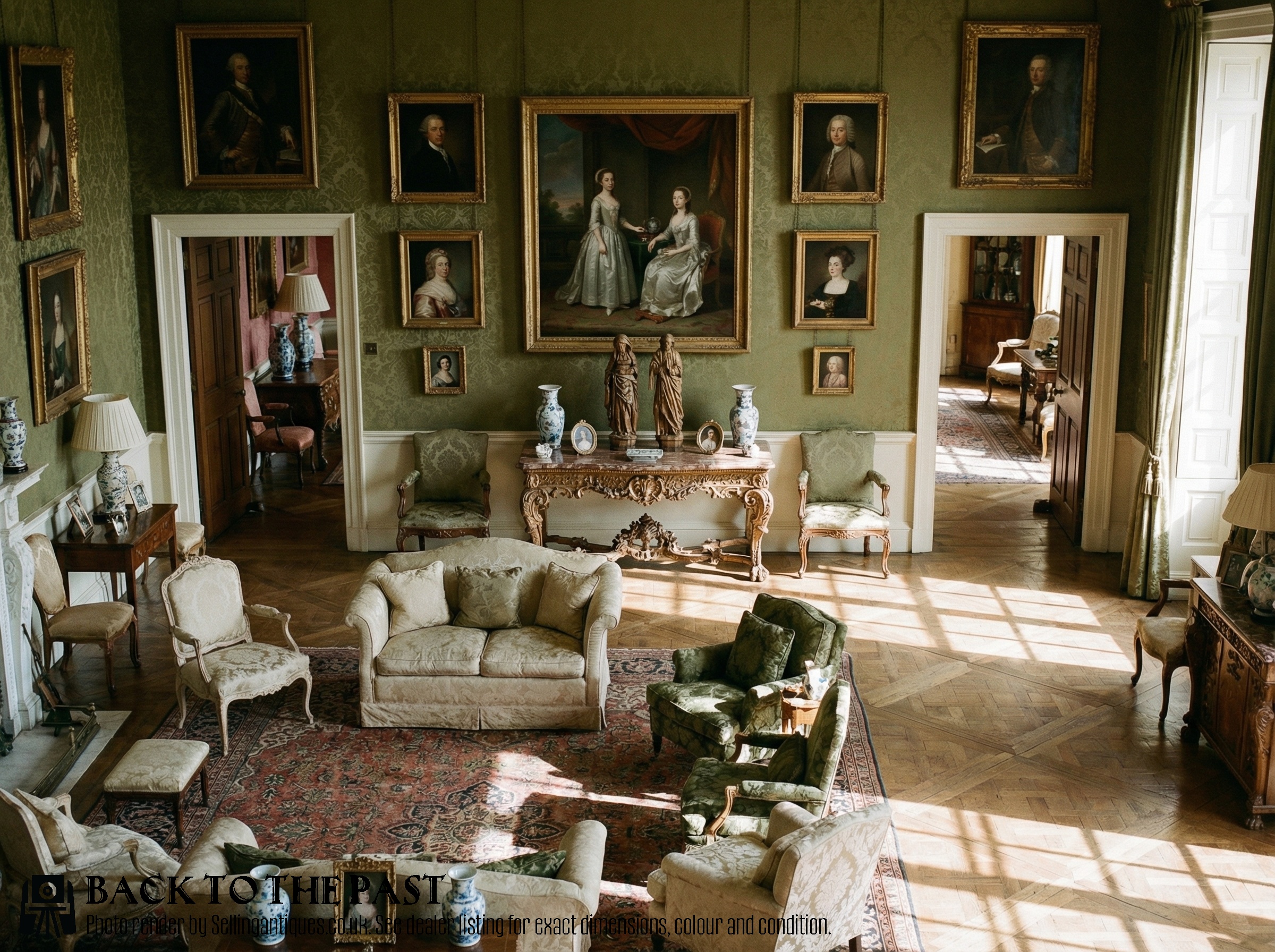
Gothic Oak Sculptures
When you search for gothic oak sculptures, you are looking at centuries of devotional art spanning from the pre-sixteenth century through to nineteenth-century Gothic Revival interpretations.
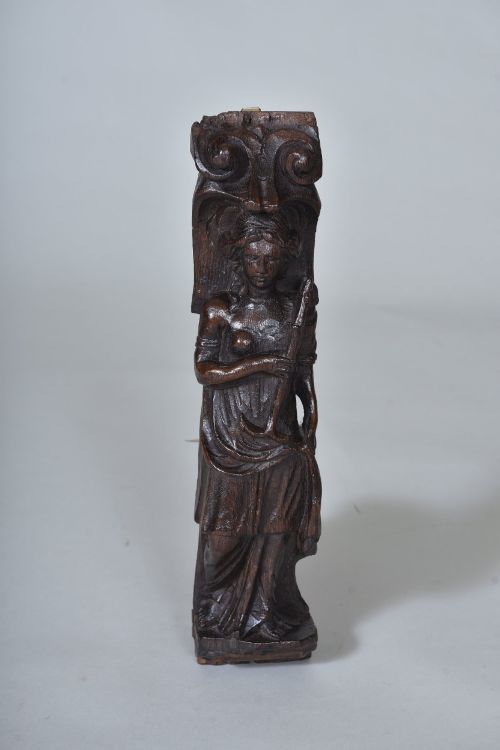
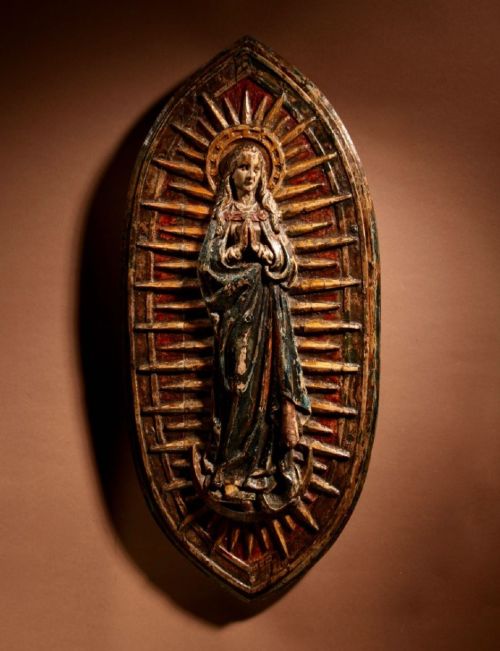
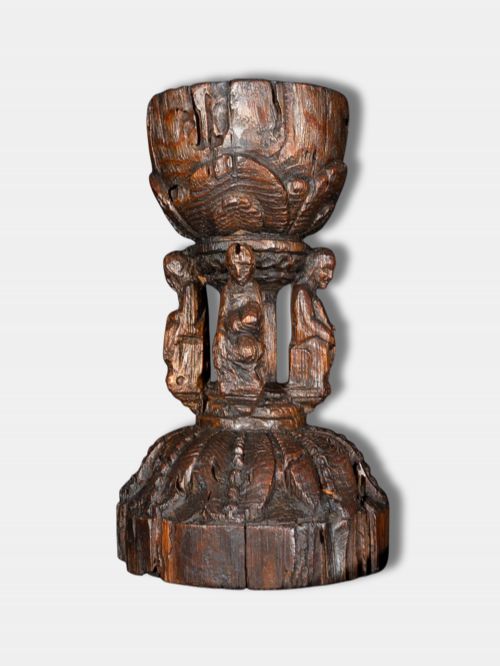
The pieces on this page appear as architectural fragments, wall sculptures, and free-standing figures representing saints, Madonna and child groups, and biblical scenes.
Most items you will encounter date from the sixteenth century, featuring Northern European and Flemish origins that reflect deep medieval and Renaissance traditions.
Materials and construction methods
These works rely primarily on hardwood oak, selected for its durability and capability to hold intricate detail under the chisel.
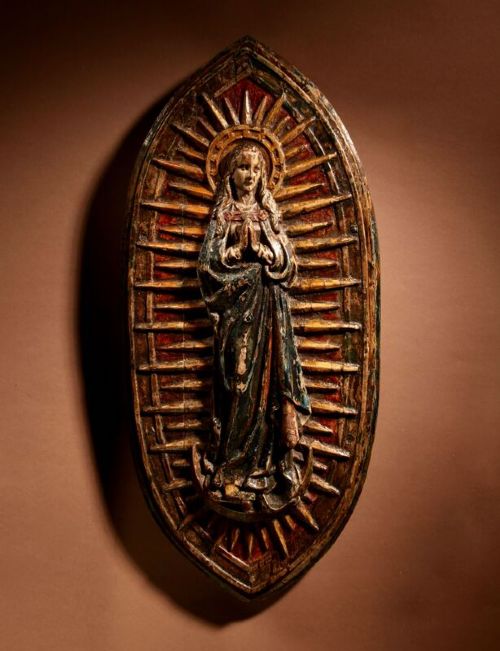
Surfaces frequently show traces of polychrome paint, gesso, and gold leaf applied to enhance the visual impact of the carved wood.
Master carvers shaped these figures using hand chisels and gouges, often integrating them into larger altarpieces or church furnishings.
Several figures share space with unexpected companions, including half-moons, snakes, cherubs, and crouching lions.
Defining factors of quality
Quality rests in the expressive power of the carving, where masterworks display deeply rendered drapery and lifelike hands rather than stiff, rudimentary blocking.
The survival of original surface treatments like polychrome pigment and gold leaf elevates a piece, whereas stripped timber loses historical context.
Anatomical proportion and the crispness of the chisel work distinguish significant period pieces from later revival items.
The Gothic Oak Sculptures Glossary
- Polychrome paint
- The practice of decorating sculpture with multiple colours in paint. It was commonly applied over a gesso ground on medieval wood figures to increase realism.
- Architectural fragment
- A surviving portion of a larger building or altarpiece. These pieces often show cut edges where they were separated from their original ecclesiastical setting.
- Gesso
- A plaster mix used as a smooth base for painting and gilding on wood. It provides the white ground that holds gold leaf and pigment.
- Pugin design
- A nineteenth-century Gothic Revival style associated with architect Augustus Pugin. It draws heavily on medieval ecclesiastical motifs for oak furniture and wall decorations.
Gothic Oak Sculptures: Frequently Asked Questions
How do I date an oak sculpture?
Dating relies on tool marks, style of drapery, and the type of oak used in the carving. Earlier medieval pieces show adze and hand-chisel marks unique to pre-industrial workshops.
Secondary clues include the presence of early gesso layers, original polychrome paint, and shrinkage cracks consistent with centuries of age.
Where were these sculptures originally displayed?
Most of these figures stood inside churches, cathedrals, and private chapels as part of elaborate altarpieces or rood screens. They served a devotional purpose to inspire prayer and contemplation.
Smaller fragments and reliefs often came from domestic shrines or ecclesiastical furniture before entering private collections.
How should I care for antique oak?
Keep carved oak sculptures away from direct heat sources and drastic humidity changes to prevent the timber from splitting. Stable room conditions protect fragile gesso and paint layers.
Dust the surface gently with a dry, soft-bristled brush and avoid applying modern waxes or polishes that can seal moisture into the wood.
Are nineteenth-century pieces considered authentic?
Nineteenth-century Gothic Revival works are authentic expressions of the Victorian period rather than medieval originals. They reflect a deliberate revival of interest in medieval craftsmanship and design.
These pieces hold their own distinct value and artistic merit, particularly when associated with prominent designers like Pugin.