






Brown Oak Figures
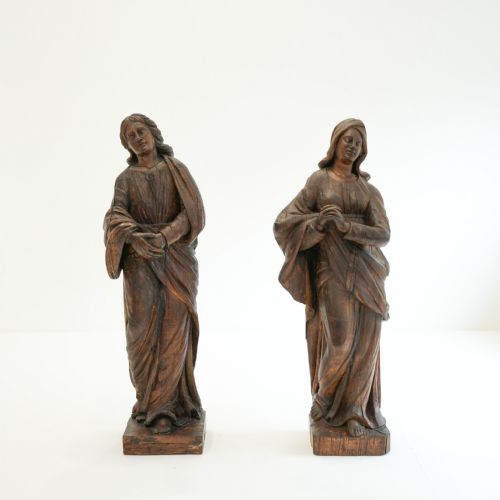
Brown oak figures are substantial carved wooden sculptures and panels, bringing centuries of deep historic character and rich grain into a room.
Brown Oak Figures
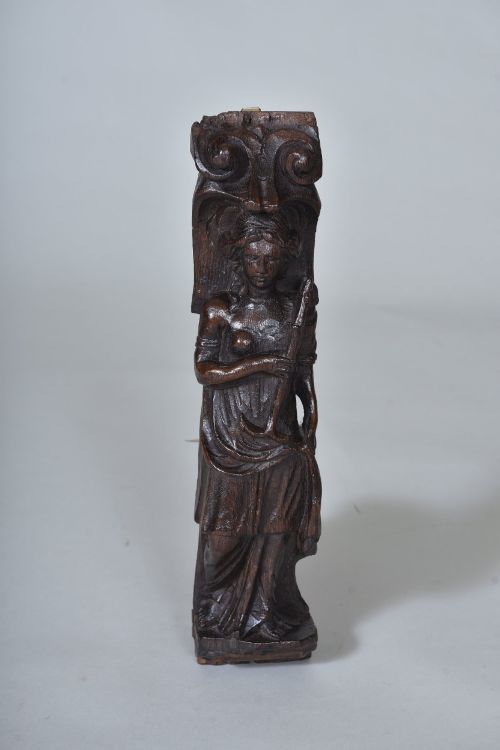
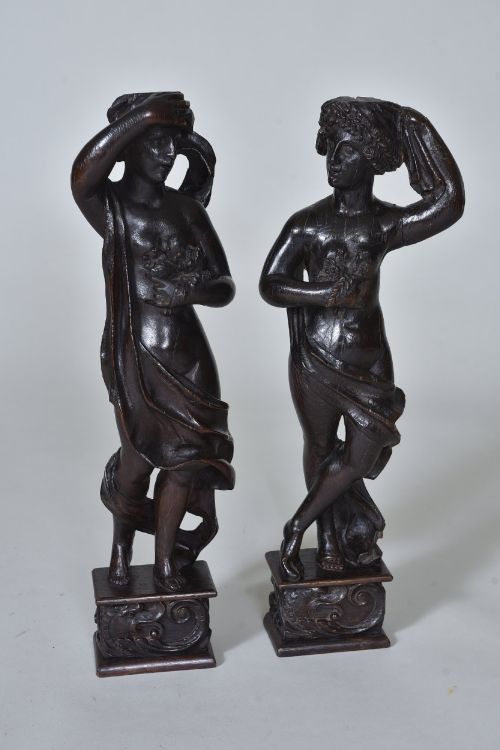
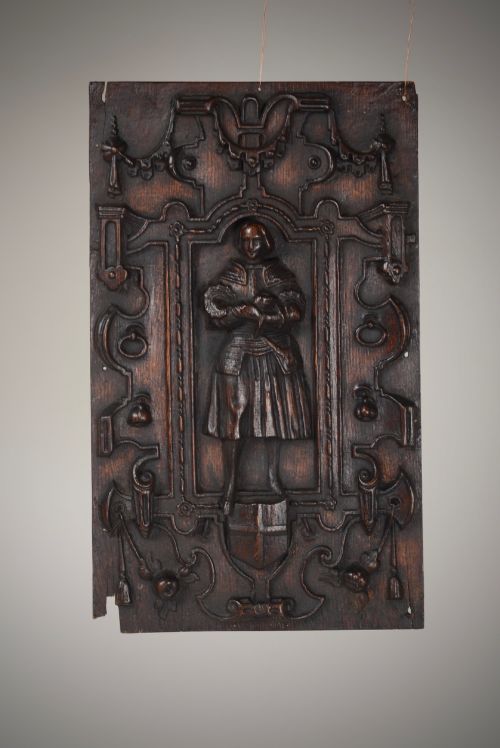
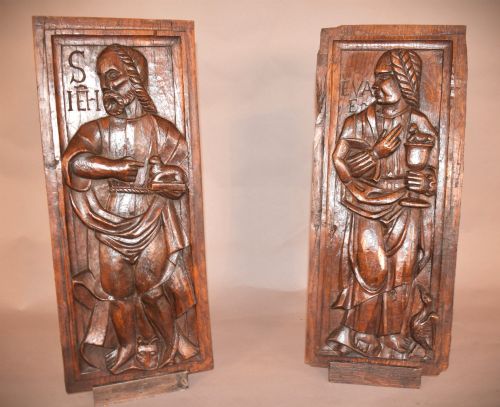
Brown oak figures encompass hand-carved statues, saints, angels, and architectural panels dating from the pre-sixteenth century through to the twentieth century. These sculptural works frequently depict religious figures, classical subjects, and mythical beasts originating from British, German, and Flemish workshops.
While the search spans various forms of carved wood and furniture, the core focus remains on three-dimensional figures and relief panels fashioned from seasoned hardwood. Pieces range from medieval church fragments to nineteenth-century revival studies and folk art carvings.
How they were made
Carvers shaped these works primarily using solid oak, alongside related hardwoods such as elm and fruitwood, utilising traditional hand chisels and gouges to build deep relief and facial expression. The timber often displays natural figuring, grain variation, and patination developed over hundreds of years of exposure.
Construction techniques involve direct carving from single blocks or joining seasoned panels with pegged mortise and tenon joints. Surviving traces of original polychrome paint or dark wax finishes frequently remain on the wood surface.
Listings feature carved oak figures spanning from pre-sixteenth century Gothic saints down to twentieth-century decorative animals.
What varies in quality
Quality rests upon the crispness of the chisel work and the anatomical understanding of the carver, separating stiff provincial execution from fluid master craftsmanship. Proportions, depth of undercut drapery, and the preservation of original surface texture dictate the desirability of each piece.
Franz Keller·Boothroyd Sons and Rimmer
The Brown Oak Figures Glossary
- Caryatid
- A sculpted female figure serving as an architectural support column or pilaster. These structural carvings often appear on pedestals and furniture.
- Corpus Christi
- A representation of Jesus Christ on the cross, usually carved in wood or cast in metal. Such devotional pieces form a significant part of early religious sculpture.
- Polychrome
- The practice of decorating architectural elements or sculptures in a variety of colours. Traces of this historic paint survive beneath later wax layers.
- Figured oak
- Timber exhibiting distinctive growth patterns, such as medullary rays or ripple marks. This decorative grain enhances the visual depth of panels and furniture.
- Gothic Revival
- An architectural and artistic style drawing inspiration from medieval forms. Pieces in this manner date largely from the nineteenth century.
Brown Oak Figures: Frequently Asked Questions
How do I date an oak figure?
Dating relies upon tool marks, stylistic conventions of drapery and hair, and the oxidation of the oak surface over time. Comparing regional carving styles from periods like the sixteenth or seventeenth century helps narrow the origin.
Examine the back of the carving for peg holes, joinery methods, and shrinkage cracks that indicate age. Unaltered wood patination provides further confirmation of the period.
Where should I place a heavy wooden carving?
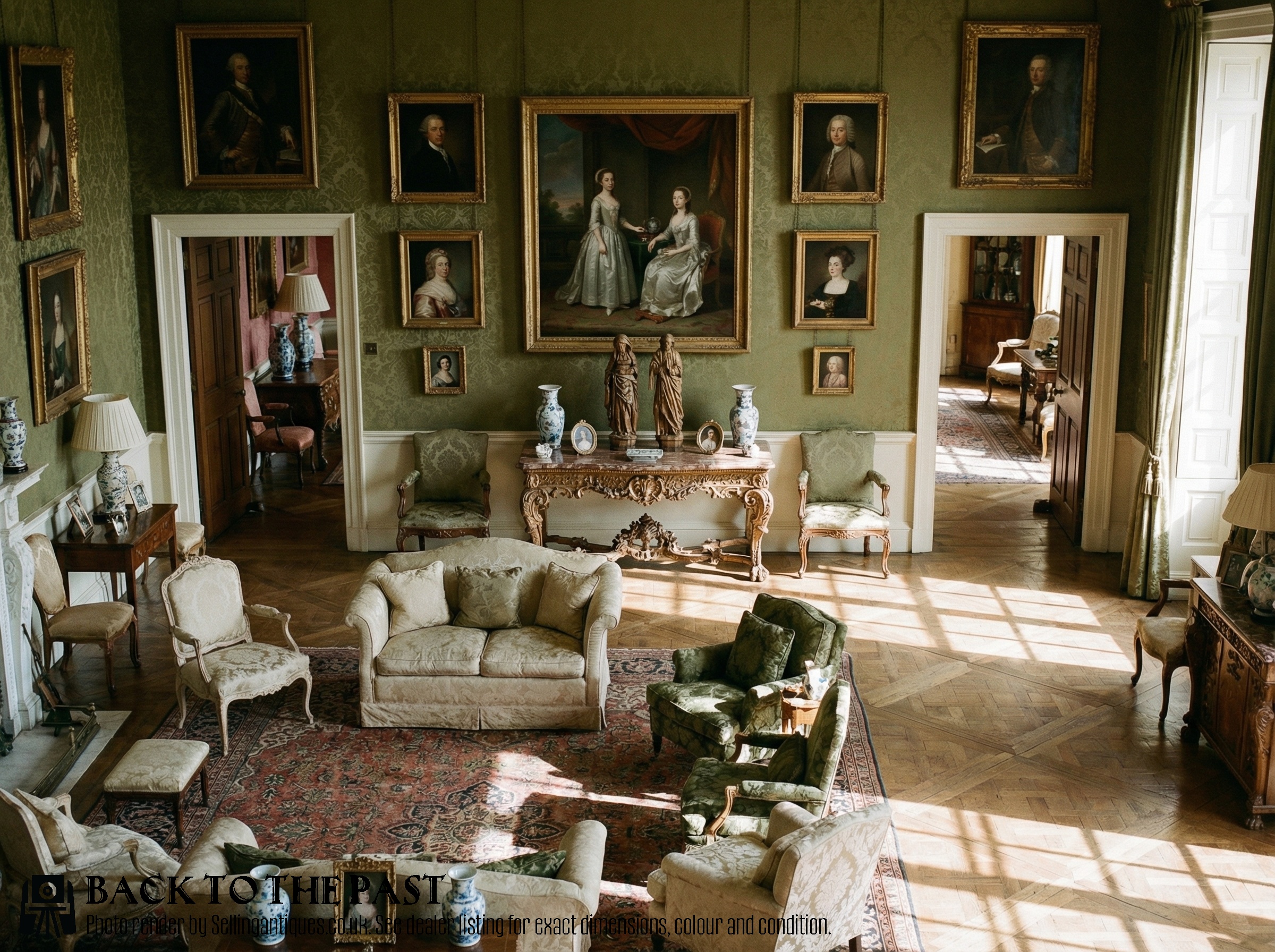
Position sculptures on sturdy console tables, dedicated pedestals, or mount wall panels securely to masonry or studwork. Ensure the display location avoids direct sunlight and sudden radiator heat.
Stable indoor humidity prevents the oak timber from splitting or warping over time. Allowing adequate clearance lets the three-dimensional form be viewed from multiple angles.
What is the difference between religious and secular carvings?
Religious carvings depict saints, madonnas, and biblical scenes intended for devotion in churches or domestic shrines. Secular carvings encompass classical figures, caryatids, heraldic beasts, and decorative panels made for grand interiors.
Both categories share identical woodworking techniques of their respective eras. The subject matter alone distinguishes devotional iconography from decorative furniture ornamentation.