

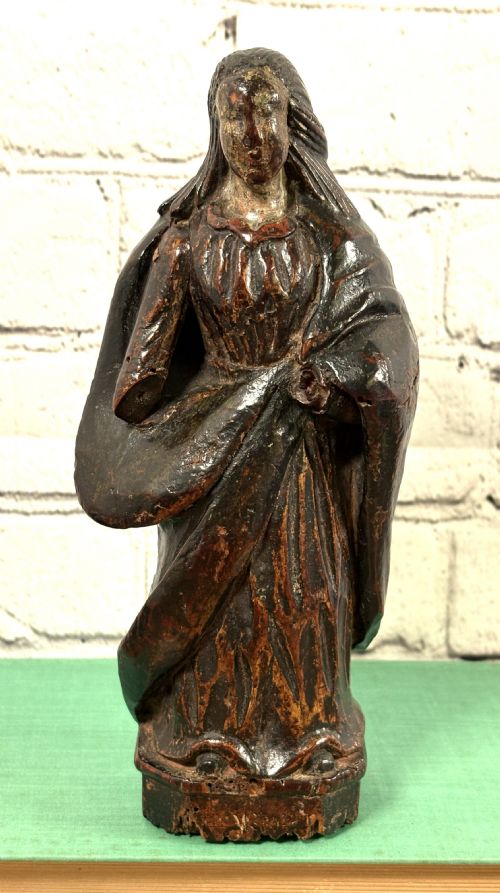



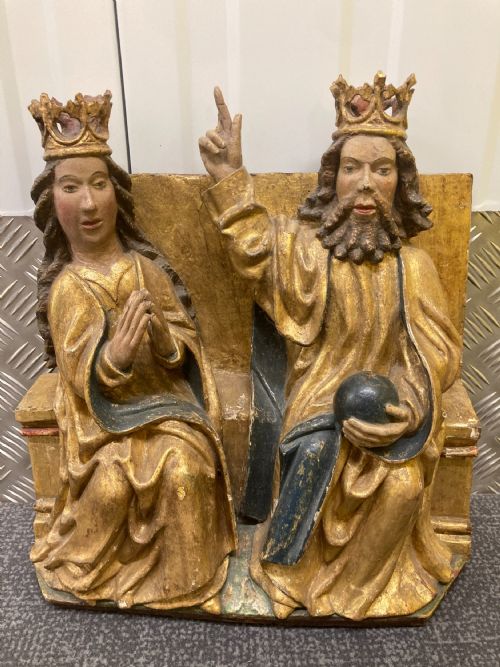


Gothic Wooden Figure
When you search for a gothic wooden figure, you are looking at carved sacred and secular representations that bring medieval and renaissance devotion into a room.
Gothic Wooden Figure
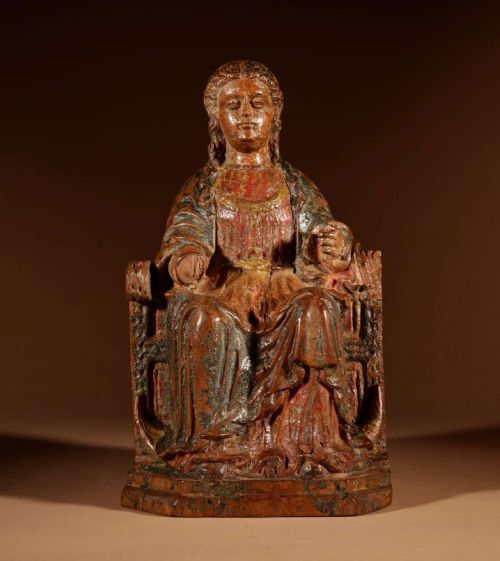
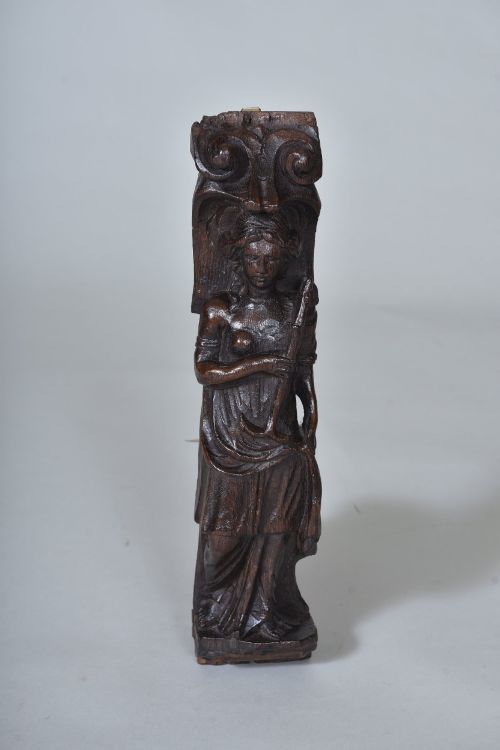
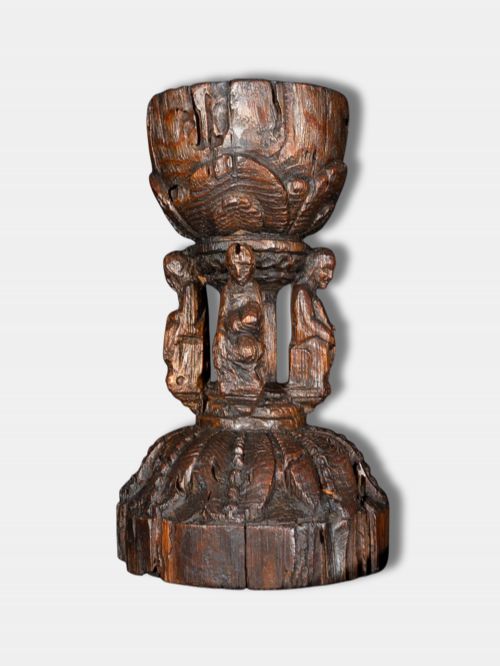
A gothic wooden figure encompasses carved sculptures of saints, madonnas, angels and biblical figures originating from the pre-sixteenth century through to the sixteenth century, alongside later nineteenth century revivals. The versions most commonly met on this page are continental oak and limewood devotional carvings depicting figures such as the Virgin Mary, various saints and ecclesiastical personages.
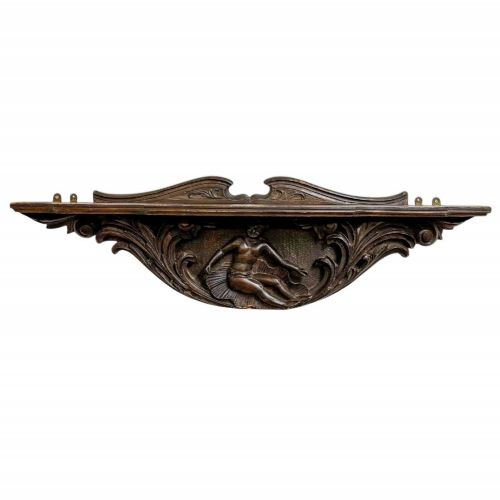
These pieces take the form of freestanding statues, relief panels, architectural brackets and altar fragments. They reflect the religious devotion and architectural ornamentation of late medieval and renaissance Europe, showing subjects like St. John, the Madonna and child, or donors.
How they were made
The construction often involved solid blocks of wood, sometimes hollowed at the back to prevent splitting as the timber aged. Surviving traces of original paint and gilding reveal the layered methods employed in medieval and renaissance workshops.
Keep a sharp eye out for hidden peg joints and medieval maker's marks tucked away in the hollow backs of statues.
What varies in quality
The standard of a carving rests upon the anatomical precision of the hands and face, the depth and fluidity of the drapery folds, and the overall rhythm of the composition. Master carvers achieved a naturalistic grace even within rigid architectural constraints, whereas provincial or later revival pieces can appear stiff and formulaic.
The preservation of original surface treatments, such as early polychrome paint and gesso layers beneath later interventions, defines the historical integrity of a piece. Depth of relief and the sharpness of the chisel work distinguish ambitious church commissions from standard decorative carvings.
The Gothic Wooden Figure Glossary
- Polychrome
- Painted in several colours. This surface treatment was commonly applied over a gesso ground on medieval wood sculptures.
- Gesso
- A plaster mixture used as a smooth base for paint or gold leaf. It adhered directly to the carved wooden surface.
- Limewood
- A fine-grained, soft hardwood favoured by continental carvers for intricate detail. It allowed for deep, smooth undercut folds in drapery.
- Caryatid
- A carved architectural figure acting as a support pillar. These appear on pedestals and overdoors.
- Donor figure
- A sculpture depicting the person who commissioned a religious artwork. They often appear kneeling at the base of larger groupings.
Gothic Wooden Figure: Frequently Asked Questions
How old are these figures?
The examples on this page span from pre-sixteenth century medieval pieces and sixteenth century renaissance works through to nineteenth century Gothic Revival creations.
Carbon dating and timber analysis are rarely needed because stylistic markers in the carving technique and tool marks usually indicate the period.
Where were these carvings displayed?
Original pieces stood within churches, abbeys and private chapels as objects of veneration or architectural adornment on altars and rood screens.
Later nineteenth century revivals were often produced for domestic display in libraries, studies and panelled hallways.
How do I care for wooden sculptures?
Keep wooden figures away from direct sunlight and sudden temperature shifts to prevent the timber from splitting or warping.
Dust them gently with a dry, soft brush and avoid applying liquid polishes, especially if traces of historic paint or gesso survive.
What is the difference between original and revival pieces?
Fifteenth and sixteenth century carvings exhibit tool marks and wear patterns consistent with centuries of ecclesiastical use and exposure to incense and candle smoke.
Nineteenth century Gothic Revival pieces manufactured around eighteen-ninety show different patination and often utilise machinery alongside hand chisels.