




Carved Rosewood Hall Table
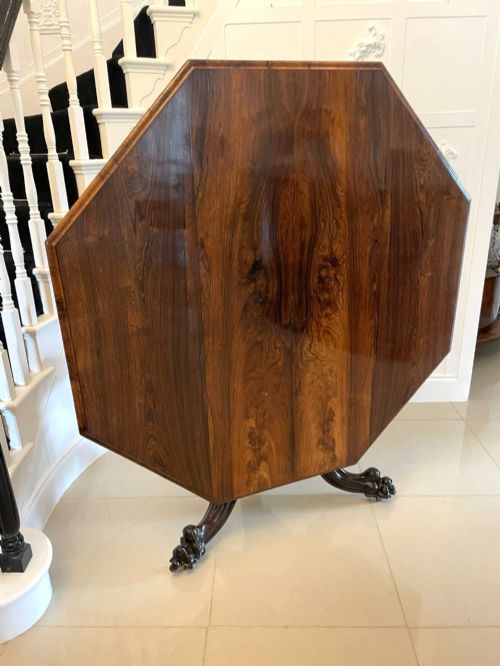
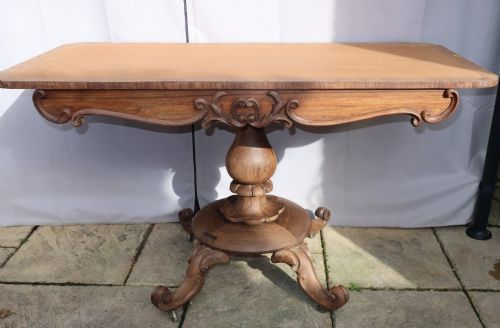
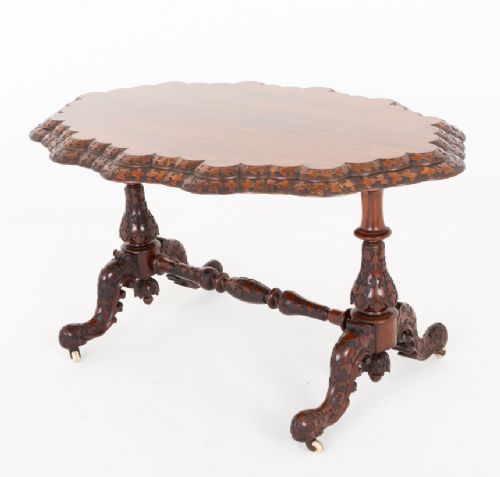
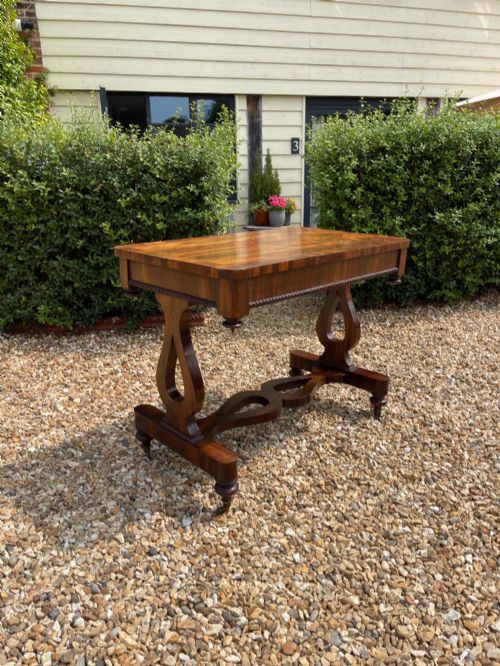
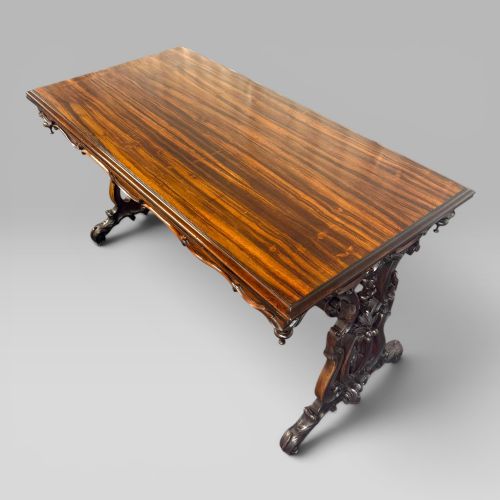
A carved rosewood hall table brings heavy grain and formal presence to an entrance, grounding the space with dark timber and deep carving.
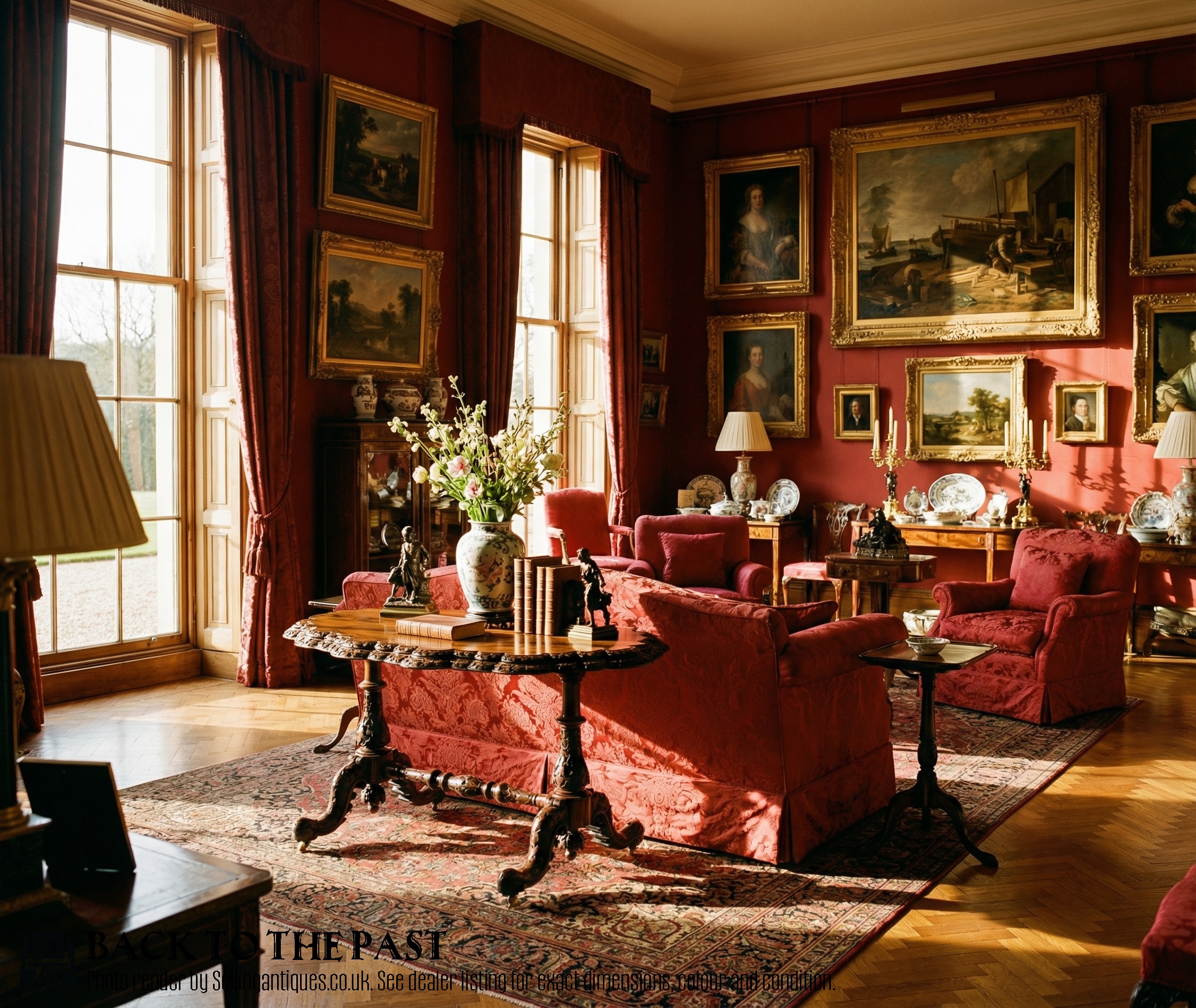
Carved Rosewood Hall Table
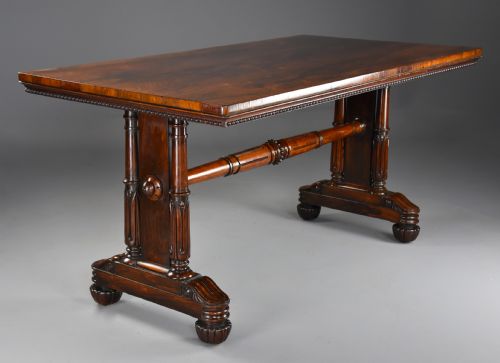
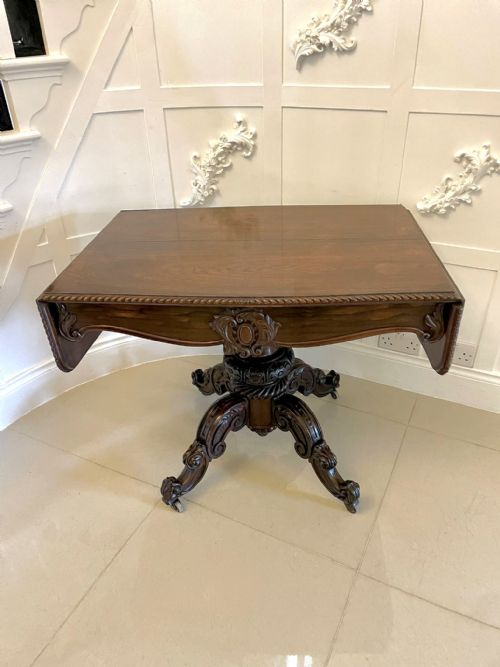
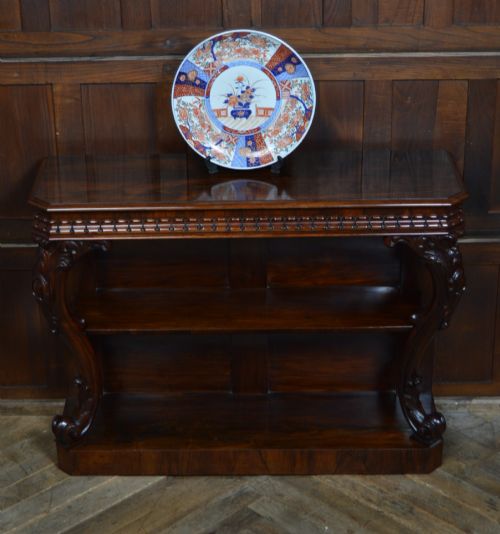
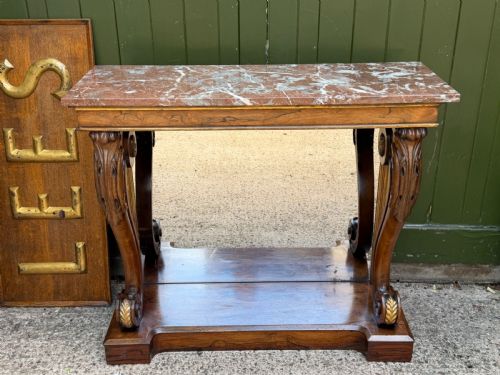
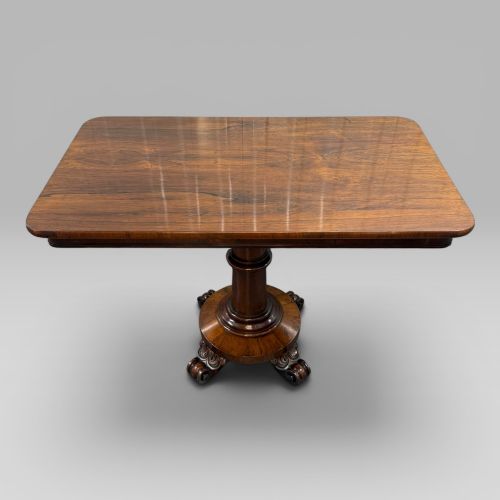
A carved rosewood hall table appears across several nineteenth century styles, including Regency, William IV, and Victorian periods. These pieces frequently manifest as console tables, centre tables, and side tables designed for entranceways and principal rooms.
Makers and workshops across England, Ireland, and Anglo-Indian centres produced these forms. Pieces from this selection range from simple occasional tables to elaborate console tables featuring marble tops and mirror backs.
The regional variations include Chinese altar tables and Anglo-Indian productions alongside domestic English furniture. Buyers encounter both freestanding centre tables and wall-fixed console formats in the current selection.
Materials and Construction
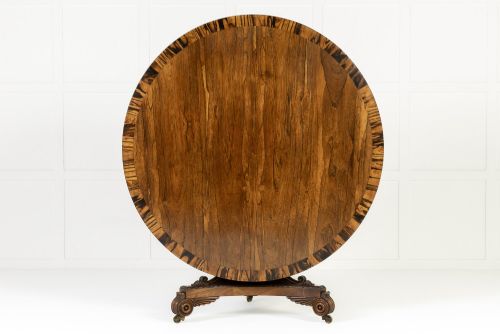
Carpenters utilised dense rosewood timbers, frequently incorporating secondary woods like mahogany and zebrawood alongside highlights of parcel-gilt and brass. Figured marble tops appear on console and pier variations, providing a heavy contrasting surface to the dark timber below.
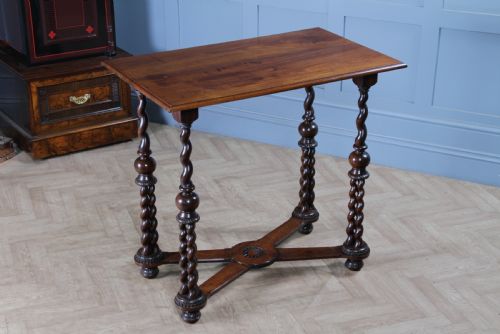
Carving techniques deliver deep relief work, triple barley twist columns, and structural stretcher bases. Joinery methods of the period secure heavy stone slabs and mirror backs within the main framework of the console or side table.
Listings span the eighteenth, nineteenth, and early twentieth centuries, featuring rosewood, brass, marble, and giltwood across various regional styles.
Evaluating the Build
The depth and crispness of the hand carving separate standard production from exceptional examples. Timber selection dictates the visual weight, where strongly figured rosewood grain elevates the presence of a centre or library table.
Attribution to documented workshops like Gillows or makers such as Robert Strahan introduces notable distinction. Structural integrity, particularly in tall gallery tables or heavy marble-topped console formats, governs the success of the piece.
Gillows·Robert Strahan
The Carved Rosewood Hall Table Glossary
- Console table
- A table designed to stand against a wall, frequently secured with brackets or resting on front legs. These pieces often feature mirror backs and marble tops.
- Centre table
- A freestanding table intended to occupy the middle of a room rather than sit against a wall. Such examples display finished timber work on all sides.
- Altar table
- A traditional Asian furniture form featuring extended upper ends and carved framing. These examples utilise dense hardwoods in regional domestic designs.
- Stretcher table
- A table incorporating horizontal wooden bars connecting the lower legs for additional bracing. This construction method provides stability to larger library and side formats.
Carved Rosewood Hall Table: Frequently Asked Questions
Where should I place a carved rosewood hall table?
These tables suit entrance halls, corridors, and principal reception rooms where adequate wall space or floor clearance exists. Console variants require positioning against a wall, while centre tables demand space to be viewed from all sides.
The dark timber and heavy carved detail anchor the surrounding space. Placing such a table beneath a mirror or painting creates a balanced focal point at an entrance.
How do I distinguish a console table from a centre table?
A console table is constructed specifically to stand against a wall, often lacking finished detailing on the rear side and occasionally requiring wall fixings. They frequently feature inset marble tops or mirror backs.
A centre table stands independently in the middle of a room with complete finishing on all sides. These pieces function as writing surfaces or general display tables.
What materials accompany rosewood in these tables?
Makers incorporated white or coloured marble tops on console and pier tables to provide a contrasting hard surface. Brass inlays, parcel-gilt highlights, and mirror glass appear within nineteenth century designs.
Secondary woods such as mahogany and zebrawood support the primary rosewood construction. Carved elements utilise the dense grain of the main timber to achieve crisp relief work.
How do I identify a Regency period table?
Regency pieces often display classical architectural motifs, parcel-gilt details, and sophisticated base structures reflecting early nineteenth century design. The proportion tends toward formal symmetry and restrained classical ornament.
Producers during this era utilised highly figured rosewood veneers and sophisticated turning on legs and supports. These characteristics separate them from later Victorian interpretations.