
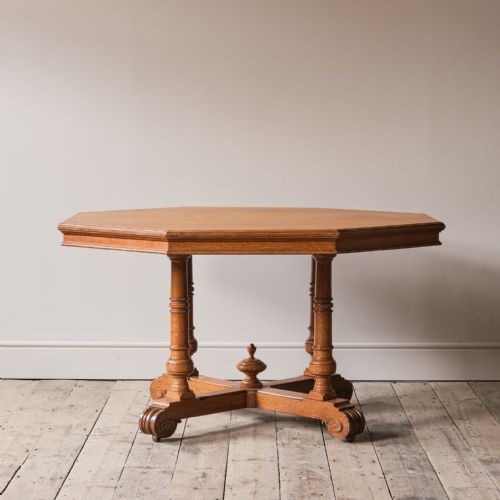
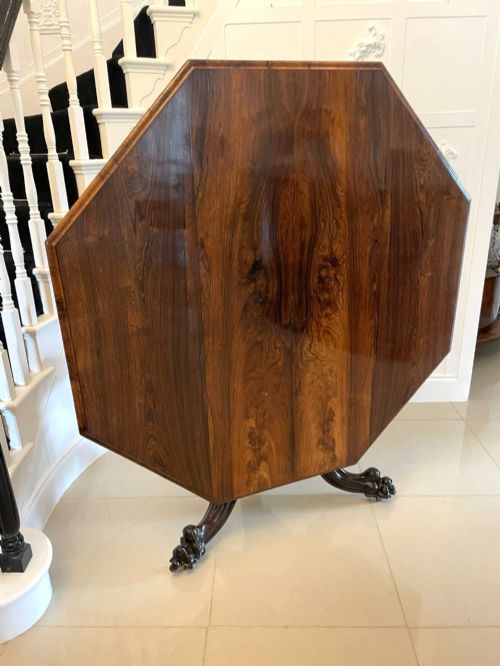
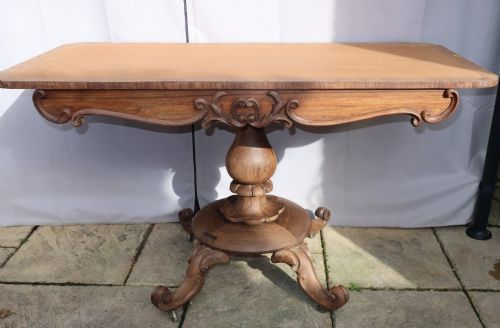
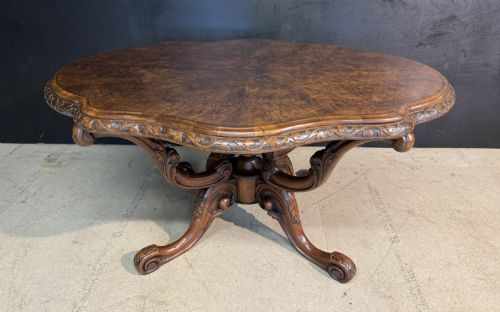
Carved Pedestal Hall Table
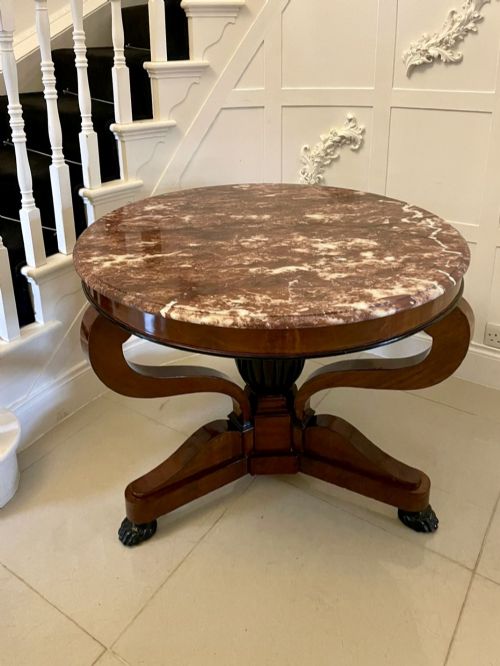
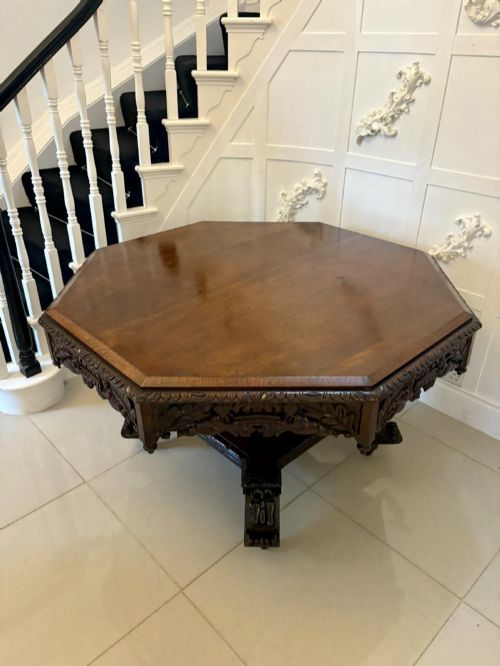
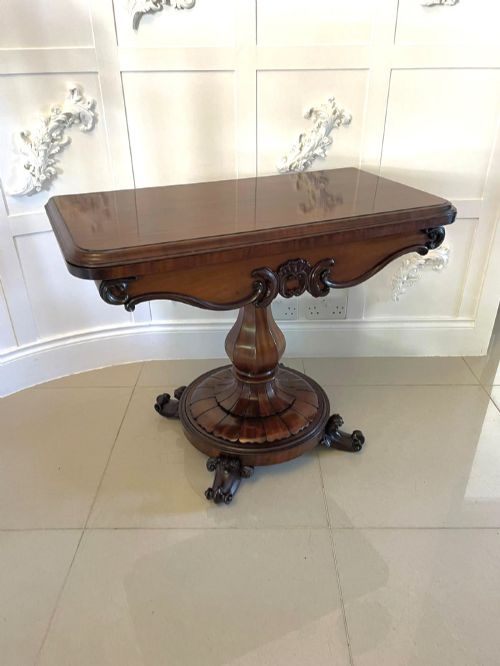
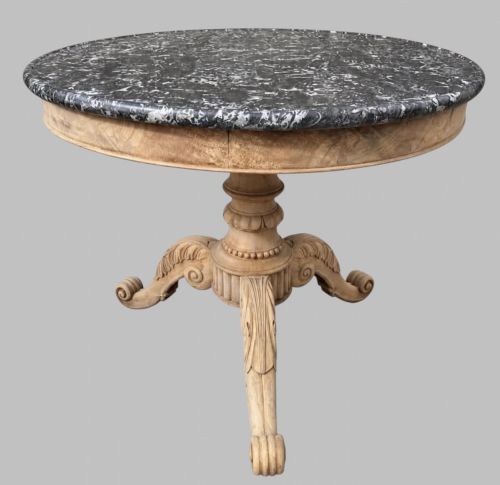
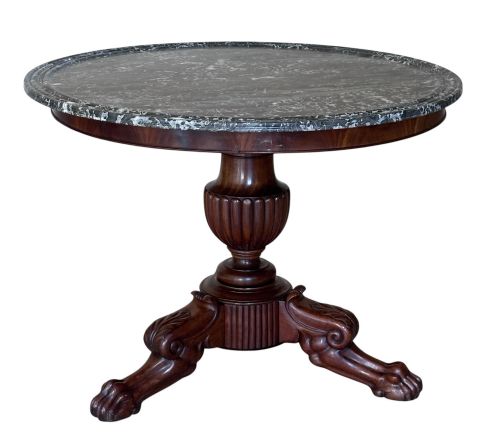
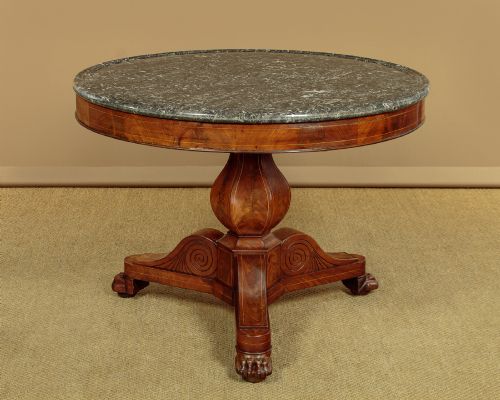
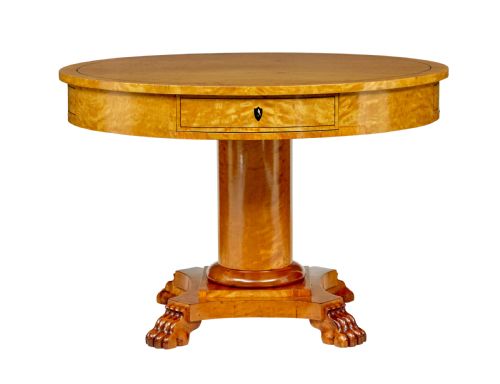
A carved pedestal hall table stands ready to anchor an entrance, offering heavy timber and carved detail from the nineteenth century.
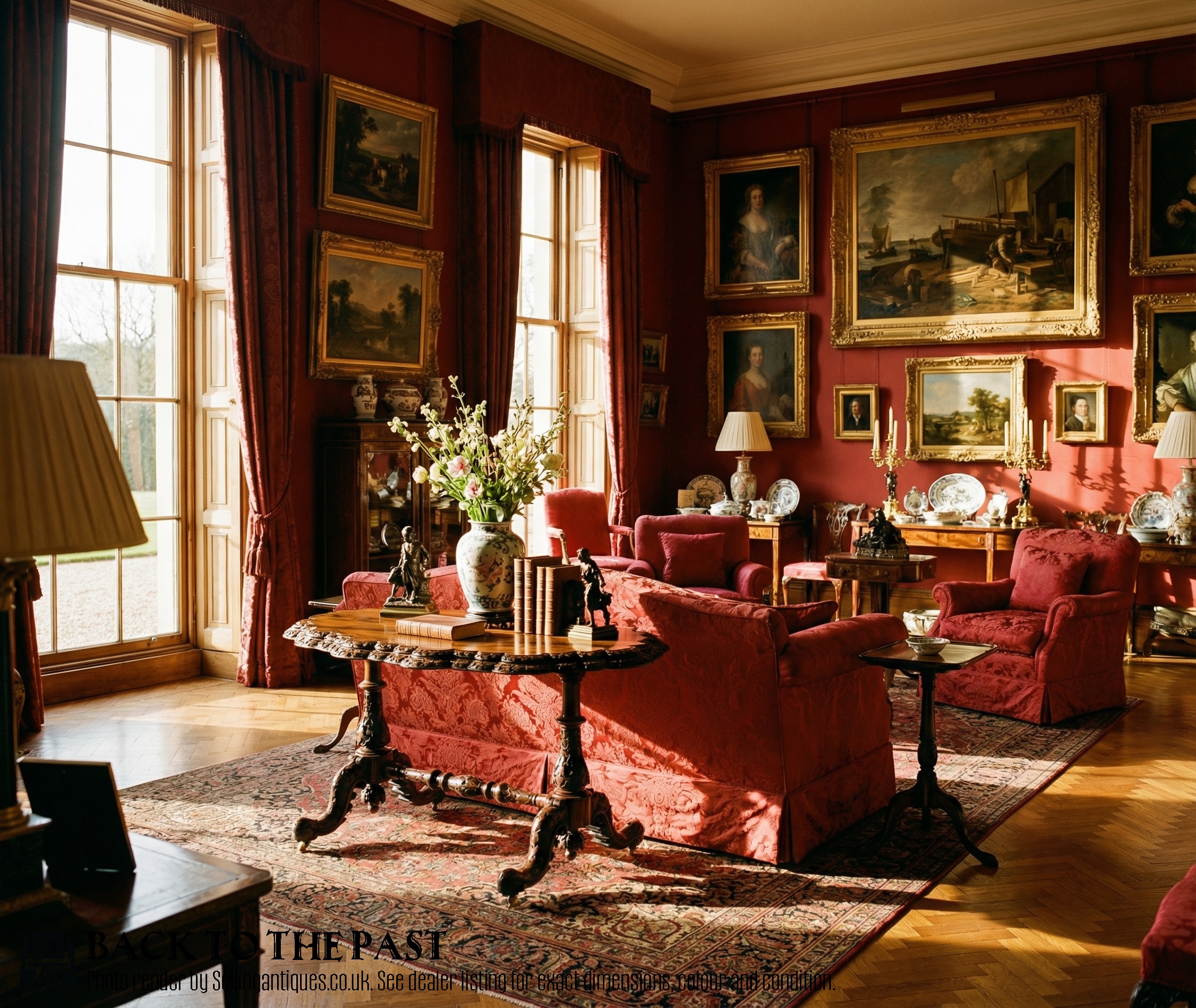
Carved Pedestal Hall Table
A carved pedestal hall table brings architectural presence to an entrance hall, functioning as a primary focal point for the space. When searching for a carved pedestal hall table, buyers encounter forms rooted in the Victorian, Regency and William IV periods, alongside continental influences.
The materials span rich timbers like mahogany, rosewood, walnut and oak, frequently paired with marble tops or intricate brass mounts. These pieces often overlap with centre tables, side tables and gueridons due to their circular or freestanding proportions.
Materials and construction methods
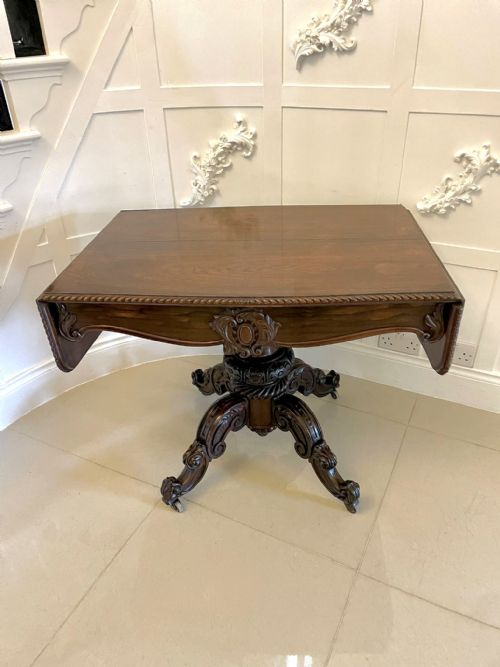
Cabinetmakers utilised dense hardwoods such as mahogany, oak and rosewood, often applying burr walnut or burr oak veneers to create rich grain patterns across circular and rectangular tops. Structural stability relied on substantial central pedestals, frequently resting on tripartite or quadrupartite carved bases.
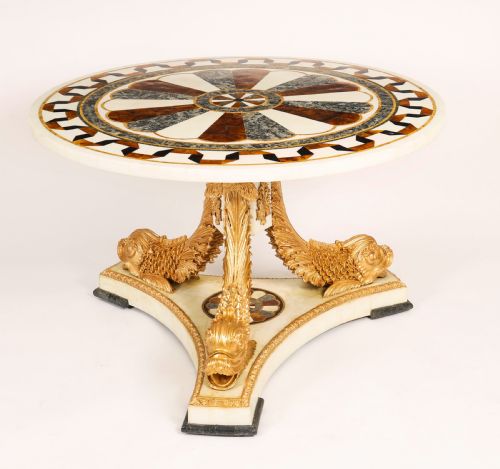
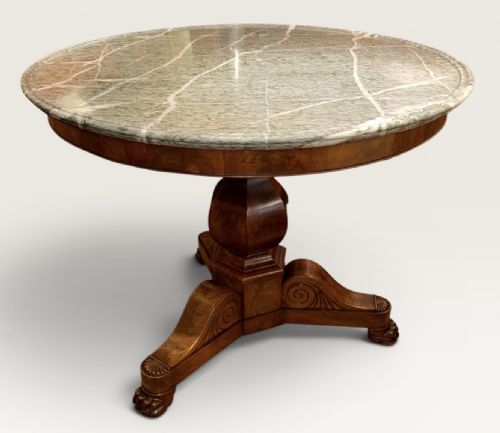
Surface enrichment involved hand carving, parcel gilt accents, marquetry inlay and painted finishes, while marble inserts provided durable, cool surfaces on French and English examples alike.
Listings feature nineteenth-century pieces spanning the Regency, Victorian and William IV eras, constructed primarily in mahogany, rosewood and oak with occasional marble tops.
Judging the standard of execution
Quality rests in the crispness of the hand carving on the central pillar and feet, where deep relief work separates finer workshops from standard production. The selection of timber veneers, particularly figured burr walnut or matched mahogany flames, dictates the visual weight of the top.
Joinery execution at the junction of the pedestal and the table base ensures rigidity, while heavy marble slabs fit flush into rebated wooden surrounds without excess gap.
Gillows
The Carved Pedestal Hall Table Glossary
- Gueridon
- A small round table on a central pillar, originating in France during the seventeenth century. These frequently feature marble tops and tripod bases.
- Console table
- A table designed to stand against a wall, often supported by brackets or front legs rather than a full four-legged frame. They frequently feature marble tops.
- Marquetry
- The art of applying pieces of veneer to a structure to form decorative patterns and pictures. Craftsmen utilise contrasting timbers to achieve tonal depth.
- Parcel gilt
- Partially gilded with gold leaf or powder over specific carved details or mouldings. This technique highlights architectural motifs against dark wood.
- Sofa table
- A rectangular occasional table traditionally placed in front of a sofa, featuring drop leaves on either side and dual pedestals.
Carved Pedestal Hall Table: Frequently Asked Questions
Where should I place a carved pedestal hall table?
These tables suit spacious entrance halls or landings where their circular or freestanding pedestal base can be viewed from multiple angles. They serve as a practical surface for correspondence or decorative objects upon entering the home.
Ensure adequate clearance around the central pillar so the proportions of the base do not obstruct movement through the room.
How do I care for a marble top table?
Marble surfaces require regular wiping with a damp cloth and mild soap, avoiding acidic cleaning agents that etch the polished stone. Coasters protect the porous material from staining caused by moisture or oils.
Periodic application of specialist stone wax helps maintain the lustre of the polished top over decades of use.
What is the difference between a centre table and a hall table?
Centre tables are designed to stand free in the middle of a room, finished with detail on all sides of the pedestal and top. Hall tables often refer to console or side formats positioned flat against a wall.
Many nineteenth-century examples cross between these categories depending on whether their back edge is finished for central placement.
How do I identify a Regency period table?
Regency pieces, dating from the early nineteenth century, frequently incorporate classical motifs, rosewood veneers, brass inlay and parcel gilt enrichments. The pedestals often draw inspiration from ancient Roman or Greek architectural elements.
Heavier Victorian interpretations tend towards deeper relief carving and darker oak or walnut timbers.