




Victorian Demi Lune Table
A victorian demi lune table brings architectural grace to a hallway or drawing room through its distinctive half-moon shape.
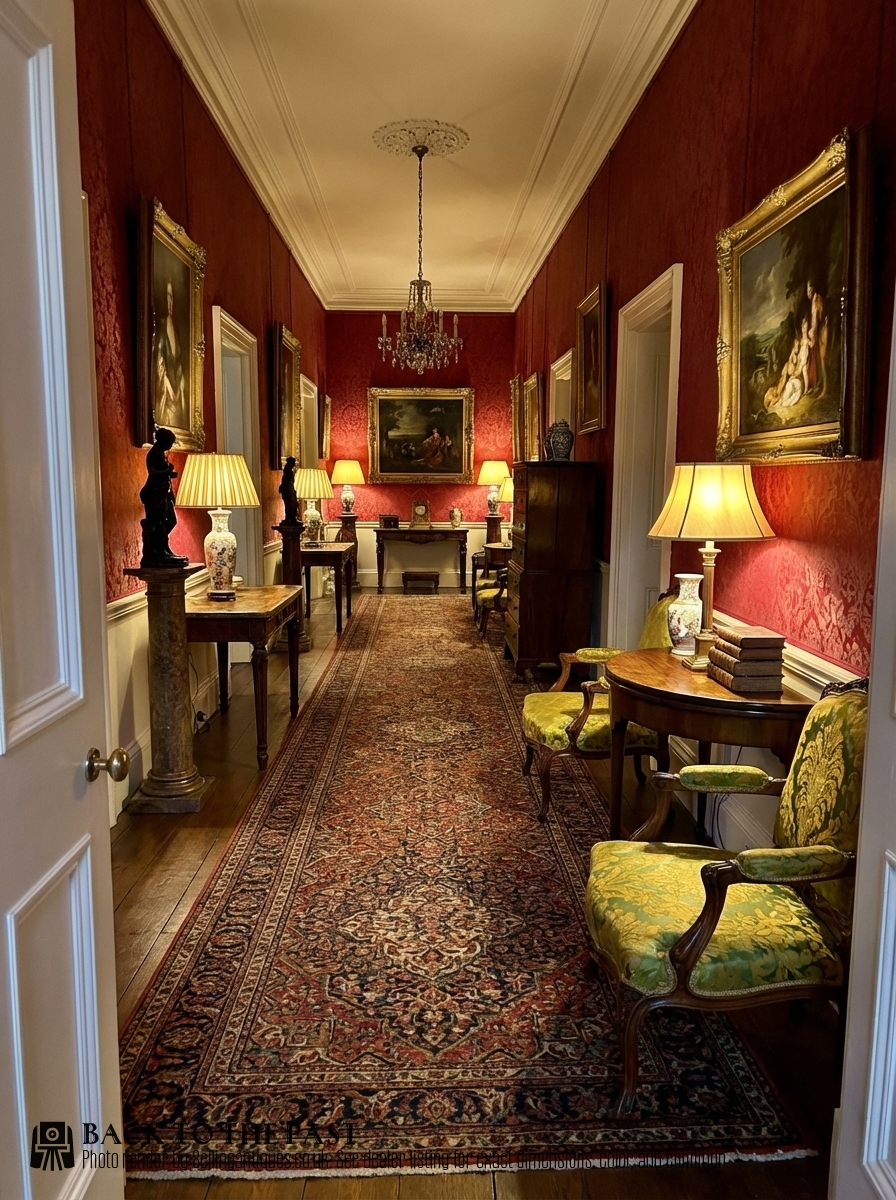
Victorian Demi Lune Table
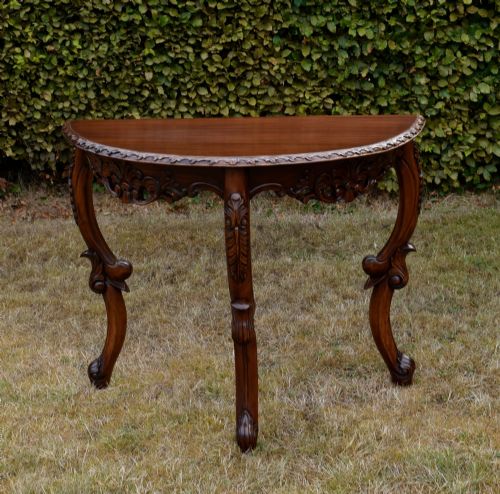
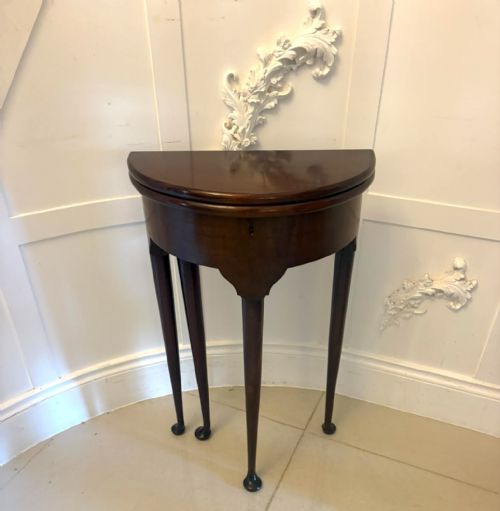
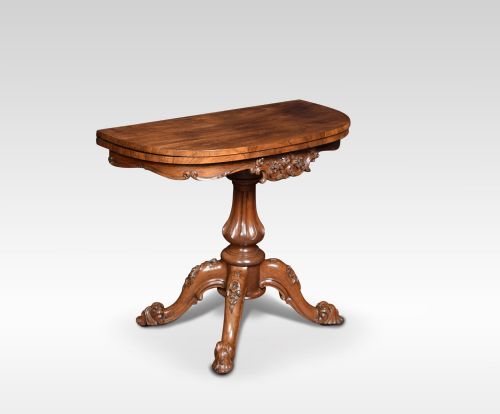
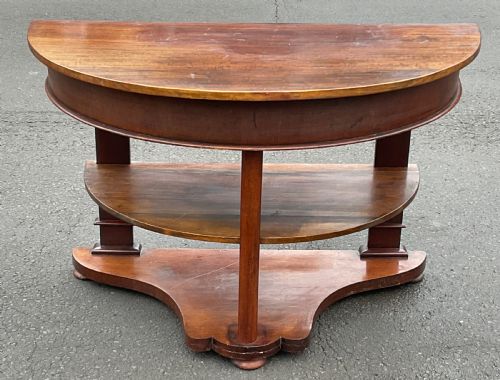
A victorian demi lune table typically appears as a console, a fold-over card table, or a display whatnot. The half-moon silhouette fits flat against a wall, making these pieces practical for narrow spaces.
Card and games versions feature tops that pivot or fold open, frequently concealing storage compartments beneath for playing pieces.
Console and hall variants stand as fixed side tables, while rarer iterations incorporate display cabinets or lift-up lids in pitch pine.
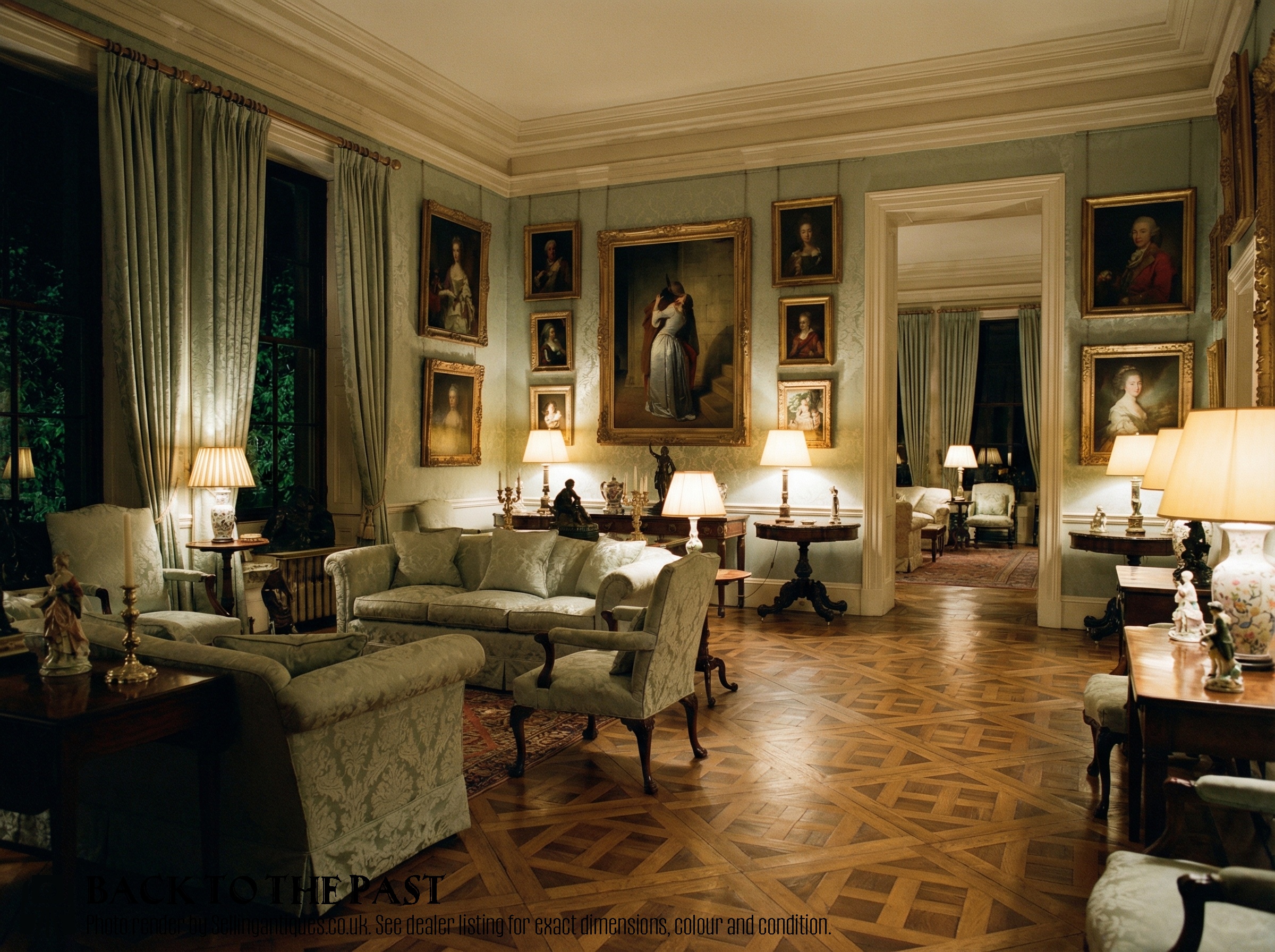
Materials and construction
Cabinet makers utilised dense hardwoods such as mahogany and rosewood for structural integrity, alongside walnut and burr walnut for highly figured decorative surfaces.
Satinwood appears in revival pieces, providing a pale ground for delicate contrasting inlay work.
Victorian Demi Lune Table Retail Price Guide 2026
Typical asking prices for victorian demi lune table among the pieces listed under this phrase on Sellingantiques today, from the lower quarter to the upper quarter. They describe what is for sale here now, not the wider market.
Judging the execution
Quality rests upon the selection of timber veneers, where symmetrical grain matching on burr walnut tops creates visual depth.
Joinery standards show in the precise operation of folding mechanisms and the crispness of applied carving or inlaid borders.
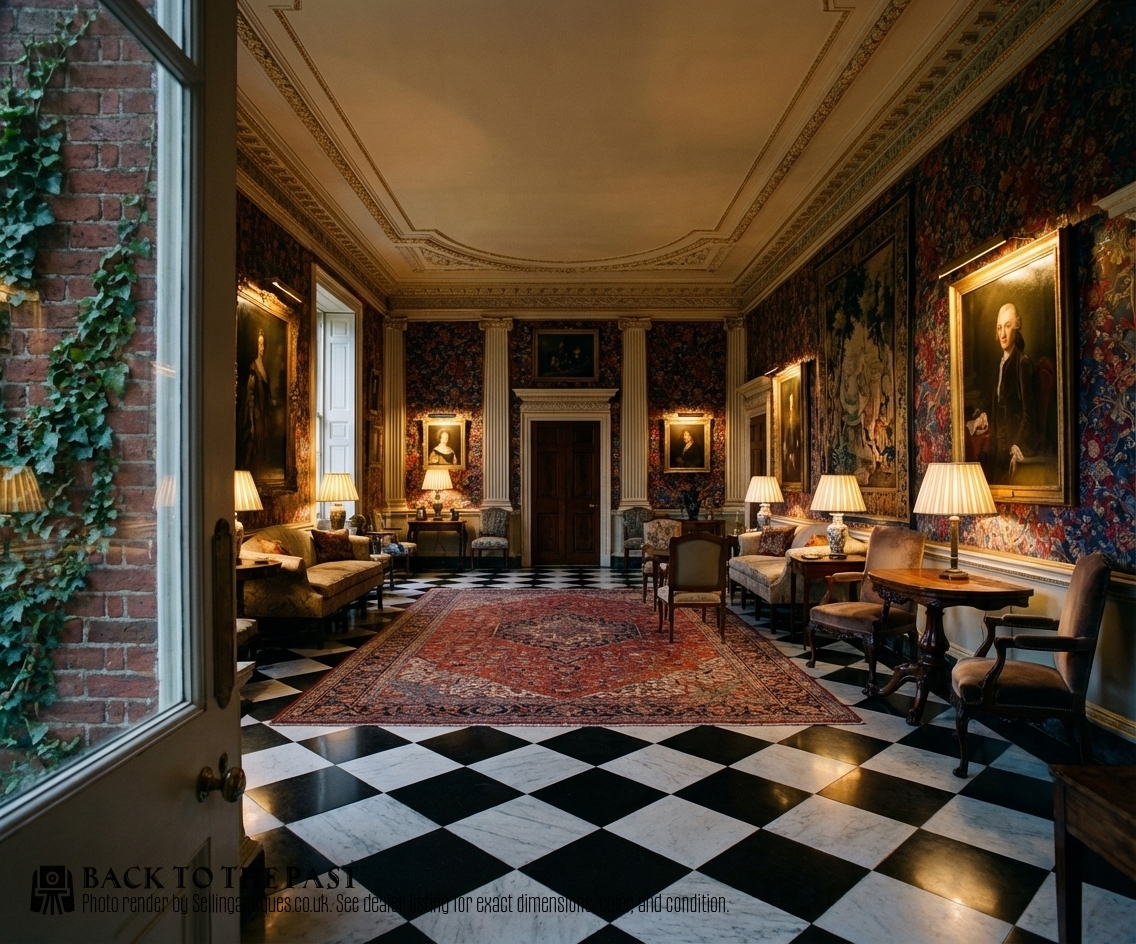
Edwards & Roberts·W.F. Greenwood & Sons York
The Victorian Demi Lune Table Glossary
- Demi-lune
- French for half-moon, describing the curved flat-backed shape of the furniture top.
- Card table
- A folding or pivoting table designed for evening gaming, often lined with baize.
- Burr walnut
- Timber taken from the warted growths of walnut trees, yielding complex swirling grain patterns.
- Console table
- A table designed to stand flat against a wall, traditionally supported by brackets or legs at the front.
- Inlay
- A technique where contrasting woods or materials are set into the surface to create decorative motifs.
Victorian Demi Lune Table: Frequently Asked Questions
How were these tables used?
These pieces served multiple functions in nineteenth-century homes, acting as decorative console tables in hallways or opening up for card and board games in the evening.
Fold-over variants provided a stable surface for tea or writing when closed, adapting easily to the social demands of the parlour.
Where should I place one?
The flat back allows the furniture to sit flush against a wall, making them suited for narrow hallways, landings, or tight alcoves where rectangular pieces obstruct passage.
They also function effectively as pier tables beneath mirrors or as display surfaces in living spaces.
How do I spot a card table?
Look for a double-topped construction where the upper leaf swivels and folds back to reveal a larger playing surface, occasionally retaining its original fabric lining.
Heavier rails beneath the top often conceal shallow compartments intended for storing cards and counters.
What styles are common?
The listings show substantial Victorian production alongside later Georgian, Adam, Sheraton, and Regency revivals from the late nineteenth and early twentieth centuries.
These revival pieces often incorporate fine satinwood marquetry and intricate border stringing.