


Victorian Pitch Pine Furniture
Victorian pitch pine furniture brings dense resinous grain and robust utility into modern rooms.
What victorian pitch pine furniture is
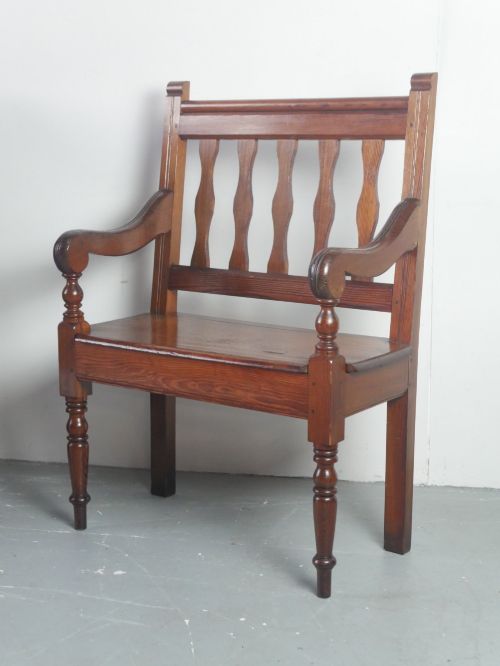
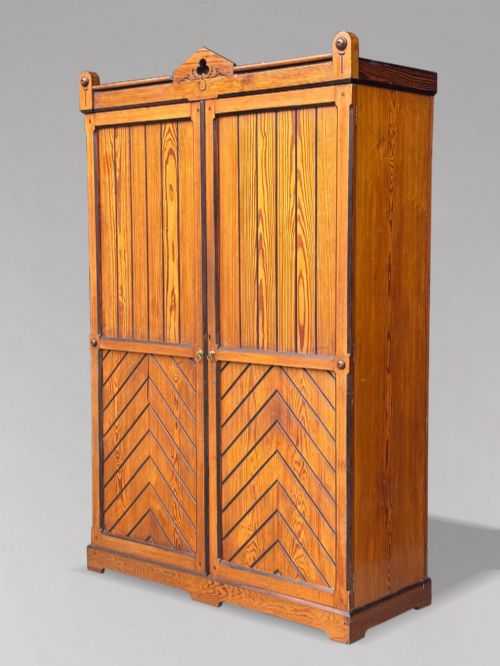
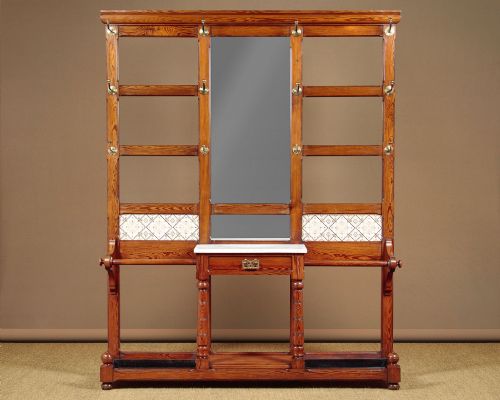
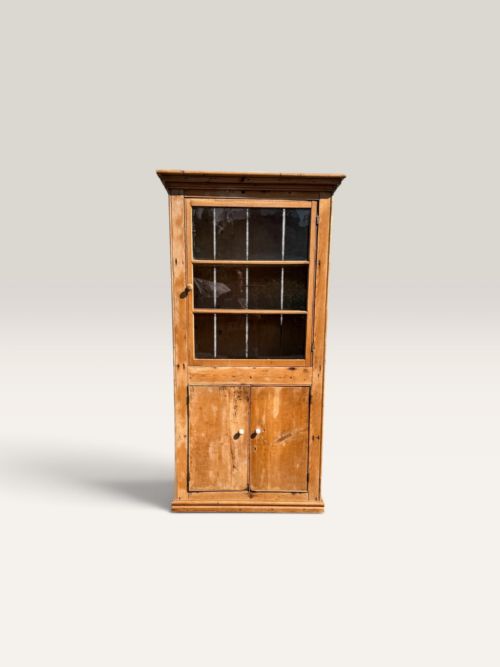
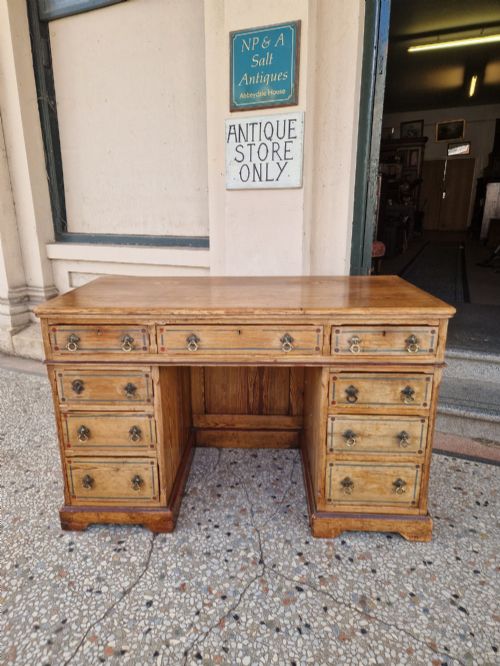
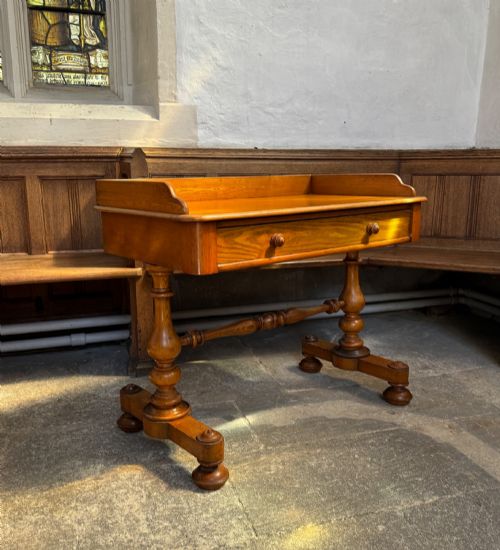
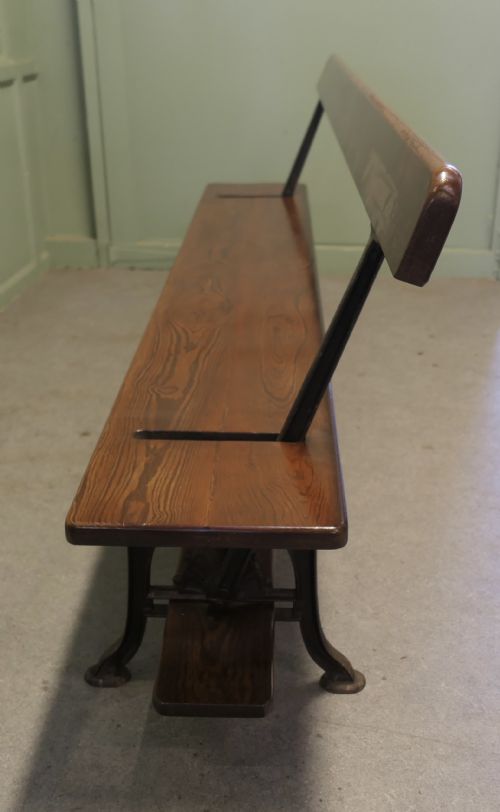
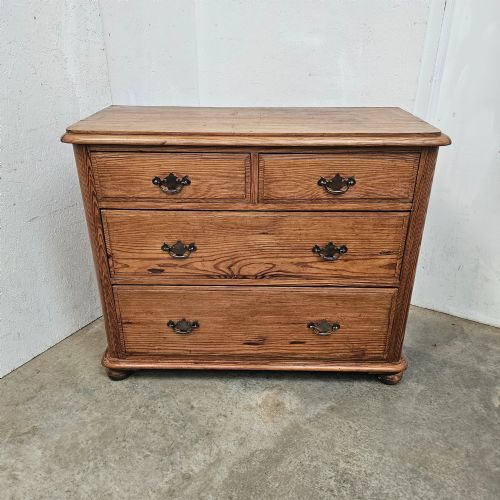
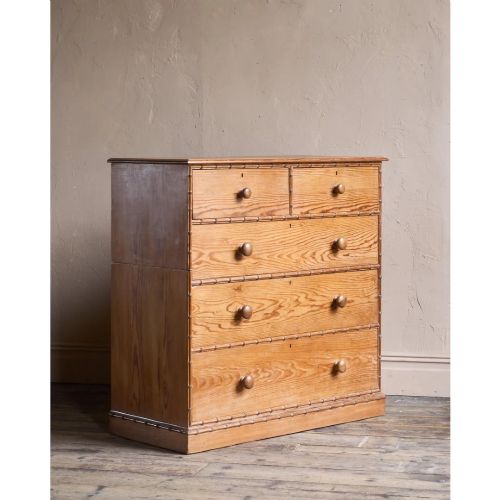
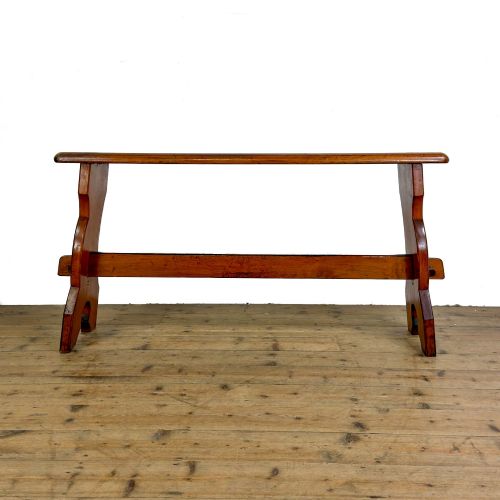
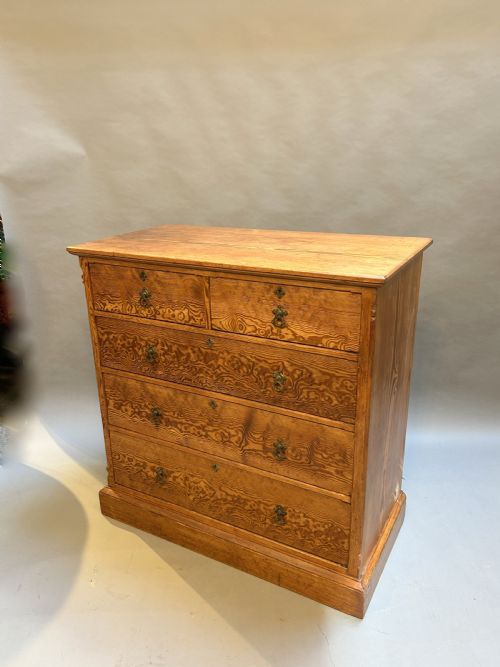
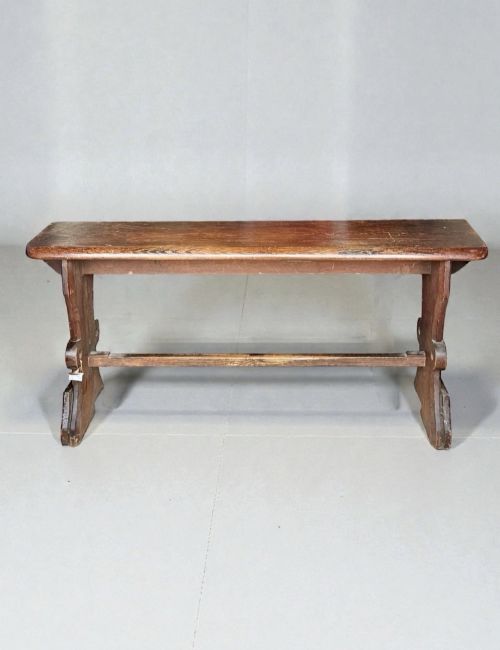
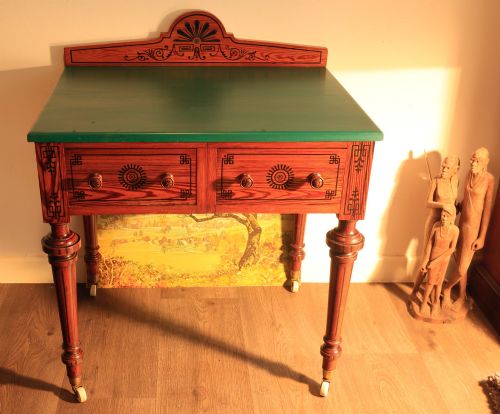
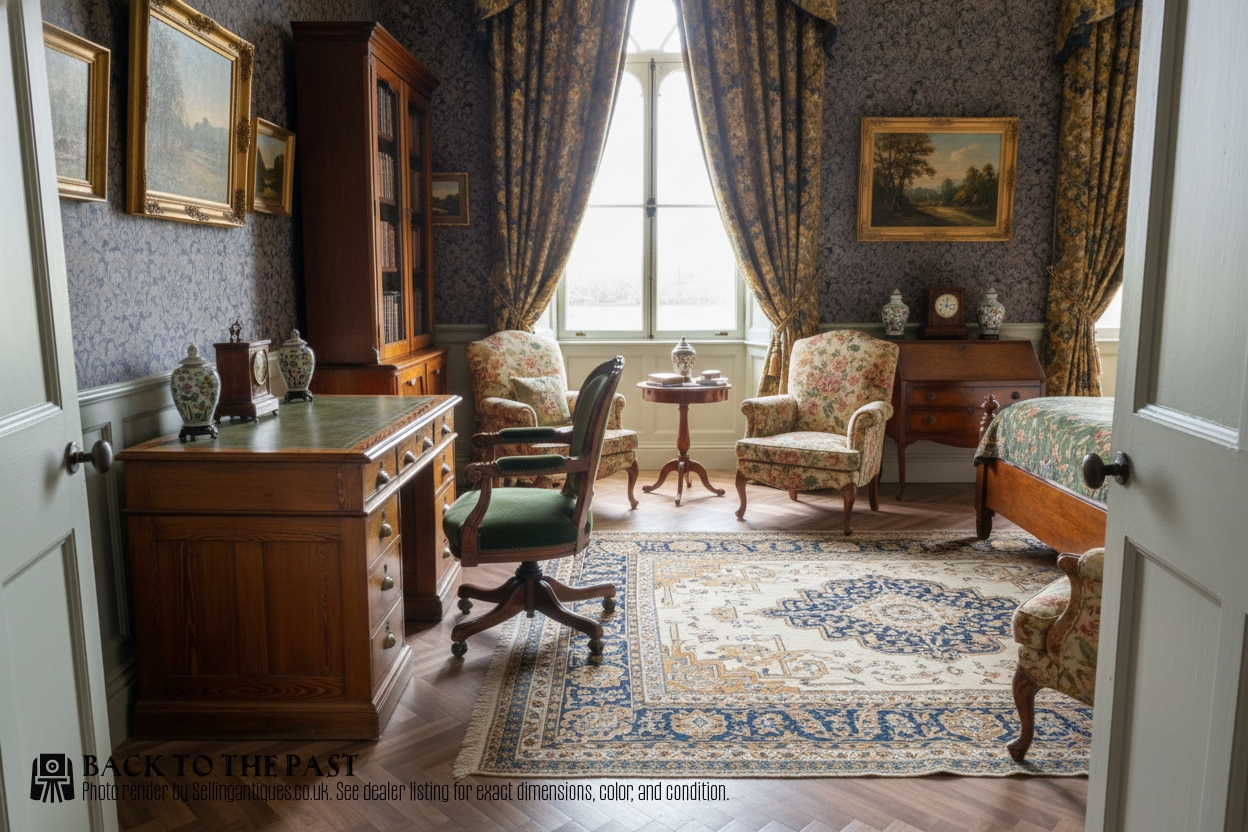
Victorian pitch pine furniture encompasses utilitarian and decorative forms built from a notoriously resinous North American conifer imported heavily during the nineteenth century. The examples recorded here span desks, wardrobes, hall tables, and pairs of hall chairs.
The dominant aesthetic unites straightforward nineteenth century construction with distinct regional or stylistic movements. Pieces range from unpretentious country workshops to defined Gothic Revival and Arts and Crafts expressions.
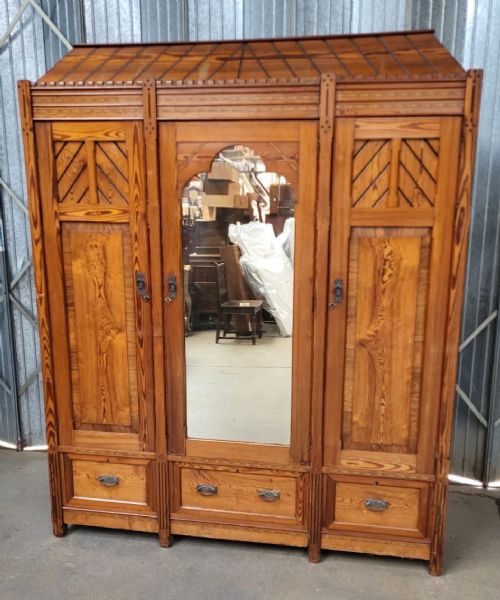
Desks and wardrobes showcase the heavier architectural capacity of the timber, whilst hall chairs and demi-lune stands demonstrate how makers utilised its strong grain for smaller functional items.
How they were made
Makers constructed these pieces primarily from solid pitch pine timber, frequently incorporating brass, glass, and iron details for hardware and structural reinforcement. The high natural resin content of the wood demanded careful seasoning and sharp tools to achieve clean joints.
Surface treatments and joinery methods reflect mid to late nineteenth century workshop practices, pairing exposed structural grain with occasional inlaid decoration or Gothic carving. Robust framing supported heavy daily use in hallways, studies, and bedrooms.
Retail Price Guide 2026
Typical UK retail prices for victorian pitch pine furniture, calculated from the Sellingantiques database of over a million retail prices indexed since 2003. This retail price guide relies exclusively on Sellingantiques data; no external sources or auction records are used, so the figures do not describe the wider market.
What varies in quality
Quality rests upon the selection of the timber grain and the ambition of the design, separating standard utilitarian output from deliberate stylistic statements. Dense, highly figured growth rings command greater visual presence than plain, uniform boards.
Construction integrity and the integration of decorative details such as inlay or Gothic ironwork define the upper tier of surviving examples. The balance between heavy structural mass and refined proportion governs the visual success of each piece.
The Victorian Pitch Pine Furniture Glossary
- Pitch pine
- A heavy, resinous softwood with a pronounced grain pattern, imported widely to Britain during the nineteenth century for architectural and cabinet work.
- Gothic Revival
- A nineteenth century design movement drawing inspiration from medieval architecture, seen here in pointed arches and structural severity.
- Arts and Crafts
- A design philosophy emphasising honest construction and visible materials, influencing wardrobes and desks of the later Victorian period.
- Demi-lune
- A half-moon shape utilised for tables and hall stands designed to sit flush against a wall in narrow spaces.
Frequently Asked Questions
How do I care for pitch pine furniture?
Keep these pieces away from direct heat sources and sudden humidity changes to prevent the resinous timber from splitting.
Apply traditional beeswax occasionally to nourish the grain without building up synthetic residues.
Where was this furniture used originally?
Sturdy hall chairs and demi-lune stands populated grand entranceways and domestic corridors to handle heavy outdoor garments.
Desks and wardrobes served private studies and bedrooms where durable storage and writing surfaces were required.
How do I date a piece?
Examine the construction methods, secondary timbers, and hardware style to establish whether a piece belongs to the mid or late nineteenth century.
Stylistic markers such as Gothic Revival mouldings or Arts and Crafts inlay help narrow down the period of manufacture.
What is the grain like?
Pitch pine displays a strong, highly figured grain pattern driven by resin-rich growth rings that catch the light.
This distinct striping gives the timber a character closer to hardwood than to standard pine.