
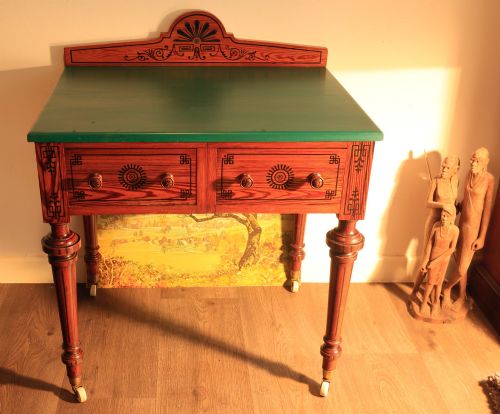


Pitch Pine Writing Desk
A pitch pine writing desk brings robust timber grain and utilitarian charm to a study, built to withstand daily clerical toil.
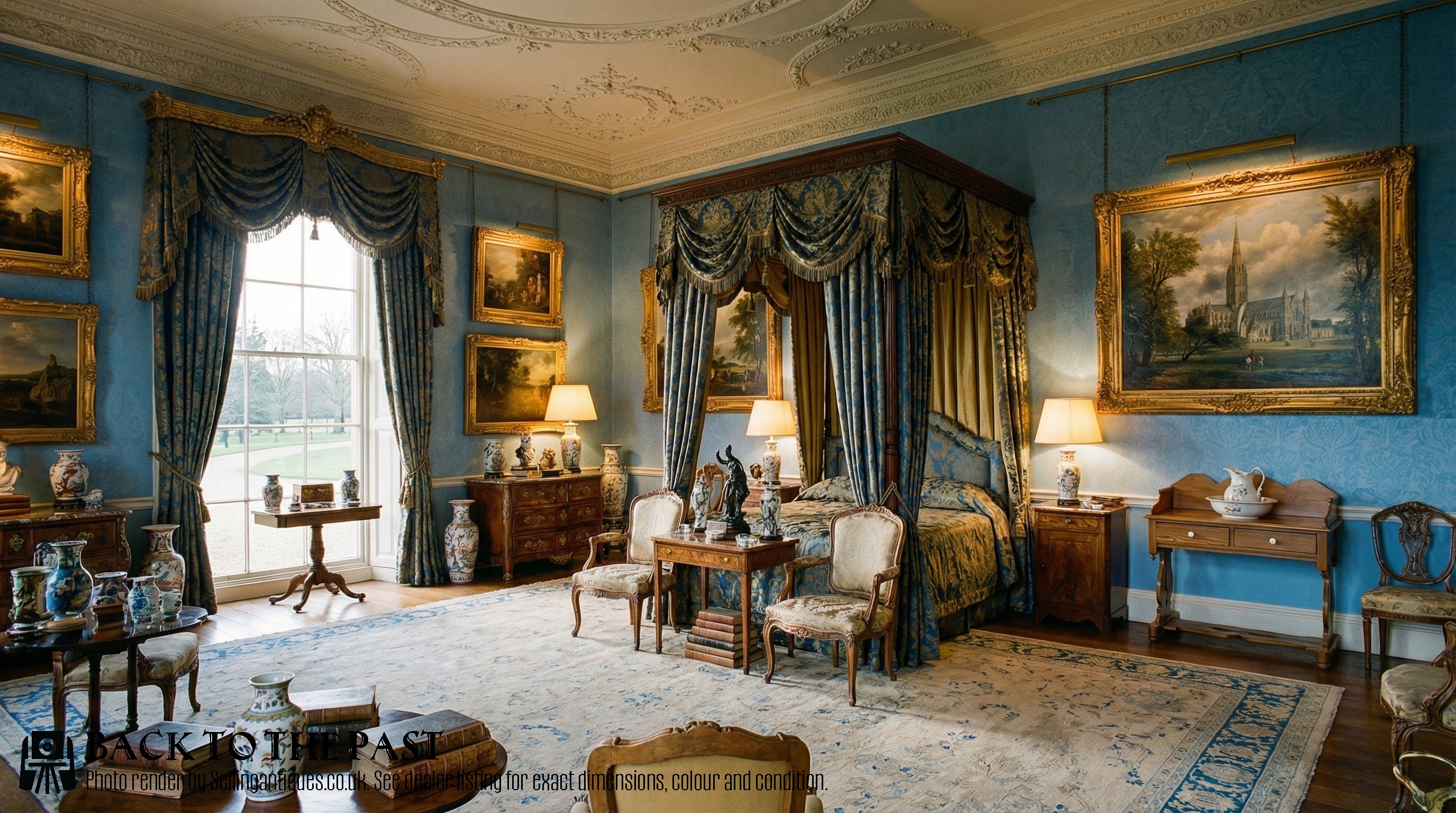
What a pitch pine writing desk is
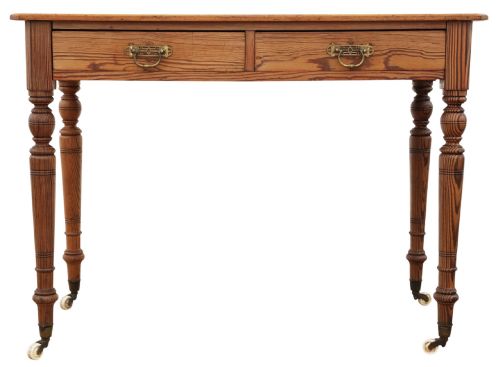
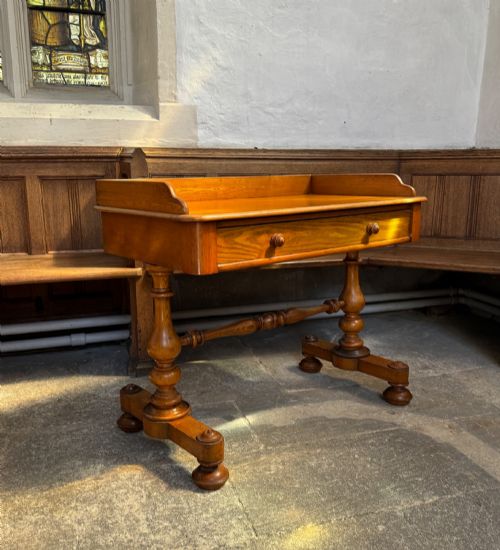
When you search for a pitch pine writing desk, you encounter sturdy nineteenth-century furniture built from resinous softwood. These practical pieces range from simple twin pedestal forms to school teachers' desks and washstand hybrids.
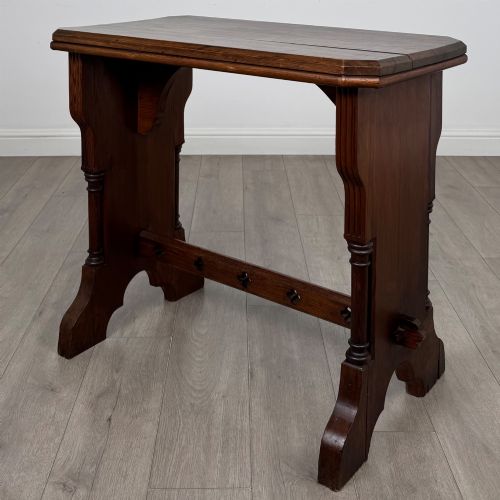
You are most likely to meet Victorian examples on this page, often reflecting Gothic Revival or Arts and Crafts sensibilities. These desks served clerks, scholars, and households requiring a dependable writing surface.
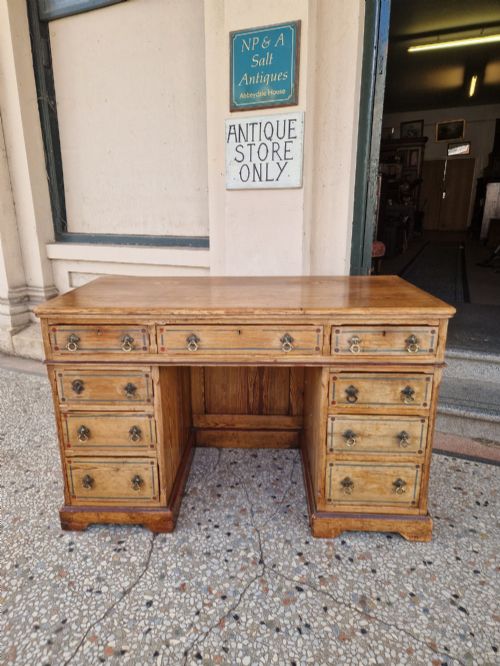
The objects combine functional drawer configurations with the distinct, resin-streaked grain characteristic of the timber. Their forms span simple kneehole designs to heavy pedestal variants.
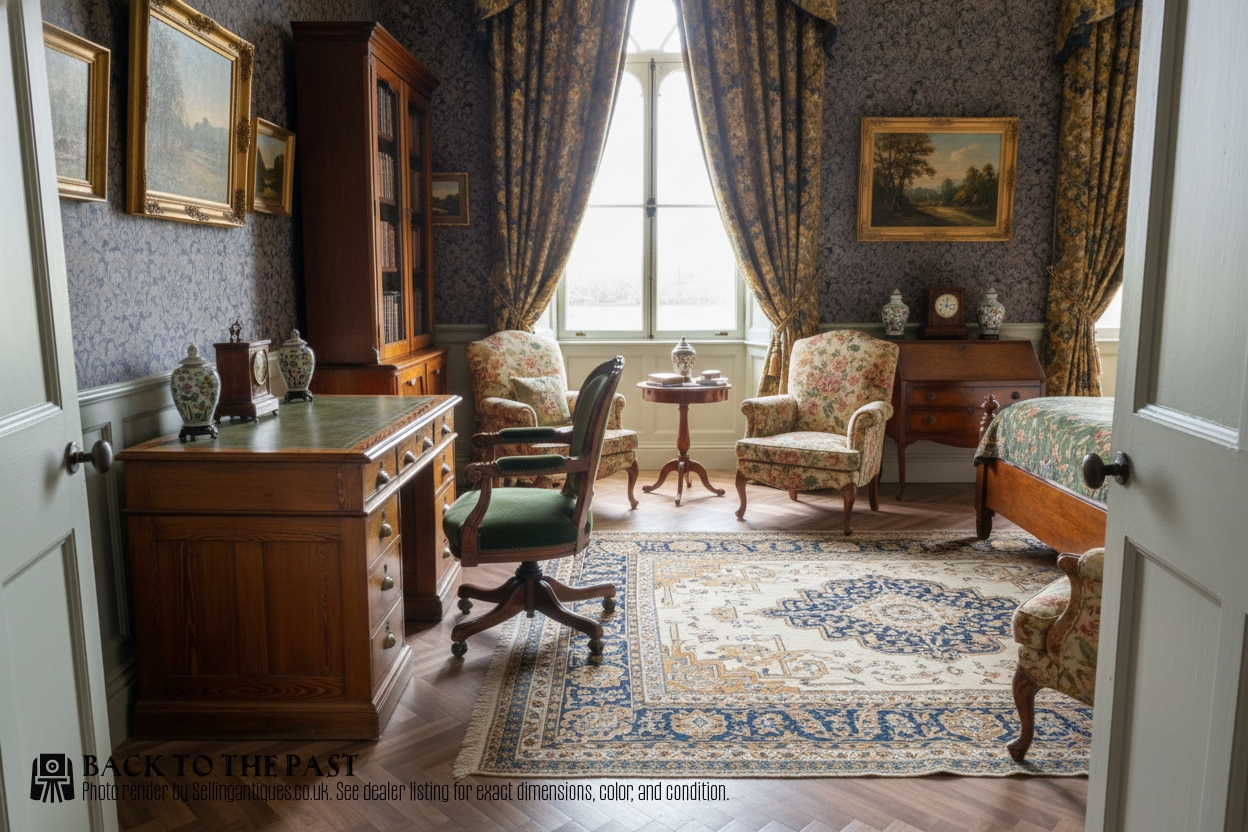
How they were made
Cabinet makers utilised pitch pine timber, known for its high resin content and durability, paired with iron, brass, and ceramic hardware. Surfaces sometimes received coats of paint or remained finished to highlight the wood grain.
Construction methods relied on solid panelled timber joined to create robust frames for pedestals and writing surfaces. Drawers were integrated using traditional joinery to handle heavy everyday use.
Retail Price Guide 2026
Typical UK retail prices for pitch pine writing desk, calculated from the Sellingantiques database of over a million retail prices indexed since 2003. This retail price guide relies exclusively on Sellingantiques data; no external sources or auction records are used, so the figures do not describe the wider market.
What varies in quality
The distinction between standard utility pieces and finer examples lies in the selection of the timber and the intricacy of the joinery. Heavier pedestal construction and considered panel work elevate certain desks above plain school or office variants.
Hardware choices and structural proportions also separate simpler school desks from sophisticated library or aesthetic movement tables. The presence of well-executed Gothic or Arts and Crafts detailing marks out superior craftsmanship.
The Pitch Pine Writing Desk Glossary
- Pitch Pine
- A durable North American softwood featuring a prominent growth ring pattern and high resin content. It provides the heavy, distinctive timber base for these desks.
- Kneehole Desk
- A freestanding writing table featuring a central recess for the sitter's legs, flanked by pedestals of drawers. This form offers substantial storage alongside a stable writing surface.
- Pedestal Desk
- A heavy desk supported by two banks of drawers or cupboards rather than simple legs. This configuration maximises storage capacity beneath the top.
- Gothic Revival
- An architectural and decorative style popular during the nineteenth century, characterised by pointed arches and medieval motifs. It appears in the ecclesiastical and structural lines of certain desks on the page.
- Arts and Crafts
- A design movement valuing honest construction, visible grain, and simple utility over excessive ornamentation. Desks from this tradition emphasise straightforward timber forms.
Frequently Asked Questions
How do I clean pitch pine?
Dust regularly with a dry or slightly damp cloth to protect the timber surface.
Avoid harsh chemical cleaners that can strip the natural resin and dry out the wood.
Were these desks used in schools?
Many examples served institutions, including school teachers and clerks.
Their robust construction was specifically chosen to endure demanding daily use.
What is the difference between a writing table and a pedestal desk?
A writing table typically stands on four legs with minimal drawer space beneath the top.
Pedestal desks incorporate banks of drawers down to the floor, offering far greater storage.
How do I identify Victorian Gothic style?
Look for pointed arches, heavy chamfered edges, and ecclesiastical architectural influences.
These decorative elements distinguish Gothic revival pieces from plain utilitarian furniture.