



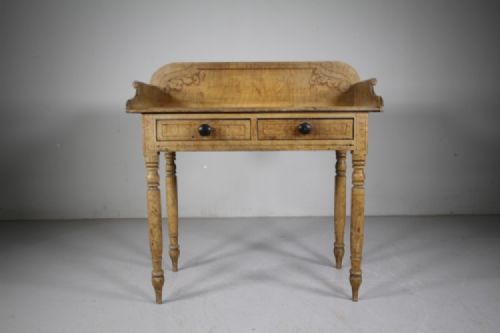
Victorian Pine Dressing Table
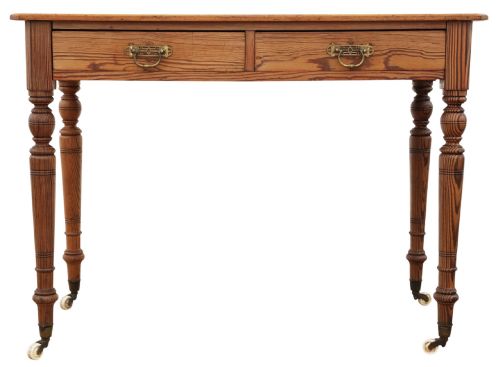
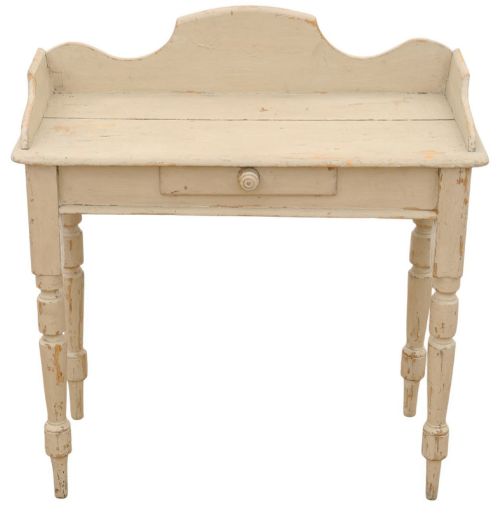
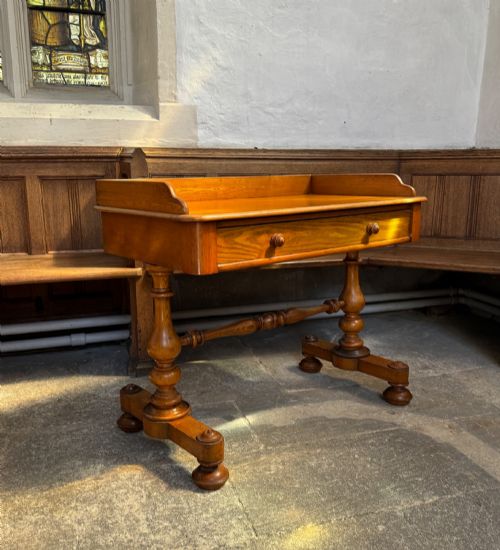
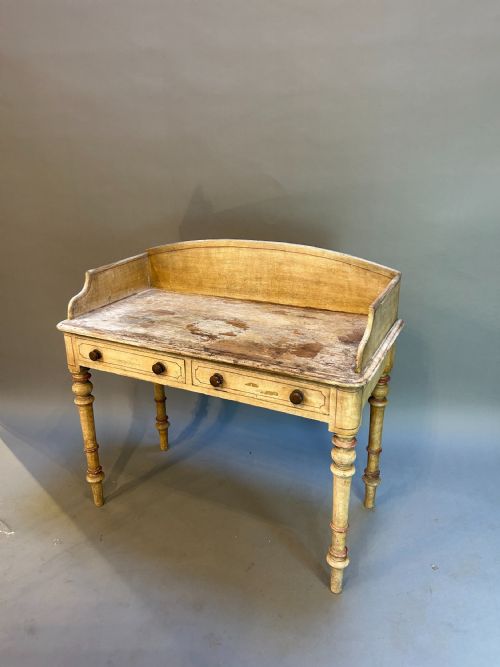
A victorian pine dressing table brings honest utility and quiet charm to a bedroom, offering sturdy drawers and warm timber surfaces.
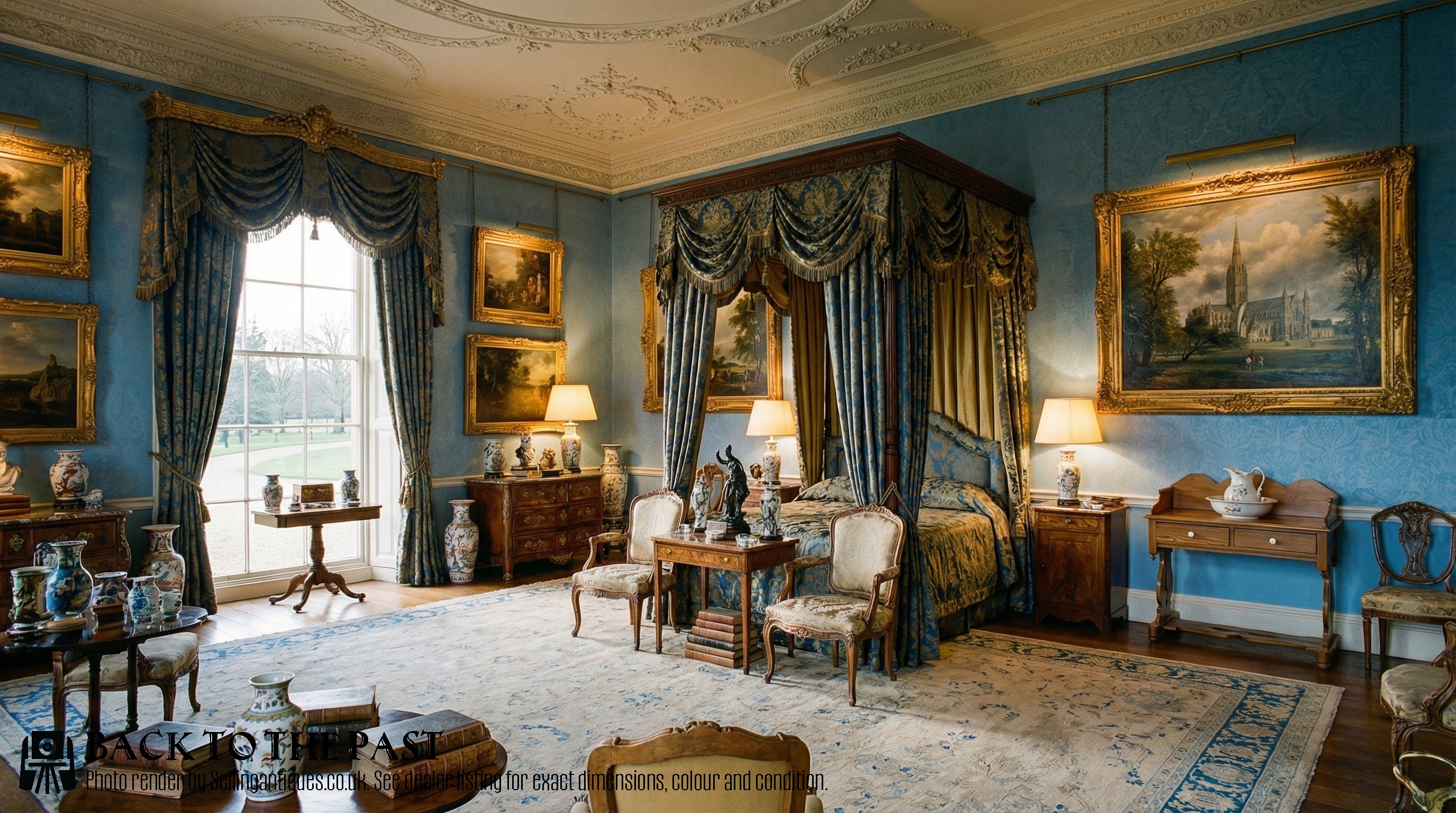
Victorian Pine Dressing Table
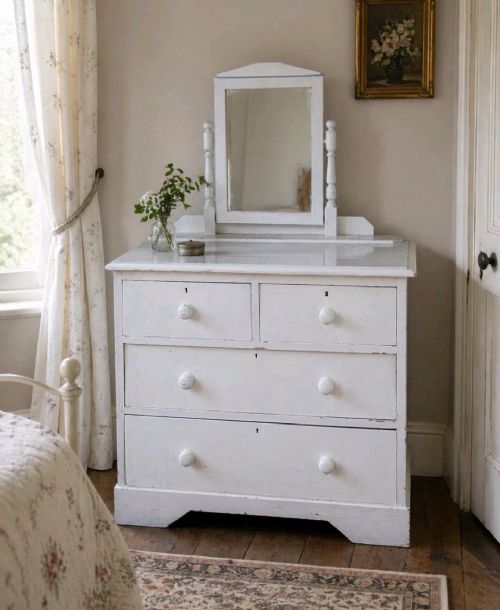
A victorian pine dressing table serves as a functional bedroom centerpiece, often combining a mirror, drawers, and a writing surface into one piece of furniture.
The pieces appearing on this page span the Victorian and Edwardian periods, stretching from the mid-nineteenth century into the early twentieth century.
Variations include pedestal designs, washstands adapted with mirrors, and simple chests of drawers fitted with writing surfaces or looking glasses.
How They Were Made
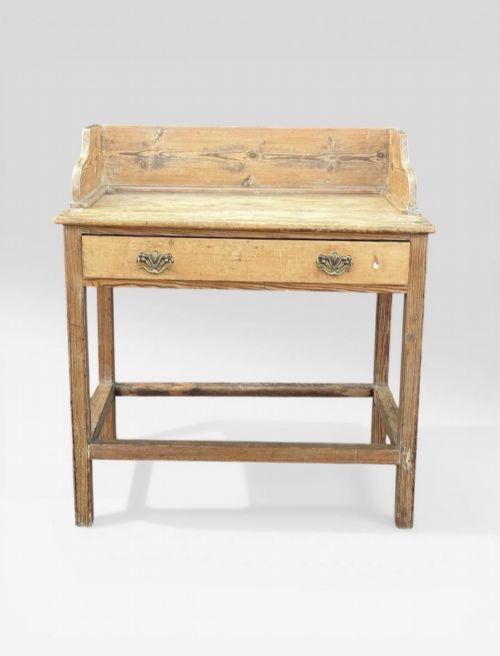
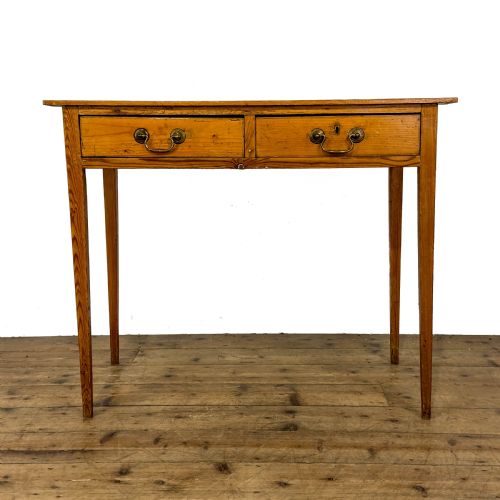
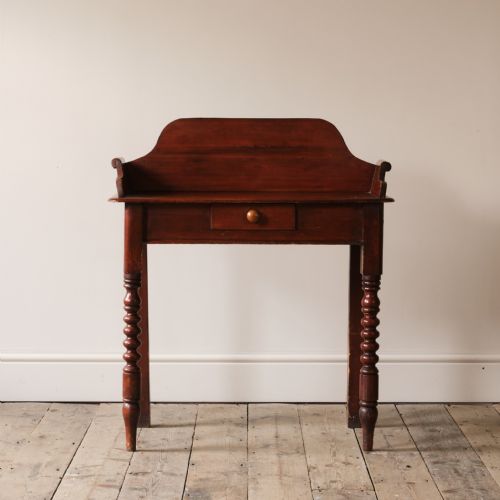
Joinery relies on solid pine and denser pitch pine, sometimes complemented by secondary timbers like oak or ash, assembled with traditional dovetailed drawer construction.
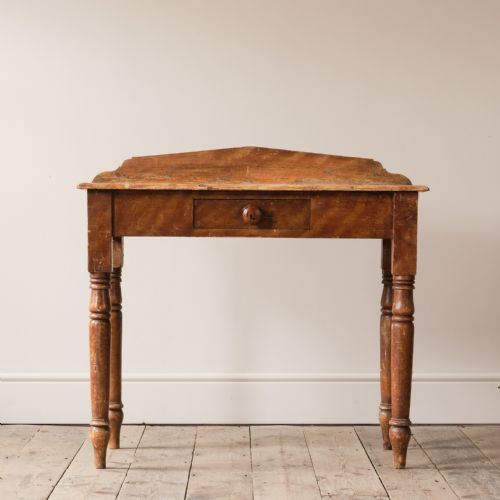
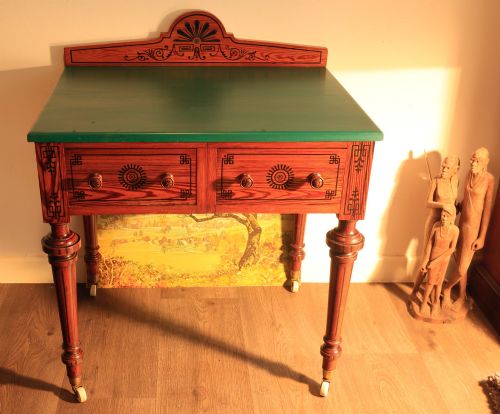
Surfaces frequently show original paint, scumble glaze, or stencilled decoration, while other pieces are stripped back to reveal the natural grain of the wood.
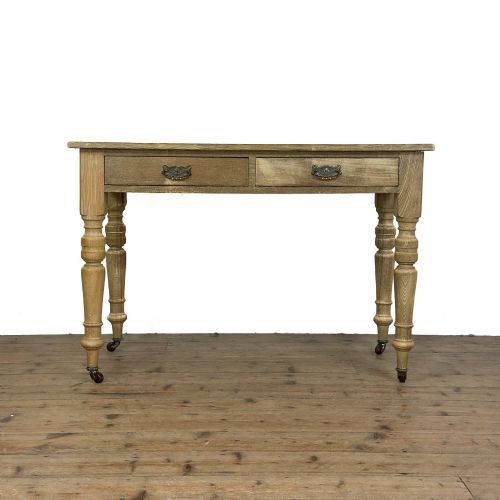
Hardware typically includes turned wooden knobs or brass handles, alongside pivoting glass mirrors held by adjustable uprights.
Victorian Pine Dressing Table Retail Price Guide 2026
Typical asking prices for victorian pine dressing table among the pieces listed under this phrase on Sellingantiques today, from the lower quarter to the upper quarter. They describe what is for sale here now, not the wider market.
Listings feature periods spanning the early nineteenth century through the Edwardian era, predominantly utilising pine, pitch pine, and glass.
What Varies in Quality
Construction standards differ between simple country workshops producing utilitarian furniture and finer cabinetmakers building sophisticated pedestal desks and gothic revival pieces.
The preservation of original surface treatments, from early painted finishes to scumble glazes, distinguishes pieces that retain their untouched character from those heavily restored.
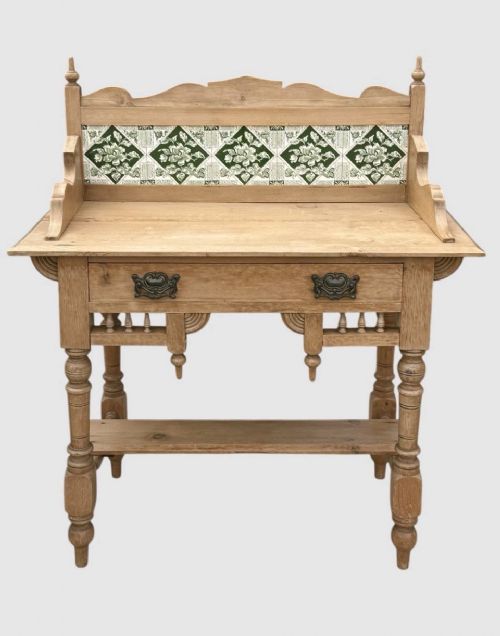
Design complexity marks the range, separating plain single-drawer tables from elaborate twin pedestal forms featuring tile gallery backs and adjustable arch-top mirrors.
The Victorian Pine Dressing Table Glossary
- Pitch Pine
- A dense, resinous variety of pine with a pronounced grain pattern, frequently utilised in nineteenth-century cabinetmaking for durability.
- Scumble Glaze
- A translucent layer of pigmented paint manipulated with combs or rags to imitate the richer grain of exotic hardwoods.
- Pedestal Dressing Table
- A substantial form featuring two banks of drawers supporting the main writing surface and mirror above.
- Tile Gallery Back
- An upright tiled splashback fitted to the rear of a washstand or dressing table, popular in the late nineteenth century.
- Faux Bamboo
- A decorative technique carving or turning solid wood to mimic the segmented stems of bamboo, seen on late Victorian furniture.
Victorian Pine Dressing Table: Frequently Asked Questions
How do I care for an original painted finish?
Dust gently with a dry, soft cloth and avoid chemical cleaning agents that can damage historic paint layers.
Keep the piece away from direct sunlight and steady moisture sources to preserve the integrity of the timber and surface decoration.
Were these tables used only for dressing?
Many examples served multiple functions in the nineteenth-century bedroom, doubling as writing desks or washstands depending on their fitted compartments and basins.
Drawers commonly held letters, writing materials, and personal grooming items alongside everyday accessories.
How do I distinguish Victorian from Edwardian pieces?
Victorian examples often display heavier proportions, gothic influences, or rich scumble glazes and painted finishes.
Edwardian pieces tend toward lighter constructions, cleaner lines, and simpler drawer configurations reflecting changing domestic tastes.
Can I safely dismantle the mirror for transport?
Mirrors on these tables are usually attached by screws or wooden pivots to the upright arms, allowing for careful removal.
Retain the original fixings and support the glass fully when moving the dressing chest to prevent strain on the frame.